

Overview:
- Wayne County Circuit Court Judge Kevin Cox permanently blocks Wayne Disposal from accepting radioactive waste from Manhattan Project-era cleanup sites managed by the U.S. Army Corps of Engineers.
- The judge ruled the waste shipments constitute a public nuisance causing "irreparable harm" that cannot be offset with money.
- The landfill already accepted over 600,000 tons of elevated radiation waste, an attorney for Wayne Disposal said at trial.
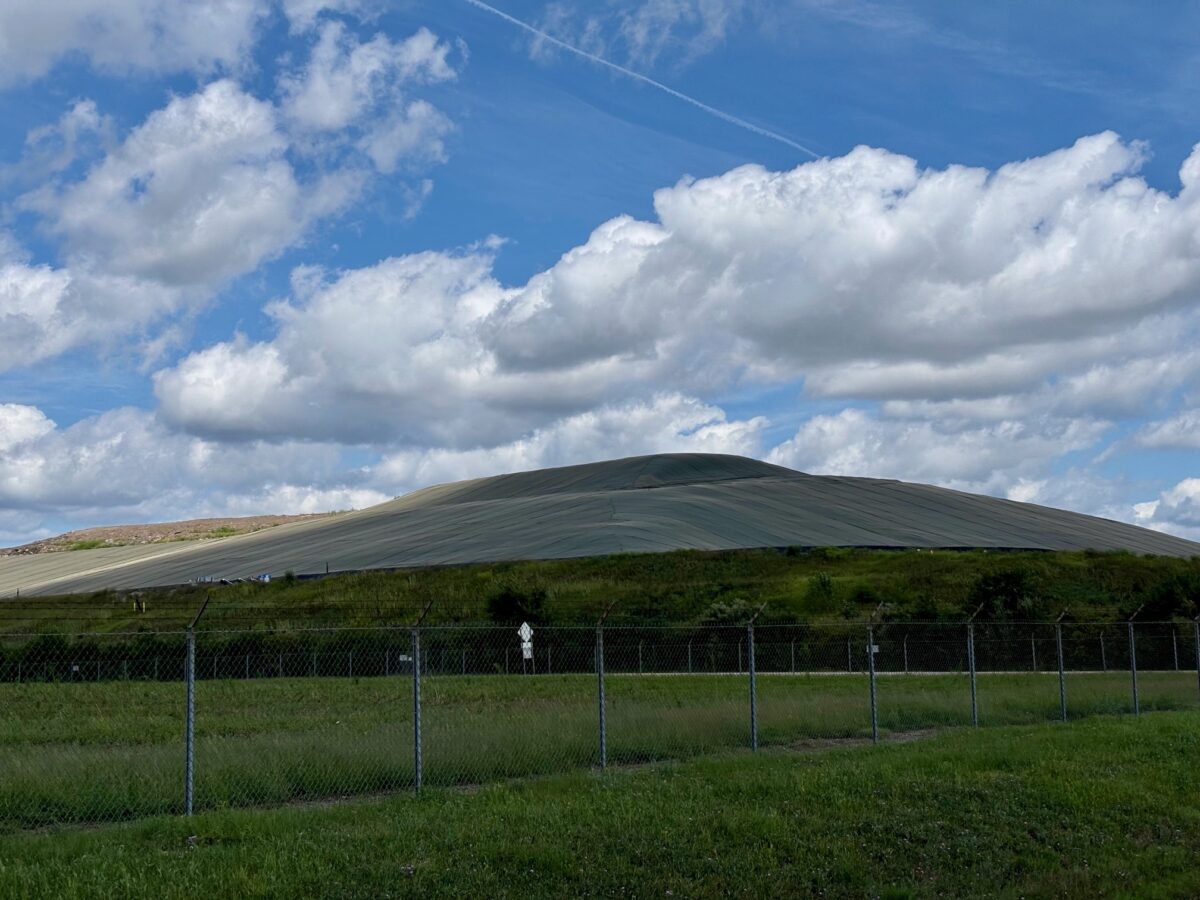
A Van Buren Township landfill is barred from accepting shipments of radioactive waste from Manhattan Project-era sites, a Wayne County Circuit Court judge ruled Wednesday.
🗳️ Civic Action Toolbox
Why it matters
Over 600,000 tons of radioactive waste have already been disposed of at a landfill less than 1 mile from downtown Belleville, in a community already facing above-average pollution exposure and high levels of health issues.
Who's making public decisions
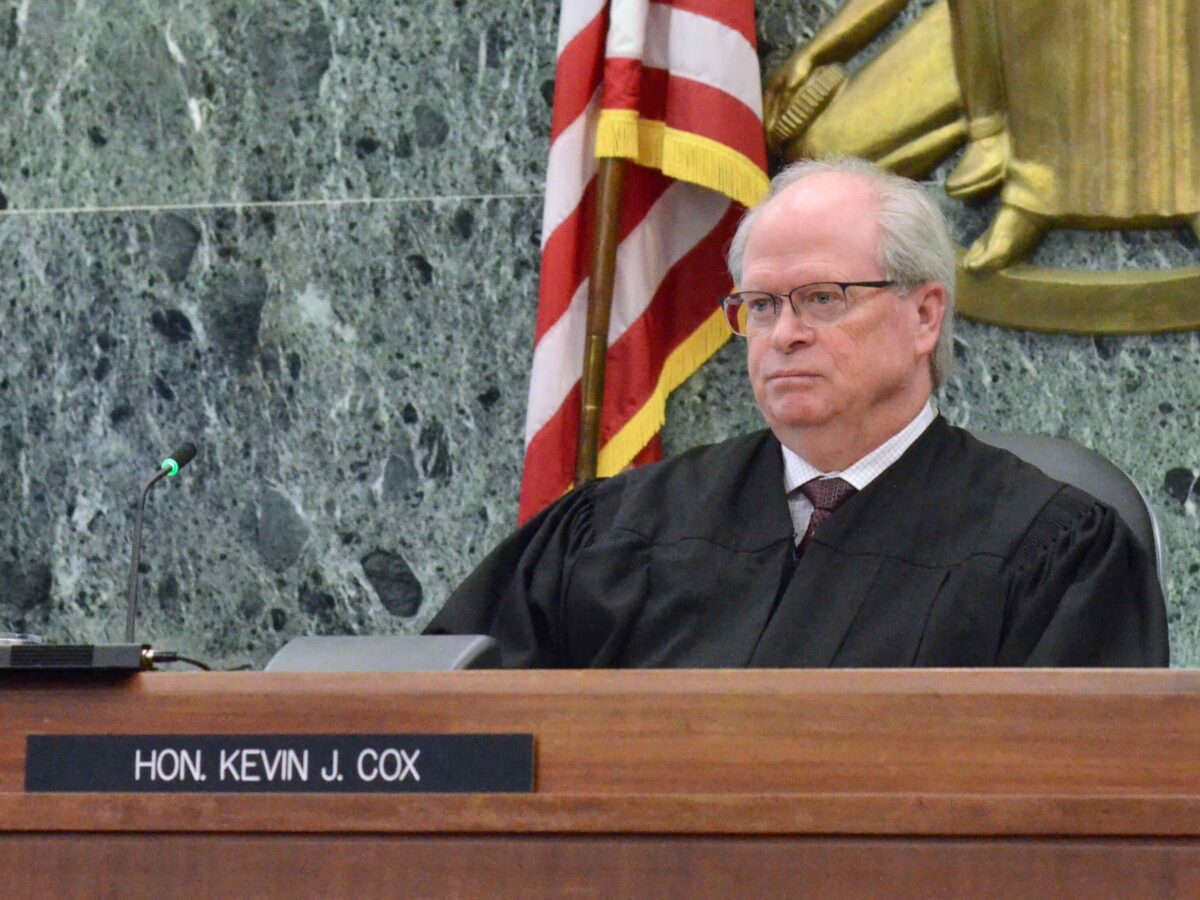
Wayne County Circuit Court Judge Kevin Cox issued the permanent injunction barring Manhattan Project-era waste from being sent to Wayne Disposal. Michigan’s Department of Environment, Great Lakes, and Energy approved a major expansion of the facility in January.
Contact Your Representatives
Civic Actions: What You Can Do
Organizations to Follow
What to watch for next
Watch for an appeal of the court order by Republic Services and the outcome of that effort, as well as a challenge by the group Michigan Against Atomic Waste’s to the state’s approval of the landfill expansion.
Are you taking action? Let us know.
Civic resources compiled by Planet Detroit
Judge Kevin Cox’s order, issued following a February bench trial, sides with Wayne County and communities that sued Wayne Disposal by making an Aug. 6, 2025 preliminary injunction permanent.
The injunction bars the shipments of elevated radiation waste from sites managed by the U.S. Army Corps of Engineers to Wayne Disposal. The hazardous waste facility is owned by Republic Services.
The harms from the waste are long-lasting or permanent and cannot be offset with monetary damages, and monitoring and engineering controls at the landfill are insufficient, Cox said.
“Acceptance of any additional FUSRAP TENORM at the WDI Landfill facility would unreasonably interfere with rights common to the public and therefore constitutes a public nuisance,” Cox wrote, referring to elevated radiation waste, known as TENORM, from Formerly Utilized Sites Remedial Action Program (FUSRAP) sites managed by the Army Corps.
The sites were used in the World War II-era development of the atomic bomb.
Republic Services disagrees with Cox’s decision and will appeal it, spokesperson Roman Blahoski told Planet Detroit in an email.
“Wayne Disposal, Inc. is a safe, well‑managed facility that is specifically engineered to handle FUSRAP TENORM and other complex waste streams,” Blahoski said.
“This ruling sets a troubling precedent that undermines protections afforded to interstate commerce and impedes site remediation, as well as the safe and effective long‑term management of these materials for customers in Michigan and throughout the country.”
Brandon Grysko, an attorney for Wayne County communities, said the ruling upholds the plaintiffs’ position that licenses do not translate to lawfulness.
“The cities and townships we represent are constitutionally charged with protecting the public health, safety, and welfare, Grysko said in a Wednesday email to Planet Detroit.
“Any activity, licensed or not, that poses an unreasonable interference with those rights is unacceptable.”
Judge: Radioactive waste threatens nearby freshwater
The legal battle over the shipments of elevated radiation waste began in 2024 after it was revealed the U.S. Army Corps of Engineers planned to transport waste from the Niagara Falls Storage Site in Lewiston, New York to Wayne Disposal in western Wayne County.
Belleville, Van Buren Township, Canton Township, Romulus, and the Van Buren Township fire chief filed suit in September 2024 to stop the shipments, and Wayne County intervened in the case.
Michigan’s Department of Environment, Great Lakes, and Energy (EGLE) approved a 23%, 5.2-million-cubic-yard expansion of the facility in January, despite vocal pushback from residents and lawmakers.
In Wednesday’s order, Cox cited “substantial and credible testimony” from Dr. Kimberlee Kearfott, a University of Michigan professor and radiation protection expert, who he said established that radiation gas levels have increased each year at Wayne Disposal’s perimeter monitoring locations since it began accepting TENORM in 2017.
“It’s increasing the risk of cancers, life-shortening, and other effects associated with radiation,” Kearfott said in court Feb. 5 when asked about the impact of radiation from the site.
Cox wrote in his order that transporting more radioactive TENORM for downblending at the site poses a “real risk” of accidents and impacts to Belleville Lake, the Huron River, and Lake Erie. Downblending describes the mixing of hazardous or radioactive waste with other material to allow for disposal.
Radioactive waste, including contaminated rain runoffs and surface water flow, could also impact Wayne County drains and local waterways, Cox wrote.
Wayne Disposal discharges to the South Huron Valley Utility Authority, which in turn discharges treated water into the Detroit River, but the utility doesn’t test or treat for radioactive material, Cox said.
Wayne County’s population “vastly exceeds” the populations of counties in other states that host alternative landfills, and those landfills are in more arid environments, he said.
In April, the group Michigan Against Atomic Waste (MAAW) filed an appeal challenging the state’s approval of the facility’s expansion.
Wayne Disposal accepted over 600,000 tons of radioactive waste
The lawsuit was primarily a nuisance case, Stephen Brown, an attorney for the Wayne County communities, said during the bench trial’s closing arguments.
It’s unreasonable to dispose of so much elevated radiation waste in a highly populated area less than 1 mile from downtown Belleville, where vulnerable residents are already burdened by other environmental problems, Brown said.
According to MiEJScreen, EGLE’s environmental justice screening tool, the Census Tract where Wayne Disposal is located is in the 83rd percentile, while the tract to the south of the facility is in the 72nd percentile. These scores indicate above average pollution exposure and high levels of underlying health issues in the community.
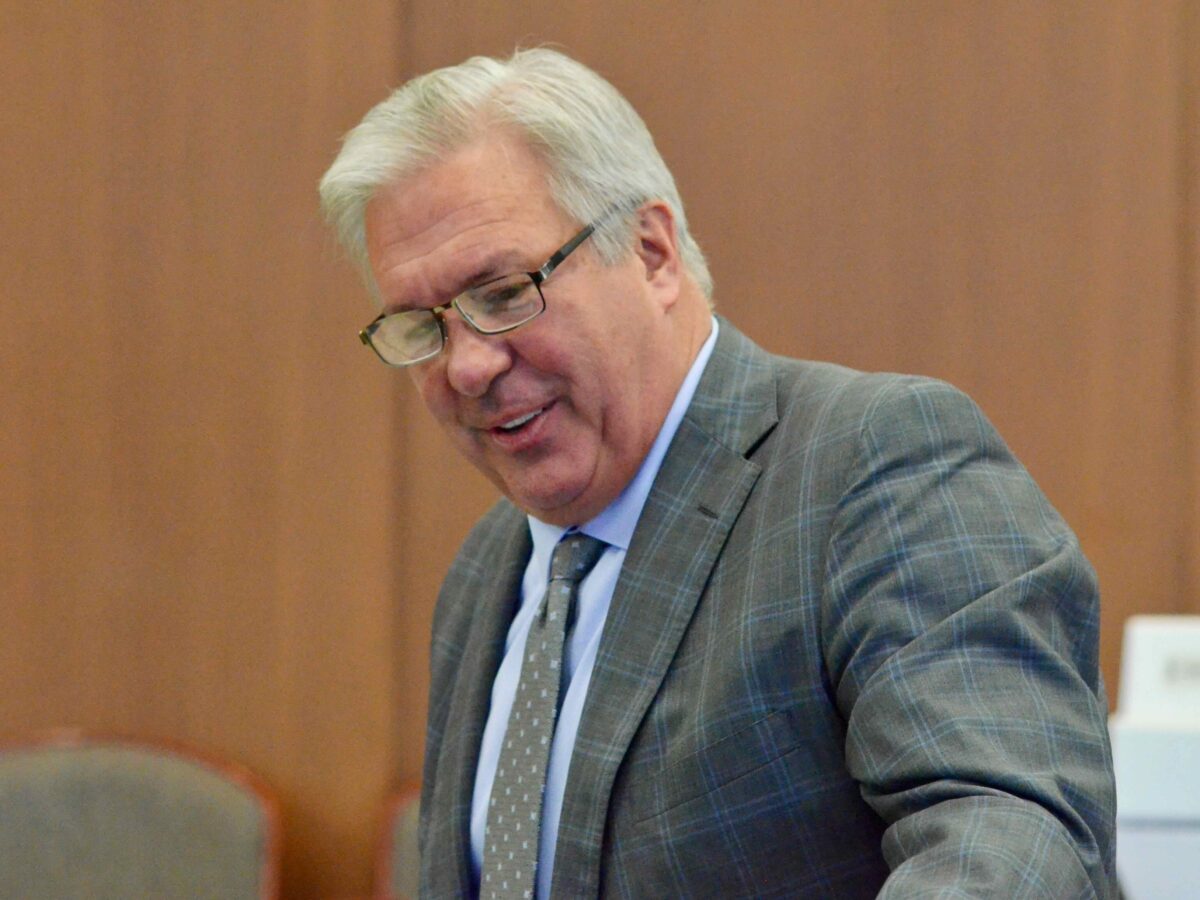
Scott Watson, an attorney for Wayne Disposal, said in his closing arguments that evidence shared at the trial failed to show residents were being harmed by the elevated radiation waste. Over 600,000 tons of TENORM were already disposed of at the facility without incident, he said.
“They offered no evidence that the harm they complain of, the fear and anxiety, would be redressed by an injunction prohibiting the disposal of FUSRAP TENORM,” Watson said.
Editor’s note: This story has been updated with comment from Republic Services and additional details.
WAYNE DISPOSAL COVERAGE
Group challenges expansion of Wayne County hazardous waste landfill
Michigan Against Atomic Waste files an administrative appeal challenging state approval of a 5.2-million-cubic-yard expansion for Wayne Disposal.

Wayne County radioactive waste trial ends with attorney’s warning over future Manhattan Project shipments
Wayne Disposal attorneys argue plaintiffs failed to prove the landfill is harming residents, while lawyers for local communities say it’s unreasonable to dispose of radioactive waste in a highly populated area near the Great Lakes.
No risk to public from stored Manhattan Project waste: Wayne Disposal trial witness
Judge questions why waste was being sent to Wayne County if it poses no risk in New York.