

Overview:
- The University of Michigan Detroit Sustainability Clinic launched a new online Flood Resilience Hub offering centralized access to flood preparedness resources, funding opportunities, and green infrastructure information for Detroit residents
- The Hub was developed in response to lessons learned from the catastrophic June 2021 floods and research in Jefferson Chalmers, one of the hardest-hit neighborhoods
- The Kresge Foundation invested $900,000 in renewed funding to expand the Clinic's community-driven sustainability and resilience work across Detroit
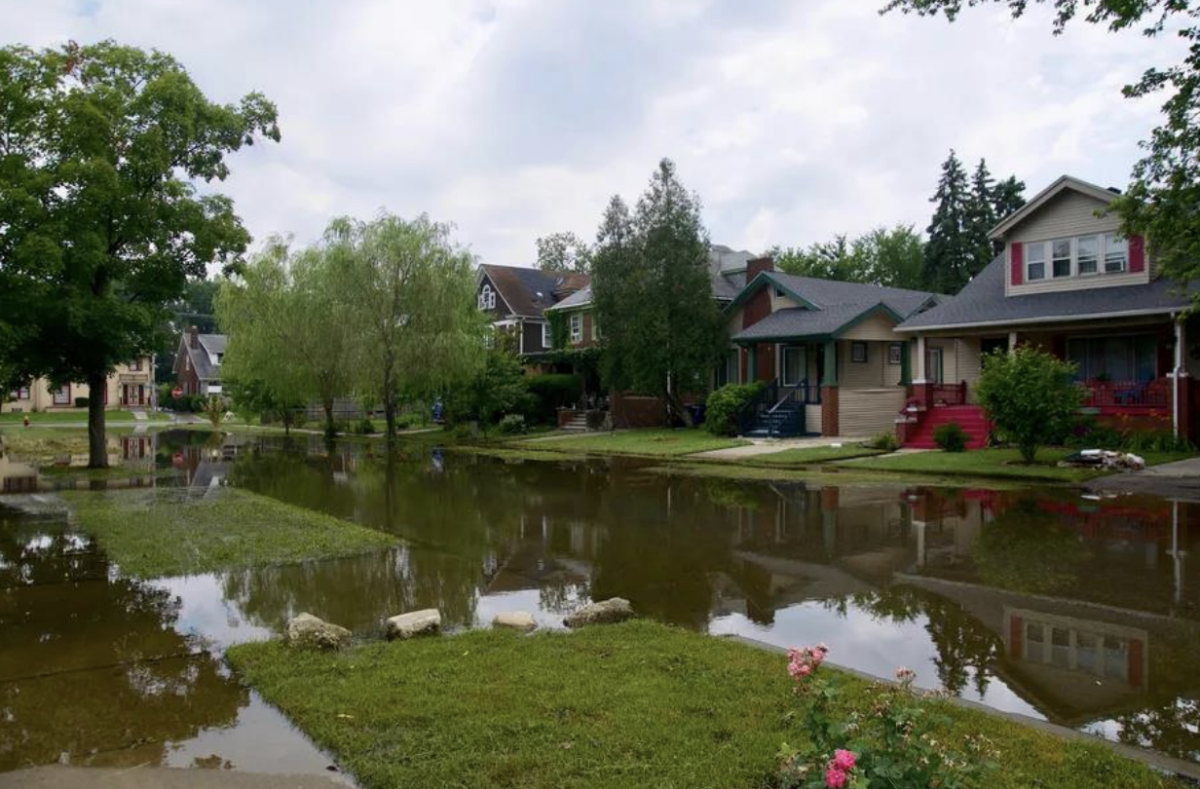
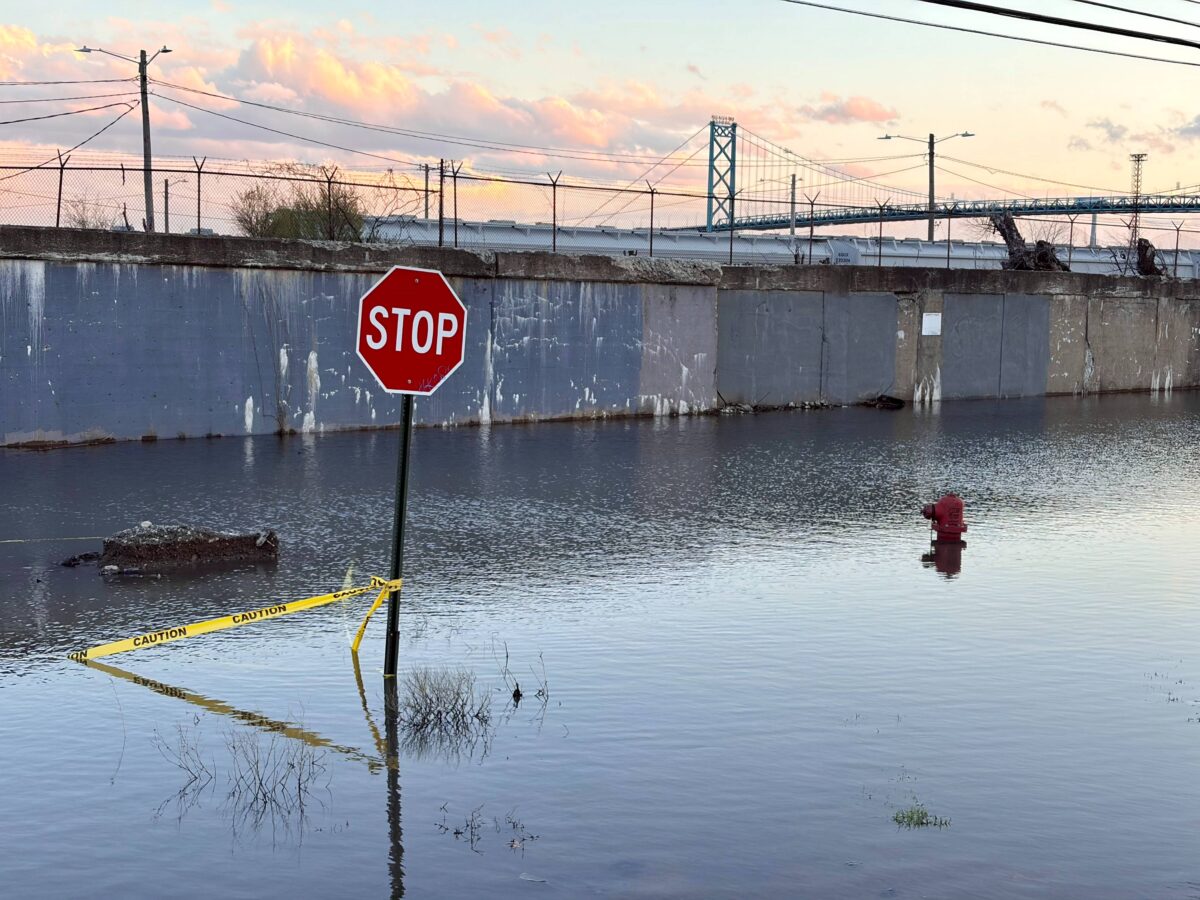
Five years ago, catastrophic flooding inundated neighborhoods across Detroit. The June 2021 storm brought several inches of rain in 12 hours, prompting a federal disaster declaration and exposing vulnerabilities in Detroit’s aging stormwater infrastructure.
The event also highlighted a growing reality: climate change is increasing flood risks across Detroit. In response to the growing need for place-based climate resilience support following the 2021 floods, The Kresge Foundation invested a $1 million seed grant to establish the University of Michigan School for Environment and Sustainability (SEAS) Detroit Sustainability Clinic.
Using funds from that seed grant, the Clinic has launched a new online Flood Resilience Hub to support residents, neighborhood organizations, and community leaders in navigating challenges related to flooding.
Developed by Clinic Research Assistant Myrcella-Selene Bowen and Communications Specialist Jo Walker, the Hub serves as a resource for flood preparedness, resilience planning, funding opportunities, insurance information, mapping tools, green infrastructure resources, and local support services. The platform is organized around practical steps users can take before, during, and after flooding, helping connect people with resources that support long-term resilience.
Designed to support users with varying levels of capacity and involvement, the platform allows residents, neighborhood organizations, and community leaders to explore resilience strategies at multiple scales—from protecting their homes and preparing for emergencies to identifying neighborhood-level solutions, funding opportunities, and local organizations working to address flooding across Detroit.
Lessons from Jefferson Chalmers
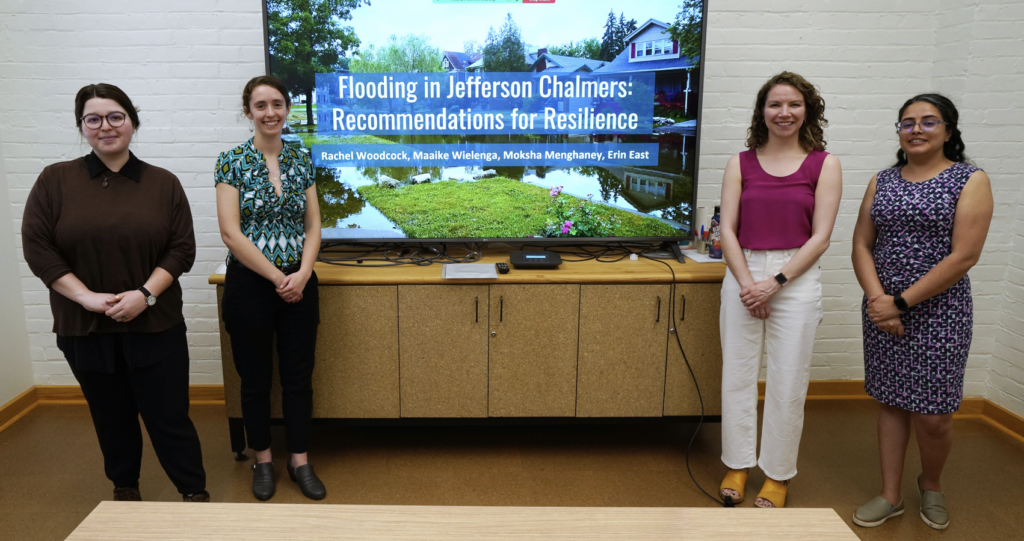
Recommendations emerging from one of the Clinic’s inaugural partnerships with Jefferson East, Inc. (JEI), a community development organization serving Detroit’s east side, helped shape the Hub’s development. Working alongside JEI, SEAS master’s students Erin East (MS ’23), Moksha Menghaney (MS ’23), Maaike Wielenga (MS ’23), and Rachel Woodcock (MS ’23), advised by SEAS Professor Sam Stolper, studied flooding in the Jefferson Chalmers neighborhood, one of the communities hardest hit by the 2021 floods.
Their research found that flooding in Jefferson Chalmers is driven by a complex combination of aging, combined sewer infrastructure, low-lying topography, proximity to the Detroit River, historic disinvestment, and climate change. The report also documented the financial, physical, and emotional toll that flooding places on residents and businesses, particularly in communities that have experienced decades of underinvestment.
Turning research into action
While the report identified the need for infrastructure investments and long-term resilience planning, it also highlighted a more immediate challenge: access to information. Among its recommendations was the creation of a centralized communication hub where residents and business owners could access flood-related information, preparedness resources, funding opportunities and resilience tools in one place.
Drawing from lessons learned through the JEI partnership, existing resilience resources, and community needs, the Hub was designed to make flood resilience information easier to find, understand, and use. Rather than requiring residents to navigate multiple websites and agencies, the Hub provides a single point of access to resources that can help households, neighborhoods, and organizations prepare for, respond to, and recover from flooding.
One example is the Hub’s Green Stormwater Infrastructure (GSI) resource center, which consolidates Detroit-specific information related to nature-based stormwater solutions. Users can explore external sites such as the Detroit Stormwater Hub, learn about drainage charge credits, compare different GSI project types using local examples, and access databases that highlight Detroit organizations implementing GSI and University of Michigan GSI projects. By bringing these resources together in one place, the Hub helps users identify strategies that align with their interests, needs, and capacity to take action.
RELATED
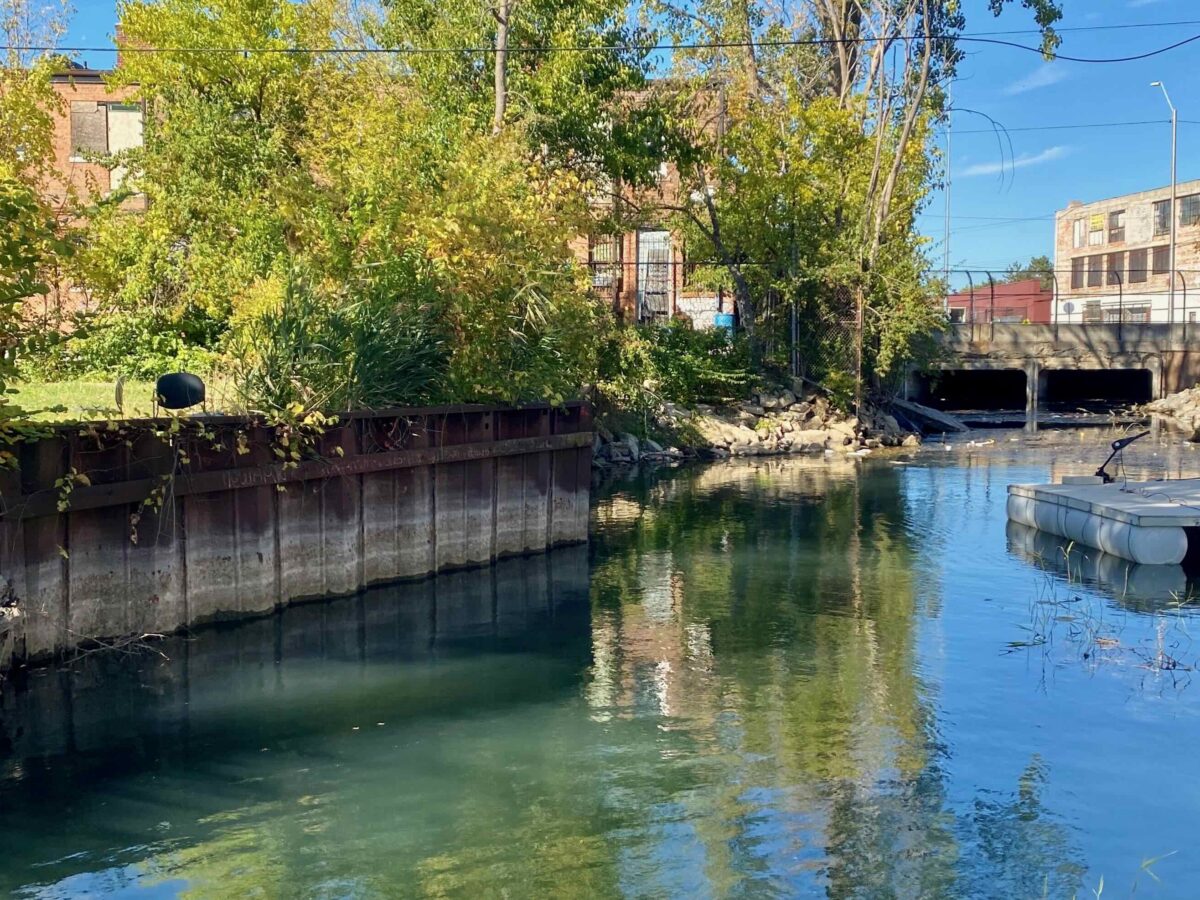
Detroit launches $1 million sea wall repair program for flood-weary Jefferson Chalmers

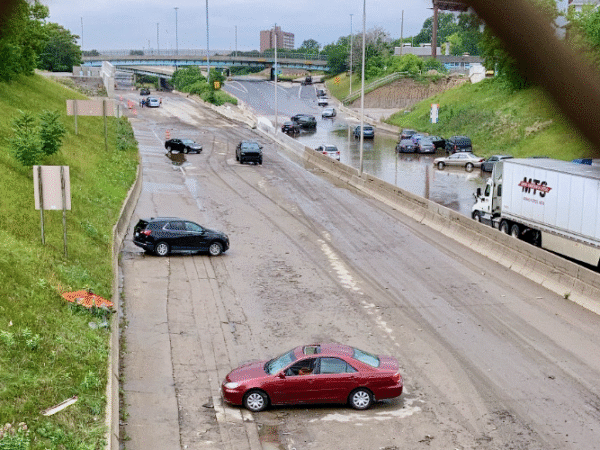
Repeat flooding is creating public health crisis in Detroit: ‘Long-term trauma’
GUIDE: How Detroiters can prepare for flooding
Recognizing that community needs continue to evolve, visitors are encouraged to provide feedback through an online survey to help identify missing resources, suggest improvements, and inform future updates. In this way, the Hub is intended to function as a living resource that evolves alongside community needs.
Expanding the Clinic’s impact
The development of the Hub illustrates how the Clinic translates community partnerships, student research, and university resources into tangible tools for Detroit residents. Since its founding in 2021, the Clinic has supported 85 students, engaged 15 affiliated faculty members, and completed more than 20 projects in partnership with nonprofits, community-based organizations, government agencies, city departments, private-sector partners, and research institutions.
Building on the impact of projects like the Hub, The Kresge Foundation has renewed its support of the Clinic with a $900,000 investment to advance the next phase of the Clinic’s community-driven sustainability and resilience work across Detroit.
Together, the Hub and Kresge’s renewed investment represent a full-circle moment for a partnership that began in the aftermath of the 2021 floods. Five years later, early community-driven research has helped inform a resource that residents can use today, while renewed support from Kresge will help expand the Clinic’s sustainability and resilience work in the years ahead.
As flooding risks continue to grow across Detroit, residents, neighborhood organizations, and community leaders now have access to a new resource for navigating the challenges ahead. Through community feedback and continued collaboration, the Hub will continue to evolve alongside Detroit’s resilience needs, ensuring residents have access to the information and resources they need to adapt to a changing climate.