

Overview:
- Michigan's cyclosporiasis outbreak grows to 7,664 cases with 160 hospitalizations.
- More than 1.5 million children nationwide likely lost SNAP benefits after eligibility rule changes.
- Michigan AG Dana Nessel drops support for Consumers Energy's $1 dam sale, citing inadequate protection for ratepayers from failure or bankruptcy risks.
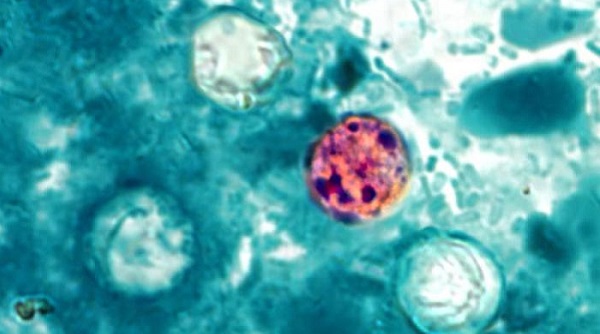
➡️ Michigan cyclosporiasis cases surge past 7,600, hospitalizations climb Michigan’s cyclosporiasis outbreak has grown to 7,664 cases as of Thursday, up 493 from the previous day, with 160 hospitalizations reported. The outbreak, first identified in Monroe County in late June, has spread to nearly every county, with Wayne, Ingham, Oakland, Monroe, and Washtenaw hit hardest. The CDC is investigating alongside the FDA and state officials. Lettuce remains a suspected source after Taylor Farms testing produced a false positive, keeping the investigation open. HHS Secretary Robert F. Kennedy Jr. called the outbreak “under control” this week. 📌 Source: CBS Detroit
➡️ SNAP cuts hit children hardest, think tank analysis shows More than 4 million people nationwide were dropped from SNAP between July 2025 and March, following passage of the One Big Beautiful Bill, which tightened eligibility rules, according to an analysis from the Center on Budget and Policy Priorities. Arizona saw the sharpest decline, with over 450,000 people losing benefits as enrollment fell by half. Across 17 states with available data, roughly 1 million children lost SNAP benefits, with the report estimating the nationwide total likely exceeds 1.5 million children. 📌 Source: The Washington Post
➡️ $800K pilot project targets Lake St. Clair’s muck problem Macomb County is launching a three-year, $800,000 pilot project this fall to remove M. wollei algae muck from three Lake St. Clair shorelines in Harrison Township and St. Clair Shores. The sites were chosen for their limited wave action, and two contractors will test removal techniques starting in September, pending permits. State Sen. Kevin Hertel called the muck a major disruption to residents and businesses. Macomb County Public Works Commissioner Candice Miller said the project is a first step, not a complete solution. 📌 Source: WDIV-TV
➡️ Nessel pulls support for $1 Consumers Energy dam sale Michigan Attorney General Dana Nessel reversed her conditional support for Consumers Energy’s plan to sell 13 hydroelectric dams to Confluence Hydro for $1 each, saying the utility refused to accept conditions protecting customers from risks like dam failure or bankruptcy. The reversal follows an administrative law judge’s finding that the sale wasn’t in ratepayers’ best interest, and Consumers’ offer of a $275-million safety fund, which Nessel called inadequate. Consumers Energy said it’s disappointed and maintains the sale benefits customers. 📌 Source: Michigan Public
➡️ Wildfire smoke cost Michigan over $4 billion: Economist Canadian wildfire smoke cost Michigan more than $4 billion, according to The Anderson Economic Group. Economist Patrick Anderson said losses spanned agriculture, tourism, manufacturing, transport, and retail during days of air quality alerts. The smoke forced dozens of Mid-Michigan events to be postponed, according to the Lansing Regional Chamber of Commerce. Anderson noted the $4-billion figure reflects only direct income loss, with health costs and potential reputational damage still to come. 📌 Source: WILX-TV
➡️ Man hospitalized after rattlesnake bite in Oakland County A 41-year-old Novi man was hospitalized after being bitten by an Eastern massasauga rattlesnake, Michigan’s only venomous snake, at Proud Lake Recreation Area in Commerce Township. He was taken to an Ann Arbor hospital for anti-venom treatment. The Commerce Township Fire Department called such bites rare but not unheard of and urged caution in parks and wetlands. Oakland County has the most massasauga sightings statewide, though the threatened species typically avoids humans and prefers hunting mice. 📌 Source: The Detroit News
➡️ As lead standards tighten, experts urge residents to filter now Michigan is working to meet a new federal lead action level of 10 ppb in drinking water by November 2027, down from the current 15 ppb; the state already lowered its own standard to 12 ppb in 2025. Officials say the goal is removing lead sources at the root, since lead often leaches from old pipes and fixtures. Experts note utility notifications aren’t always clear, but certified lead-reducing filters—pitcher, faucet-mount, or refrigerator styles—offer residents an immediate way to reduce exposure. 📌 Source: Michigan Public
➡️ Au Sable, Manistee receive habitat restoration funds Michigan’s fiscal 2027 budget includes $2.5 million for habitat restoration in the Au Sable and Manistee rivers, requested by state Rep. Ken Borton. Funds will support streambank stabilization, sediment management, temperature monitoring, and beaver management, administered through nonprofit groups led by the Mason-Griffith Founders Chapter of Trout Unlimited. The funding comes as the DNR fisheries division faces staffing and funding constraints, with lawmakers declining Gov. Gretchen Whitmer’s proposed license fee increases that would have generated roughly $29 million annually for the department. 📌 Source: MLive
