

Overview:
- Filmmaker Shiraz Ahmed created Alive in Detroit after his uninsured mother couldn't access healthcare between losing her job and qualifying for Medicare
- The multi-year documentary project avoids clinical settings, instead filming in urban gardens, markets, and community spaces to show healthy living and resilience
- Planet Detroit is releasing short films from the project on Instagram, featuring voices from Detroit's farms, clinics, and faith organizations
Over five years, award-winning filmmaker, artist, and journalist Shiraz Ahmed has been deeply embedded in the lives of Detroiters to document the realities of navigating the American healthcare system.
His project, Alive in Detroit, is a multi-year effort that seeks to move beyond the clinical, often demoralizing, tropes typically found in healthcare reporting. Instead, Ahmed focuses on the human side of survival by capturing stories of empowerment, healthy living, and the resilience of activists, patients, and health professionals.
Born from a deeply personal experience—witnessing his own mother’s struggle to access care while uninsured—the project aims to function as more than just a documentary; it is designed to be a meeting point for patients, decision-makers, and advocates.
While the feature documentary begins its journey through the festival circuit, Ahmed is partnering with Planet Detroit to release a series of short outtakes from the project through an Instagram collaboration.
These short films provide an intimate look at the stories that didn’t make the final feature cut. Featuring voices from Detroit’s urban farms, faith organizations, and local clinics, this series explores the complexities of building healthy communities.
In this Q&A, Shiraz shares the origins of the project, his philosophy on “edutainment” as a storytelling tool, and what the future holds for this critical effort to foster advocacy and connection in Detroit.
Your mother’s heart surgery while she was uninsured — caught in that gap between losing her job and qualifying for Medicare — is what set this whole project in motion. How has carrying that personal experience through five-plus years of filmmaking changed what you set out to say with Alive in Detroit?
My mother’s experience of being uninsured, failed by public policy and ultimately unable to seek care until her need was truly dire, was foundational to my understanding of how we block people from accessing care. I was the main family member who helped her with most of these issues, and was with her when we went to the emergency room.
It was those first-hand experiences of the lack of compassion she received from a pretty cold system that informed me as I connected with people across the city. I think without those core experiences, I would have approached this more from a policy-first perspective.
What I learned is that while people’s individual circumstances regarding health and insurance can vary, most people experience a sense of alienation within our healthcare system because of how we bureaucratize and administer services.
You’ve said you wanted to avoid the negative, depressing register of many healthcare films and make something that’s almost “edutainment” — inviting rather than preachy, leaving people feeling empowered. How did you hold onto that intention over so many years, especially while filming people in genuine crisis?
Making a film about healthcare that’s not depressing is hard because the people at its core are facing real challenges. I made a decision early on to avoid hospitals and other clinical care settings because they tend to be cold and isolating.
I wanted to capture people in settings that were important to them but also conveyed ‘healthy living.’ This meant filming a lot in urban gardens and farmers markets, inside a YMCA, at a music festival downtown, and other local establishments we felt represented the city well.
For people’s individual stories, we relied on video and written diaries from our subjects, so they could talk about their circumstances in their own words, which can often be sad, but also funny and ironic at times.
These shorts came out of footage that didn’t make the feature — outtakes from interviews with free clinics, activists, Black doctors, and others. What did you find in that material that deserved its own life outside the film? Was there a person or moment you couldn’t bear to leave on the cutting-room floor?
We wanted to comprehensively discover the recent history of public health in the city, both good and bad. But a film is not an encyclopedia, and we had to really refine the stories we were touching on in the feature film so that viewers could follow along.
There are so many people doing good work in Detroit, currently and historically. The people we spoke to on the ground all had such great insights into what it’s actually like to live in the city. And the material we found in the archives really felt like it needed a home. I’m hoping that creating these additional videos and other materials will give permanence to these experiences in a way that future audiences can revisit over the years.
You came to describe Detroit as a microcosm of everything broken in American healthcare. After all the time embedded in clinics and congregations and living rooms, what surprised you most — something you didn’t expect when you first picked up the camera?
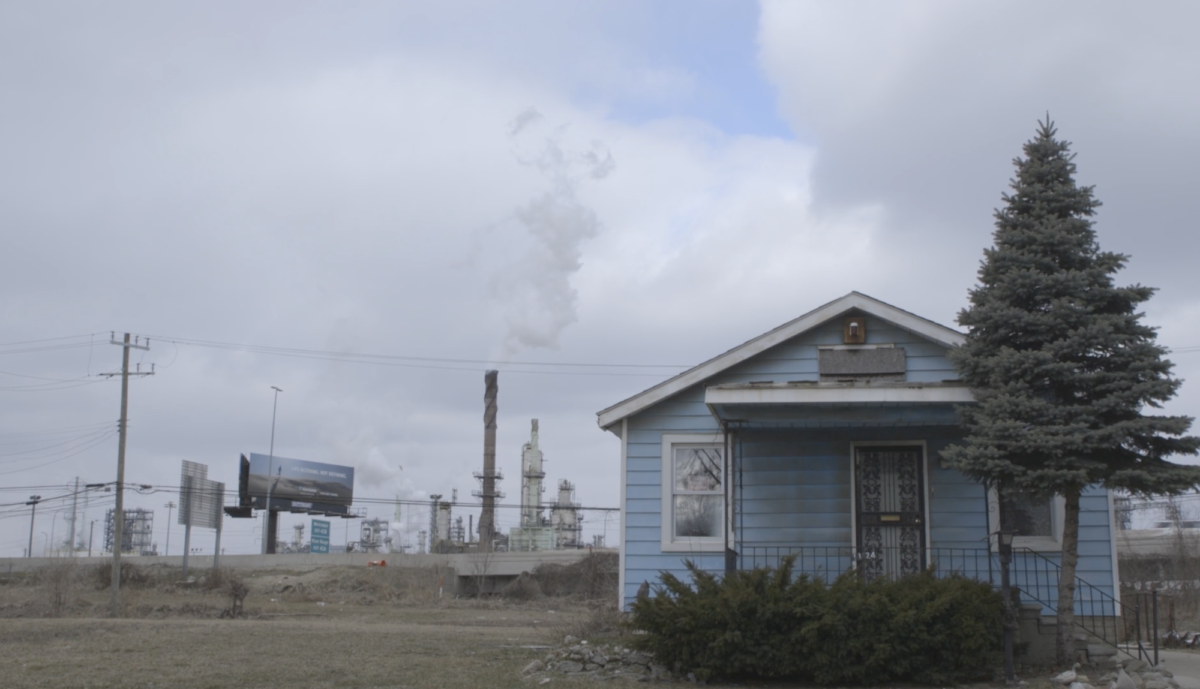
What’s unique about Detroit is the intense deindustrialization the city experienced, which led to a lack of jobs, insurance, and doctors and healthcare facilities that we see now. What I found when talking to all sorts of different people is that almost everyone faces the same basic challenges.
Whether you’re in the city or in rural areas, health services are too expensive, and it’s too difficult to see a doctor. I expected to meet resistance when talking to people about their health because it seems like such a private and personal aspect of our lives, often associated with guilt or shame. But people were surprisingly open to sharing, and I think it’s because there aren’t many places to talk about these things.
Your stated goal was always for the film to be a meeting point — screenings and panels that put patients, activists, and decision-makers in the same room. Now that the feature is finished and these shorts are out, what does success actually look like for you from here? What’s the next chapter for Alive in Detroit?
My hope is to use the film, the photography, and interviews I’ve done to make a space for people to have conversations about what advocating for healthy communities actually looks like.
The next step will be to form partnerships with faith organizations, health food leaders, and patient advocates to bring the film to unorthodox places like clinics and urban farms so audiences can connect with people doing work on the ground.
Ultimately, we need to broaden the conversation to recognize that healthy communities are built through investments in a range of areas, from food systems to clinical infrastructure to recreational areas to high-paying jobs and quality education.
Follow @planetdetroit and @alivedetroit on Instagram to view short outtakes from Ahmed’s film.