

Overview:
- DTE Energy says the impact of the July 3 storm that left hundreds of thousands without power statewide was 20 times worse than predicted, while Consumers Energy underestimated impacts fivefold.
- Michigan is investing $7.5 million to research geologic hydrogen deposits beneath the state as a potential clean energy source for heavy industry.
- Michigan approves $50 million for the Copperwood copper mine in the Upper Peninsula despite environmental and tribal opposition over water and land risks.
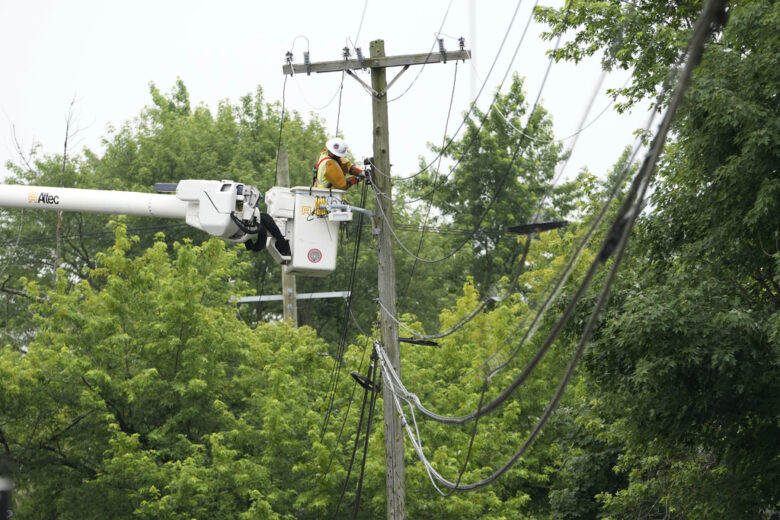
➡️ DTE, Consumers say July 3 storm severity caught them off guard DTE Energy and Consumers Energy told Michigan regulators the July 3 storm that caused widespread outages exceeded forecasts, The Detroit News reports. The impacts were roughly 20 times greater than predicted, DTE said; Consumers said its worst-case forecast underestimated actual outages fivefold. The storm killed six people and left 500,000 customers without power. Filed as part of a state investigation into utility response, the reports outline planned improvements including better forecasting technology, earlier crew staffing, and infrastructure upgrades to aging grid equipment. 📌 Source: The Detroit News
➡️ Northern lights could light up Michigan skies Friday night Michigan skies could feature strong northern lights Friday, Aug. 28, according to NOAA’s Space Weather Prediction Center, the Free Press reports. A G1 geomagnetic storm watch was issued, with the Kp index potentially exceeding 5, possibly reaching G2 storm levels. The aurora could be visible overhead in the Upper Peninsula and throughout northern Michigan, though clouds and slight rain chances may affect viewing in some areas. Dark sky locations offer the best viewing opportunities, with visibility possibly continuing into Saturday. 📌 Source: Detroit Free Press
➡️ Detroit targets 25% rental compliance within one year Detroit unveiled a five-point plan aiming to raise rental property compliance from 14% to 25% within a year, CBS Detroit reports. The initiative targets one- and two-family rentals, which make up most of the city’s roughly 81,000 rental properties. Mayor Mary Sheffield said the effort focuses on quality of life for residents. The plan includes building a master enforcement list with area-assigned inspectors, giving landlords more warning before certificates expire, and offering additional support for smaller landlords. 📌 Source: CBS Detroit
➡️ Michigan commits $7.5 million to study buried hydrogen Michigan is investing $7.5 million to research geologic hydrogen, a clean-burning fuel source potentially buried beneath the state, IPR reports. Officials say the resource could help decarbonize trucking, steel and cement manufacturing. A 2025 U.S. Geological Survey study identified Michigan as having high hydrogen potential, prompting Gov. Gretchen Whitmer to direct funding toward research. Experts note existing drilling infrastructure in northern Michigan could aid exploration, and hope state investment attracts federal support despite the Trump administration’s broader skepticism of clean energy initiatives. 📌 Source: Interlochen Public Radio
➡️ State backs copper mine despite environmental opposition Michigan’s economic development board approved $50 million for the Copperwood copper mine in the Upper Peninsula, reviving funding that stalled in 2024 amid legislative resistance, Crain’s Detroit Business reports. The money, from a separate state fund not requiring legislative approval, will reimburse developer Copperwood Resources for site preparation costs and upgrade local roads. Backers tout job creation and economic revival; opponents, including environmental groups and tribes, warned of risks to water and land near the Porcupine Mountains. Construction is expected to begin in 2028. 📌 Source: Crain’s Detroit Business
➡️ Isle Royale shuts tent sites as wolf encounters rise Isle Royale National Park is closing tent and group campsites at four campgrounds through Oct. 31 following continued reports of wolves pawing, digging at, and entering tents to drag away packs and sleeping pads, MLive reports. The closures affect 13 tent sites, eight group campsites, and surrounding off-trail zones, though 32 shelters remain open. The park’s wolf population has surged to a 50-year high following a 2018 reintroduction effort, leading to increased wolf-visitor interactions. 📌 Source: MLive
