

Overview:
- DTE Energy is seeking approval for two natural gas plants — 700 megawatts and 1,400 megawatts — in its upcoming Integrated Resource Plan filing.
- The utility says the plants are needed for reliability as other generation sources retire customer demand evolves.
- Each additional 1-gigawatt data center could necessitate a new natural gas plant, DTE CEO Joi Harris said last year.
DTE Energy will seek permission from regulators to build two natural gas plants in Michigan, the utility indicated in a Tuesday regulatory filing.
The utility included the new gas plants in the filing announcement for its forthcoming Integrated Resource Plan, a long-term plan for how the utility will meet its customers’ energy needs.
DTE will seek approval for 700-megawatt and 1,400-megawatt natural gas plants, DTE said in a filing with the Michigan Public Service Commission.
The facilities are intended to support long-term system reliability and resource adequacy, including compliance with applicable planning reserve requirements, as existing generation sources retire and customer electricity demand evolves, the filing said.
DTE President and CEO Joi Harris said during an October 2025 earnings call that a pending data center project in Saline Township would not require additional fossil fuel generation, but each additional 1-gigawatt data center could necessitate a new natural gas plant.
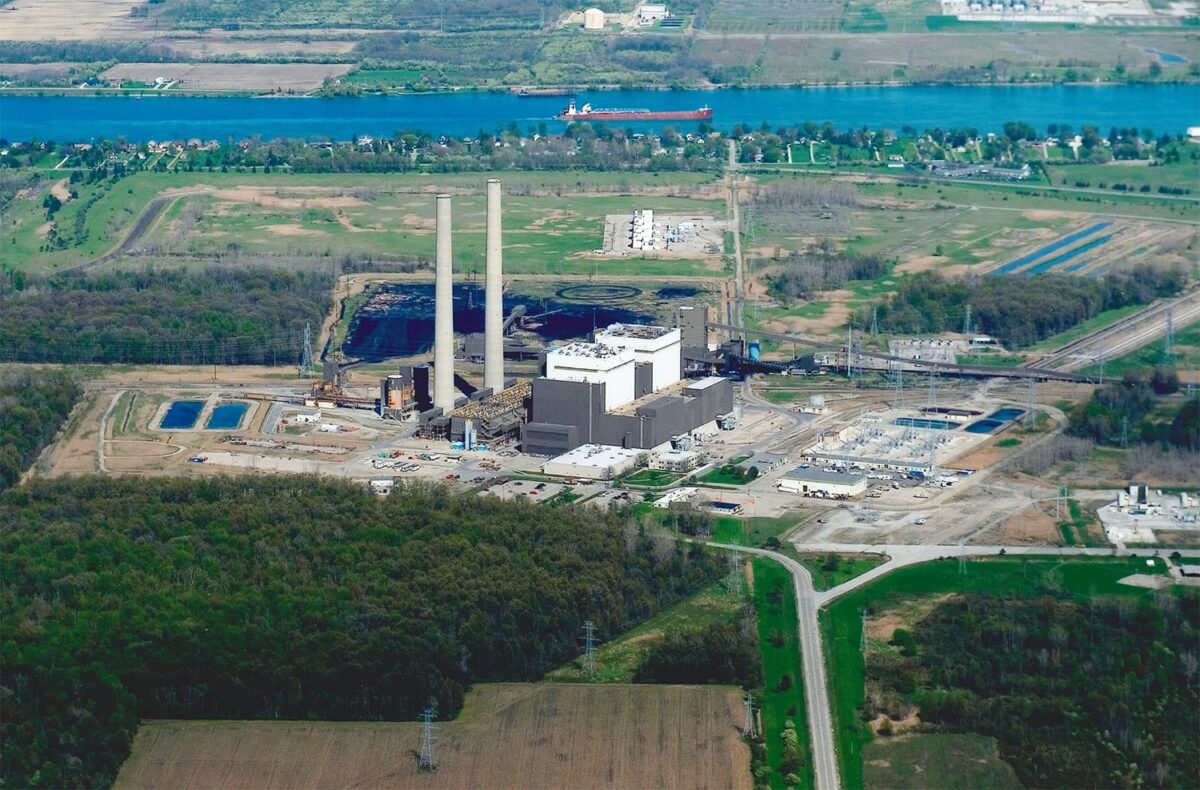
The utility is considering multiple baseload generation sources, including nuclear energy and natural gas with carbon capture and storage, to help replace its Monroe coal plant and serve new demand from data centers, spokesperson Ryan Lowry told Planet Detroit in April.
“Any additional, potential load from data centers will be met with a combination of renewables, energy storage, and 24/7 baseload generation,” he said.
Natural gas is mostly methane, a potent greenhouse gas that produces carbon dioxide when burned. Natural gas with carbon capture and storage that captures at least 90% of CO2 emissions is classified as clean energy under Michigan’s 2023 renewable energy law.
DTE said it engaged with customers, environmental justice communities, community leaders, local organizations, and technical stakeholders to develop the IRP, which it anticipates filing on or around Sept. 24.