

Overview:
- Highland Park residents protest outside a Great Lakes Water Authority meeting, alleging $1.5 million in sewer fee overcharges.
- The city says it is charged 2.065% of the region's $80 million in annual combined sewer overflow costs, while its metered share is 0.21%. GLWA says it is following 2024 agreements and a cost allocation that dates to 1999.
- Longtime resident Minnie Wicker, 95, describes the city's GLWA bills as "ridiculous" and "so unfair."
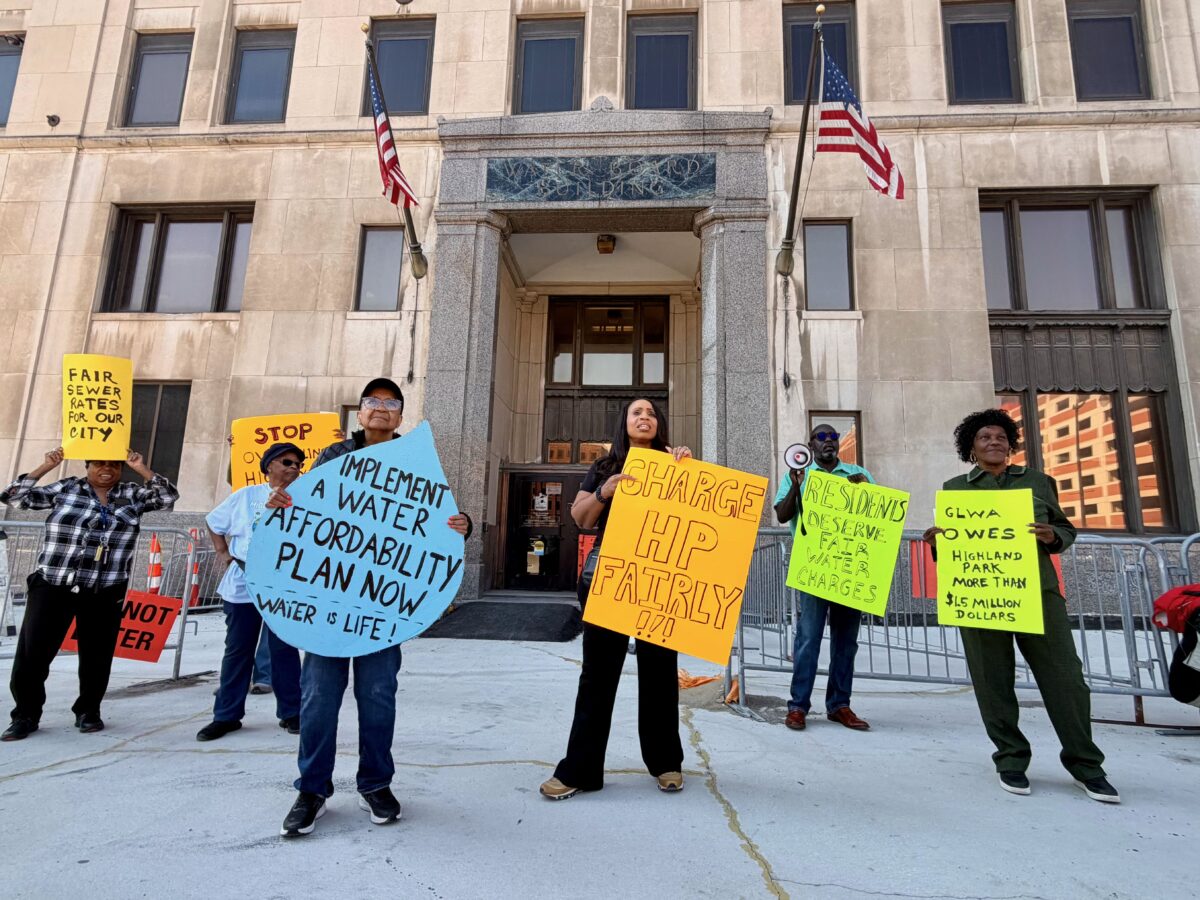
Highland Park residents brought allegations of $1.5 million in sewer fee overcharges by the Great Lakes Water Authority to the utility’s doorstep Wednesday.
🗳️ Civic Action Toolbox — see how you can get involved
Why it matters
Highland Park, a majority Black city with a 40.9% poverty rate, says it is paying 10 times its measured share of regional sewer costs billed by the Great Lakes Water Authority.
Who's making public decisions
Highland Park, the Great Lakes Water Authority, and the state of Michigan reached a settlement oflong-running litigation
Upcoming Meetings
Civic Actions: What You Can Do
- ✓Attend GLWA meetings →
The Great Lakes Water Authority Board of Directors holds a Workshop Meeting at 1 p.m. Nov. 19, 2026. - ✓Attend Highland Park City Council meetings →
What to watch for next
Watch for the next moves by Highland Park and GLWA officials over the calculation of the city's sewer costs, along with the outcome of the Nov. 3 Highland Park election.
Are you taking action? Let us know.
Powered by Civic Action Toolbox
Protestors chanted “GLWA owes Highland Park,” “stop overbilling,” and “charge us fairly” during the protest outside a GLWA meeting at the Water Board Building in downtown Detroit.
“We’re only asking them to be fair. Our citizens deserve fair treatment,” said Highland Park resident Darthanian Nichols.
The Detroit enclave of 8,248 people says it is is charged 2.065% of the region’s $80 million in annual combined sewer overflow costs, which is 10 times its actual flow, according to Highland Park’s public statements and communications with GLWA.
The city maintains its true, measured proportion of CSO volume is 0.21% of the flow in the GLWA system, and requested a $1.5-million adjustment in sewer fees for fiscal year 2026.
GLWA denies that an adjustment is needed. The authority’s lawyer said it is following the terms of a 2024 settlement agreement between the city, GLWA, and the state.
Longtime resident Minnie Wicker, 95, held a sign Wednesday that said “sewer justice for Highland Park.”
She describes the city’s GLWA bills as “ridiculous” and “so unfair.”
“It’s because Highland Park is totally Black,” Wicker said.
Highland Park’s population is 82.3% Black, according to the latest U.S. Census estimates. The city’s poverty rate is 40.9%.
GLWA bases Highland Park sewer costs on 1999 agreement
The 2024 settlement was reached to end years of litigation and included $70 million in state funding for Highland Park’s water infrastructure.
Master water and sewer meters were installed in Highland Park as part of the deal.
The meters show that “Highland Park has been overbilled for a significant amount of time,” Nichols said.
“Our seniors are on a fixed income and they need to be treated fairly. So we’re asking for transparency and accountability.”
GLWA General Counsel Phyllis Hurks said the regional water authority disagrees that an adjustment to Highland Park’s water and sewer charges in fiscal year 2026 is appropriate.
The utility is following the 2024 agreements, including a CSO cost allocation that originated in a 1999 rate settlement agreement, Hurks said in an Oct. 15 statement to Planet Detroit.
Highland Park’s population has fallen by half since the agreement: 16,746 people lived in the city in 2000, according to U.S. Census data.
The 1999 allocation is based on population data and impervious area, according to city documents. Highland Park is requesting that GLWA base the city’s CSO costs on metered wet weather sewer volumes.
Hurks said GLWA formed a CSO Cost Pool Task Force to conduct a technical review in response to Highland Park’s request to review the CSO cost methodology.
After a series of meetings from March through July of this year, the task force failed to agree on a new cost allocation, she said.
“Despite extensive discussions with Highland Park, these issues remain unresolved. Highland Park and GLWA agreed to arbitrate their disputes, and we look forward to timely, efficient, and final resolution of these issues in the proper legal forum.”
Highland Park candidates join GLWA protest
Shamayim “Mama Shu” Harris, who’s running against incumbent Mayor Glenda McDonald in the Nov. 3 election, said Highland Park’s water and sewer charges are a matter of putting citizens first who have a right to fair water charges.
“They’re dissatisfied. They’ve been dissatisfied for a while,” she said.
Doris Harris, one of four candidates for two at-large city council seats, said Highland Park has proof it is owed $1.5 million.
“Now the meters are registered. We are overcharged, and now we’re asking for the money, the adjustment,” she said.
At-large council candidate Robert D. Lodge Jr. said senior citizens on fixed incomes should not have to choose between paying their water bill and paying for medication.
Melinda Jones, who is also running for an at-large council seat, said “to be perfectly honest, I don’t think it is,” when asked whether the GLWA bill is an issue in the election.
“The whole issue of us getting paid is out of any political person’s control,” she said, adding that most of the candidates would advocate for a refund from GLWA regardless of whether they were running for office.
“We all live here.”
MORE HIGHLAND PARK COVERAGE

Highland Park’s water director finds purpose serving a community that looks like him
Damon Garrett, one of few licensed Black engineers in Michigan, has spent a decade directing Highland Park’s Water Department through infrastructure challenges and a historic water line replacement project.

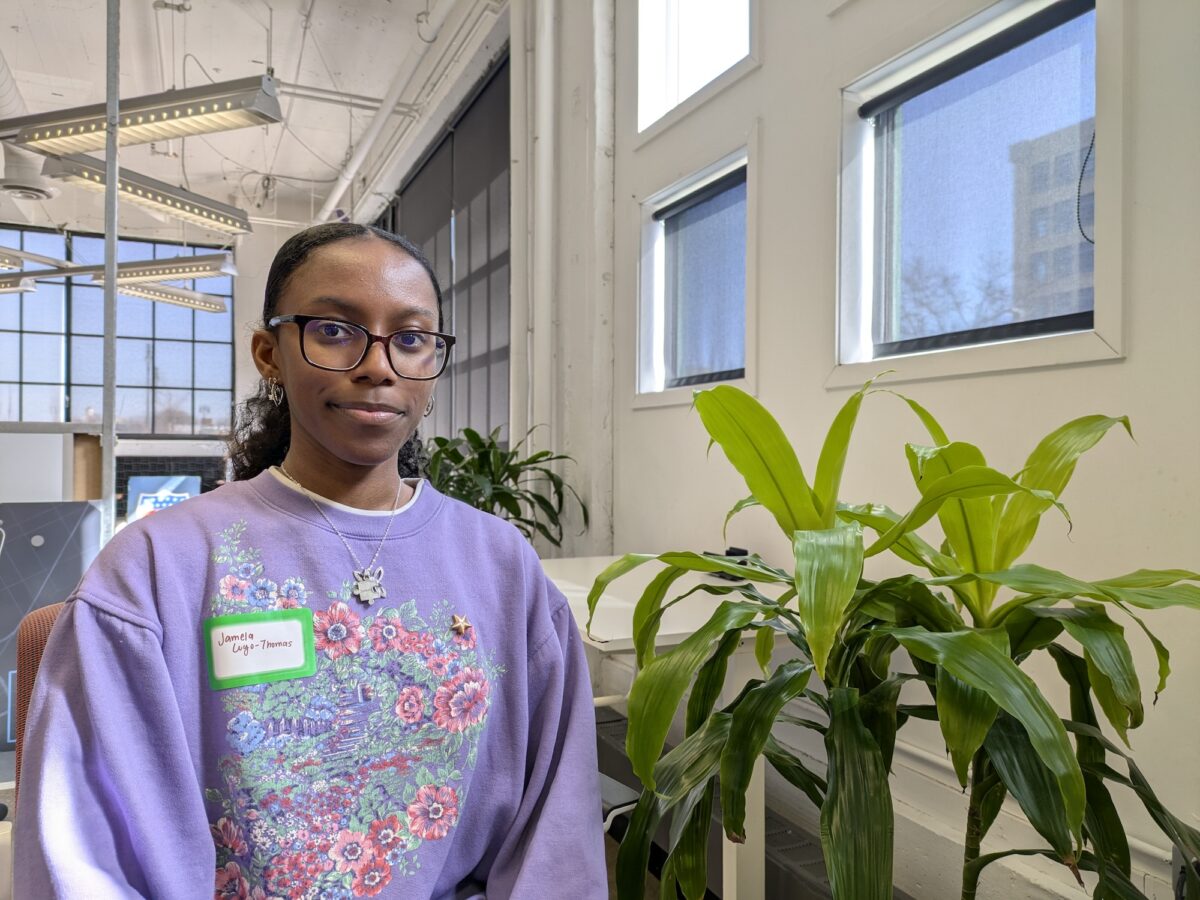
Highland Park resident and filmmaker Jamela Lugo-Thomas inspired by city’s water crisis
The College of Creative Studies grad combines lived experience with film to shine a light on issues of clean water access as part of Planet Detroit’s Neighborhood Reporting Lab.

Highland Park residents face boil water advisories as city replaces century-old pipes
Highland Park resident Runae Ford said the latest boil water advisory couldn’t have come at a worse time: the end of the month. “At least do something about our water bill,” she says. “We’re paying for something we cannot use.”

