

Overview:
- The EPA is providing $6.5 million and Michigan is adding $3.5 million to clean up contaminated sediment and restore habitat along the Detroit River.
- The river still contains roughly 3.5 million cubic yards of toxic sediment with high levels of bacteria, PCBs, metals, oil, and grease from Detroit's industrial past.
- Work will focus on Upper Trenton Harbor and other sites along the 700-acre Detroit River Area of Concern.
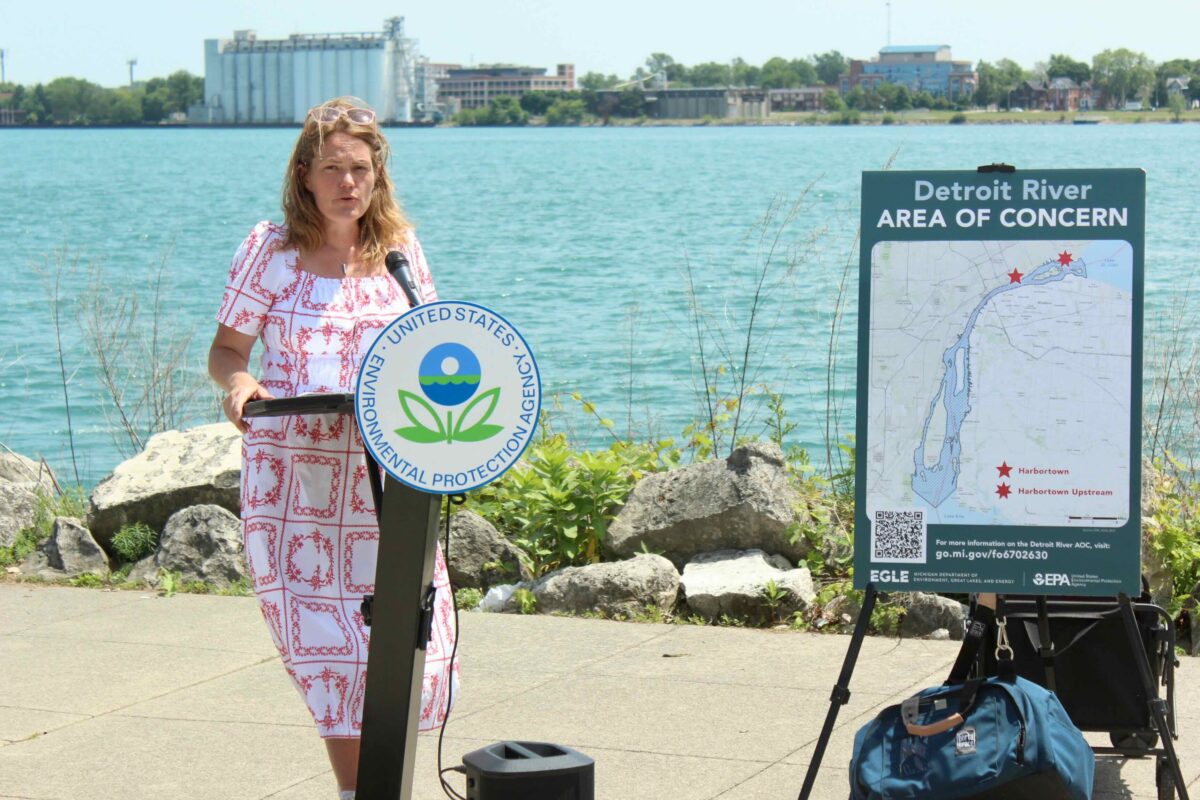
At the announcement of a $10-million partnership Monday to support ongoing Detroit River restoration efforts, Michigan’s top environmental regulator said the waterway has gone from being a liability for the city to an asset.
🗳️ Civic Action Toolbox
Why it matters
The ongoing cleanup of the Detroit River will remove decades of industrial contamination, improving water quality and wildlife habitat along the river that forms an international boundary.
Who's making public decisions
The Environmental Protection Agency and Michigan’s Department of Environment, Great Lakes, and Energy are cooperating on the Detroit River cleanup, with input from the Detroit River Public Advisory Council and the Detroit Sediment Remediation Collaborative.
Civic Actions: What You Can Do
Organizations to Follow
What to watch for next
Further funding announcements for Detroit River restoration work, which the EPA has estimated will cost $1 billion to complete.
Are you taking action? Let us know.
Civic resources compiled by Planet Detroit
The Environmental Protection Agency is providing $6.5 million, and Michigan is adding $3.5 million in matching funds, for work to clean up sediment contamination, restore critical habitat, and reconnect communities to the river in areas including Trenton Harbor and the shoreline near Detroit’s Harbortown.
“It’s gone from being something that was seen as a bit of a negative thing for the city, into a tremendous asset and something that brings us all together,” said Phil Roos, director of the Michigan Department of Environment, Great Lakes, and Energy (EGLE).
The scope of Detroit River contamination
The EPA estimated the cost of completing the Detroit River cleanup at $1 billion last year.
The Detroit River is still home to roughly 3.5 million cubic yards of toxic sediment from Detroit’s industrial heyday, when the river was a dumping ground.
The contaminants include high levels of bacteria, PCBs, metals, oil, and grease, according to the EPA.
The funding will help to develop plans and get the project “shovel-ready” while officials work on securing additional funding from industry and philanthropic partners, Roos said, speaking at William G. Milliken State Park and Harbor in Detroit’s Rivertown.
“None of us can do this on our own. It’s a lot of money, and a lot of effort and thoughtfulness.”
EGLE and the EPA have worked since 2012 to identify contaminated sites throughout the Detroit River Area of Concern, a designation added in 1987. The EPA’s Great Lakes Restoration Initiative supports the ongoing river cleanup.
Sediment remediation is the last major component of the Detroit River restoration, according to the environmental agencies.
The 700-acre area of concern extends the length of the river, from Lake St. Clair to Lake Erie.
The Detroit River flows through Grosse Pointe Park, Detroit, River Rouge, Ecorse, Wyandotte, Riverview, Trenton, Grosse Ile, Gibraltar, and Brownstown Township, as well as the communities along the Canadian shoreline.
Detroit River ‘well into its recovery’
The project will focus on contaminated sediments, beginning with the Upper Trenton Harbor, said Anne Vogel, regional EPA administrator.
Contaminated soil dredged from the Upper Trenton Harbor will be barged to the Pointe Mouillee Confined Disposal Facility in Rockwood, Vogel said.
The Pointe Mouillee facility, located on a small island at the mouth of the Huron River, is expected to run out of space in four years, according to a September 2025 Detroit News report.
Work at Trenton Harbor will likely continue through next year, Vogel said.
“What I’m excited about with the cooperative agreement is that it streamlines the rest of this work, because we’ve been at this for a few decades, so it doesn’t need to take that long,” she said.
“We know what to do. We have the partners.”
Robert Burns is the Friends of the Detroit River’s riverkeeper and vice president of the Detroit River Public Advisory Council.
The collaboration announced Monday marks a significant step toward addressing the river’s contaminated sediment issues, he said.
“I was old enough in the mid-1960s to remember when the river was at its worst, but have also been fortunate to live long enough into the present to see it well into its recovery,” Burns said.
DETROIT RIVER STORIES
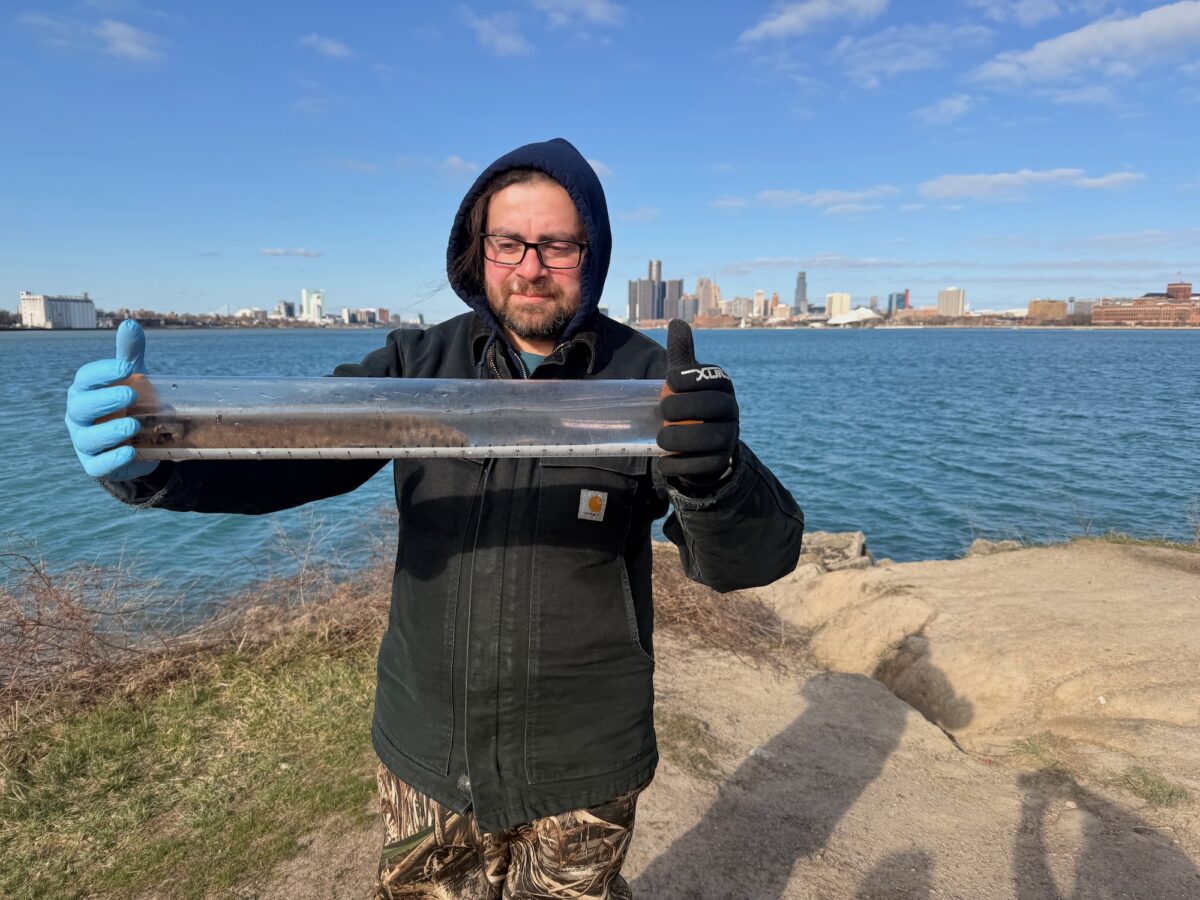
Meet the salamanders keeping watch over the Detroit River
For 15 years, Detroit Zoological Society researchers have monitored mudpuppies on Belle Isle — fully aquatic salamanders whose health reveals the condition of the Detroit River ecosystem. It’s part of a larger conservation program led by DZS that keeps tabs on threatened and special concern species across the Great Lakes Ecosystem.

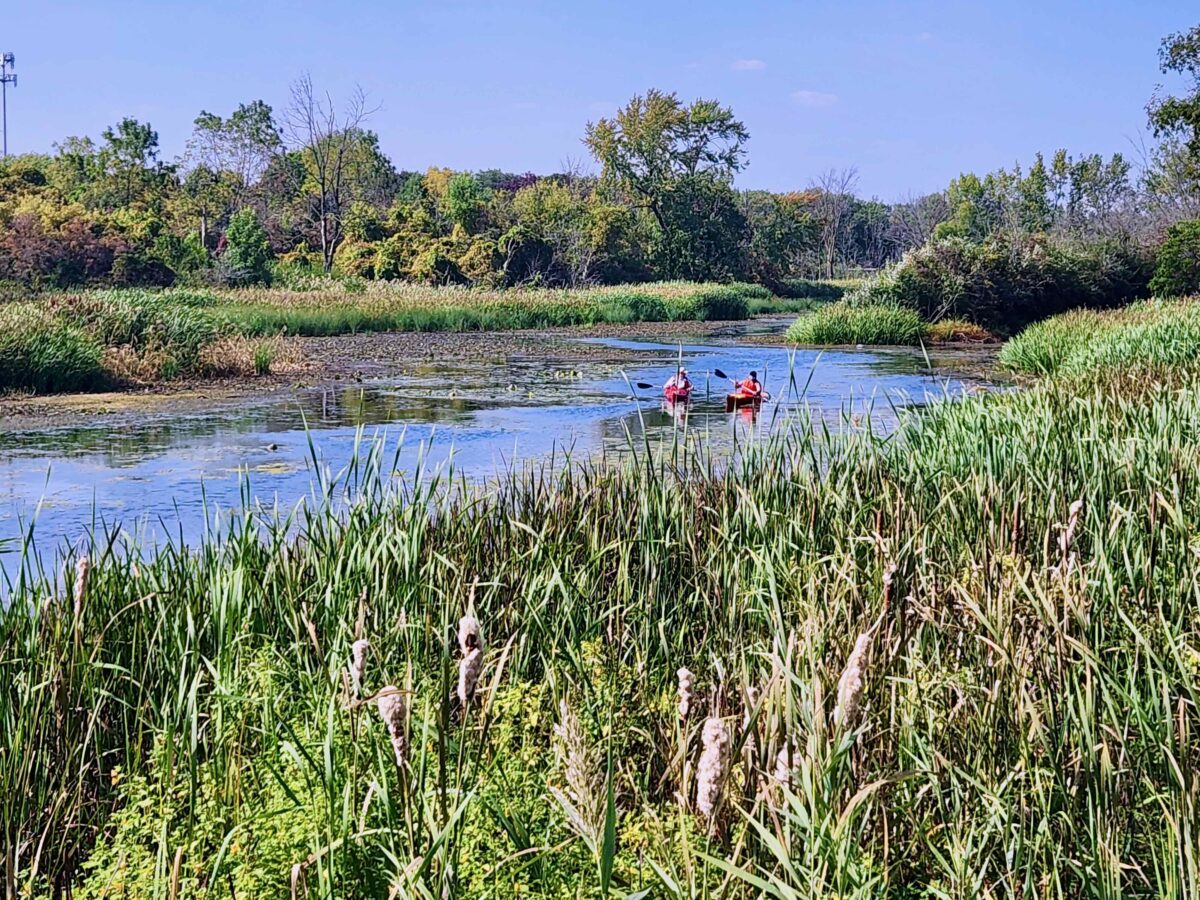
Historic wild rice restoration underway in the Detroit River: ‘Living tribute to the First Nations’
The Nottawaseppi Huron Band of the Potawatomi is working with conservation partners to restore wild rice in Detroit River wetlands, bringing back a sacred grain that disappeared over a century ago.

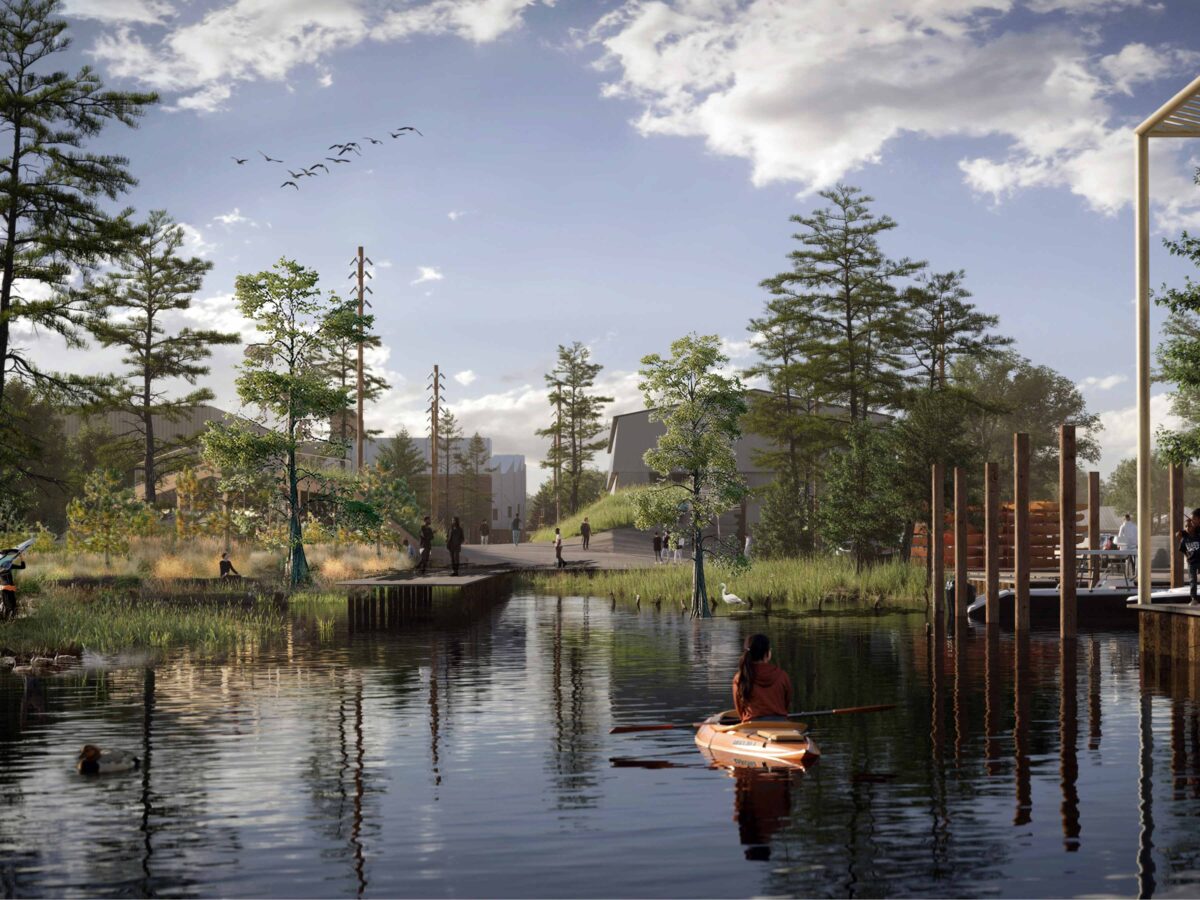
Stanton Yards development merges art, nature on Detroit River, envisions ‘thriving new community destination’
A waterfront extension of Detroit’s Little Village cultural development is planned as a 13-acre public gathering place.