

Overview:
- Transportation is the second-highest household expense after housing, with vehicle ownership costs rising over 40% since 2020, writes U.S. Rep. Rashida Tlaib.
- Low-income households could save $478 monthly by switching from driving to public transit, but federal policy spends $6 on highways for every $1 on transit.
- A pending Congressional transportation bill would increase highway funding while cutting guaranteed public transit funding, threatening affordability for Michigan families.
Michigan put America on wheels. For generations, the auto industry powered our economy, supporting good-paying, union jobs and helping define who we are as a state.
As the daughter of a UAW worker, I’ve seen it firsthand. Cars will always be an important part of life here. But as gas prices continue to rise and the overall cost of living climbs higher, it has become impossible to ignore a growing reality for millions of Michiganders: transportation is becoming unaffordable.
For many families, the pain goes far beyond the gas pump. The cost of auto insurance in Michigan remains among the highest in the country, and our drivers continue to be victimized by the use of non-driving factors to hike rates.
From the use of credit scores or education levels to set prices, discriminatory practices in the auto industry are out of control. Car payments have skyrocketed. Repairs are more expensive. Even routine maintenance can throw a household budget into crisis. At a time when families are already struggling with housing costs, grocery prices and health insurance premiums, transportation has become one more financial burden weighing people down.
That is why now is the time to make serious investments in fast, reliable, and free public transit.
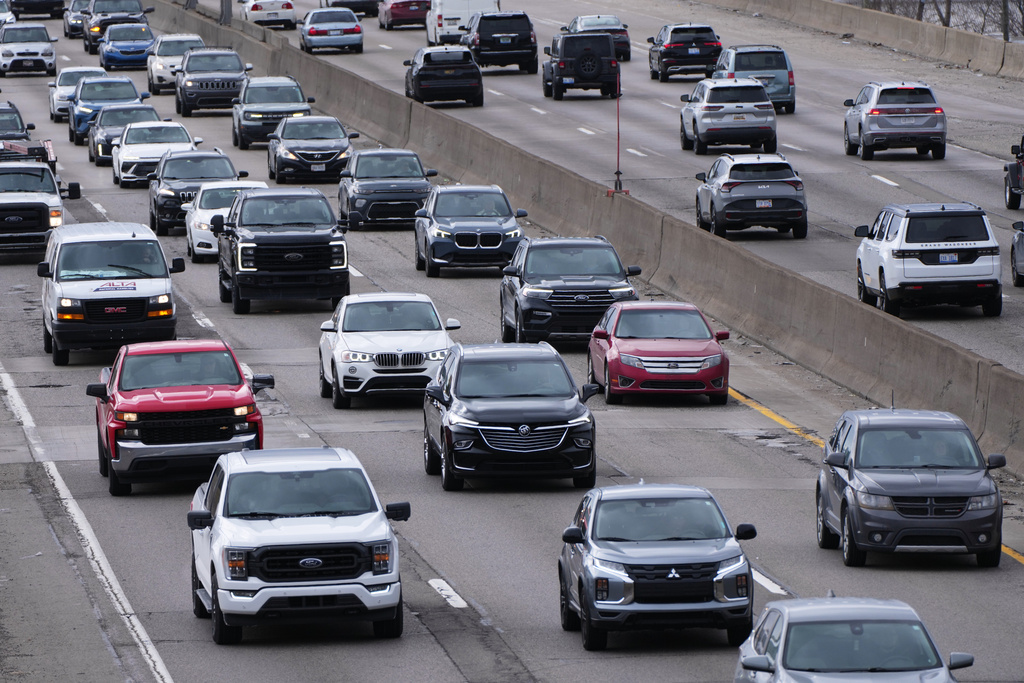
Right now, too many Metro Detroiters have no choice but to drive everywhere, no matter the cost. If your car breaks down, your ability to get to work, school, a doctor’s appointment, or even the grocery store can disappear overnight. In much of our region, there simply is no dependable alternative.
Reliable buses, rapid transit routes, and expanded regional connections would give families flexibility at a time when every dollar matters. Even for households that still rely primarily on cars, better transit can reduce the number of trips they need to make, lower wear and tear on vehicles, and save money on fuel and maintenance.
The lowest-income households with a car would save $478 each month by switching from driving to transit, according to a recent report from the Climate and Community Institute.
And yet, at the very moment Americans are demanding relief from rising transportation costs, Congress is debating a transportation bill that largely doubles down on the status quo.
The proposal, as it stands, increases guaranteed funding for highways while cutting guaranteed funding for public transit. That is exactly backwards. It would be a significant setback for cities, towns, and communities across Michigan and the country — limiting families’ freedom to choose how they get around, while harming the millions of Americans who rely on public transportation every day.
For most households, transportation is the second-highest expense after housing. The cost of driving continues to climb, with the total cost of owning a vehicle rising over 40% since 2020. And yet, federal transportation policy has long prioritized highways over transit, spending roughly $6 on highways for every $1 invested in public transportation. The result is a system where too many people are effectively required to own a car simply to participate in daily life.
Frequent, reliable public transit — combined with safer infrastructure for walking and biking — gives families flexibility. It gives workers a dependable way to get to jobs. It allows seniors and young people greater independence. And it gives households the ability to save money in a time of enormous financial pressure.
Michigan, especially Metro Detroit, understands the consequences of inadequate transit better than most places in America. Entire communities remain disconnected from jobs, health care, and opportunity because reliable regional transportation simply does not exist at the scale people need.
It doesn’t have to be this way. But Congress needs to make a U-turn and invest in fast and reliable transit.
Investing in public transit also means investing in safer streets, cleaner air, and healthier communities. Better transit systems are often paired with improved sidewalks, safer crosswalks, traffic calming, and walkable neighborhoods that reduce pedestrian injuries and fatalities. Reduced congestion and emissions improve air quality and public health while helping address the growing impacts of climate change.
High gas prices are exposing just how financially vulnerable families become when they have too few transportation choices. Congress should respond by making transportation more affordable, not by deepening the same highway-heavy policies that created this problem in the first place.
For Michigan families struggling to make ends meet, investing in fast, reliable, and free public transit is not some luxury or ideological project. It is an investment in affordability, economic opportunity, and freedom.
Planet Detroit’s Voices column includes opinion pieces from our community of partners and readers. These pieces express the voices of the authors and not necessarily those of the publication.
MORE FROM PLANET DETROIT

25 years of fighting for Detroit transit: A conversation with TRU’s Megan Owens
After 25 years of fighting highway expansions, surviving a near-death bankruptcy crisis, and losing a regional transit millage by less than 1%, Transportation Riders United is gearing up for its next big battles: a Wayne County transit vote next summer and, eventually, a second shot at regional funding.

Q&A: How transportation insecurity erodes Detroiters’ physical and mental health
Alexandra Murphy noticed that transportation research followed a distinct pattern. Engineers and urban planners would examine the man-made elements of a city—buildings, roads, bridges, parks, buses or trains—with a focus on neighborhoods or census tracts. But another “profound” problem remained largely understudied, Murphy said, even among poverty researchers. People who can’t afford to buy and…

Broken cars and fragmented public transit detour Detroit patients’ care plans
Without access to a car, transportation alternatives can be unaffordable or inconvenient.