
Overview:
- The Detroit Zoo's $49 million Erb Discovery Trails earned SITES Gold certification, the first such recognition for sustainable landscape design in Detroit
- The seven-acre trail complex uses native plants, manages stormwater naturally, and diverted construction waste from landfills while supporting local biodiversity
- The project marks the 100th SITES version 2 certified landscape worldwide and is only the third in Michigan

The mission of the Detroit Zoological Society is to create meaningful connections between people, animals and the natural world so all can thrive.
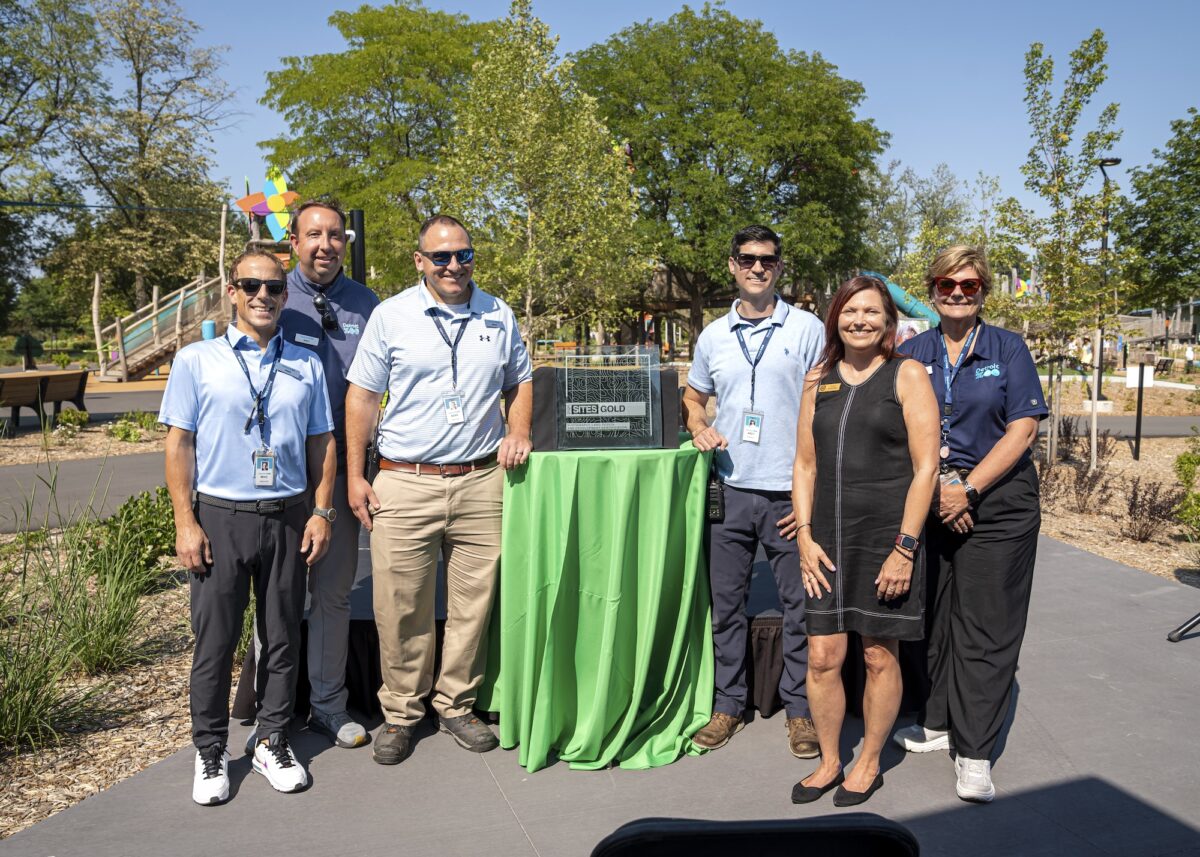
The Fred and Barbara Erb Discovery Trails has earned Gold certification under the Sustainable SITES® Initiative, a rating system for sustainable landscapes. It is the first SITES-certified project in Detroit and only the third in Michigan.
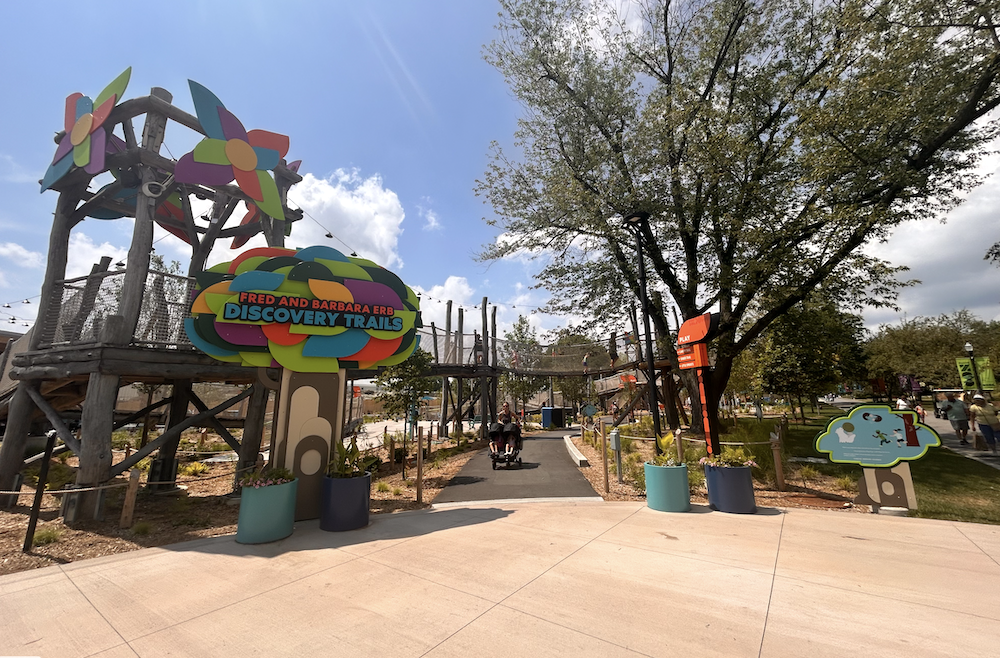
The seven-acre trail complex, which opened Memorial Day weekend 2026, is the largest capital project in the Zoo’s history. The $49 million project was funded by the state of Michigan, the city of Detroit, Oakland County, the federal government and private donors, anchored by a $6 million gift from the Fred and Barbara Erb Family Foundation and $3 million from Aaron and Carolynn Frankel..
The trails exceeded the SITES Gold threshold across all 10 rating categories. The project also marks the 100th SITES version 2 certified project worldwide, according to the U.S. Green Building Council, which administers the rating system.
SITES functions as the landscape equivalent of LEED, the well-known green building certification. While LEED evaluates buildings, SITES evaluates everything outside them, from the foundation out, assessing how land can perform for people, wildlife and the environment.
The certification reflects decisions made across the project’s design and construction. The Treetop Crossing and Canopy Trail structures use sourced black locust wood, chosen for its durability and lower environmental impact.
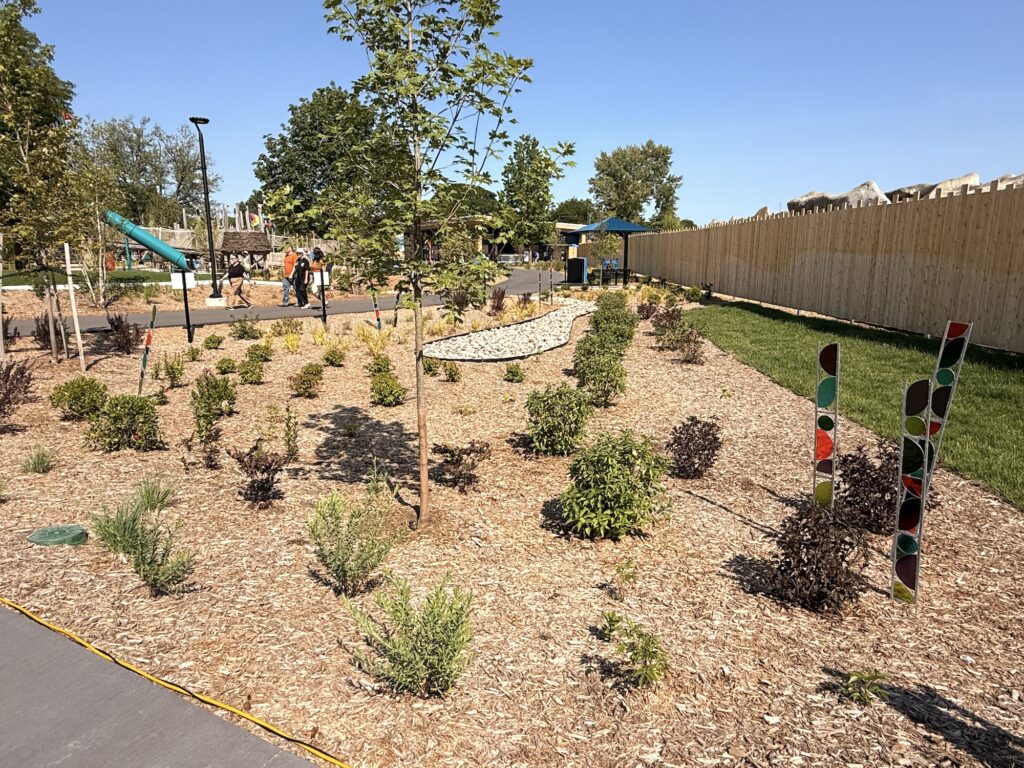
Native and adaptive plants were selected to support biodiversity and provide ecosystem services like pollination and habitat creation. Stormwater is managed naturally on site before it reaches local waterways. Construction waste was diverted from landfills, and the project includes a long-term maintenance and stewardship plan.
Most visitors won’t notice any of that, which is the point.
“That’s exactly what impactful sustainable design should do, to quietly perform in the background while you get to experience this extraordinary environment,” said Amanda Brookes, a sustainability consultant with Catalyst Partners who guided the certification process. “Sustainability is not something that you tack on at the end of a project. It has to be part of the experience from the very beginning.”
Sheri Brezinka, a regional director for the U.S. Green Building Council, said the achievement reflects broader leadership within the zoological community.
“SITES recognizes that landscapes, outdoor spaces and infrastructure are critical parts of the built environment and can be designed to deliver meaningful environmental, social and economic benefits,” she said.
“This is a huge milestone,” said Andy McDowell, director of sustainability and systems planning and a SITES Accredited Professional; who championed the certification effort. “But to me, this is about setting a new standard. Our greatest achievement is really going to be building from this.”
McDowell credited senior construction project manager Sean Tharpe with bringing the SITES framework to the project team and advocating for certification when the trails were still in planning. The project had been in development for roughly seven years before construction wrapped.
The Zoo, which draws about 1.3 million visitors annually, sees the certification as a way to embed sustainability education into the visitor experience. CEO Dr. Hayley Murphy said the site gives the Zoo the chance to “amplify our messaging in a way that’s fun and engaging and exciting for people of all ages.”
Catalyst Partners served as the project’s sustainability consultant. The team contributing to the certification included Jones & Jones Landscape Architects, Spalding DeDecker, GH Forbes Associates, Working Studios, Higley Construction, Eagle Excavating, and Heritage Landscaping.