

Overview:
- The University of Michigan is moving ahead with property along with Huron River for its new computing center.
- Ypsilanti Township officials vow to continue to fight the project, saying they do not want it.
- The project, funded with $100 million in taxpayer money, is a partnership with Los Alamos National Laboratory, which performs national security research.
by Paula Gardner, Bridge Michigan
August 11, 2026
This story was originally published by Bridge Michigan, a nonprofit and nonpartisan news organization. To get regular coverage from Bridge Michigan, sign up for a free Bridge Michigan newsletter here.
The University of Michigan affirmed Tuesday it plans to build a $1.2 billion data center on 144 acres it purchased last year next to the Huron River in far eastern Washtenaw County, over local objections.
The location on Textile Road allows a “world-class research facility” to serve the university and Los Alamos National Laboratory’s national security research in a buildable location near power and water, U-M said.
Moving ahead with the facility “will give scientists the computing power needed to solve the world’s most complex challenges,” the university added.
“The facility will give Michigan scientists access to computing power that will help position the state as a national leader in research, artificial intelligence and scientific and biomedical innovation,” U-M said in a statement.
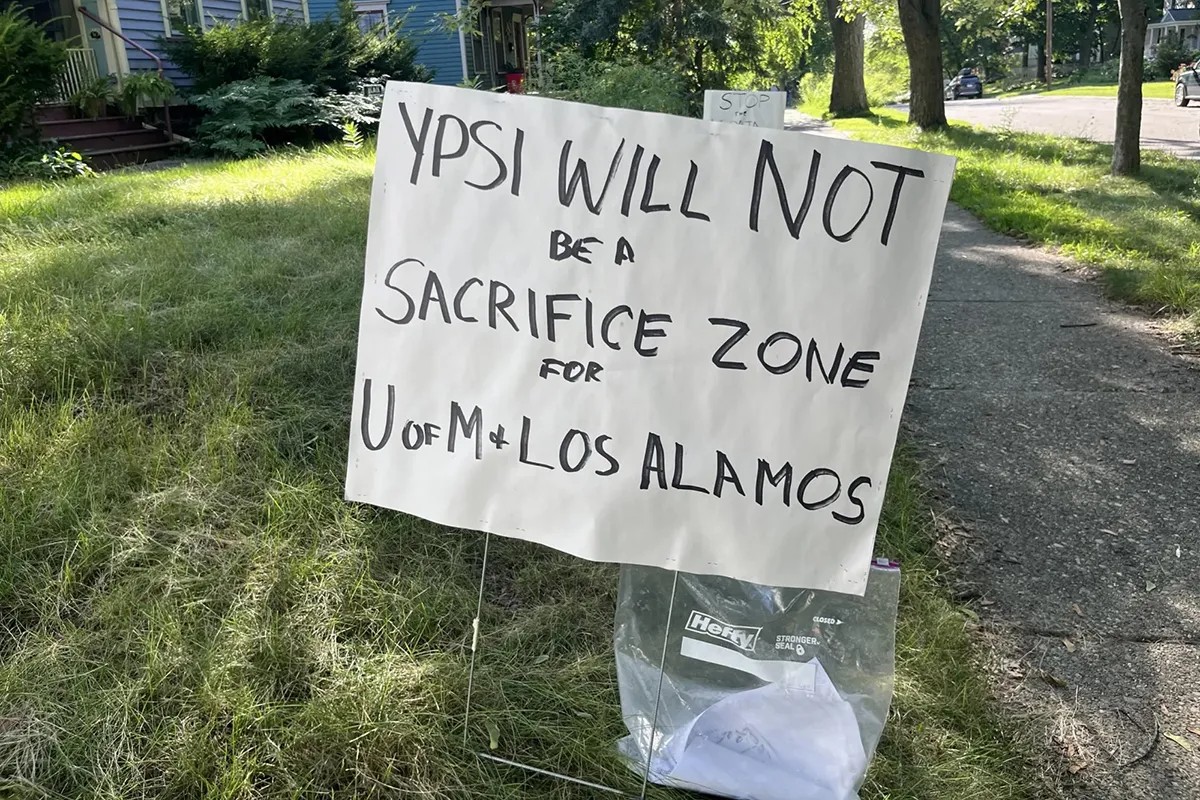
The news was a crushing blow to Ypsilanti Township officials, who have spent the last year mobilizing against the project.
“We’re going to fight,” township attorney Doug Winters told Bridge Michigan.
Township Supervisor Brenda Stumbo called the announcement a “call to action.”
“It’s offensive, disgusting and gross to our community,” she told Bridge.
U-M plans a community town hall meeting in the township Sept. 9 about the project.
Stumbo and others are upset that the Ann Arbor facility is building the project outside the city, in one of Washtenaw County’s poorer communities. The township of 54,000 has a per-capita income of $36,000, compared to $53,000 countywide.
Their objections last year prompted U-M to consider other sites — including state-owned land next to the American Center for Mobility in the township — but it ultimately affirmed the Textile Road location.
The project was unveiled in December 2024 as the state approved a $100 million grant for it. The deal had not been finalized by the start of this budget year on Oct. 1, according to the Michigan Economic Development Corp.
U-M is labeling the project a computing center to distinguish it from hyperscale data centers that are creating controversies statewide. Roughly two dozen are proposed after the state passed a sales and use tax exemption last year.
One of the largest projects in the nation is about 15 miles southwest of Ypsilanti Township in Saline Township, where the $43 billion joint project by tech giants Oracle and OpenAI is under construction.
Ypsilanti Township has pushed U-M on its plans since last summer, passing resolutions against it and encouraging a year-long pause on data center project approvals through the Ypsilanti Community Utilities Authority.
While aspects of the project are classified, U-M and federal officials say the project could create 200 jobs that pay an average of $200,000 per year and attract other science-related facilities.
U-M President Domenico Grasso said the computing center reflects the school’s broader responsibility to pursue research opportunities, according to the University Record announcement of the site determination.
Township officials are skeptical of those details and job creation promises, Stumbo said. After months of discussions, they said they learned of the site decision by text message Tuesday moments before the official announcement.
“U-M has refused to say exactly what they’re proposing,” Stumbo said. “It’s been one lie after another.”
Township officials have said they fear the partnership with Los Alamos could involve nuclear weapons work and make the community a target, but U-M spokesperson Paul Corliss told Bridge Michigan this summer the center “would not involve the storage or handling of nuclear materials.”
Grasso said the university promises to address local concerns, but the announcement drew criticism from U.S. Rep. Debbie Dingell, D-Ann Arbor.
“I have repeatedly urged the university to listen to the impacted community, be transparent and answer basic questions about the impact of this project,” Dingell said in a statement. “Instead, they have rebuffed these concerns and are ignoring the pleas from residents that do not want this.”
MORE COVERAGE FROM PLANET DETROIT
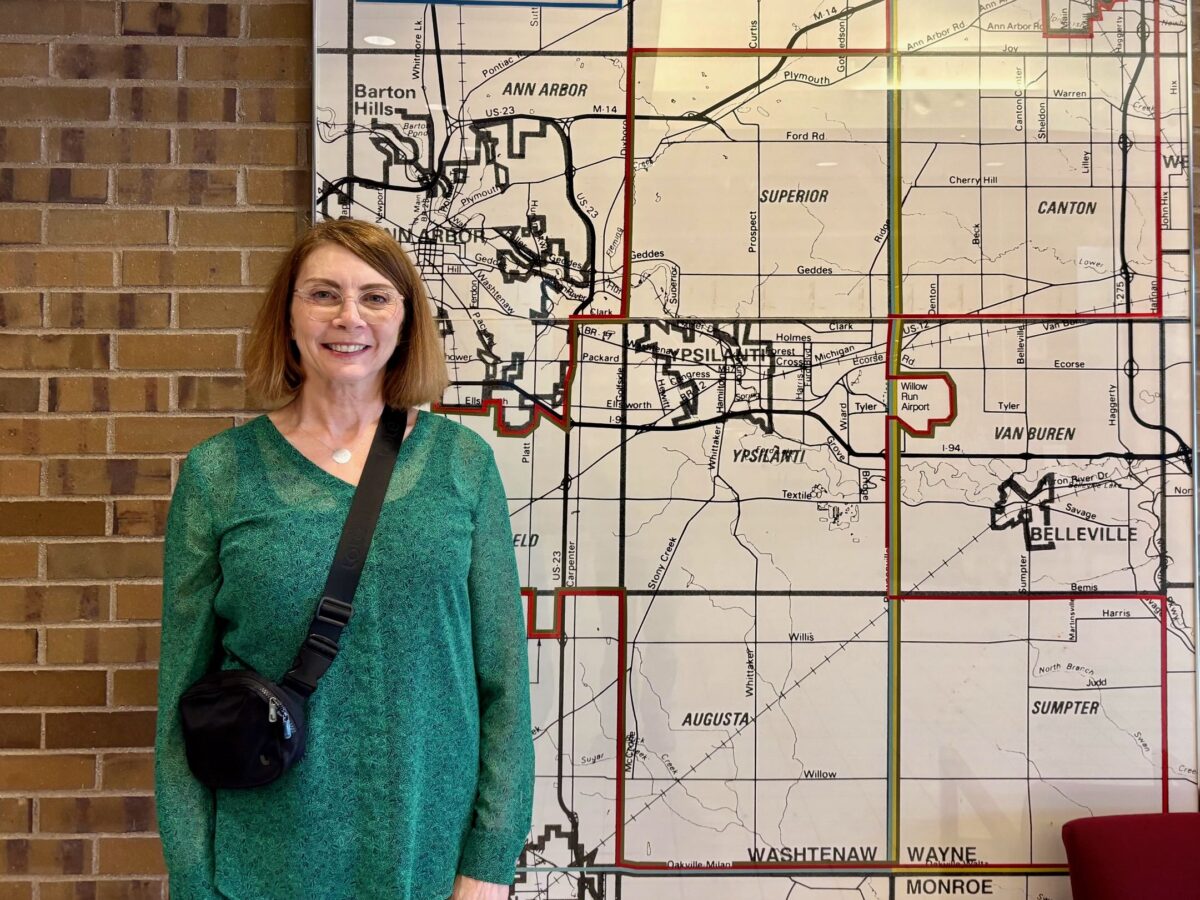
Ypsilanti utility OKs 12-month ban on supplying water for data centers
The Ypsilanti Community Utilities Authority approves a 12-month moratorium on supplying water to data centers, blocking service to facilities including a planned $1.2-billion University of Michigan project.

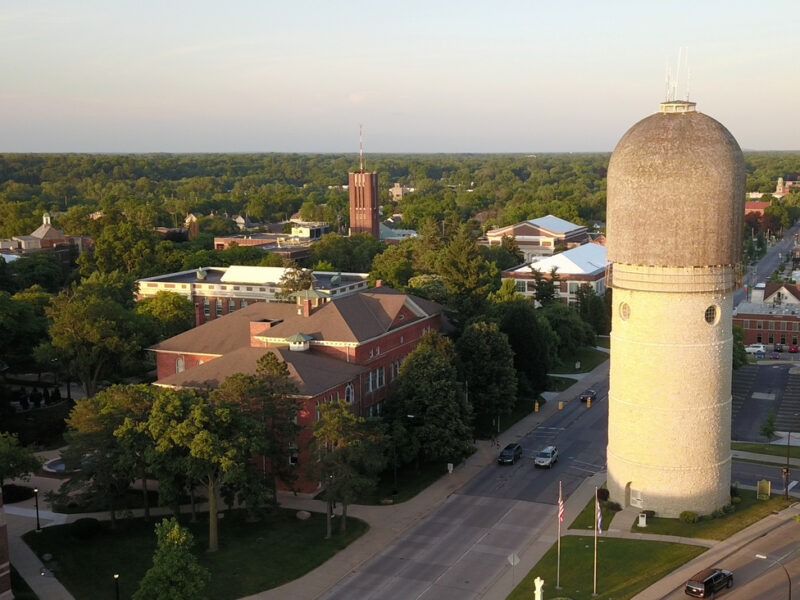
Ypsilanti water system to consider 12-month moratorium on supplying data centers
Ypsilanti Township calls for 12-month pause on water service to data centers, citing capacity concerns.
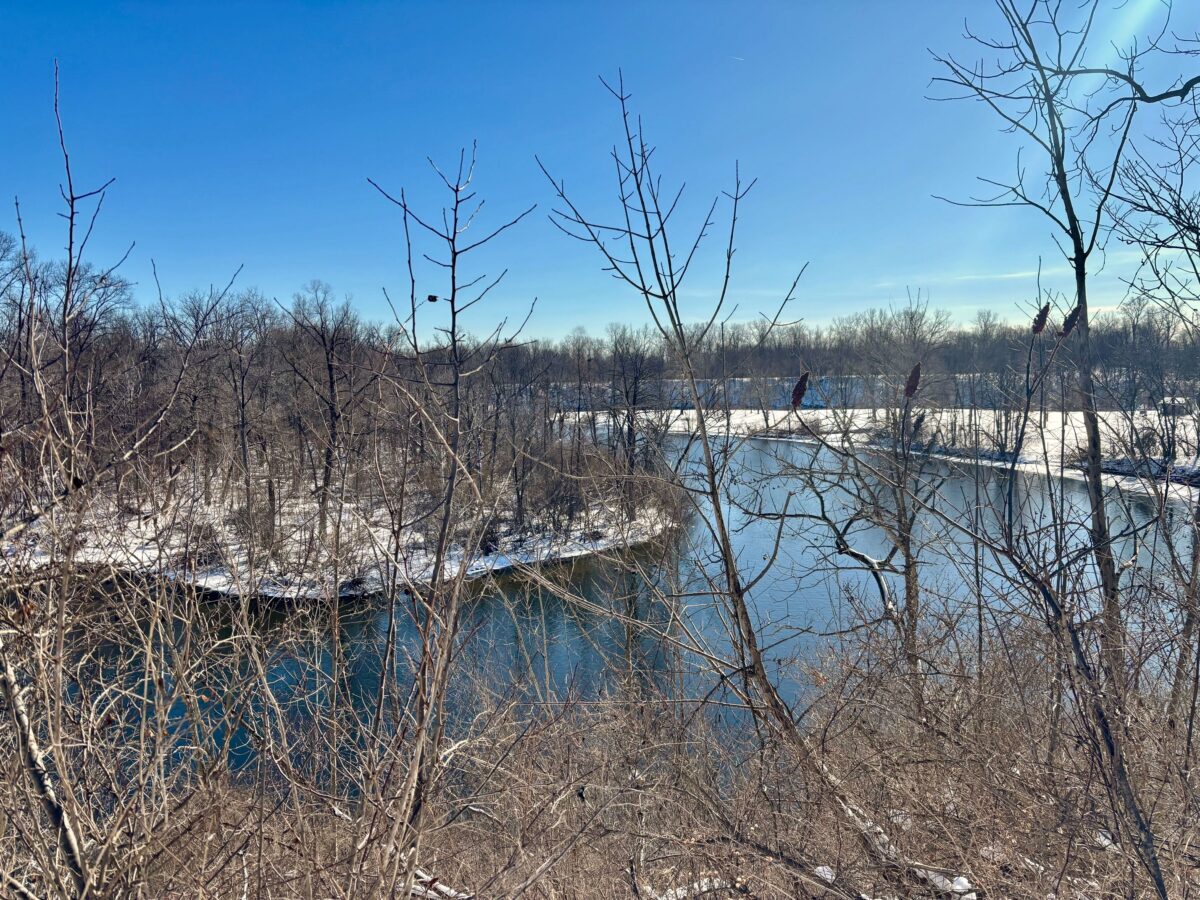
University of Michigan buys possible data center site on Huron River, informs Ypsilanti Township supervisor via text
As a public university, U of M is exempt from local zoning requirements — meaning the project does not require township approval.