

Overview:
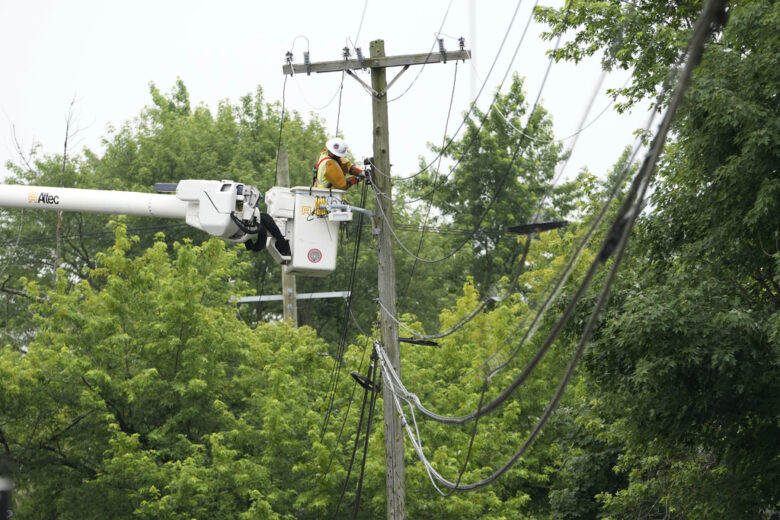
- Over 105,000 DTE and Consumers Energy customers lost power overnight in Southeast Michigan, with Oakland, Wayne, Livingston, and Macomb counties the hardest hit.
- This week's news also includes the fall vaccine rollout, a $1-million Sterling Heights flood control project, airborne algae toxin research, and a 28% water rate hike in Lincoln Park.
➡️ 105K without power in Michigan after overnight storms, more severe weather looms Overnight storms knocked out power to over 100,000 DTE Energy customers and thousands more served by Consumers Energy across Southeast Michigan, with Oakland, Wayne, Livingston, and Macomb counties the hardest hit, according to The Detroit News. Several school districts canceled classes Thursday, and flooding closed stretches of I-96 and I-94. A possible tornado near Marysville is under review. More severe storms are expected Thursday afternoon into night, with damaging winds, hail, and flooding possible, before temperatures cool slightly into the weekend. 📌 Source: The Detroit News
➡️ Fall vaccines reach pharmacies — what’s new with flu, COVID, RSV? Updated flu and COVID-19 vaccines are rolling out now at Michigan pharmacies, with most offering free flu, COVID, and RSV shots by appointment or walk-in, the Detroit Free Press reports. This year’s flu shot is trivalent, and a new mRNA option (mFLUSIVA) for adults 50-plus is arriving soon. COVID vaccines now target the Stratus XFG variant. Amid confusion over shifting federal guidance, medical societies launched Spreadthefacts.org this week, offering science-based recommendations on who should get vaccinated and when. 📌 Source: Detroit Free Press
➡️ Sterling Heights nature trail doubles as flood control project Sterling Heights and Macomb County unveiled a $1-million green infrastructure project along the Sterling Relief Drain, The Macomb Daily reports. The project converts a 1.2-mile stretch into natural stormwater filtration with thousands of new plantings while adding a shared-use path from Nelson Park to Ryan Road. Officials removed old pipes to let native vegetation absorb runoff, reducing flooding and filtering nitrogen and phosphorus before they reach Lake St. Clair. The project spans 42 acres and was funded through multiple county, city, and grant partners. 📌 Source: The Macomb Daily
➡️ U-M researcher studies airborne risks from toxic lake algae University of Michigan researcher Dr. Gregory Dick says emerging evidence suggests toxic cyanobacteria at sites like Pontiac Lake and Lake Erie may pose airborne health risks beyond skin contact or ingestion, WXYZ-TV reports. Dick’s team is collecting air samples to measure toxin levels and understand how far they travel from affected water. While research continues over the next two to three years, Dick advises the key precaution remains avoiding visible algae scum, especially for children and pets. 📌 Source: WXYZ-TV
➡️ Lincoln Park hikes water rates 28% Lincoln Park’s city council raised water rates by up to 28%, effective Sept. 1, sparking resident backlash over affordability, according to the Detroit Free Press. The hike, averaging under $17 monthly, addresses aging infrastructure losing 40% of water to leaks, plus Great Lakes Water Authority rate increases. A new “Readiness to Serve” charge adds $58.26 quarterly regardless of usage. City Manager Lisa Griggs called it unavoidable. The Downriver community, with 22% of residents at or below poverty level, joins other Metro Detroit suburbs facing similar rising utility costs. 📌 Source: Detroit Free Press
➡️ EGLE connects with Detroit neighbors on recycling, air and water quality Over 50 people attended an Aug. 5 Michigan Department of Environment, Great Lakes, and Energy (EGLE) community open house at the Georgia Street Community Collective on Detroit’s east side, the state agency reported. The event featured info tables from EGLE, the Department of Natural Resources, and Michigan Department of Health & Human Services. Attendees learned about recycling, water and air quality, and toured the site’s urban farm with chickens, bees, and fruit trees. Organizer Natalie Brown emphasized community engagement, while residents expressed interest in local environmental action and neighborhood connection. 📌 Source: Michigan Department of Environment, Great Lakes, and Energy
