


Overview:
-The Detroit Water and Sewerage Department's rate hike proposal follows the Great Lakes Water Authority's recent approval of water and sewer rate increases.
-In Highland Park, residents face low or nonexistent water pressure. The city recently had a multiday boil water advisory.
-Southwest Detroiters affected by the February water main break must file claims for reimbursement by April 3.
🚰 DWSD proposes 3.5% rate hike in fiscal 2026 The Detroit Water and Sewerage Department has proposed a 3.5% increase in combined water, sewer, and drainage rates for the 2026 fiscal year, which begins July 1, citing rising costs due to inflation, employee raises, and health care expenses. If approved, the average household’s monthly bill would rise by approximately $2.95. This proposal follows the Great Lakes Water Authority’s recent approval of average increases of 5.9% for water and 4.5% for sewer rates for its member partners. 📌 Source: The Detroit News
💧 Highland Park residents face ongoing water service issues Highland Park residents are experiencing low or nonexistent water pressure due to multiple water main breaks and ongoing infrastructure repairs. Mayor Glenda McDonald informed the community that crews are actively working to address the issues by repairing breaks and installing new water lines. Residents have voiced frustrations over the prolonged disruptions. 📌 Source: WDIV
🚧 Southwest Detroit flood victims face deadline to file claims Residents of southwest Detroit affected by the Feb. 17 water main break must file damage claims with the Detroit Water and Sewerage Department by April 3 to be eligible for reimbursement. The 54-inch main break flooded basements and damaged vehicles in an area with nearly 400 homes. Claims can be submitted online at detroitmi.gov/dwsd, with forms available in English and Spanish. For assistance, residents can call 313-774-5261. 📌 Source: The Detroit Free Press
💉 Trump administration cuts $11.4B for health departments The U.S. Department of Health and Human Services announced plans to retract $11.4 billion in COVID-19 funds allocated to state and local health departments, citing the pandemic’s conclusion and a desire to prevent wasteful spending. This decision has raised concerns among public health officials about potential impacts on ongoing public health initiatives. 📌 Source: Associated Press
MORE FROM PLANET DETROIT
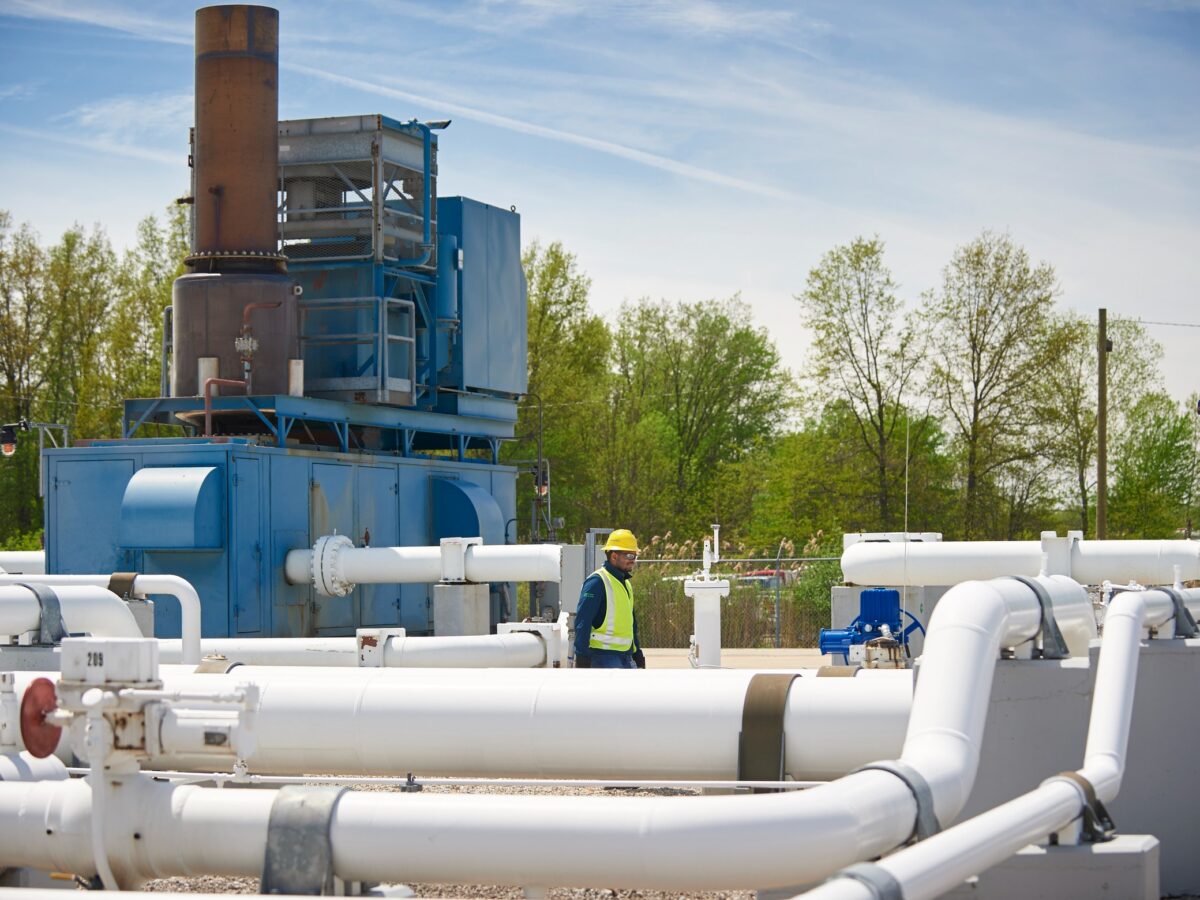
Michigan environmental news: Consumers rate hike, SNAP rolls shrink, Joe Louis Greenway funding
Consumers Energy customers will pay higher gas bills starting Nov. 1, Michigan food banks face surging demand as SNAP rolls shrink, and three wildfires burn across the Upper Peninsula.

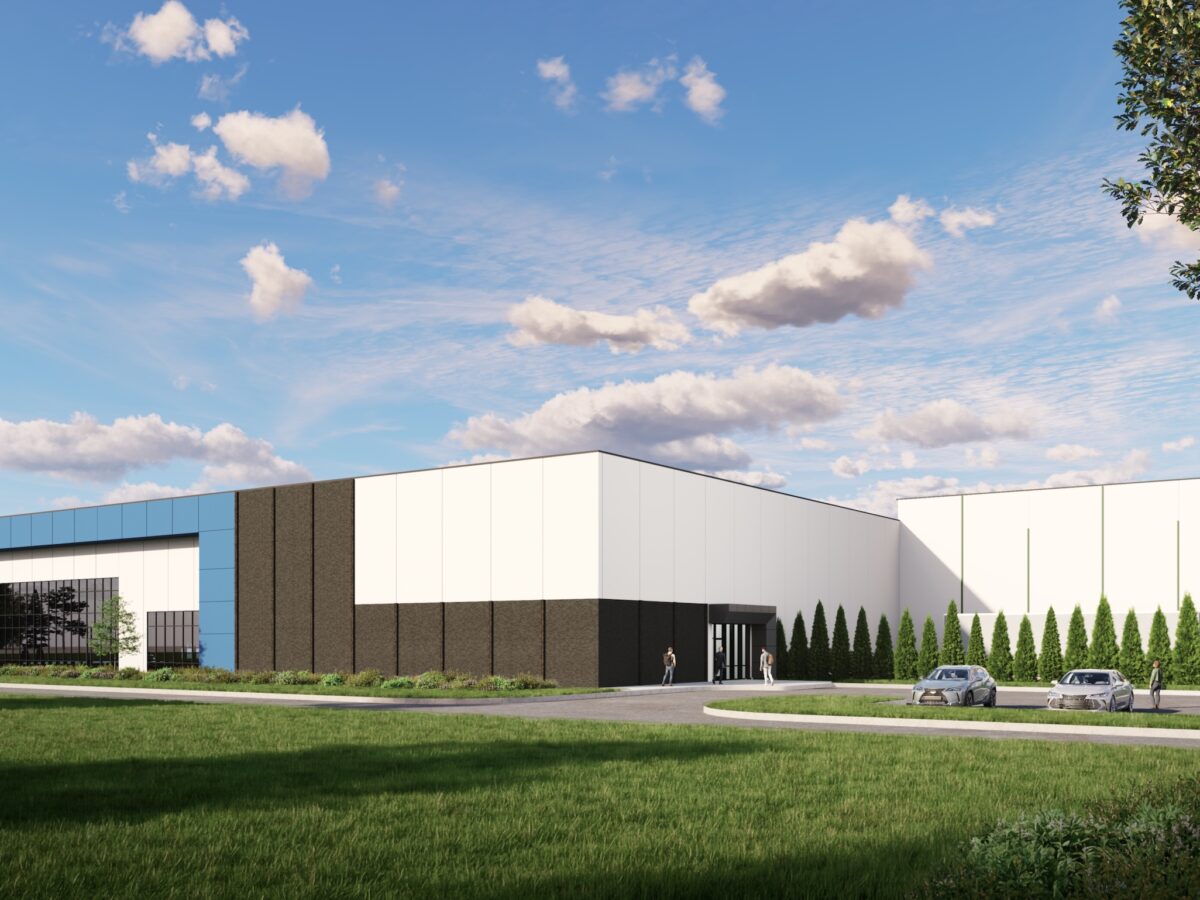
Google data center secures Van Buren Township approval, with startup expected in late 2027
Van Buren Township’s planning commission approved Google’s data center site plan in a 5-1 vote Wednesday, despite concerns from nearby residents about construction noise, dust, and health impacts. The facility is expected to begin operations in late 2027.

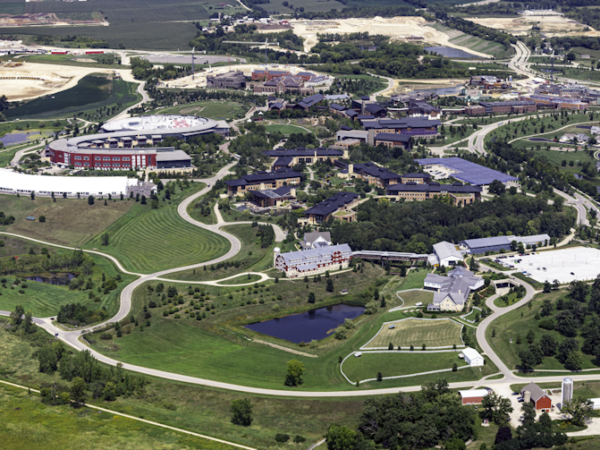
How heat from a Wisconsin data center is being stored for the winter
Servers produce heat every hour of the year, and a Wisconsin campus shows how drilled wells can bank summer warmth in rock for winter use.

⚠️ PFAS contamination found near Ann Arbor State environmental officials have identified per- and polyfluoroalkyl substances — PFAS —contamination near Ann Arbor, Michigan. The discovery was made during routine groundwater sampling in Scio Township, west of the city. The Michigan Department of Environment, Great Lakes, and Energy is conducting further tests to determine the contamination’s source and extent. Residents relying on well water in the affected area are advised to use alternative water sources as a precaution. 📌 Source: MLive
🏭 Cleveland-Cliffs announces 600 layoffs at Dearborn Works Cleveland-Cliffs plans to lay off 600 workers at its Dearborn Works plant starting July 15 due to weak U.S. automotive production. The company will idle operations at the blast furnace, BOF steel shop, and continuous casting facilities, while finishing facilities like the pickling line tandem cold mill and continuous galvanizing line will remain operational with 550 employees. Cleveland-Cliffs anticipates resuming full steel production at Dearborn Works once automotive production increases. 📌 Source: The Detroit News
☢️ Great Lakes states push for nuclear energy revival Great Lakes states are actively pursuing policies to revive the nuclear energy industry to meet increasing power demands. In Michigan, Holtec International plans to reopen the Palisades nuclear plant by the end of the decade, marking the first attempt to restart a U.S. nuclear facility. Additionally, the region is exploring the development of small modular reactors as a more flexible and cost-effective nuclear option. These initiatives aim to diversify energy sources and support economic growth. 📌 Source: Crain’s Detroit Business
