

Overview:
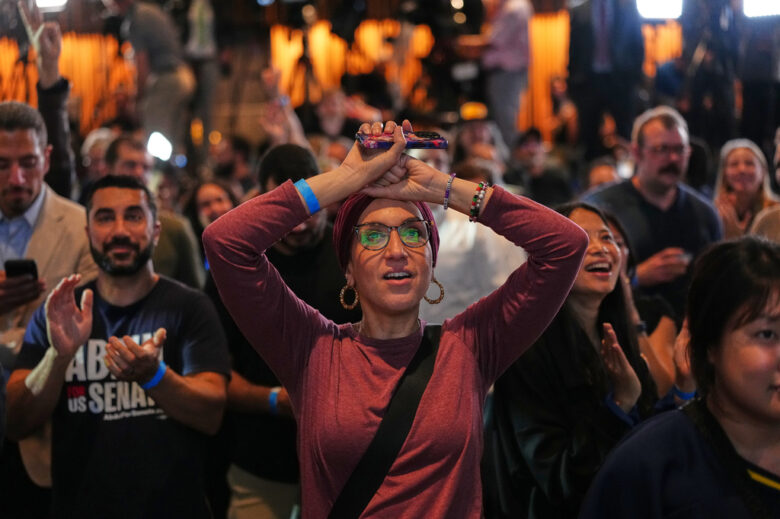
- Democrats won Michigan's governor's office, state House, and state Senate, a trifecta that could protect the state's 2023 clean energy law from repeal efforts.
- Voters passed Proposal 2 with 81% support to ban political contributions from utilities and major state contractors, and rejected a constitutional convention 74% to 26%.
- Abdul El-Sayed won Michigan's open U.S. Senate seat and Eli Savit secured the attorney general's office. Both have pushed for stronger oversight of DTE Energy and data centers.
Democrats scored major victories in Tuesday’s midterm election, taking control of the U.S. House and Senate, including Senate wins in Republican strongholds like South Carolina and Texas.
🗳️ Civic Action Toolbox
Why it matters
The outcome of the 2026 midterms could affect Michigan residents' utility bills, data center impacts on communities, and the future of the state's clean energy and environmental protections.
Who's making public decisions
Michigan's incoming Democratic governor and Legislature, the next attorney general, and federal lawmakers will decide on utility, data center, and clean energy policy, while courts may decide Proposal 2's fate.
Upcoming Meetings
Contact Your Representatives
- ✓Dana Nessel (Democratic)
Michigan Attorney General
miag@michigan.gov · 517-335-7622 · Contact - ✓Gretchen Whitmer (Democratic)
Governor of Michigan
517-335-7858 · Contact
Civic Actions: What You Can Do
- ✓Watch the MPSC November 5 Commission Meeting →
The Michigan Public Service Commission meets at 1 p.m. Nov. 5, with a virtual link available; the MPSC regulates utilities and takes public comment. - ✓Read the official Michigan Secretary of State election results →
The Secretary of State oversees Michigan elections, so review its official site for results. - ✓Write a letter to the editor →
Share your perspective with your community. - ✓Register to vote or check your registration →
Make sure your voice counts in the next election.
Organizations to Follow
What to watch for next
Watch whether Proposal 2 survives court challenges, and how state and national leaders act on data center rules and utility rates.
Are you taking action? Let us know.
Powered by Civic Action Toolbox
In Michigan, the party maintained control of the governor’s office and state Senate, while also taking the Michigan House majority — a trifecta that could enable Democrats to protect the state’s clean energy law and advance other environmental protections.
The Michiganders for Money Out of Politics ballot initiative to ban political contributions by utilities and major government contractors passed with 81% of the vote, according to the Secretary of State. The state’s constitutional convention ballot measure, which environmental advocates warned could endanger environmental safeguards, failed with 74% of voters opposed, state data shows.
Democrat Abdul El-Sayed’s victory over Republican Mike Rogers, a former Congressman, for Michigan’s open U.S. Senate seat was among the most closely watched contests in the country. It may prove consequential to efforts to federally regulate data centers.
El-Sayed released “terms of engagement” for data centers in January that he said will protect other utility ratepayers from data center costs, ensure community engagement and community benefits, protect energy reliability, safeguard water resources, and require projects to comply with clean energy laws.
Data centers face intense opposition in many Michigan communities, and many candidates called for moratoriums and guardrails to prevent impacts to the environment or utility ratepayers.
Rogers initially expressed support for streamlining data center development before saying in August that he supports a statewide, one-year data center moratorium.
El-Sayed voiced his support for Medicare for All throughout the campaign.
He criticized DTE Energy’s political spending, which he said helped the company gain fast-tracked approval for its Oracle and OpenAI data center contracts in Saline Township.
El-Sayed said during the Senate primary that he was the only candidate in the race who received no donations from corporate political action committees, including those funded by DTE.
Savit says he will continue Nessel’s ratepayer work
Utility accountability emerged as an issue in the Michigan attorney general contest. The winner of the race, Washtenaw County Prosecutor Eli Savit, said he would continue outgoing Attorney General Dana Nessel’s work of intervening on behalf of ratepayers in cases before the Michigan Public Service Commission.
During her eight-year tenure, Nessel intervened in many gas and electric rate cases, calling on regulators to sharply reduce rate hikes requested by DTE, Consumers Energy, and other investor-owned utilities. Nessel intervened in the regulatory filings for DTE’s contracts for the Oracle and OpenAI data center in Saline Township and Google data center in Van Buren Township, and filed appeals after contracts were approved for both facilities.
Savit told Planet Detroit in September that utility rates “should be geared toward ensuring reliability and should be no more than is necessary to do that.”
He also challenged utilities’ returns on equity, or the profit passed on to shareholders, and the inclusion of expenses like travel and lobbying in rate cases.
Savit’s opponent, Eaton County Prosecutor Doug Lloyd, a Republican, expressed concern about ratepayer affordability in an April interview with the WDIV-TV program “Flashpoint.” He emphasized the attorney general’s law enforcement responsibilities in media appearances, telling WDIV that “one main focus of government should be public safety.”
Democratic sweep may safeguard clean energy legislation
Democratic Secretary of State Jocelyn Benson’s victory over U.S. Rep. John James (R-Shelby Township) in the governor’s race, and Democratic control of the Michigan Legislature, could pave the way for further action on climate and energy prices, environmental advocates say.
Courtney Brady, with the environmental group Evergreen Action, said in a statement that voters chose leaders who will bring down energy costs, with clean energy as part of the solution.
“Michigan has an opportunity to protect families from rising data center costs, hold utilities accountable, and accelerate the deployment of affordable clean energy,” Brady said.
In 2023, a Democratically controlled Michigan legislature passed the Clean Energy and Jobs Act, which looks to achieve 100% clean energy generation by 2040.
In March, Republicans introduced legislation entitled “Project Lighthouse” that would repeal the state’s clean energy mandates. State Rep. Pauline Wendzel, R-Watervliet, called the requirements “arbitrary” and said they benefit investor-owned utilities at ratepayers’ expense.
Analysis by 5 Lakes Energy and Evergreen Action said that Project Lighthouse would increase residential utility bills in the long term. Ben Poulson, state government affairs director at the Michigan League of Conservation Voters, told Planet Detroit in June that the legislation would repeal programs used to lower energy waste and hold utilities accountable.
Utility money initiative wins; public power comes up short
Proposal 2, the Michiganders for Money Out of Politics ballot initiative, to bar political spending by utilities and contractors doing significant business with state, succeeded Tuesday after receiving support from Democrats running for statewide office and over 80 organizations.
Christy McGillivray, co-chair of the MMOP steering committee, said in August that anger over DTE and Consumers‘ proposed rate hikes could drive support for the ballot initiative.
“Michiganders are fed up with this pay-to-play system and overwhelmingly agree that our government should work for people, not powerful corporations,” she said.
The Mackinac Center for Public Policy conservative think tank filed a federal lawsuit Tuesday against Benson and Nessel alleging that Proposal 2 violates free speech protections, The Detroit News reported.
Representatives for utilities and Blue Cross Blue Shield of Michigan challenged the ballot initiative, saying it would silence their employees who look to engage in the political process.
Another challenge to DTE Energy fell short Tuesday. Ann Arbor’s Proposition E lost 52% to 48%. This citizen-led ballot initiative would have created a municipal energy utility board that could have eventually replaced DTE Energy in the city.
Backers of the Ann Arbor for Public Power ballot initiative argued it was the best way to improve energy affordability and reliability in the city, and accelerate the transition to renewable energy.
Opponents said the effort would have been extremely expensive and set back Ann Arbor’s efforts to deliver clean energy and other city services.
The Ann Arbor City Council passed a resolution challenging the municipalization effort Oct. 5, and sued Oct. 26 to invalidate the ballot proposal.
MORE POLITICS NEWS
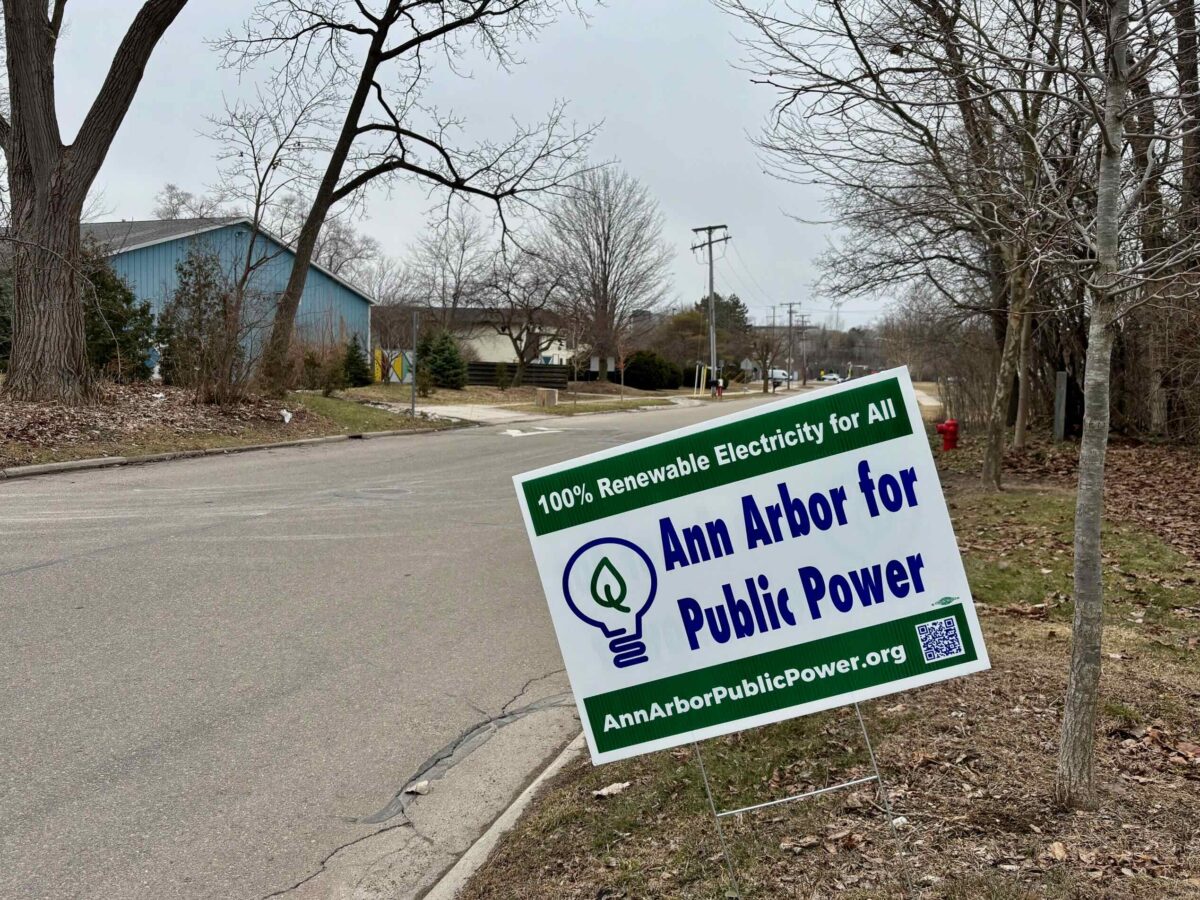
Ann Arbor council comes out against public power ballot proposal, says it could cost city $1 billion
Ann Arbor’s city council votes 10-1 in opposition to Proposal E, a public utility ballot measure, citing a possible $1-billion cost. The municipal utility effort’s backers dispute the figure.

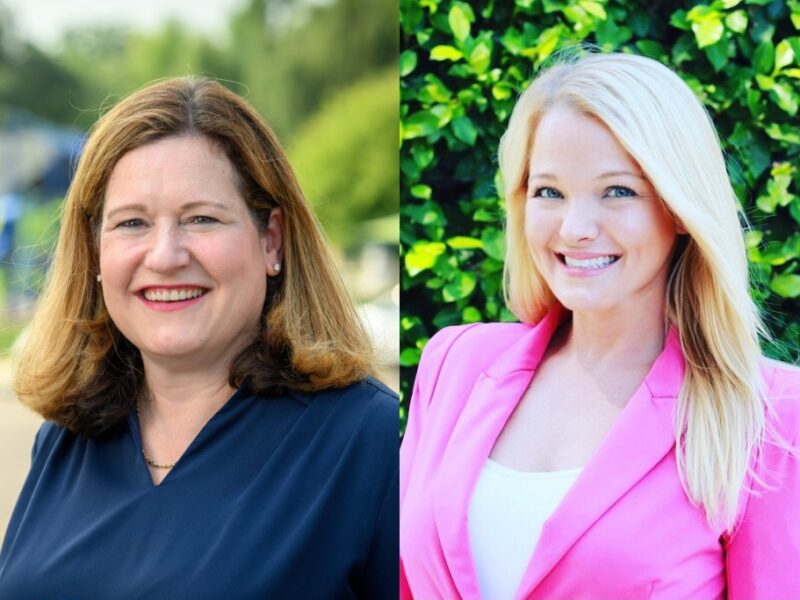
Data centers, hazardous waste weigh on voters in Michigan’s 31st House District
Republican Laura Perry and Democrat Shannon Dare Wayne compete to replace retiring state Rep. Reggie Miller in a district grappling with a proposed Google data center and ongoing lawsuit over radioactive waste shipments to Wayne Disposal.

El-Sayed, Rogers face voter opposition to data centers in crucial Senate race
Abdul El-Sayed, Mike Rogers square off in key Senate race in Michigan, where 62% of likely voters oppose data centers.