

Overview:
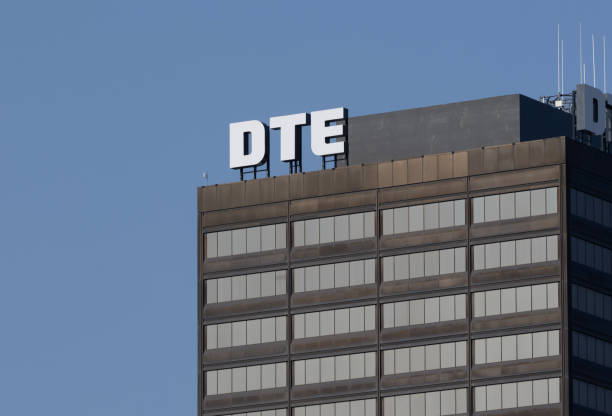
- Michigan voters may get the chance to decide in November whether to ban regulated utilities like DTE and Consumers Energy, plus large government contractors, from making political donations.
- The Board of State Canvassers approves ballot language Monday after the proposal gathered over 500,000 signatures.
- Opponents filed a lawsuit challenging the certification process and pushed unsuccessfully to change the ballot language to deemphasize its impact on utilities.
The Michigan Board of State Canvassers largely retained the ballot proposal language Monday for an effort to bar political donations by monopoly utilities, including DTE Energy and Consumers Energy, and contractors doing significant business with the state.
Last month, the canvassers board found Michiganders for Money Out of Politics (MMOP) exceeded the threshold of 356,958 valid signatures needed to place the proposal on the November ballot. The Legislature has 40 days from the July 24 approval to accept or reject the proposal. If lawmakers do not take it up, it will go before voters in November.
Utility spending has emerged as an election year issue in Michigan as candidates campaign against a backdrop of widespread power outages, charged debates over data center developments, and concerns over utility affordability.
All four Democratic candidates running for statewide office in November have expressed support for MMOP, The Detroit News reported.
Christy McGillivray, co-chair of the MMOP steering committee, praised the decision, telling Planet Detroit that it maintains the 100-word summary from the petition language signed by more than 500,000 Michiganders.
“Michiganders are ready to finally rein in pay-to-play politics and out-of-control political spending in Lansing this November,” McGillivray said in an emailed statement.
Protect MI Free Speech, a ballot question committee opposing MMOP, told Planet Detroit in a statement the state ignored its statutory duty to use impartial language with Monday’s decision.
“We look forward to the Michigan Supreme Court looking at the serious flaws that should knock MMOP off the ballot because the rules were not followed here,” the group said.
Protect MI Free Speech filed a lawsuit Aug. 4 alleging the Board of State Canvassers failed to follow protocol when certifying the petition and asked the Michigan Supreme Court to hear the challenge by Aug. 20.
Lawyers debate ballot language on Michigan utilities
The MMOP ballot proposal would amend Michigan’s campaign finance law to prohibit regulated gas and electric utilities and companies with more than $250,000 in government contracts from making political contributions. It would also block individuals associated with utilities and large government contractors from making political donations.
The effort looks to increase transparency around dark money donations, expanding disclosure requirements for ads that clearly identify candidates.
Lawyers representing Protect MI Free Speech pressed for changes on Monday that would have deemphasized the proposal’s impact on utilities in the caption describing the proposal and accompanying bullet points.
“The caption, as currently drafted, selectively focuses on just one aspect of a comprehensive proposal,” Olivia Flower, an attorney representing Protect MI Free Speech, told the board of canvassers, adding that the bullet points also invert the architecture of the proposed statute.
The ballot proposal would expand the categories of political speech subject to campaign finance disclosure and restrict who can make donations, impacting more than just utilities, Flower said.
Michael Brady, an attorney representing MMOP, said sticking with the petition language benefits the public because people are already familiar with it, including those who decided not to sign.
The Board of Canvassers already deliberated for hours on this wording when it approved the petition language in August 2025, Brady said.
The board voted unanimously to approve the previous caption with the addition of “government contractors” among those prohibited from making campaign contributions, while the bullet points remain the same.
Nicholas Pigeon, former executive director for the Michigan Campaign Finance Network, a nonprofit tracking political spending, praised the board’s decision during public comments.
The language proposed by Protect MI Free Speech is so broad, it may have confused voters who signed the petition earlier in the year, he said.
“It’s clear that Michiganders care deeply about the impact money has on politics, and they deserve to have a fair vote in November.”
The language approved Monday reads:
A PROPOSED INITIATED LAW TO PROHIBIT CAMPAIGN CONTRIBUTIONS FROM CERTAIN REGULATED UTILITIES AND GOVERNMENT CONTRACTORS AND APPLY CAMPAIGN FINANCE LAWS AND REGULATIONS TO ADDITIONAL TYPES OF POLITICAL COMMUNICATIONS
The proposal would:
• Prohibit regulated electric and gas utilities, contractors with over $250,000 annually in government contracts, and people and organizations with substantial connections to these utilities/contractors from making direct or indirect campaign contributions to those who run for or hold offices that impact them. • Expand laws regulating spending on political communications, including those requiring disclosing donor information, to apply to communications clearly identifying candidates or ballot questions, even if they do not expressly advocate voting for/against them.
• Expressly apply the law requiring disclosure of who paid for political communications to internet political communications.
Should this proposal be adopted? [ ] YES [ ] NO
MORE POLITICS COVERAGE
Why promise to fight renewable energy may fall flat in Michigan governor’s race
Republican gubernatorial frontrunner John James vows to repeal Michigan’s 2023 clean energy law, but polling shows strong voter support for renewables and concerns about affordability may work against the GOP’s anti-renewable messaging.

El-Sayed, Stevens debate climate, health care questions ahead of Democratic Senate primary
In their final debate before Michigan’s Democratic Senate primary, Haley Stevens and Abdul El-Sayed address climate change, frequent power outages, and corporate political spending by utilities.
Blowback from latest DTE outage surfaces on midterm campaign trail
A July 4 weekend power outage affecting 400,000 DTE customers has intensified the political debate over utility accountability, with Senate candidates in Dearborn-area races calling for reforms.