

Overview:
- GOP gubernatorial frontrunner John James promises to repeal Michigan's 2023 clean energy law requiring 100% renewable energy by 2040.
- Analysis shows repealing the law would cost Michigan residents $5.6 billion in energy costs and eliminate 15,588 jobs by 2050.
- Polling indicates 75% of Michigan voters support the clean energy law, with voters more likely to blame utilities and aging infrastructure for rising energy costs than renewable energy transition.
The frontrunner in Michigan’s Republican gubernatorial primary promises to repeal the state’s 2023 clean energy law if elected. The law looks to achieve 100% renewable energy generation by 2040.
🗳️ Civic Action Toolbox
Why it matters
The outcome of the gubernatorial race could determine whether Michigan keeps or repeals its clean energy law, with analysts saying a repeal could cost the average household an extra $1,360 by 2050.
Who's making public decisions
Michigan voters will decide on Democratic and Republican candidates for governor in partisan primaries Tuesday, Aug. 4, and elect the state’s next governor Tuesday, Nov. 3.
Upcoming Meetings
Civic Actions: What You Can Do
Organizations to Follow
What to watch for next
Watch for the outcome of the November gubernatorial election, which could determine the fate of Michigan’s 2023 clean energy law and its goal of 100% renewable energy by 2040.
Are you taking action? Let us know.
Civic resources compiled by Planet Detroit
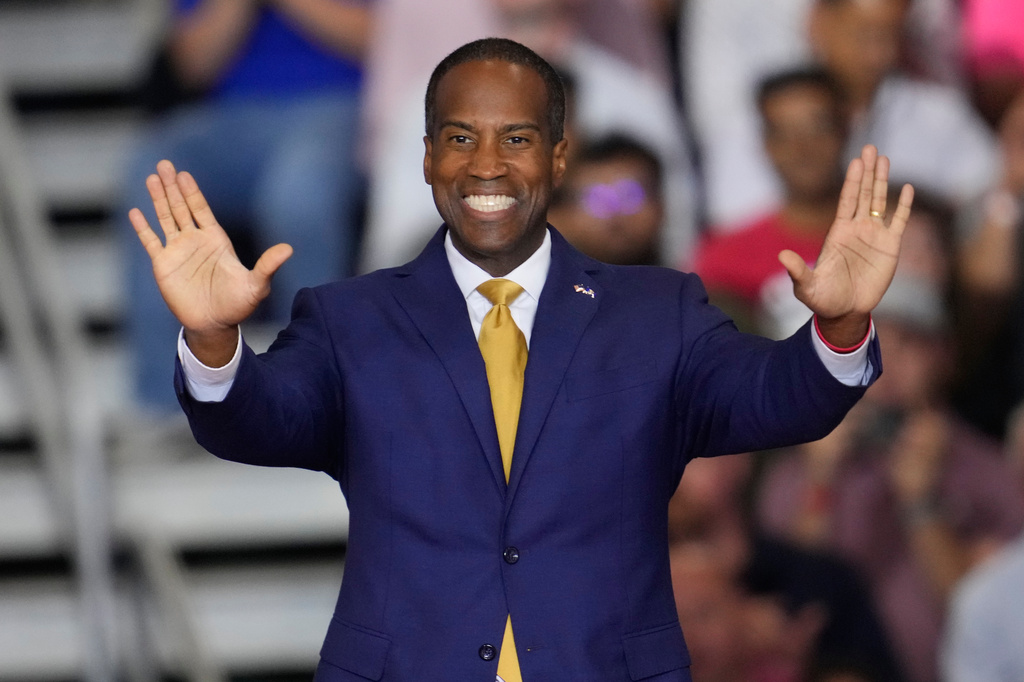
U.S. Rep. John James (R-Shelby Township) opposes Michigan’s clean energy law. If elected, repealing it would be his first priority, according to a Bridge Michigan candidate survey.
The GOP candidate’s energy strategy would include “natural gas, nuclear, hydro, renewables where they make economic sense, biofuels and emerging technologies,” he told the publication.
James criticized aggressive “net-zero mandates” during an April House Energy and Commerce Committee hearing, saying they undermine reliability and affordability.
Polling in recent years shows strong support for renewable energy in the state, but energy and the environment are likely to be overshadowed by other concerns this year, Bernie Porn, Michigan EPIC-MRA pollster, told Planet Detroit.
When asked what the top issues are for voters, Porn answered: “Affordability, affordability, affordability.”
Environmental advocates emphasize that renewable energy and affordability are connected issues.
Repealing Michigan’s 2023 renewable energy law would add $5.6 billion in energy costs for Michiganders and result in the loss of 15,588 jobs by 2050, according to an analysis by the energy consulting firm 5 Lakes Energy.
Transitioning away from fossil fuels to clean energy is essential for limiting dangerous global heating, according to the United Nations Intergovernmental Panel on Climate Change.
The Michigan governor’s race
James is leading GOP primary contender Perry Johnson in the polls.
The Republican gubernatorial candidates did not respond to requests for comment on this story.
Michigan Senate Minority Leader Aric Nesbitt (R-Porter Township) ended his campaign for governor last month, following President Donald Trump’s endorsement of James.
Former Michigan Attorney General Mike Cox dropped out of the race July 17.
The Cook Political Report changed its classification of the Michigan governor’s race from “toss up” to “lean D” May 21, a change that coincided with former Detroit Mayor Mike Duggan ending his run as an independent.
Michigan Democrat Jocelyn Benson leads Genesee County Sheriff Chris Swanson in Democratic primary polls tracked by The New York Times, and leads the general election polls sponsored by MIRS News Service that are tracked by the newspaper.
Benson and Swanson support Michigan’s clean energy law.
Benson campaign spokesperson Maggie Amjad told Planet Detroit that, “Jocelyn knows if implemented right, the 2023 clean energy law puts Michigan in a position to lead the nation in expanding clean energy and lowering utility costs for families across the state.”
Swanson told Bridge he wants to revisit the energy siting law that gives the state final say over approving renewable energy projects.
Trump, Iran war a drag on Republicans, pollster says
The Michigan House recently passed legislation (HB 5710 and HB 5711) titled “Project Lighthouse” to repeal state clean energy laws, including a rollback of Michigan’s “energy waste reduction” program.
For every dollar this program invests in energy efficiency, residents save roughly $4, according to the environmental group Evergreen Action.
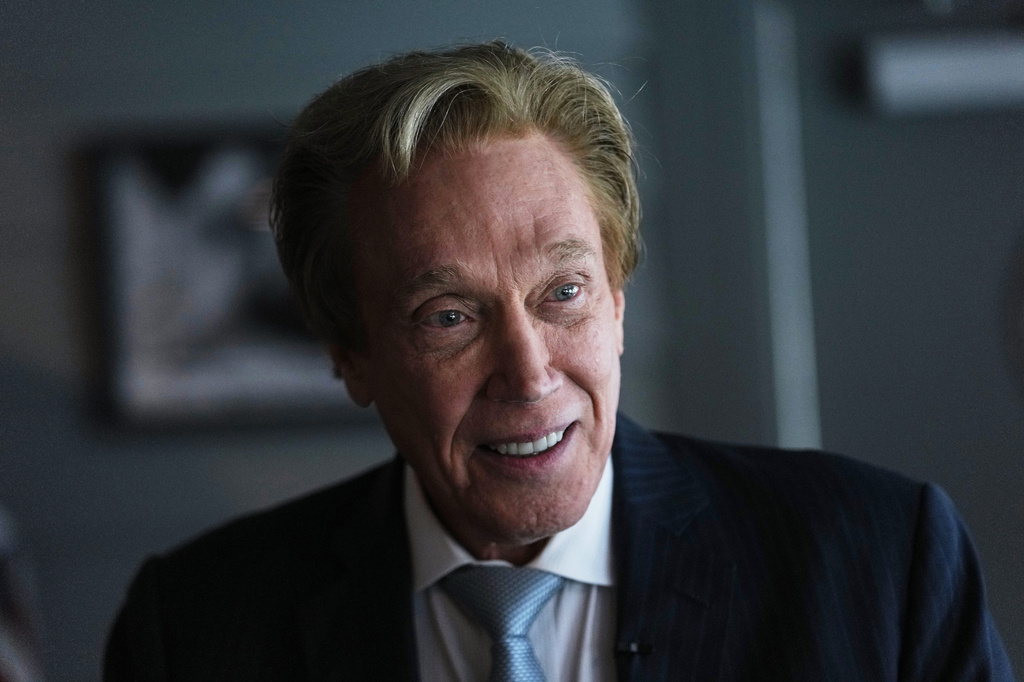
Ed Rivet, executive director of the Michigan Conservative Energy Forum (MICEF), said opposition to renewable energy likely plays well with the Republican base in the primary.
MICEF’s website says its mission is to promote “market-based energy policies that foster competition, diversification and continued technological advancement.”
Candidates will face voters in the general election who hold more favorable views of renewable energy, including many right-of-center voters, Rivet said.
An April poll released by Michigan Energy Michigan Jobs, a coalition supporting clean energy, found 75% of respondents support Michigan’s 2023 clean energy law after hearing a description, with 19% in opposition.
Respondents to the poll were also more likely to blame aging infrastructure and monopoly utilities for rising energy costs than the transition to renewable energy or ongoing reliance on fossil fuels.
Porn said the Trump administration’s war on Iran and the subsequent rise in gas prices will weigh on Republicans in the general election, with Democrats positioning themselves in opposition to Trump.
Conservatives favor ‘all of the above’ energy policy, Rivet says
Rivet, who is a conservative and does outreach on energy issues to candidates from both parties, said Trump is pushing an antirenewable energy agenda that’s contrary to where Republicans have stood in the past.
The administration issued emergency orders to keep aging coal plants like Michigan’s J.H. Campbell plant open and spent billions of dollars to terminate offshore wind leases.
“Conservatives have been more comfortable in the ‘all of the above’ lane,” he said, which he describes as a “pro-market, pro-whatever works” energy policy. Rivet advocates for a diversified energy portfolio that includes renewables and nuclear energy.
General opposition to renewables is unlikely to be a position with broad support, although it may play well in some rural communities that have fought wind and solar projects, Rivet said.
He contrasted this with the widespread opposition to data centers in the state.
“Data centers can be darn near anywhere,” he said, noting the projects are being built in highly populated areas in Wayne and Washtenaw counties.
The scale of land needed for wind and solar projects means they’re largely a rural concern, he said.
Michiganders more likely to blame utilities than renewables for energy prices: poll
Courtney Brady, state advocacy director for the climate action group Evergreen Action, said she’s surprised to see candidates toe the Trump administration’s line on fighting clean energy and going after energy efficiency programs.
“It’s pretty baffling at a time when people are really upset about the affordability impact of Trump’s policies on the state of Michigan,” she said.
Trump’s emergency orders to keep the Campbell coal plant open cost ratepayers $180 million through March, according to Michigan Attorney General Dana Nessel.
The 5 Lakes Energy analysis of a rollback of Michigan’s clean energy law said it would cost the average household $1,360 in additional electric bills by 2050.
Brady said voters are unlikely to respond to Republicans’ messaging on clean energy because they are likely to want to increase the energy supply and see renewables as a resilience measure.
“I don’t think people are mad about clean energy in the way that Republicans want them to be.”
MORE POLITICS COVERAGE

El-Sayed, Stevens debate climate, health care questions ahead of Democratic Senate primary
In their final debate before Michigan’s Democratic Senate primary, Haley Stevens and Abdul El-Sayed address climate change, frequent power outages, and corporate political spending by utilities.

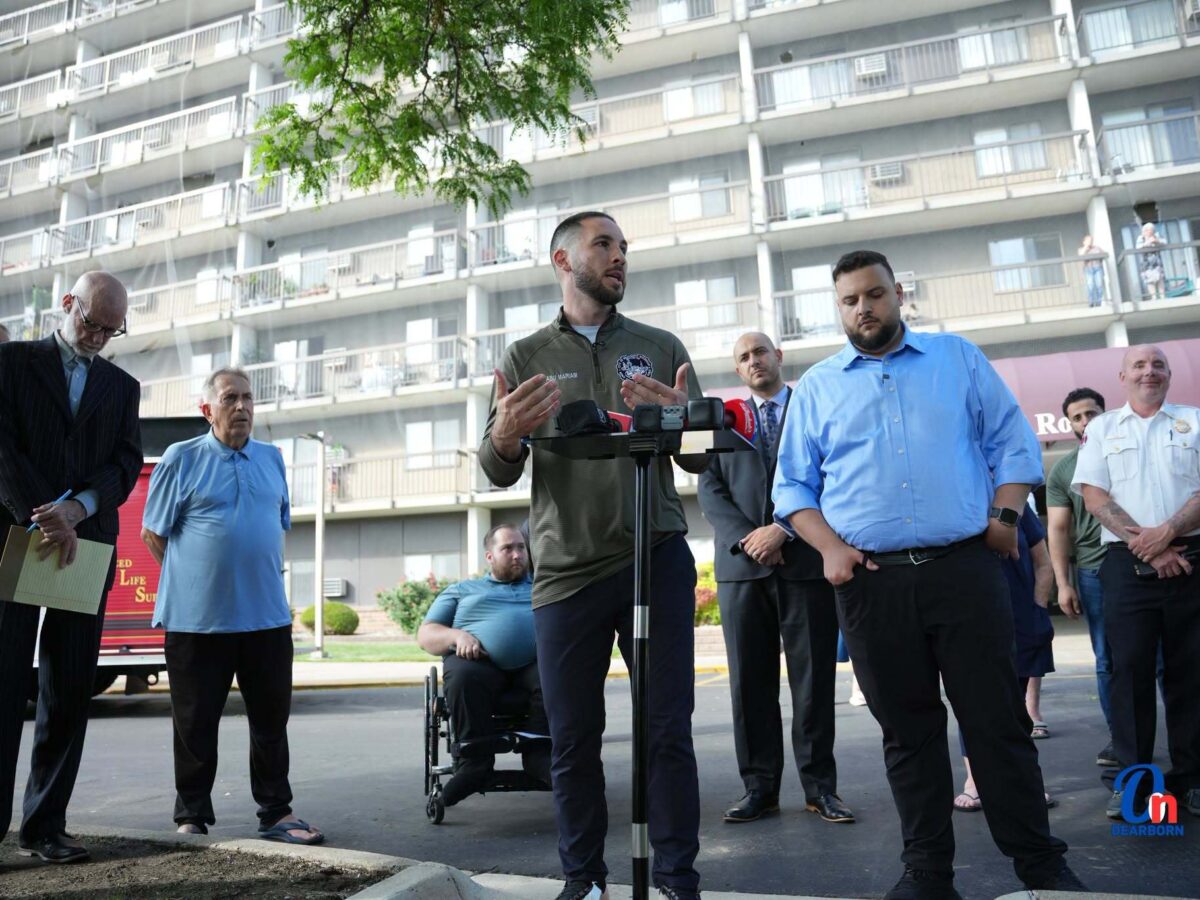
Blowback from latest DTE outage surfaces on midterm campaign trail
A July 4 weekend power outage affecting 400,000 DTE customers has intensified the political debate over utility accountability, with Senate candidates in Dearborn-area races calling for reforms.
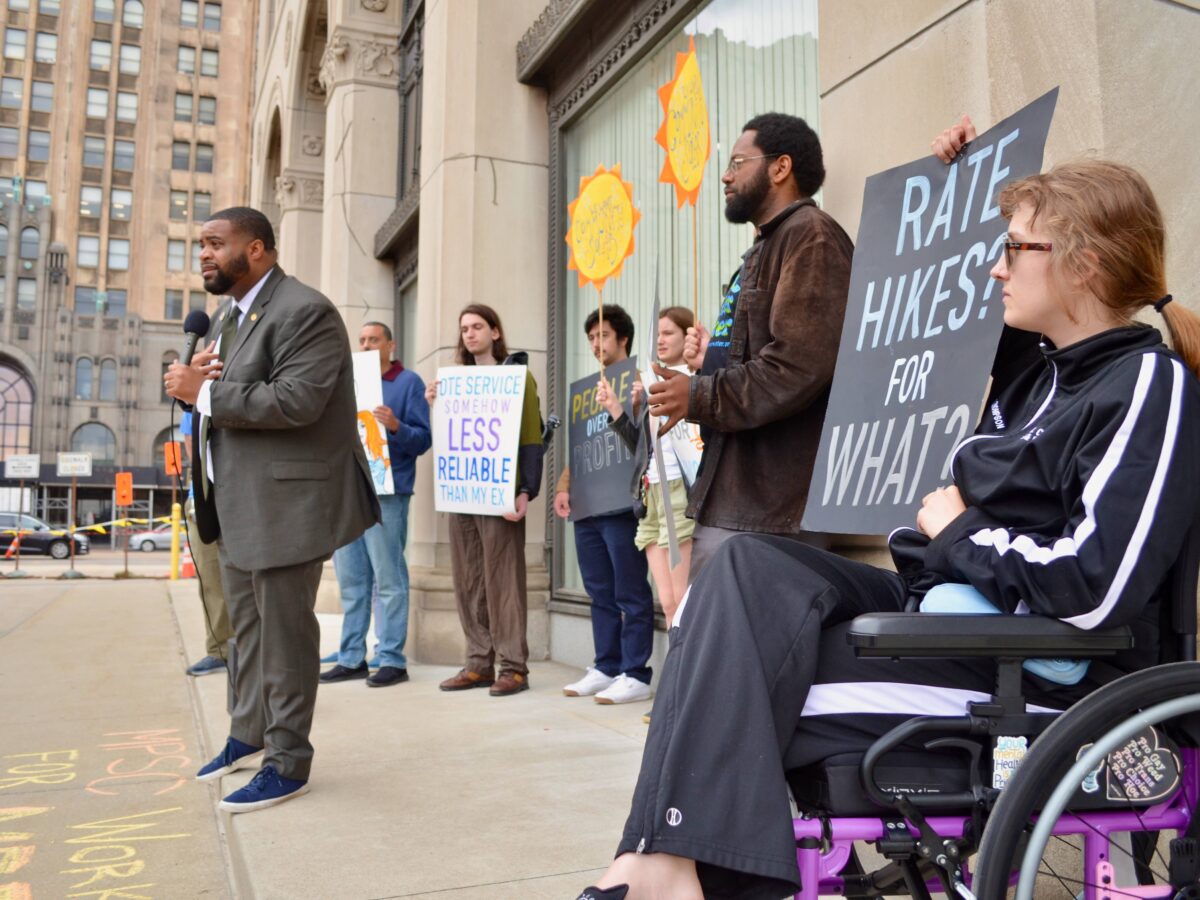
Guide: How Michigan’s process for setting DTE, Consumers rates factors into midterms
As utility rate hikes pile up and data centers add power demands, Michigan’s Public Service Commission faces growing pressure to balance infrastructure needs with affordability for Metro Detroit ratepayers.