

Overview:
- Democrat Eli Savit pledges to continue challenging utilities on rate hikes and data center costs, while Republican Doug Lloyd has not detailed his utility oversight positions.
- Outgoing Attorney General Dana Nessel pushed back on utility profits, data center contracts, executive perks, and coal plant operations.
- Nessel has continued to appeal the MPSC's approval of DTE's power supply contracts for the 1.4-gigawatt Oracle and OpenAI data center in Saline Township.
Michigan voters will pick their next attorney general in November as Dana Nessel, a vocal intervenor in utility rate hike cases, concludes eight term-limited years in office.
🗳️ Civic Action Toolbox — see how you can get involved
Why it matters
Michigan's next attorney general will decide whether to continue challenging utility rate hikes and data center costs that can impact how much Metro Detroit residents pay for their energy bills.
Who's making public decisions
Michigan voters will elect either Eli Savit or Doug Lloyd as attorney general in November, who will then have authority to intervene in utility rate cases at the Michigan Public Service Commission.
Upcoming Meetings
Contact Your Representatives
- Dana Nessel (Democratic)
Michigan Attorney General,
Civic Actions: What You Can Do
- Write a letter to the editor
Share your perspective with your community. - Register to vote or check your registration
Make sure your voice counts in the next election.
Organizations to Follow
What to watch for next
Watch for statements by Savit and Lloyd on the campaign trail regarding utility-related issues, and the November election results to see whether the new attorney general will continue challenging utility rate hikes and data center contracts at the Michigan Public Service Commission.
Are you taking action? Let us know.
Civic resources compiled by Planet Detroit
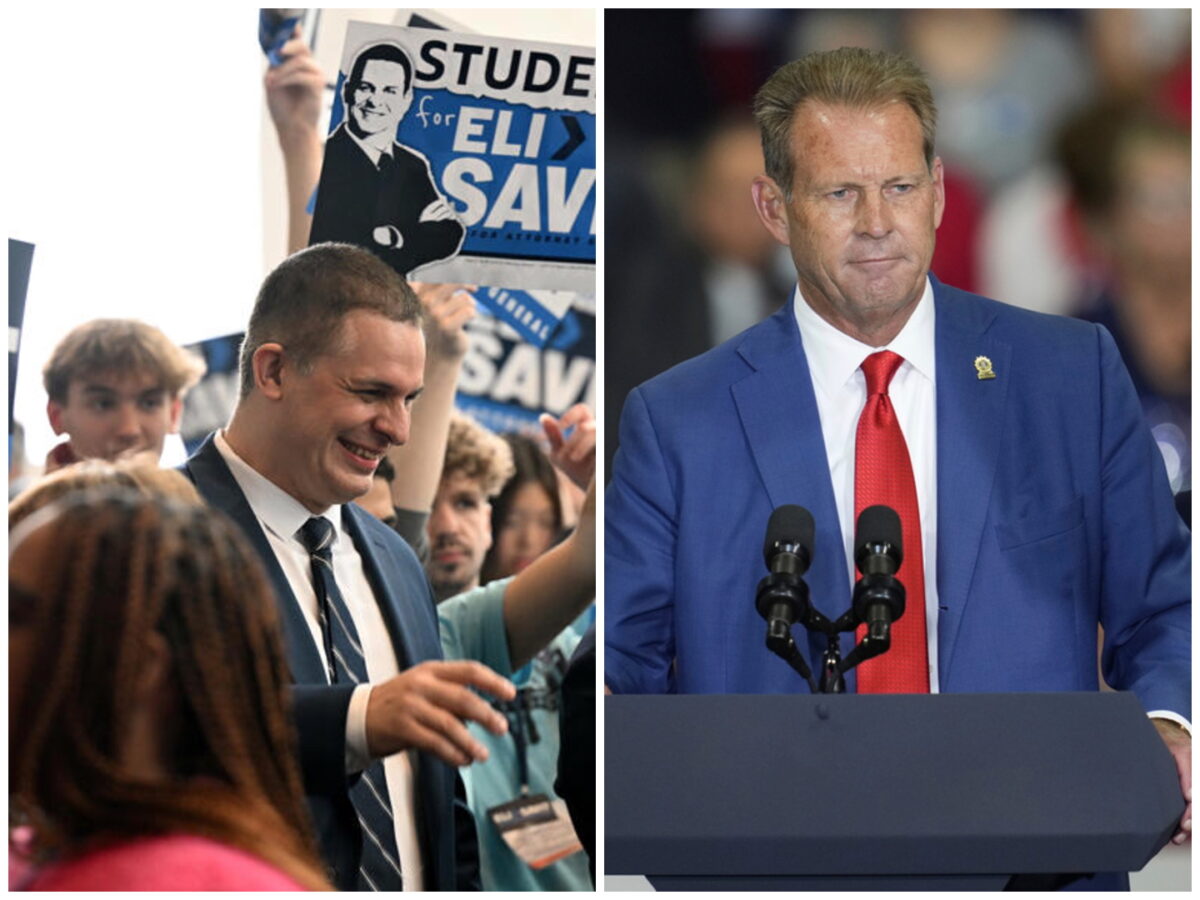
Washtenaw County Prosecuting Attorney Eli Savit, a Democrat, faces Eaton County Prosecutor Doug Lloyd, a Republican, on the ballot. The winner will choose whether to continue Nessel’s work challenging Michigan utilities — and the federal government.
Nessel, a Democrat, pushed back on data center contracts; the size and frequency of utility rate hikes; sued the Trump administration over issues like the emergency orders forcing the continued operation of West Michigan’s J.H. Campbell coal plant.
The attorney general plays a key role in the Michigan Public Service Commission (MPSC) process as the only intervenor with the constitutional and statutory authority to represent residents in utility rate hike cases and other proceedings.
Other intervenors, like environmental and business groups, represent subsets of Michiganders, filing testimony in cases before the MPSC, which regulates investor-owned utilities like DTE Energy and Consumers Energy.
Savit’s campaign told Planet Detroit he will take on violent crime and protect public safety, as well as ensure ratepayer and environmental protections.
Savit is “unbought by corporate PACs” and “committed to using the AG’s authority to prevent corporations from ripping people off (and) stop polluters from poisoning our air and water, and to protect every Michigander’s rights,” his campaign said in a statement.
Lloyd’s campaign did not agree to an interview with Planet Detroit or reply to questions sent by email. The candidate touched on ratepayer advocacy in an interview on the WDIV-TV program “Flashpoint,” where he said he would talk to legislators about Michigan utilities’ ability to ask for rate hikes every year.
“It’s the consumers that are feeling the pain right now and I really believe that we need to have our utilities understand that that is a concern for all of Michigan,” Lloyd said.
Nessel set high standard for ratepayer advocacy, expert says
Michiganders should look for an attorney general who will continue Nessel’s work, Karlee Weinmann, research and communications manager for the Energy and Policy Institute, a utility watchdog group, told Planet Detroit.
“She’s absolutely among the leading attorneys general across the country in terms of advocating for the public interest and for ratepayers in utility regulation … at a time when public trust in the utilities and in utility regulation has plummeted,” Weinmann said.
An Ipsos poll, commissioned by consumer advocacy group PowerLines, found 77% of Americans are concerned their utility bills will continue to rise, and 76% want the government to perform stronger utility oversight.
Weinmann praised Nessel’s efforts to challenge things like private jet travel for company executives that was included in a DTE rate hike request and investor-owned utilities’ returns on equity, or the profit passed on to shareholders.
Return on equity is a costly line item in any utility rate case, Weinmann said: “It’s very important to see attorneys general focusing on that area and being as aggressive as they need to be to right-size utility profits.”
The MPSC granted DTE and Consumers 9.9% returns on equity as part of the utilities’ most recent electric rate hikes. A 2025 study from the nonprofit American Economic Liberties Project has criticized such returns for utility stocks that exceed stock market returns that average 6% to 7%, when accounting for inflation. High utility returns add $300 annually to the average customer’s power bills, according to the study.
Michigan House Democrats introduced legislation in March to expand the MPSC from three to five members, limit terms to 12 years, and require commission members to be elected.
The MPSC released policy recommendations for Michigan legislators in July, requesting authority to set multiyear rate plans, require utilities to show how they’re maximizing use of existing grid infrastructure, cut bonuses for utilities that buy power from third parties, and codify into law commission rules against shifting data center costs onto other ratepayers, among other provisions.
Utility power supply contracts for data centers will also likely require sustained involvement by the attorney general as proposals for the facilities continue to emerge in Michigan, and utilities seek to fast track approvals, Weinmann said.
Nessel has continued to challenge the MPSC’s approval of DTE’s power supply contracts for the 1.4-gigawatt Oracle and OpenAI data center in Saline Township, which moved forward without a contested case in which Nessel and other intervenors would have submitted formal testimony.
Savit pledges to continue with MPSC intervention
One of the attorney general’s most important duties is to forcefully intervene at the MPSC, Savit told Planet Detroit in an interview, saying this role dates to long-serving Michigan Attorney General Frank Kelly, who robustly intervened at the commission.
“Rates should be geared toward ensuring reliability and should be no more than is necessary to do that,” Savit said. He also challenged the rate of return utilities have received and the inclusion of expenses like travel and lobbying in rate cases.
Protecting ratepayers from bearing the costs of bringing data centers online is non-negotiable, Savit said.
“The wealthiest companies in the world are seeking to build these things,” he said. “To my mind, it’s unconscionable to think that we would be forced to bear the cost of electricity use.”
Savit pledged to continue Nessel’s work to fight the Trump administration’s orders keeping Consumers Energy’s Campbell coal plan open, adding that it is adversely impacting ratepayers and public health.
Nessel said in an Aug. 17 statement that keeping the aging coal plant online cost Consumers Energy $295 million between May 2025 and June 30, 2026.
In August, the Federal Energy Regulatory Commission approved Consumers’ request to spread the costs of operating the plant across the Midcontinent Independent System Operator’s northern and central regions, Utility Dive reported.
This area includes Michigan, Wisconsin, Minnesota, North Dakota and parts of Kentucky, Indiana, Illinois, Missouri, South Dakota, Montana, and Manitoba.
Savit said he supports efforts to remove corporate money from politics, including the Michiganders for Money Out of Politics ballot effort, which would ban monopoly utilities and companies with more than $250,000 in government contracts from making political contributions in the state.
This spending erodes public confidence in government, and it’s particularly important for the attorney general to avoid corporate donations, Savit said.
“The state attorney general’s most important client is the people of the state of Michigan, and there are a whole host of circumstances where the state AG is going to be called upon to potentially go up against corporate interests,” he said.
Savit signed the Michigan League of Conservation Voters’ “no utility money challenge,” promising to not knowingly accept more than $200 in total contributions from monopoly utility political action committees (PACs) and lobbyists, executives, employee PACs, and other groups aligned with utility interests.
Lloyd has not signed the pledge.
Public safety is the priority, Lloyd says
Lloyd has emphasized the attorney general’s law enforcement responsibilities in media appearances, and said on “Flashpoint” in April that the “one main focus of government should be public safety.”
In July, he told Petoskey’s WMKT radio: “It comes down to: Are you looking for social justice or public safety?”
Lloyd didn’t comment on the Trump administration’s orders keeping the J.H. Campbell plant open in a July interview with CBS News Detroit, but did challenge Nessel’s lawsuits against the federal government, saying she is politicizing the office.
“Day one, I’m going in, I’m looking at those past lawsuits,” Lloyd said. “There’s been like 50 lawsuits that have gone against the federal government and my question is: Are those lawsuits actually benefiting the citizens of Michigan?”
MORE FROM PLANET DETROIT
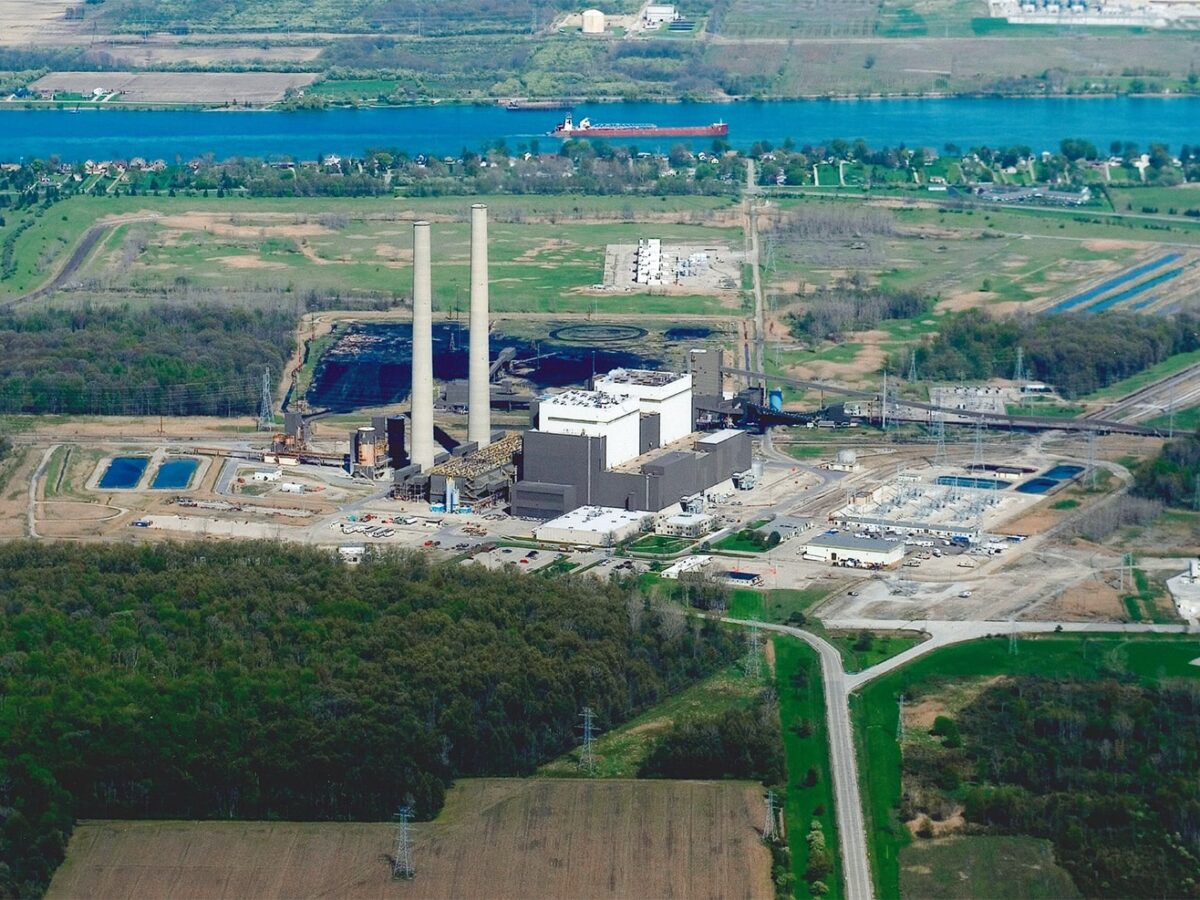
DTE will seek approval for 2 natural gas plants as coal phases out, data centers go online
DTE Energy will ask regulators to approve construction of two natural gas plants totaling 2.1 gigawatts of capacity.


Michigan regulators ask lawmakers to end annual rate hikes, change how DTE, Consumers make money
Michigan’s utility regulator says ending yearly rate increases and changing how utilities earn profit would do more for household energy bills than anything the commission can do on its own.

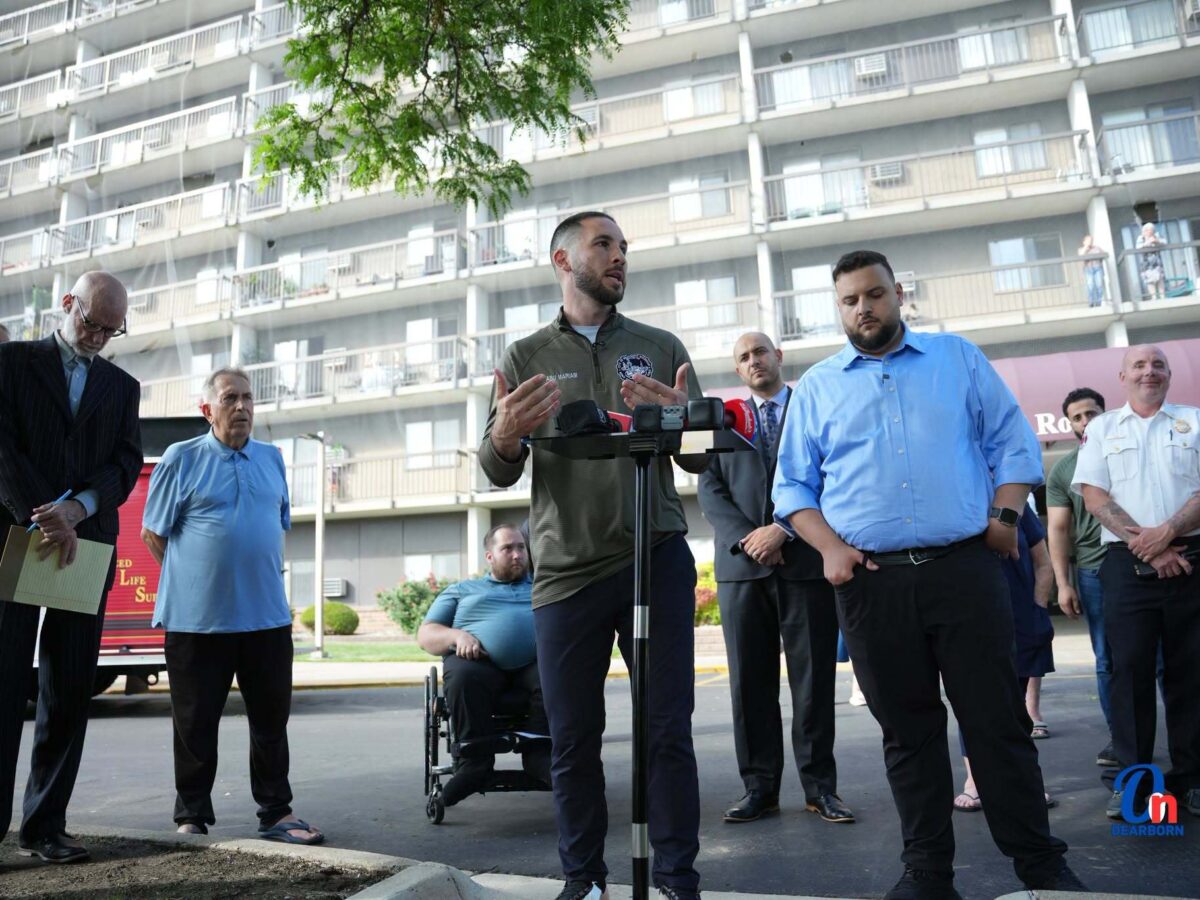
Blowback from latest DTE outage surfaces on midterm campaign trail
A July 4 weekend power outage affecting 400,000 DTE customers has intensified the political debate over utility accountability, with Senate candidates in Dearborn-area races calling for reforms.