


Overview:
- Ethan Bakuli, a Planet Detroit reporter, is set to explore the health impacts of flooding in Metro Detroit's eastside neighborhoods through the USC Health and Climate Change Reporting Fellowship.
- His project will highlight the chronic street flooding and basement backups affecting these communities.
- Bakuli's findings, supported by USC's community engagement program, will be published in Planet Detroit in 2026.
Planet Detroit’s Climate Solutions and Service Journalism Reporting reporter, Ethan Bakuli, has been selected for the inaugural USC Health and Climate Change Reporting Fellowship, a national program from the University of Southern California’s Center for Health Journalism supporting in-depth reporting at the intersection of climate and public health.
Bakuli will focus his fellowship project on the health impacts of flooding in Metro Detroit, particularly in eastside neighborhoods that face chronic street flooding and basement backups.
Living on Detroit’s eastside and reporting from these communities has shaped his understanding of how residents deal not only with immediate infrastructure failures but also with longer-term physical and mental health effects.
He said the fellowship will give him the support he needs to investigate the physical and mental health challenges Metro Detroiters face long after the stormwater has receded.
Bakuli brings a strong background in community-centered journalism to the role. Before joining Planet Detroit, he covered education and community issues for Chalkbeat Detroit and worked as a freelance journalist reporting on race and labor.
Earlier in his career, he taught high school students to produce audio and visual stories about their communities. This experience reinforced his belief in the importance of community-led reporting.
As a freelance journalist, Bakuli has written about community responses to corporate pollution, grassroots efforts to reduce chronic absenteeism in under-resourced schools, and healthcare labor organizing in both rural and urban settings. His work has appeared in USA Today, Chalkbeat, Planet Detroit, Capital & Main, and other outlets.
Bakuli said his lived experience and reporting background make the flooding project a continuation of work he has long wanted to pursue. He noted that neighbors routinely share stories of repeated flooding and its toll.
“USC has a long track record of supporting ambitious reporting on health issues across the country, and I trusted that this fellowship could assist me in producing this project from start to finish,” he said.
Bakuli’s fellowship reporting will be published in Planet Detroit in 2026 and will include community engagement supported by USC’s program.
Has repeated flooding in Metro Detroit impacted your family’s health? Please share your story by filling out the form below or contacting Planet Detroit.
Reporting by Ethan Bakuli
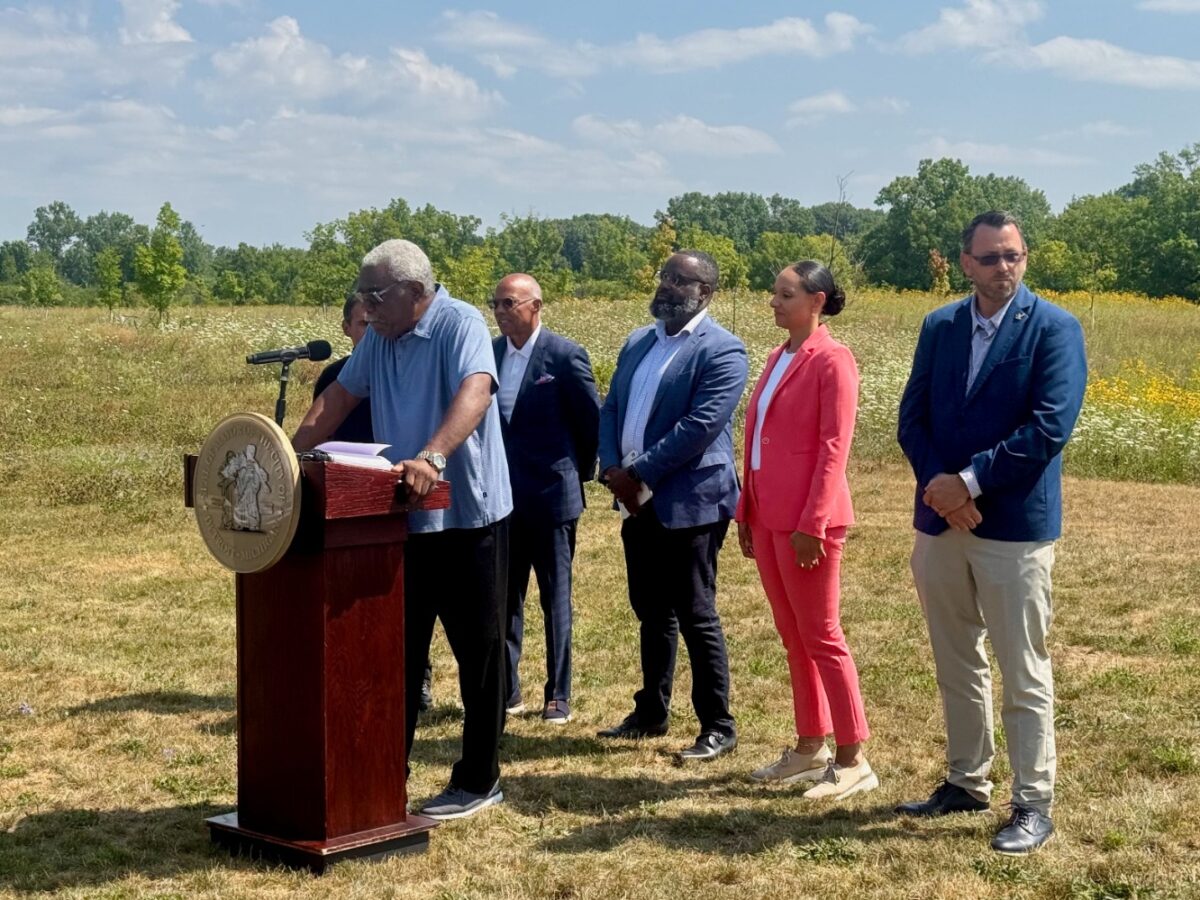
Can green infrastructure fortify flood-prone Southeast Michigan? ‘We’re opening the door for projects’
As intense rainstorms overwhelm Metro Detroit’s century-old combined sewer system, residents, nonprofits, and government turn to rain gardens and large-scale green infrastructure to reduce flooding and protect water quality.

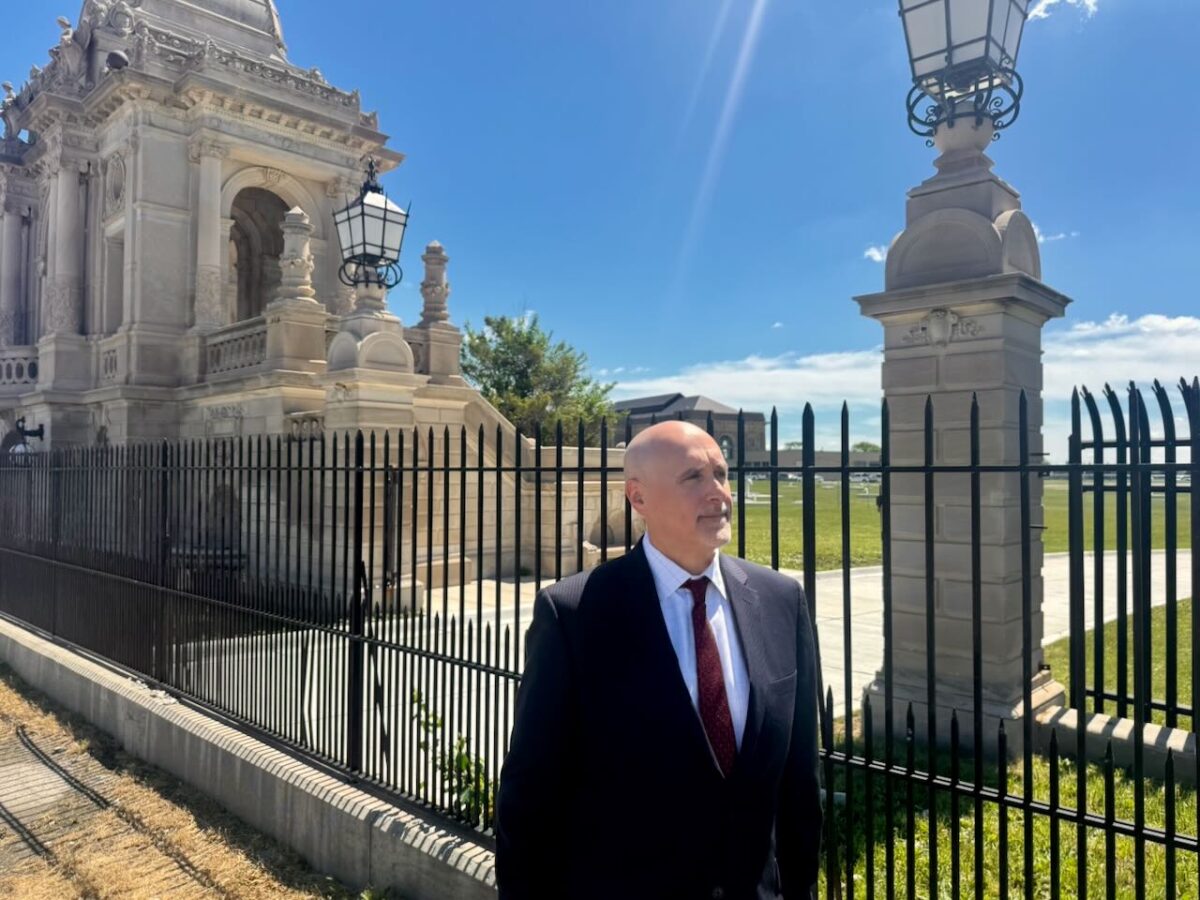
Southeast Michigan’s flood cleanups continue in courtrooms, boardrooms: How are we rebuilding for stormier future?
Precipitation has increased 15% across the Great Lakes region in seven decades, straining Metro Detroit’s aging infrastructure. A regional task force aims to develop flood mitigation strategies by spring 2027.
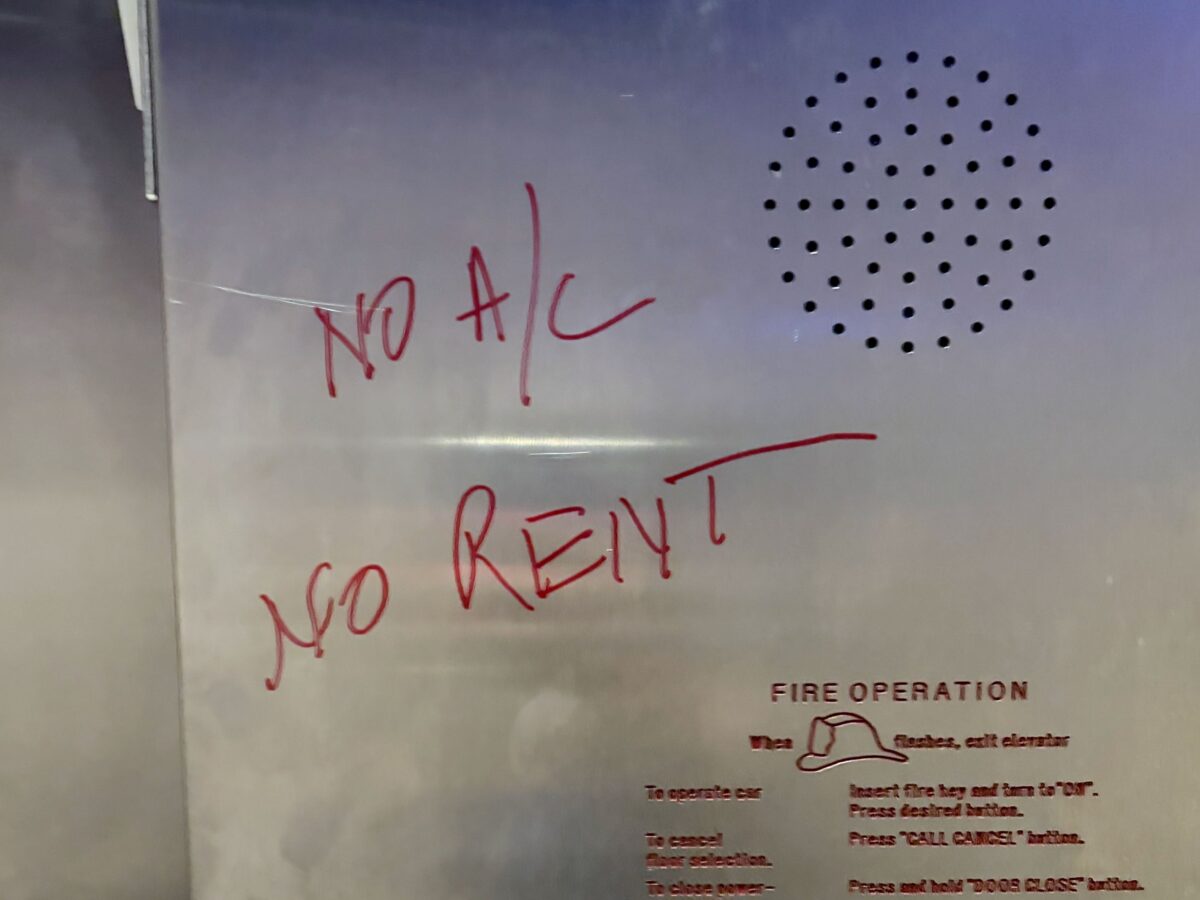
Residents at Detroit high-rise ride out heat waves with broken AC: ‘Unsafe temperatures’ at Riverfront Towers
Riverfront Towers high-rise has “unsafe temperatures for tenants living in the building,” city inspector says in blight ticket issued Tuesday during heat wave.