



by SUSAN HAIGH
HARTFORD, Conn. (AP) — Approximately $3.6 billion in delayed funding for the Low Income Home Energy Assistance Program, or LIHEAP, was released Friday to states and tribes, according to the National Energy Assistance Directors Association.
The federal funding for LIHEAP, which helps millions of low-income households pay to heat and cool their homes, has been held up during the beginning of the cold-weather season because of the federal government shutdown, which ended Nov. 12.
“This release of LIHEAP funding is essential and long overdue,” Mark Wolfe, executive director of NEADA, said in a statement. “Families can finally begin receiving the support they need to keep the heat on as winter begins.”
States typically receive their allocations at the beginning of November.
The U.S. Department of Health and Human Services, which oversees the assistance program, has not yet issued a formal public announcement about resumption of the funding. After the federal shutdown ended, HHS said one of its agencies would “work swiftly to administer annual awards,” blaming the delay on congressional Democrats.
Wolfe said state agencies told his organization they’ve received award letters from HHS, enabling them to begin distributing assistance to households.
A message was left seeking comment with HHS.
On Monday, a bipartisan group of U.S. House members sent a letter to HHS Secretary Robert F. Kennedy Jr. urging him to release the LIHEAP funds by Nov. 30. Given the heating season has already started in many parts of the U.S., they said “there is no time to waste,” especially for households that use home heating oil or propane. Those fuels typically aren’t affected by state moratoriums on utility shutoffs during the winter months.
Roughly 68% of LIHEAP households also receive SNAP food benefits. Wolfe said delays in both programs during the shutdown “put many households in an even more precarious situation than usual.” While Friday’s funding release is welcome news, he said the need for assistance “remains enormous,” especially given rising energy prices. He noted that arrearages remain near record highs.
THE LATEST FROM PLANET DETROIT
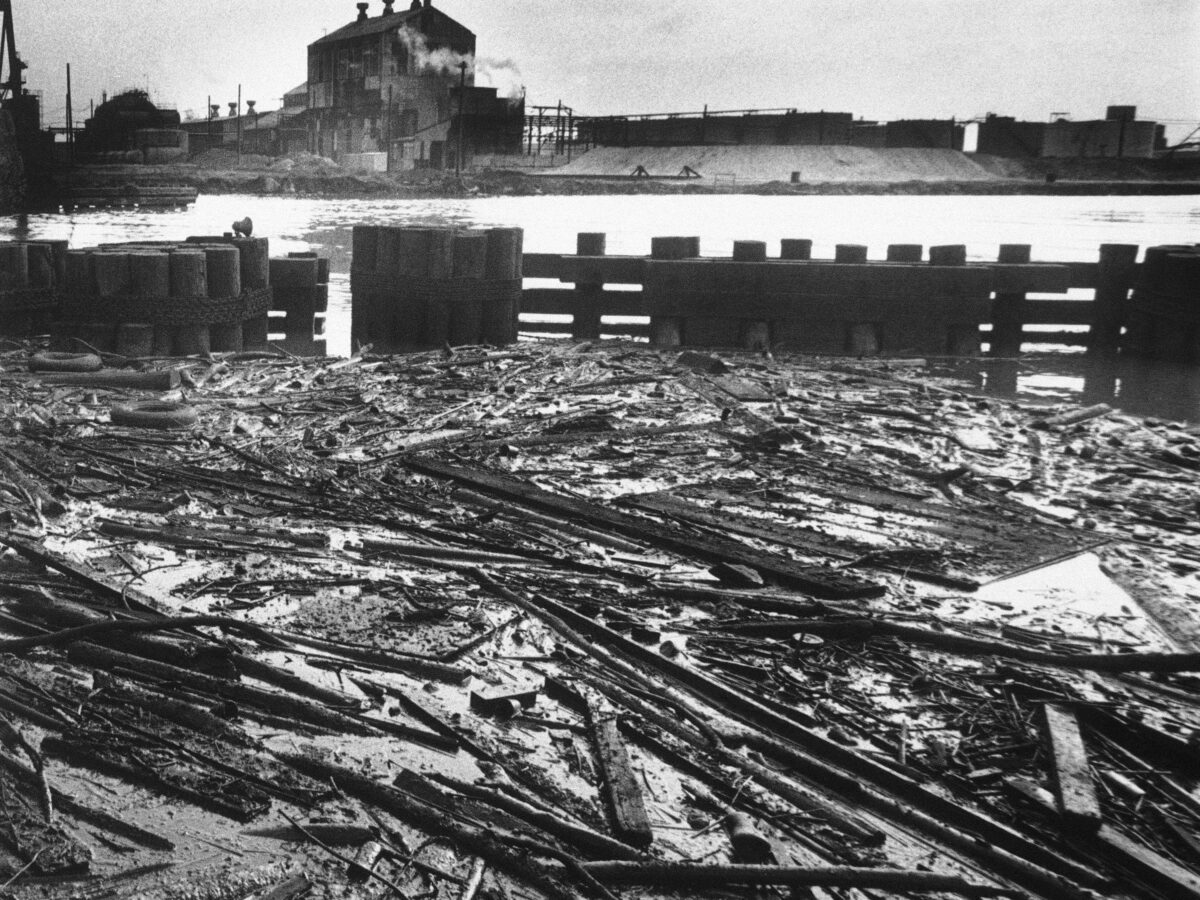
Century of contamination: How Zug Island became Detroit’s industrial epicenter
Early ideas for the island included a city garbage dump with a promise of the operations being “smokeless and odorless,” or improving the land into a “healthful resort similar in attractiveness to Belle Isle.”


Data center news: Michigan Chamber, DTE among members of new data center coalition
The group Michigan for Responsible Data Centers says it counters “misinformation” about the facilities and aims to provide fact-based resources to communities.


Shaquille Quamae Hall’s vision for Detroit youth: ‘Many hands make light work’
Detroit photographer and Planet Detroit Neighborhood Reporting Lab participant Shaquille Quamae Hall details his journey from mentee to mentor.
