

Michigan is rapidly becoming a hotspot for massive data center developments, raising questions about energy demand, water use, and tax incentives. We examine what this growth means for communities and the environment.

Data centers in Michigan: What you need to know
As data centers proliferate across the Great Lakes, driven by AI’s soaring demands, communities face a dual reality: economic growth and environmental challenges.
Data provided by https://www.datacentermap.com/usa/
More data center reporting from Planet Detroit
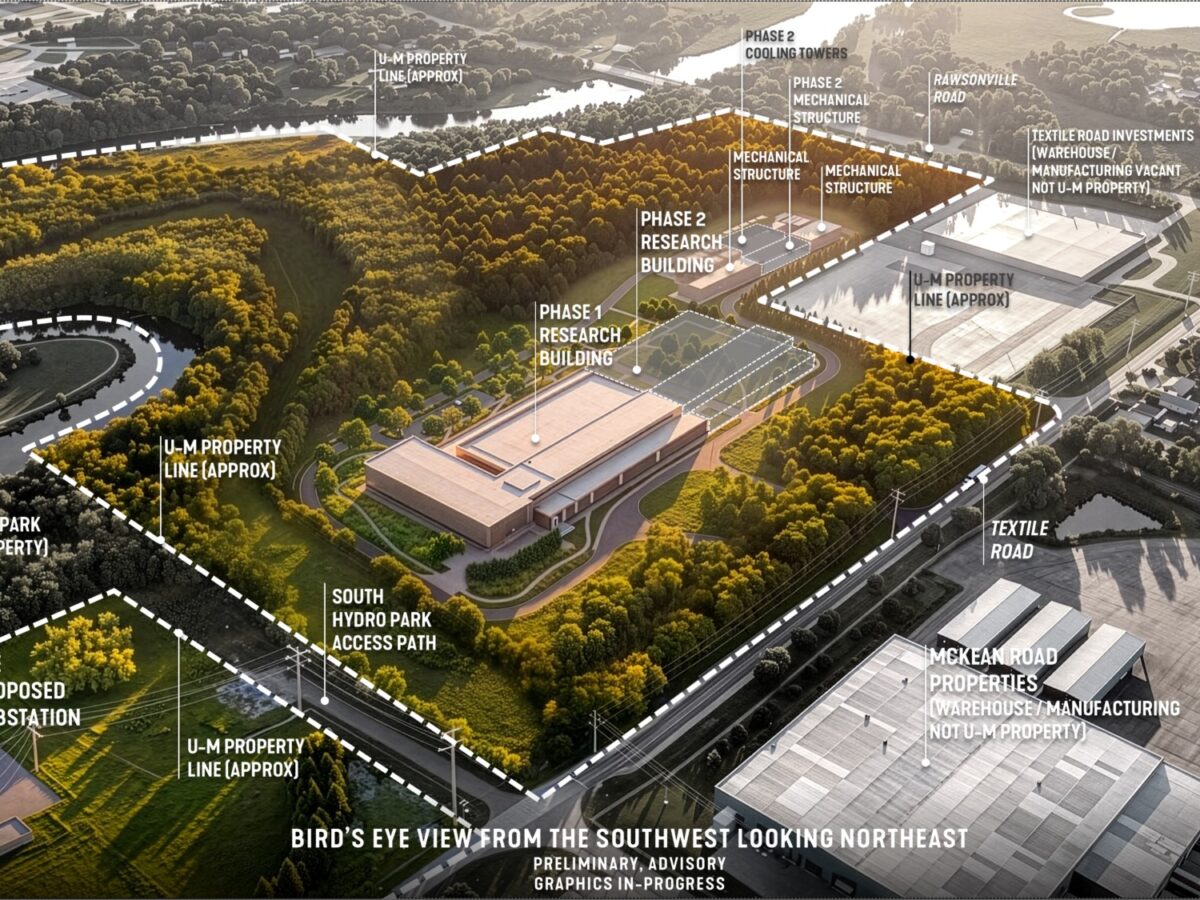
University of Michigan regents approve $785 million Los Alamos computing center project
The University of Michigan Board of Regents voted to move forward with a 100-megawatt computing center with Los Alamos National Laboratory on Textile Road in Ypsilanti Township. Local elected officials and many residents oppose the project, citing noise, generator emissions, and risks to the Huron River.

Big US data centers emit more carbon than Denmark: Harvard study
The data centers emissions estimate is two to three times what previous studies had shown.

Ypsilanti Township data center site is ‘highly archaeologically sensitive’: State historic office
The University of Michigan is working with an archeologist to assess whether Indigenous artifacts or human remains could be found at its proposed Ypsilanti Township data center site.
DTE to sell non-utility business to fund grid upgrades, data center growth
The DTE Vantage sale does not include EES Coke Battery on Zug Island, a facility for which DTE is appealing a $100 million fine for air pollution.

What Michigan election results mean for data centers, DTE, clean energy
Environmental groups say Democratic wins could help protect Michigan climate law and lower energy bills.
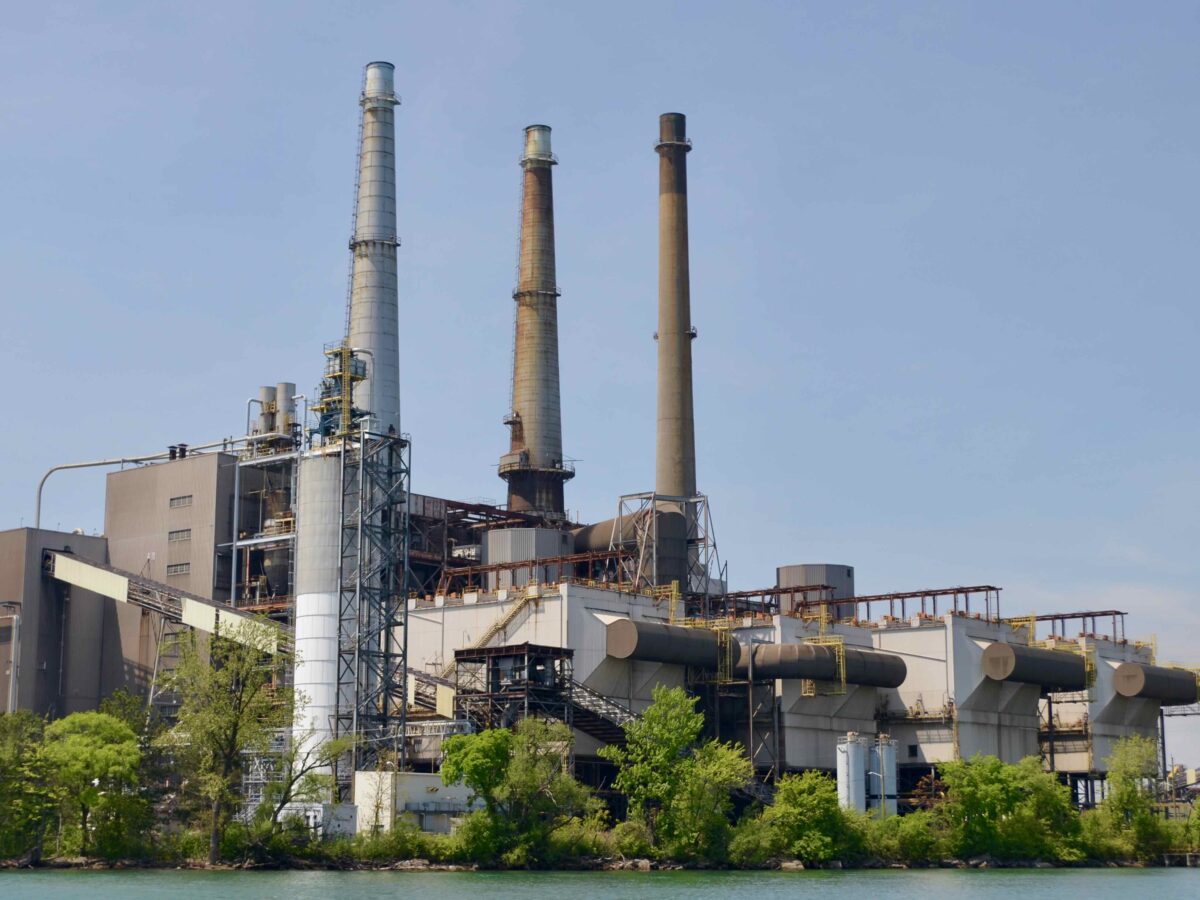
Can DTE build 2 gas plants and still meet Michigan’s 2040 carbon-free goal?
DTE Electric wants to build two gas plants and add carbon capture later to comply with Michigan’s 2040 clean energy law. Critics say the technology is unproven for U.S. power plants and could leave ratepayers with a costly, risky bet.
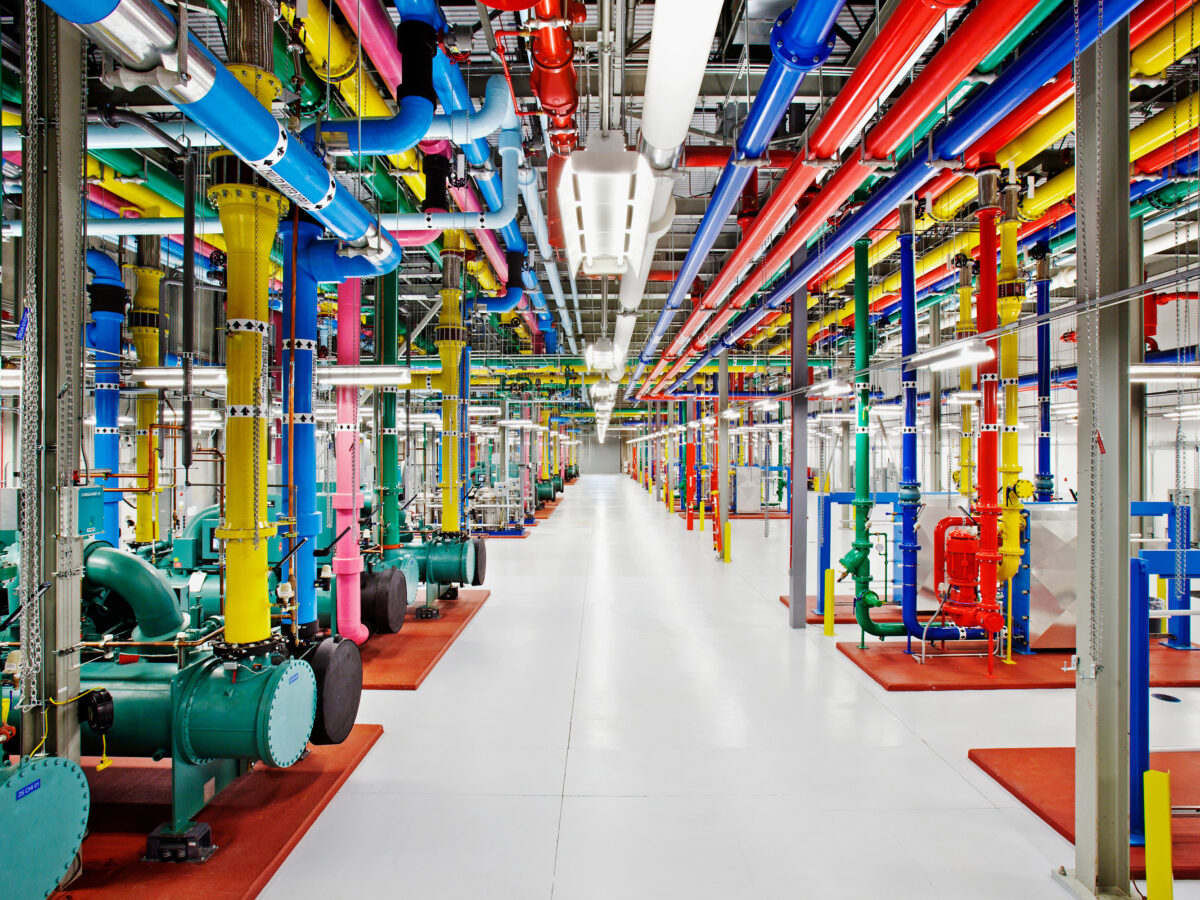
Google data center wins final approval in Wayne County: What residents need to know
How Google’s Van Buren Township data center could impact water resources, air quality, utility bills, neighborhood noise levels, and more.
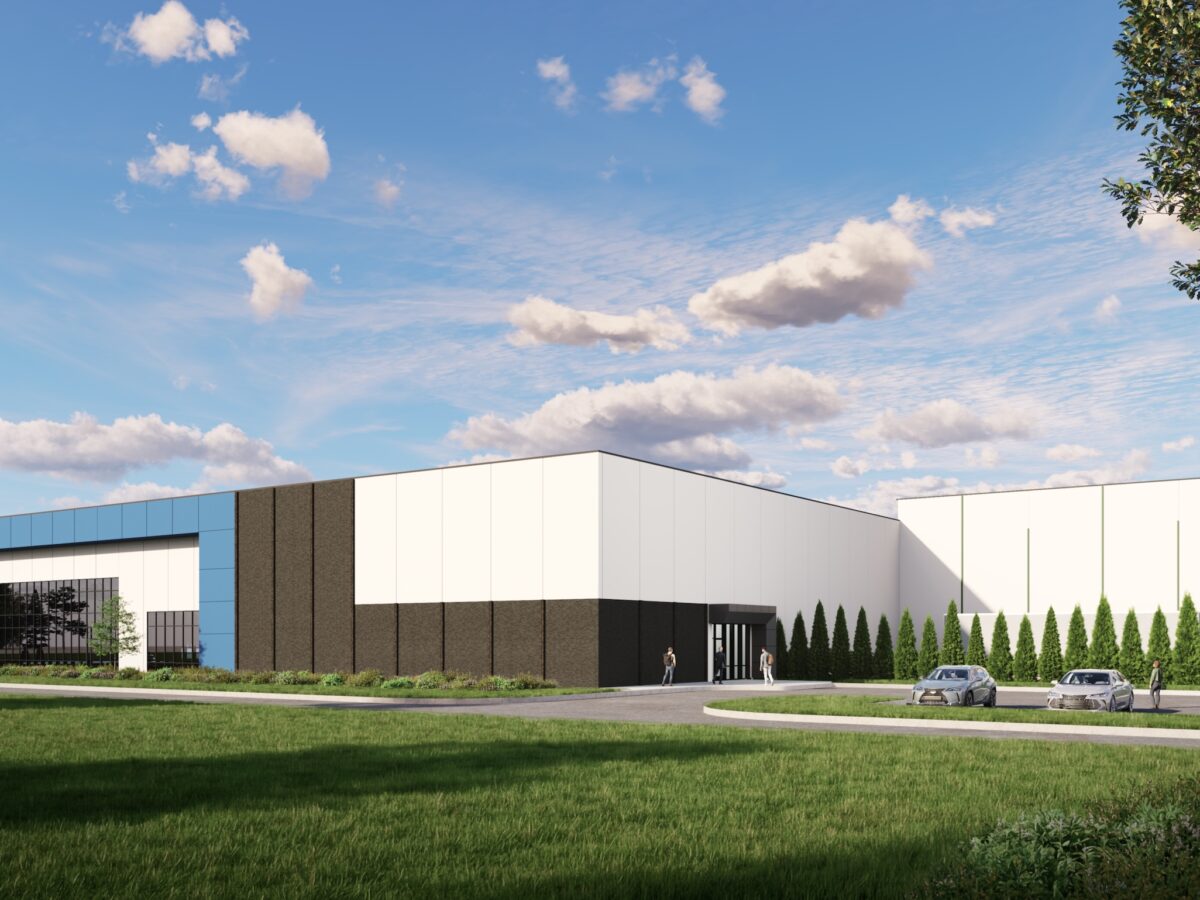
Google data center secures Van Buren Township approval, with startup expected in late 2027
Van Buren Township residents living near the data center site railed against the project, saying early construction activities are already lowering their quality of life.
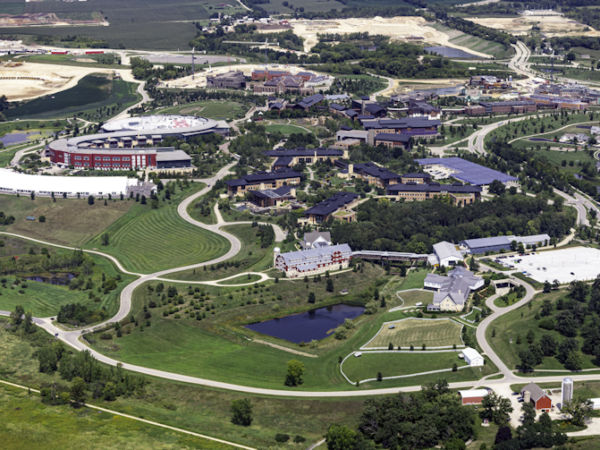
How heat from a Wisconsin data center is being stored for the winter
Servers produce heat every hour of the year, and a Wisconsin campus shows how drilled wells can bank summer warmth in rock for winter use.
Something went wrong. Please refresh the page and/or try again.