


Overview:
- Environmental justice groups sign a July 15 letter calling for a data center moratorium while Detroit develops regulations.
- City Council data center report comes under criticism for copied material and reliance on industry-friendly sources.
- A data center developer evaluated the Packard Plant site for a Google project and concluded it was too small.
Detroit’s City Planning Commission is developing recommendations for a data center ordinance after several working groups met in the spring and early summer.
🗳️ Civic Action Toolbox — see how you can get involved
Why it matters
Two sites in Detroit have been considered for data center development, and the city does not have an ordinance regulating the facilities.
Who's making public decisions
The Detroit City Planning Commission is drafting a data center ordinance for City Council's consideration. In March, the council recommended a two-year data center moratorium that has not been taken up by Mayor Mary Sheffield.
Contact Your Representatives
- Scott Benson ()
Detroit City Council Member, District 3, - Mary Sheffield ()
Mayor of Detroit, - Gabriela Santiago-Romero ()
Detroit City Council Member, District 6, - Rashida Tlaib (Democrat)
U.S. Representative, Michigan District 12, District 12
202-225-5126 - Stephanie Chang (Democratic)
State Senator, 3
senschang@senate.michigan.gov
Civic Actions: What You Can Do
- Find your Detroit City Council representative
Visit the City of Detroit website to identify your council member, who can be contacted about the City Planning Commission's data center ordinance recommendations and community input concerns. - Write a letter to the editor
Share your perspective with your community. - Register to vote or check your registration
Make sure your voice counts in the next election.
Organizations to Follow
What to watch for next
Watch for draft data center ordinance language from the City Planning Commission in the coming weeks. City Council Member Scott Benson aims to have regulations in place by the end of the year.
Are you taking action? Let us know.
Civic resources compiled by Planet Detroit
Nine environmental justice and community groups and three elected officials signed a July 15 letter to Mayor Mary Sheffield that calls for a moratorium to provide more time to develop a protective data center policy.
The signatories on the call for a moratorium include Great Lakes Environmental Law Center (GLELC), Detroit Future City, Eastside Community Network, the Sierra Club Michigan Chapter, U.S. Rep. Rashida Tlaib, state Sen. Stephanie Chang and Detroit City Council Member Gabriela Santiago-Romero.
Without a moratorium in place, City Council Member Scott Benson, who convened the data center working groups, said he’s working quickly to create a “community-informed” ordinance that puts health, environmental, and financial protections in place by the end of the year.
The planning commission is drafting a data center ordinance and will release the language in the coming weeks, Benson told Planet Detroit Aug. 26.
The Detroit City Council recommended a two-year data center moratorium in March. Sheffield has not adopted the recommendation.
Sheffield’s administration “has effectively paused the permitting of new principal use data centers while the issue is being considered” by the planning commission and council, City Planner Eric Fazzini said in an Aug. 5 report.
Planning Commission Director Marcell Todd said data centers already operate in Detroit, but hyperscale data centers are creating controversy and concerning impacts nationwide.
“This is not just about permitting a use; this is actually more importantly about regulating a use,” Todd said during an Aug. 6 meeting.
Packard Plant, Shoemaker Street sites were eyed for data centers
Michiganders have frequently expressed concern over data center projects they fear could pass on costs to utility ratepayers or undermine Michigan’s climate law. Data center developers and public officials in other communities have said the projects could bring thousands of temporary construction jobs and millions in local tax benefits.
Hundreds of Detroiters stated their opposition to data centers in Sheffield’s Rise Higher survey, which Sheffield said is intended to help the city shape its priorities.
A data center was proposed for an east side industrial site on Shoemaker Street, near Conner Street and I-94, but the proposal was dropped, Erin Stanley, a policy analyst in Detroit City Council Member Latisha Johnson’s office, told Planet Detroit in July.
A city request for proposals for the site outlines technology and artificial intelligence as a possible use for the 14.4-acre, city-owned property.
Data center developer Panattoni evaluated the sprawling former Packard Plant for a 1-gigawatt Google data center that is now proposed for a site in Van Buren Township, the company told state environmental regulators in a filing.
The 38-acre Packard Plant site is not large enough to accommodate the infrastructure and buildings needed for the data center, according to Panattoni.
In December, former Detroit Mayor Mike Duggan announced a plan to redevelop 28 acres of the Packard site with an indoor skate park, affordable housing, and a large industrial building.
This plan was terminated by Sheffield’s administration in February, Crain’s Detroit Business reported.
Some of the parcels at the Packard site were tax foreclosed by Wayne County in 2022. These parcels did not sell at auction and were transferred to the city, said city spokesperson John Roach.
Hyperscale data centers are large facilities like the Oracle and OpenAI facility under construction in Saline Township and Google’s proposed Van Buren Township development.
Data centers of this size can use over 1 gigawatt of energy, or as much power as a large city.
DTE Energy indicated that Detroit lacks the 345-kilovolt high power transmission lines needed to power hyperscale data centers, the Aug. 5 planning commission report said.
“Hypothetically, it may be possible to develop a hyperscale data center if it had an independent power source, such as a nuclear power plant or a new natural gas plant,” the report said.
City council approved a resolution July 21 in opposition to the unmitigated use of Detroit water resources to cool artificial intelligence data centers, noting the vast amounts of water consumed by some facilities.
This water usage could overtax local infrastructure, according to the resolution.
“The cumulative impact of these facilities is unknown as they continue to expand, and the Great Lakes Region lacks a consistent and adequate regulatory framework to ensure the protection of precious freshwater supplies,” the resolution states.
City needs data center ordinance to protect residents: Benson
Many data centers proposed across the country use on-site power generation, which could bring more pollution to Detroit, said Eden Bloom, an environmental advocate affiliated with the Detroit People’s Platform, a social justice organization.
The Detroit People’s Platform withdrew from the health and environmental working group because of the difficulty in reaching a consensus with other members and the short time given to develop recommendations, Bloom said.
Michelle Martinez, director of the University of Michigan’s Tishman Center for Social Justice and the Environment, also participated in the environmental working group. It lacked a process for public input on the ordinance, she said.
The subcommittee began meeting in June, while the main working group had been meeting since April, she said.
“It was pretty frustrating to be brought into a process ostensibly after the ink had dried,” she said.
The Data Center Zoning & Policy Working Group, the primary working group, included six representatives from DTE Energy, two from the Detroit Economic Growth Corp., two from labor unions involved in data center construction, and one environmental advocate among 33 people who were invited.
That’s according to an agenda from the group’s April 10 meeting obtained by the Detroit People’s Platform from Benson’s office.
Benson previously told Planet Detroit that he disagrees with allegations there wasn’t enough time for subcommittees to develop recommendations. It’s important to put an ordinance in place to protect Detroiters, he said.
“What I am going to do is make sure that the city of Detroit has regulations, which we do not have now,” Benson said in a July 6 phone interview.
Data center report plagiarizes material, uses industry sources: Environmental advocates
On July 30, GLELC attorney Andrew Bashi sent a letter to Detroit City Council that criticizes a July 22 data center report from the City Council’s Legislative Policy Division (LPD) for relying on industry-friendly sources, and accuses city staff of plagiarizing material.
The council report estimates the city could generate $107 million in property tax revenue over a 20-year period from a 1-gigawatt data center project.
The LPD analysis plagiarizes portions of other reports and relies heavily on industry-friendly sources, the GLELC letter says.
The sources include an Anderson Consulting Group study commissioned by Consumers Energy and a Public Sector Consultants report commissioned by the Michigan Chamber Foundation and Detroit Regional Chamber.
The Michigan Chamber helped launch a pro-data center group, Michigan for Responsible Data Centers, in March. The Detroit Regional Chamber is a member of the group.
The first three paragraphs from LPD’s conclusion are identical to text in the Citizens Research Council of Michigan (CRC) report: “Data Centers in Michigan: Evaluation of Policy Controversies Regarding Hyperscale Data Center Development.”
This text constitutes the bulk of the conclusion and is not in quotation marks. A footnote at the end of the third paragraph references the CRC’s report.
The LPD report’s community benefits section and jobs analysis also partially copy the CRC report.
The GLELC letter said this is significant because a reader would not know the report is not LPD’s analysis, but rather a “private organization’s conclusions relabeled as LPD’s own.”
LPD Director David Whitaker told Planet Detroit by email the report isn’t intended to be an exhaustive study of data centers’ potential financial impacts in Detroit.
“LPD does not have the expertise in-house to conduct the detailed analysis that GLELC suggests,” Whitaker said.
The department used sources like the CRC that are familiar with obtaining and analyzing municipal impacts, he said.
While it would have been correct to quote certain passages, LPD acknowledged where the statement came from and directed readers to the source with footnotes, he said.
CRC President Eric Lupher told Planet Detroit the group gives permission to reprint its work, provided it’s properly cited. For the most part, the LPD cites the research council’s work, he said.
“LPD might have headed this off by acknowledging in their introduction that what follows is a compilation of several recent reports on data centers,” Lupher said in an email.
Lupher agrees with GLELC’s criticism that the LPD report presents only the positive framing from the CRC’s construction jobs analysis, “while dropping CRC’s counterbalancing caveats, without any indication that material was omitted,” he said.
This frequently occurs when information is gleaned from larger reports, Lupher said.
In addition to these issues, the LPD’s footnotes cite “AI internet” as a source three times, with the caveat: “LPD cautions that the AI internet is subject to omissions and errors.”
Whitaker said the “AI Internet” sourcing was used “as it often provides a summary of various sources of information on a topic.
“As indicated in the report, that information is subject to omissions and errors.”
The issues the GLELC letter raised with the council report are unsurprising, and underscore the need for Detroit to take its time in developing a data center ordinance, said U of M’s Martinez.
A moratorium is needed until the rules are in place, she said.
Editor’s note: This story has been updated to clarify that data center developer Panattoni evaluated the Packard Plant site for a Google data center.
MORE DATA CENTER NEWS
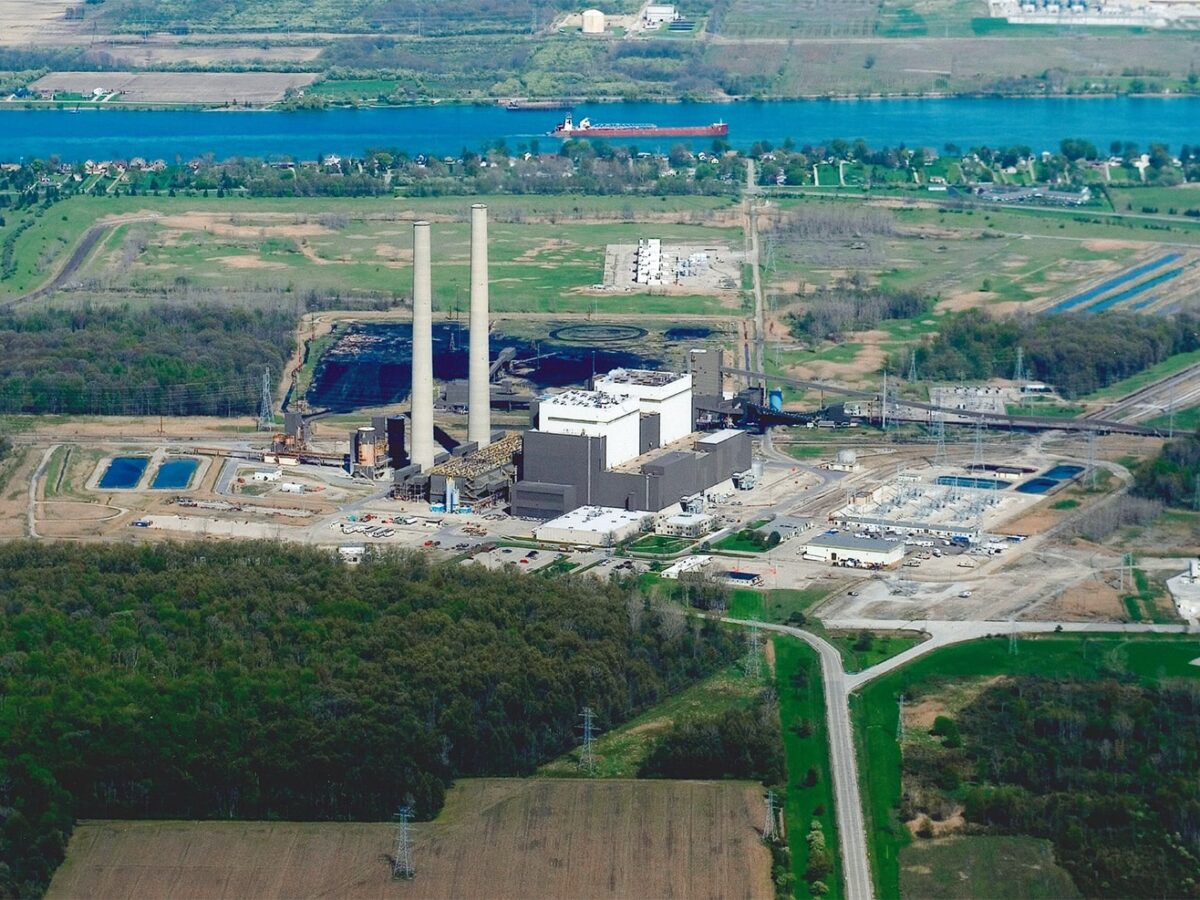
DTE will seek approval for 2 natural gas plants as coal phases out, data centers go online
DTE Energy will ask regulators to approve construction of two natural gas plants totaling 2.1 gigawatts of capacity.


Gibraltar faces data center developer lawsuit after city passes moratorium
The developers behind a proposed 100-megawatt data center on Gibraltar’s former McLouth Steel property are suing the city over its one-year moratorium on data centers.
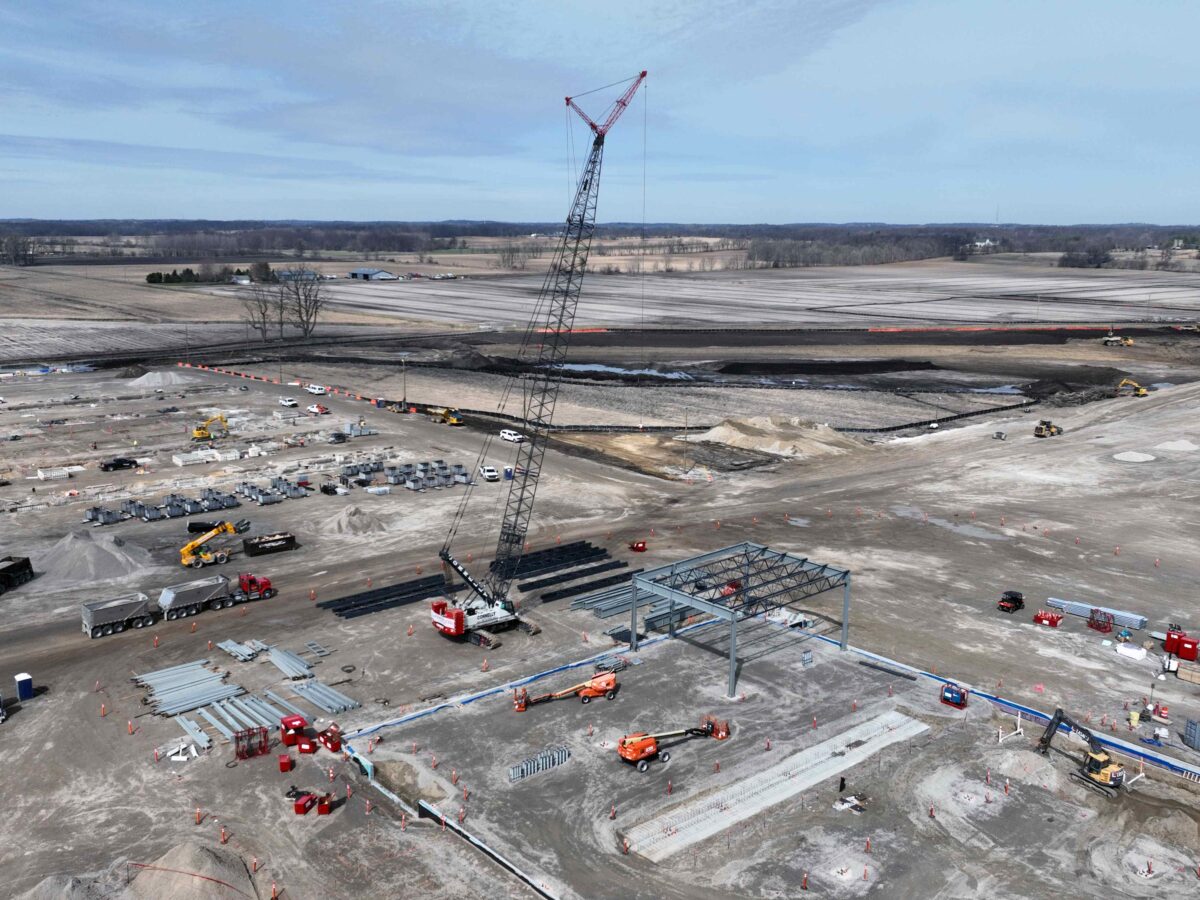
Lawmakers push data center accountability as Michigan prepares for midterms
Multiple bills in Michigan’s legislature would regulate or pause data center development, as communities grapple with facilities that can require over 100 megawatts of power and millions of gallons of water to operate.