

Overview:
- Michigan lawmakers have introduced bills to pause data center approvals until 2027 and require facilities to cover full electricity costs and sign community benefits agreements.
- The 1.4-gigawatt Oracle and OpenAI data center in Saline Township has received support from Governor Gretchen Whitmer — and backlash from Attorney General Dana Nessel, who's challenging its power contracts.
- More than 50 Michigan municipalities have passed moratoria on data center development while officials study potential impacts on water, electricity, and the environment.
This story is part of a series by Planet Detroit on the environmental and health issues at stake in the 2026 midterm election.
The question of how to hold data center developers accountable is key to this year’s midterm election in Michigan.
🗳️ Civic Action Toolbox
Why it matters
Data center critics say the facilities could strain Michigan’s electric grid and water supply while lacking transparency on energy use. Michigan lawmakers have introduced multiple data center bills in this election year.
Who's making public decisions
The Michigan Legislature is considering bills that would pause data center approvals until April 2027 and require facilities to cover full electricity costs and sign community benefits agreements. Gov. Gretchen Whitmer has said she won’t sign a moratorium, but supports data center regulations.
Upcoming Meetings
Civic Actions: What You Can Do
Organizations to Follow
What to watch for next
Watch whether the Michigan Legislature passes a data center moratorium or regulations this year, and whether Whitmer signs or vetoes any legislation that reaches her desk.
Are you taking action? Let us know.
Civic resources compiled by Planet Detroit
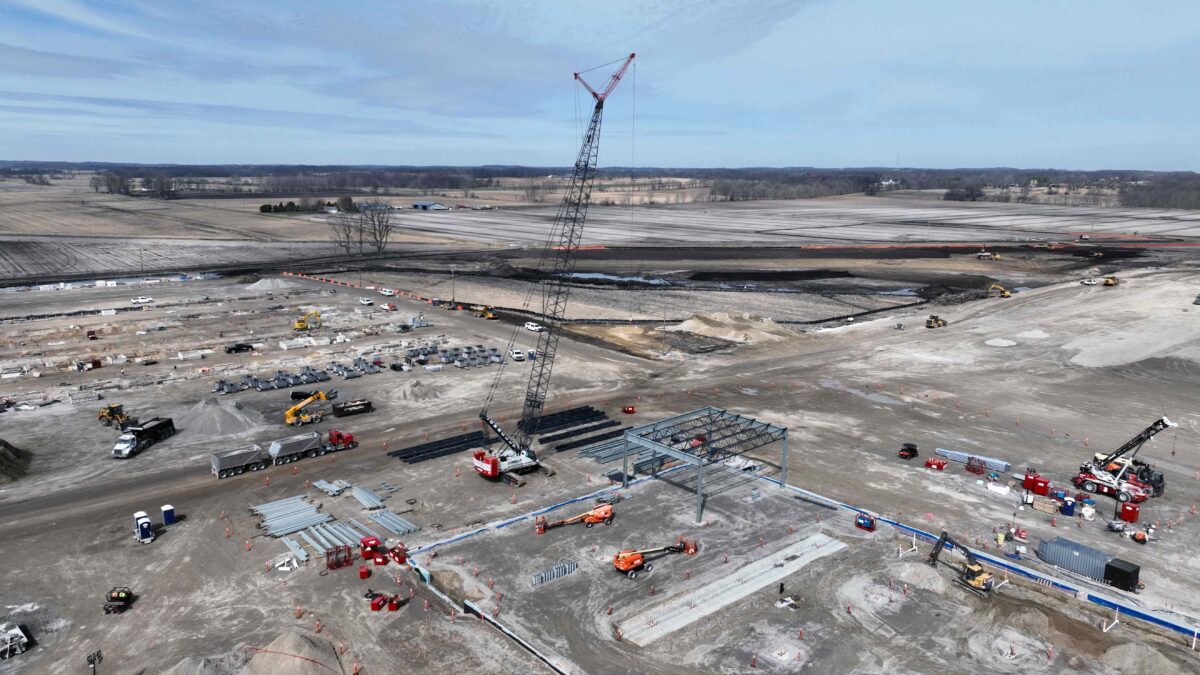
The current holders of offices up for a vote this year, including governor and attorney general, have weighed in on data center controversies like the 1.4-gigawatt facility under construction in Saline Township.
Michigan lawmakers have introduced multiple bills that would pause data center development or add regulations for the facilities.
A bipartisan state House bill package introduced in February would place a moratorium on data center approvals in the state until April 1, 2027.
In June, Michigan House Democrats brought forth legislation that would require data centers to cover the full cost of their electricity, require community benefits agreements, regulate water usage, and mandate noise studies, Michigan Advance reported.
AI demand drives hyperscale data center development
Data centers have long been used to store files online, stream video, and power social media. They’re not new.
What’s new is the size of the data centers needed to power generative artificial intelligence. “Hyperscale” facilities can require over 100 megawatts of power and millions of gallons of water to operate.
Large data centers raise a numerous concerns, from property taxes to noise, air pollution, and beyond. The facilities could strain an outdated electric grid and aging water infrastructure, driving up utility bills or doing long-term damage to the environment.
Michigan has tax incentives for data center projects, and critics say the state lacks the legal teeth needed to regulate the facilities.
Gov. Gretchen Whitmer supports the Saline Township facility for its promised economic benefits. Whitmer has said she will not sign statewide moratorium legislation, but supports legislation that creates stricter rules for data centers.
Attorney General Dana Nessel challenged the DTE Energy power contracts for the Oracle and OpenAI data center in Saline Township, and appealed the Michigan Public Service Commission’s subsequent approval of the contracts.
Nessel argues the project lacks transparency about how much electricity and water the facility could use and lacks sufficient opportunity for public input.
Data center accountability
It’s hard to know exactly what these large data centers will cost Michigan.
It’s fairly typical for data centers to have very little transparency surrounding exactly how much water and power the facilities will use once built, said Helena Volzer, the senior source water manager at the Alliance for the Great Lakes.
“We can’t get that full picture of what’s going on,” which makes predicting demand difficult, Volzer said.
Companies often use nondisclosure agreements to hide this data from the public during the development stage, essentially classifying it as confidential business information.
The data center legislation introduced by Michigan House Democrats in June would ban such nondisclosure agreements between data center developers and local government.
Local governments – cities, counties, townships, villages – have some options for data center accountability.
Municipalities can create a community benefits agreement. These are legal contracts that anticipate the long-term effects of a proposed facility and outline what’s expected of both parties.
Some Michigan municipalities are working on ordinances that regulate data centers without banning them. More than 50 others have passed moratoria to temporarily halt development of new data centers while officials learn more about a proposed facility’s impact.
Your local government may not be as well equipped as some of these large companies, especially if you live in a rural area. A company may move on to the next town rather than sign a community benefits agreement or wait out a moratorium, Volzer said.
States and the Great Lakes region should plan proactively, not reactively, to better manage the region’s resources and support municipalities, she said.
“No one is really looking at whether or not a watershed can handle the increase in water use from a global, kind of comprehensive perspective.”
She suggested requiring a regional demand study, similar to what the Ohio Environmental Protection Agency has done. The study collected data on central Ohio’s water use, available resources, and potential future demands on the area’s water supply to estimate what areas could handle a data center’s water demands.
Other state-level policy recommendations from the Michigan Environmental Justice Coalition and University of Michigan include:
• Requiring data centers to disclose the resources they use.
• Requiring data centers to use a minimum amount of power generated by green energy, in alignment with the Clean Energy and Jobs Act.
• Adding a tariff or use tax to data centers.
• Repealing tax incentives for data centers. (Ohio is pausing its tax exemption after finding out it cost the state $1.5 billion in tax revenue.)
Groups to follow
The Michigan Sierra Club supports a statewide data center moratorium and requiring more transparency for proposed projects.
The Michigan League of Conservation Voters lobbies for data center policies that protect natural resources and taxpayers.
Your local watershed council works to protect water resources in your area.
The Alliance for the Great Lakes has tools residents can use, such as questions to ask at public meetings and a checklist for evaluating a proposed data center’s impact on the community.
Volzer suggested taking these documents to state and local officials, even if no data centers are proposed in your community.
“Start a conversation with your elected officials about what you want to see in your community and what you want to see in your state,” she said.
MIDTERMS 2026 COVERAGE
‘Slap in the face’: Whitmer data center outrage indicates major election year issue
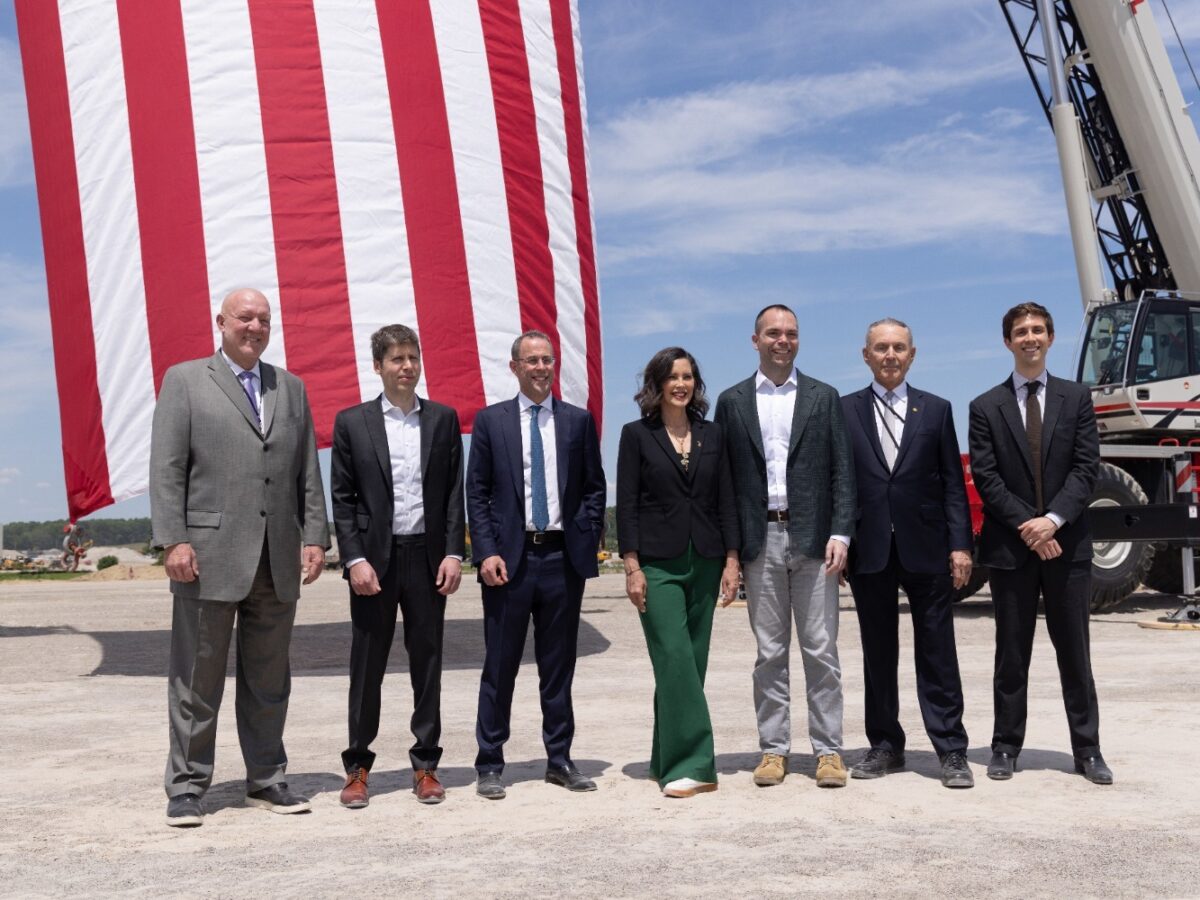
The backlash to Gov. Gretchen Whitmer’s support for a 1.4-gigawatt data center in Saline Township signals data centers may become a defining issue in Michigan’s 2026 election.


Guide: What Michigan voters need to know about PFAS ahead of the midterms
This story is part of a series by Planet Detroit on the environmental and health issues at stake in the 2026 midterm election. PFAS, which stands for per- and polyfluoroalkyl substances, is the umbrella term for an alphabet soup of chemicals, which exist in dozens of common household items, from cookware to clothing to food…

Guide: The future of Michigan’s clean energy law
Michigan’s 2023 Clean Energy and Jobs Act set a goal of 100% renewable electricity by 2040. The November midterm elections could determine whether the state stays on this path.
