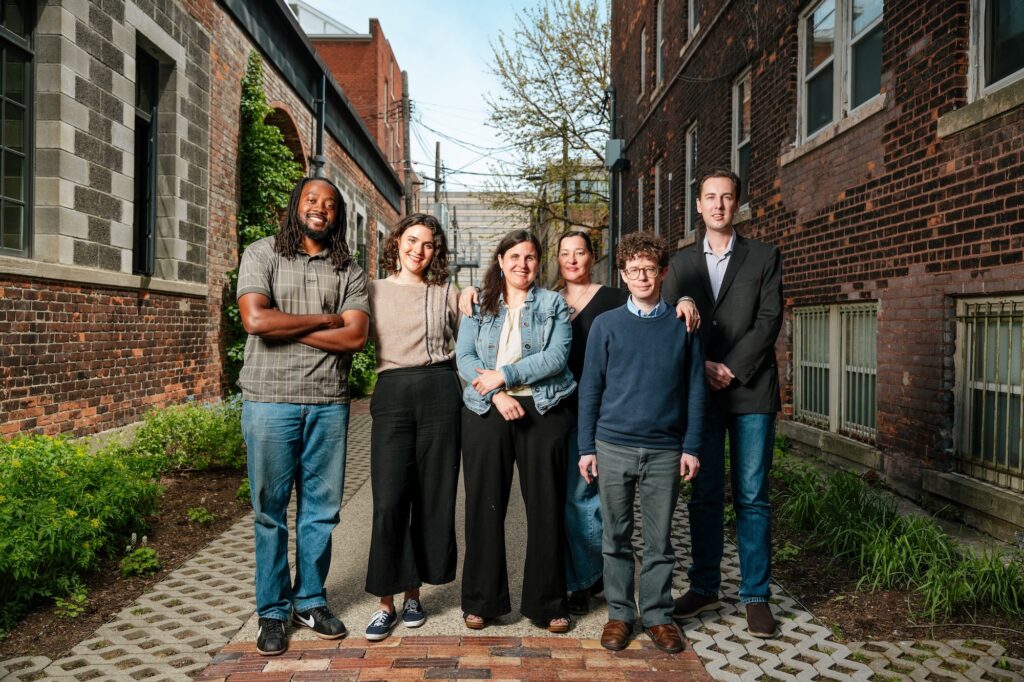


We won’t sugarcoat it. 2025 was tough: for Michigan communities facing down data centers, bursting pipes, drinking water threats, flooding and industrial pollution, and for our small newsroom working to cover it all.
Despite the challenges, 2025 reinforced why independent environmental journalism matters. We produced groundbreaking work on data centers before it was mainstream. We held polluters accountable when enforcement wavered. We documented infrastructure failures and community resilience. We created tools — data dashboards, practical guides, and civic action toolboxes — that became essential resources for residents and advocates.
As we close out this challenging year, here’s how Planet Detroit held the line for Michigan’s environment and communities through the four pillars of our reporting: accountability, service, solutions, and community voices.
Help us keep going
Through Dec. 31, every donation to Planet Detroit is matched dollar-for-dollar through NewsMatch. Your $50 becomes $100. A new monthly donation is matched 12x — turning $5/month into $120.
🎯 Our goals: Raise $10,000 and secure 50 new donors by year’s end.
Here’s a rundown of the stories we reported on this year.
ACCOUNTABILITY: Exposing threats and holding power accountable
Data centers invade the state
We published this comprehensive look at small-town backlash against data center sprawl in September, ahead of the curve as other outlets scrambled to catch up months later. The story captured rural communities speaking out against Big Tech’s energy-hungry infrastructure. The David-versus-Goliath battles in Washtenaw County foreshadowed a statewide pattern.
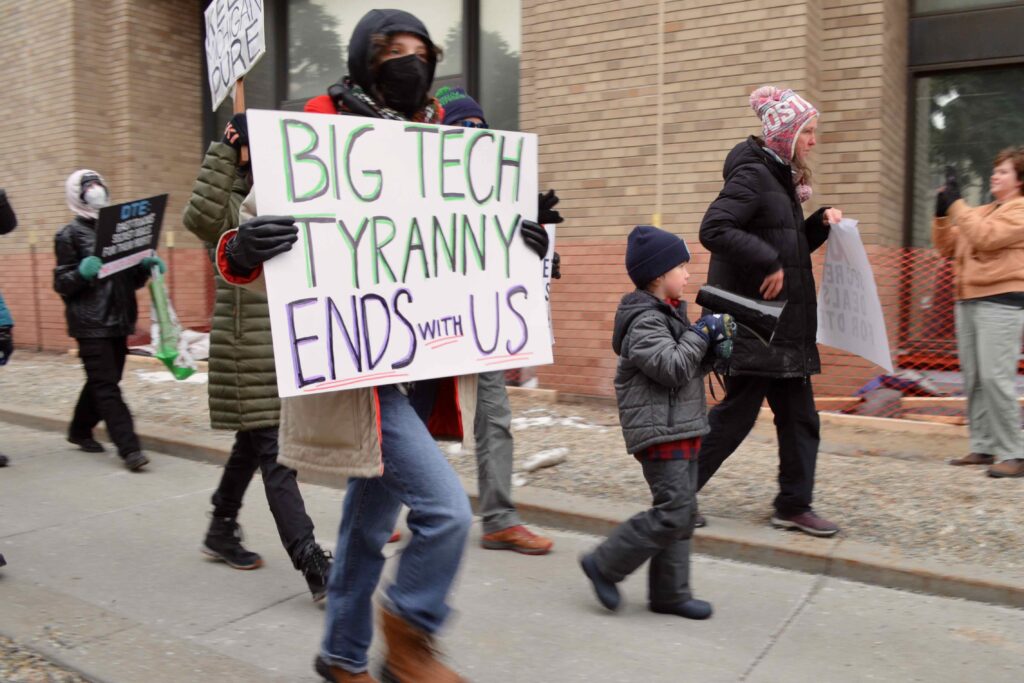
Our June piece on Gov. Gretchen Whitmer’s appointment to the Michigan Public Service Commission warned readers about utility influence on the commission. This concern materialized in December as the MPSC considered fast-tracking DTE’s Saline data center.
Then, this fall, as the data center phenomenon grew, we created a comprehensive guide to data centers in Michigan explaining what they are, how they impact communities, and how residents can engage in the approval process. We also produced a guide to the Michigan Public Service Commission, the state agency that regulates utilities and approves major energy projects, so residents understand how to participate in hearings and make their voices heard.
See all of our data center coverage.
Water infrastructure continues failing Detroit
When a major water main break flooded homes in Southwest Detroit in February, we documented the immediate crisis. But we didn’t stop there.
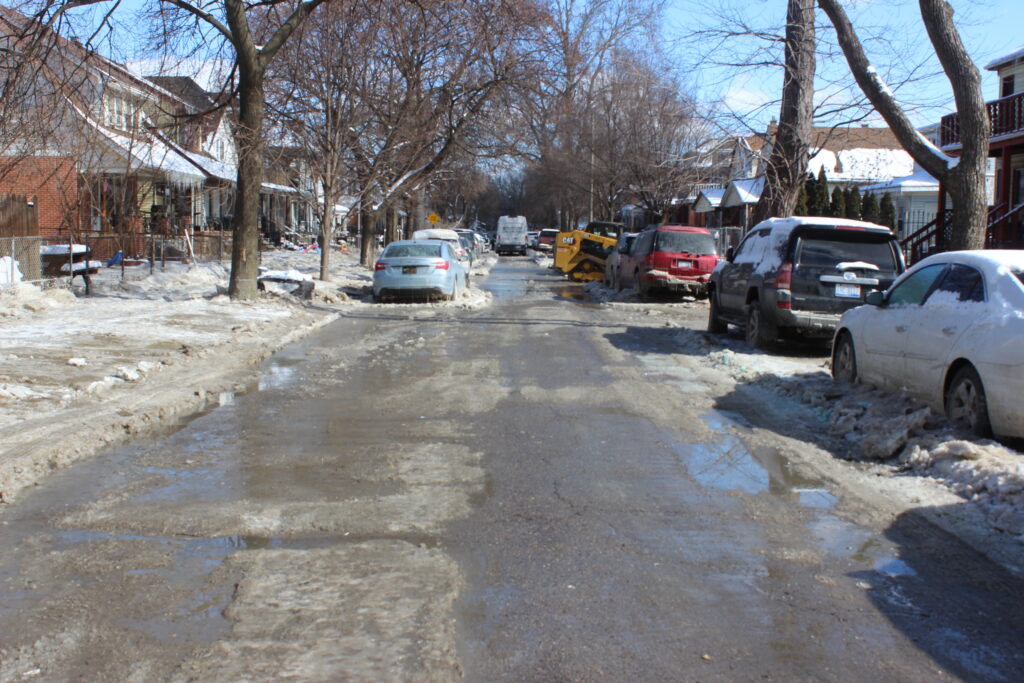
Our follow-up investigation revealed how climate change is compounding Detroit’s water infrastructure problems. “Weather whiplash” events cause pipes to undergo “thermal shock,” making them brittle and prone to catastrophic failure. The 1930s-era water main that burst, combined with increasingly volatile temperatures, creates a perfect storm for more frequent breaks.
This exemplifies our approach: breaking news coverage that captures immediate human impact, followed by investigative reporting that explains systemic forces at play.
Wyandotte’s water crisis: An investigation
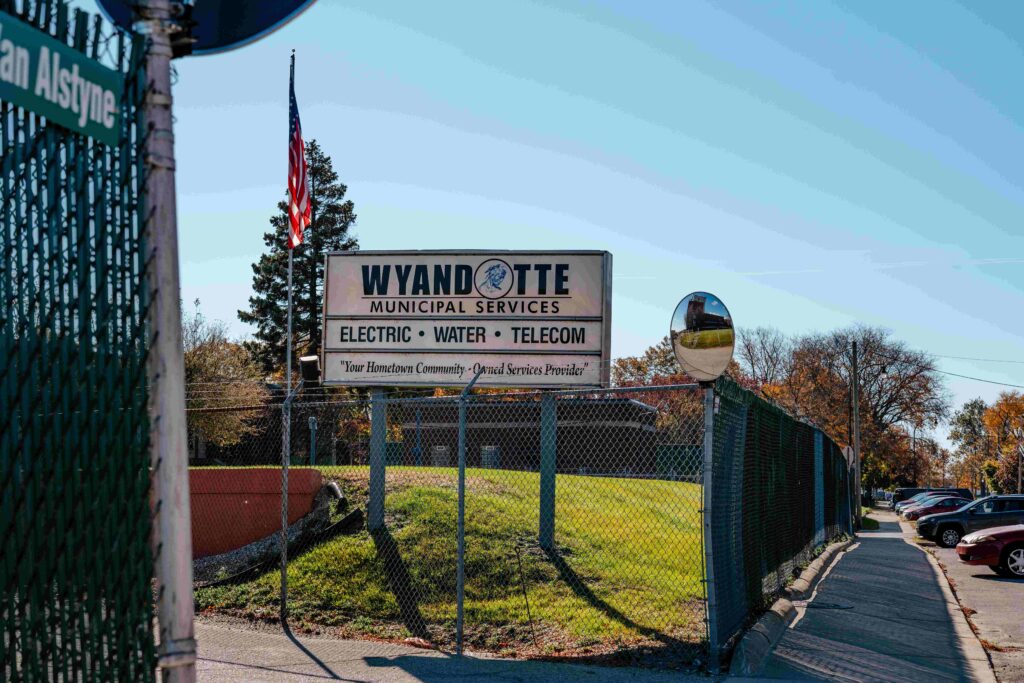
Our deep dive into Wyandotte’s drinking water started with a single state report and evolved into months of accountability journalism that revealed immediate health risks and a decade-long deception.
In May, we reported state regulators found “significant deficiencies” in Wyandotte’s water system. The report revealed something else: Wyandotte had stopped fluoridating its drinking water — yet the city’s website still claimed it was doing so.
Our June reporting found that Wyandotte had quietly discontinued fluoridation in 2015 without alerting residents beyond its annual mandated water quality report, and only removed the misleading claim after our story. The city promised a fluoride plan by October, a full decade later.
We covered packed hearings where residents, dentists, and health experts urged officials to restore fluoridation. But when the vote came in October, commissioners voted 2-2, failing to restore it. “I have my reasons why; I don’t need to make a comment,” one commissioner told us.
This investigation exemplifies sustained accountability journalism: document-based reporting that exposes government failures, persistent follow-up through multiple hearings, and giving voice to residents who deserve transparency.
Holding polluters accountable: 3 fights for environmental justice
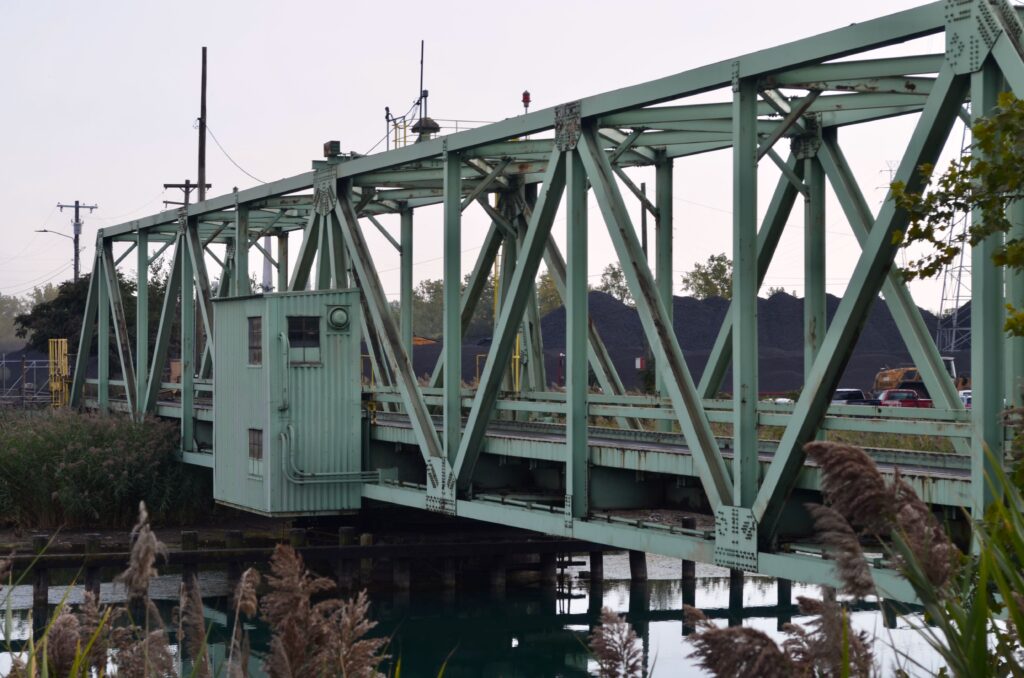
EES Coke: Our reporting from an EPA pollution trial — picked up by the Associated Press — tracked this Southwest Detroit polluter through courts and regulatory processes. When the EPA offered pollution exemptions and EES Coke applied, we were the only local newsroom reporting on what it means for residents breathing that air.
Aevitas: After a decade of odor complaints, a June fire finally sparked city action. We documented how the blaze, which took seven hours to control and injured a firefighter, revealed the facility’s impacts on Jefferson Chalmers and Marina District residents. Our analysis showed area odor complaints dropped 90% after Aevitas shut down. City Council passed an enforcement resolution, and a state regulator declared the facility’s air permit “obsolete.”
US Ecology: Our December reporting may mark a significant shift in how hazardous waste facilities are regulated in Detroit. The Michigan Department of Environment, Great Lakes, and Energy ultimately renewed the facility’s permit despite years of community concerns, but added additional oversight aimed at odor control. We’re watching to see if this represents a real turning point in the state’s approach to industrial permitting.
Together, these stories demonstrate our relentless attention to industrial pollution. This sustained coverage holds polluters, regulators, and local officials accountable.
SERVICE: Making civic action easy
We believe journalism shouldn’t just inform people about problems. It should make civic action easy. That’s why we pair accountability reporting with practical tools, guides, and explainers that help residents take the next step. Whether you’re checking if your home has a lead pipe, understanding your energy bill, or learning how to file a complaint about air quality, we’re building the civic infrastructure Detroit and Michigan need.
Civic action boxes: From story to action
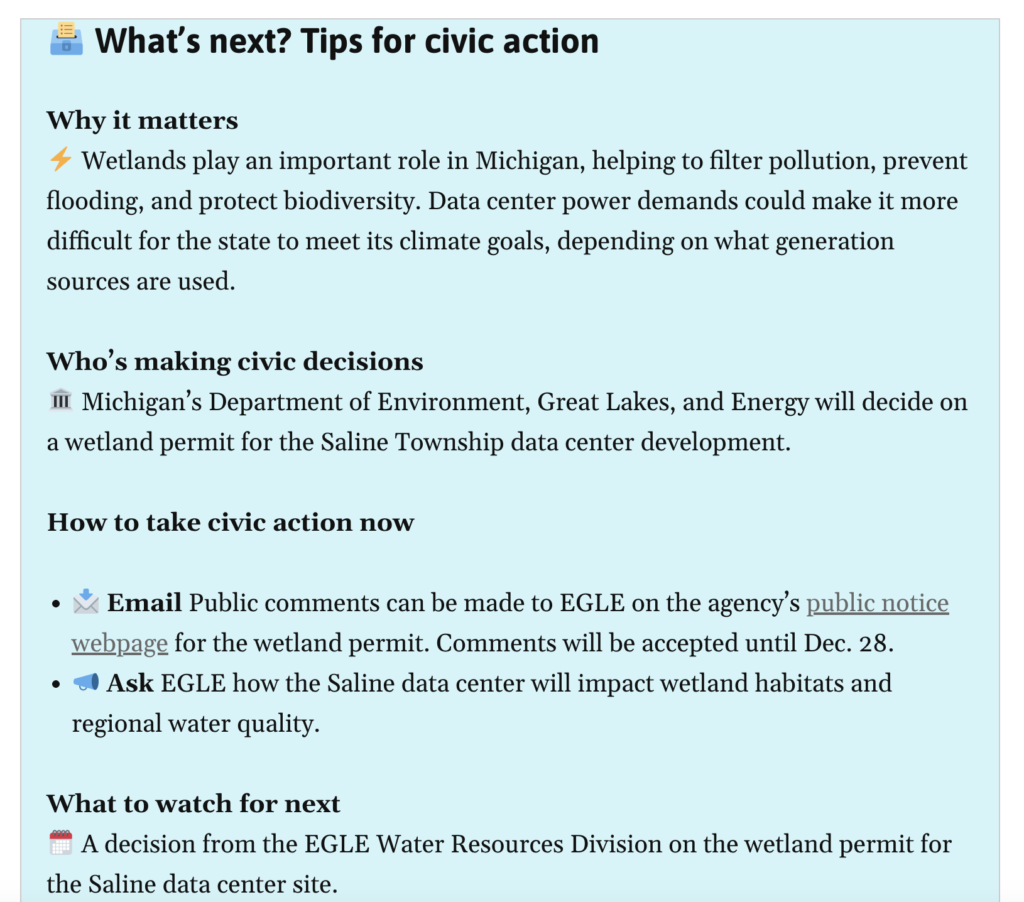
Every major accountability story includes a civic action box — a simple tool that answers “What can I do about this?” Whether it’s checking if your home has lead pipes, filing an air quality complaint, understanding your energy bill, or connecting with a community health worker, these boxes eliminate the friction between learning about a problem and taking concrete steps to address it. We don’t just want you informed: we want you equipped.
Data dashboards: Transparency you can use
Government agencies collect vast amounts of environmental and public health data, but accessing it often requires navigating clunky databases, filing public records requests, or decoding technical jargon. Planet Detroit does that work so you don’t have to. Our dashboards translate complex datasets into tools you can actually use to track progress, compare communities, and hold decision-makers accountable.
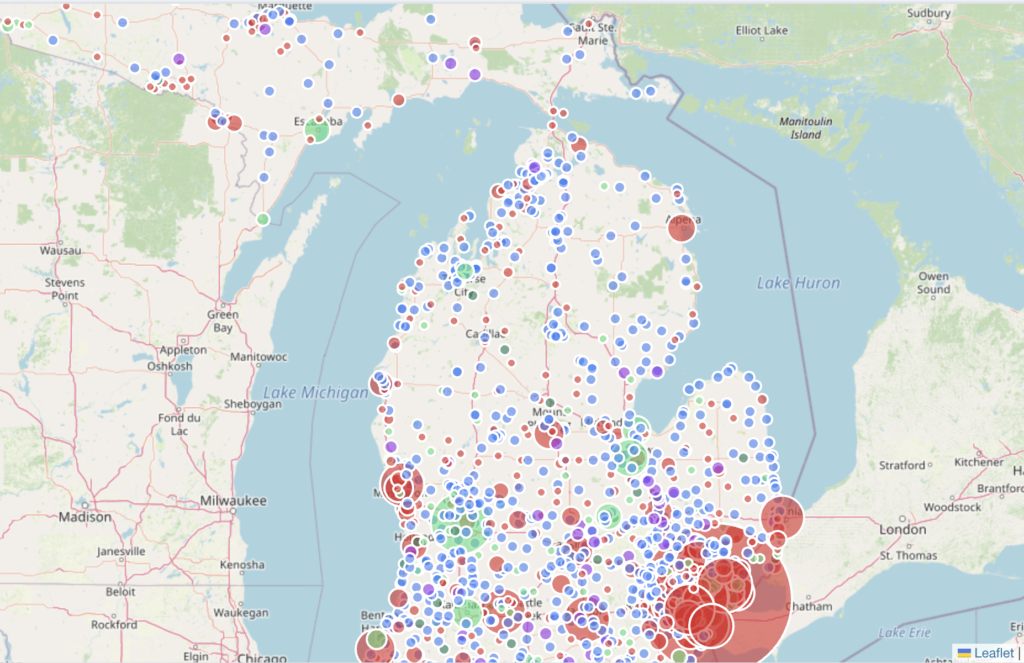
Michigan Lead Service Line Tracker – See which Michigan water systems have lead pipes and track replacement progress in your community. Built in partnership with Safe Water Engineering, this tool makes it easy to check if your home may have lead pipes and monitor local progress toward removal.
Michigan Air Permit Violations 2018-2024 – Track which facilities are violating their air pollution permits. This dashboard makes enforcement data accessible so communities can hold polluters and regulators accountable.
Guides and explainers paired with accountability stories
Every major investigation came with tools to help readers respond:
- Data centers → Community guide to data centers and MPSC explainer
- Water infrastructure failures → Lead pipe replacement checker
- Air quality crises → Air quality guide and complaint filing instructions
- Medical transport crisis → Resources for accessing health care
- Community health → How to connect with local support
- Electronics recycling → Where and how to properly dispose
These aren’t add-ons to our reporting—they’re core to our mission. Information without action is just noise. We believe residents deserve both the truth about what’s happening and the tools to do something about it.
SOLUTIONS: Community-driven responses to challenges
We don’t just report problems, we spotlight the people and organizations building solutions. In 2025, our solutions journalism showed how communities are responding to environmental and health challenges with innovation, collaboration, and determination.
From food security to healthcare to habitat restoration
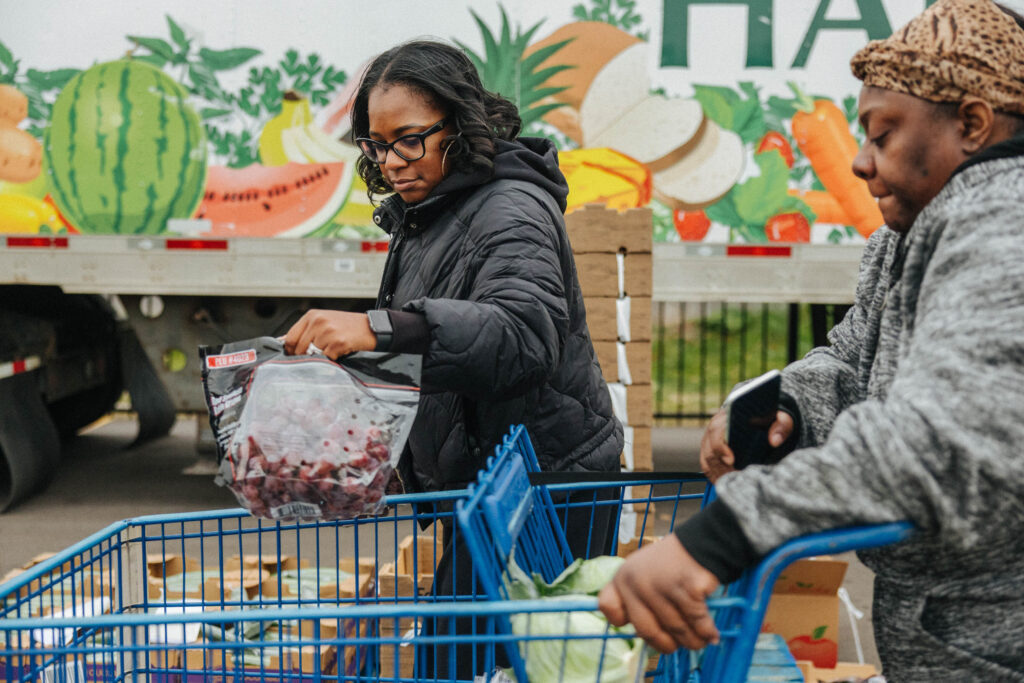
When federal SNAP delays left thousands of Michiganders hungry, we identified grassroots Detroit organizations that stepped up. It’s an example of how service journalism and community voices converge to reveal both problems and solutions.
Health care innovation came from unexpected sources. A volunteer-run clinic expanded its services to fill gaps in Detroit’s medical safety net. “It’s just a beautiful thing,” one provider told us.
Environmental restoration efforts took root along the Detroit River, where a local nonprofit began restoring wetland habitat on islands, actively reversing decades of degradation rather than simply documenting decline.
COMMUNITY VOICES: Residents telling their own stories
In 2025, our Neighborhood Reporting Lab continued to build on our belief that the best environmental journalism centers on the voices of people living closest to the issues. We trained Detroit residents to report on the health, climate, and community issues they see in their own neighborhoods, producing more than 30 stories that revealed the texture of environmental life in Detroit that no outsider could capture.
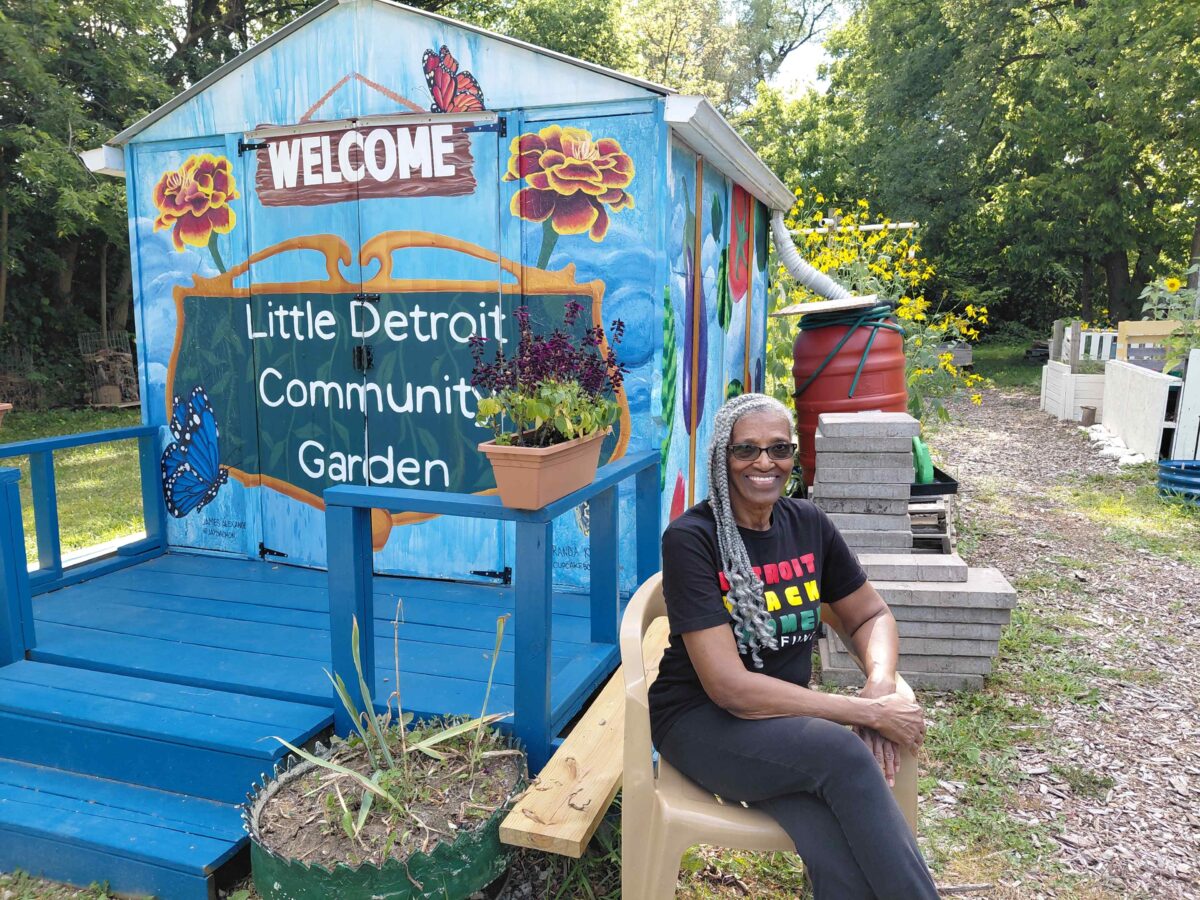
Community residents emerged as powerful storytellers, uplifting example after example of local leadership. Loretta Powell grows vegetables and neighbors together on Detroit’s east side, while Danny Dolley leads watershed restoration efforts in Chandler Park. Jason Ford’s work at Detroit People’s Food Co-op embodies his philosophy: “We gotta build the systems.” Erik Shelley’s journey in the fight for social justice shows him to be “someone you want on your side.”

Urban agriculture stories revealed the practical challenges and creative solutions. One Detroit farmer tackles water access to ensure “the plants will be watered fully and consistently.” Brittney Rooney grows food on Beaverland Farms and in the Brightmoor community. Dazmonique Carr works to improve Detroit’s food access, one produce box at a time.
Innovation took surprising forms. One Detroit woman turned a birthday tradition into a global upcycling movement — The Chip Bag Project even won a state grant. Detroit’s ReVamp clothing swaps make the world more sustainable, one party at a time. Detroit’s Architectural Salvage Warehouse proves that upcycled gems are everywhere.
Culture and sustainability intersect in unexpected places. Dominick Lemonious reimagines the art gallery at Detroit’s “Black Store.” Chi Fan Le brings authentic Chinese cuisine to Detroit’s pop-up scene. Sustain-A-City showed how Detroit reimagines sustainability through art.
Health and wellness stories captured movement and connection. We Walk Detroit builds health and community step by step in city parks — “therapeutic,” participants say. Black students sail the Detroit River with Harry Jones — “water is in my DNA,” he says. Socially Chrissy, Detroit’s bold biking mom, proves no car means no problem.
The Chandler Park Fieldhouse opened as an east side hub for health, hope, and community. Meanwhile, Detroiters described the citywide struggle with truck traffic: “Our streets are sinking.”
These stories don’t just inform, they honor the lived expertise of Detroit residents, celebrate community-led solutions, and build connections between neighbors working on similar challenges. The Neighborhood Reporting Lab proves that environmental journalism is most powerful when communities tell their own stories.
Explore all Neighborhood Reporting Lab stories.
From all of us at Planet Detroit, we wish you a restful holiday season!