

Overview:
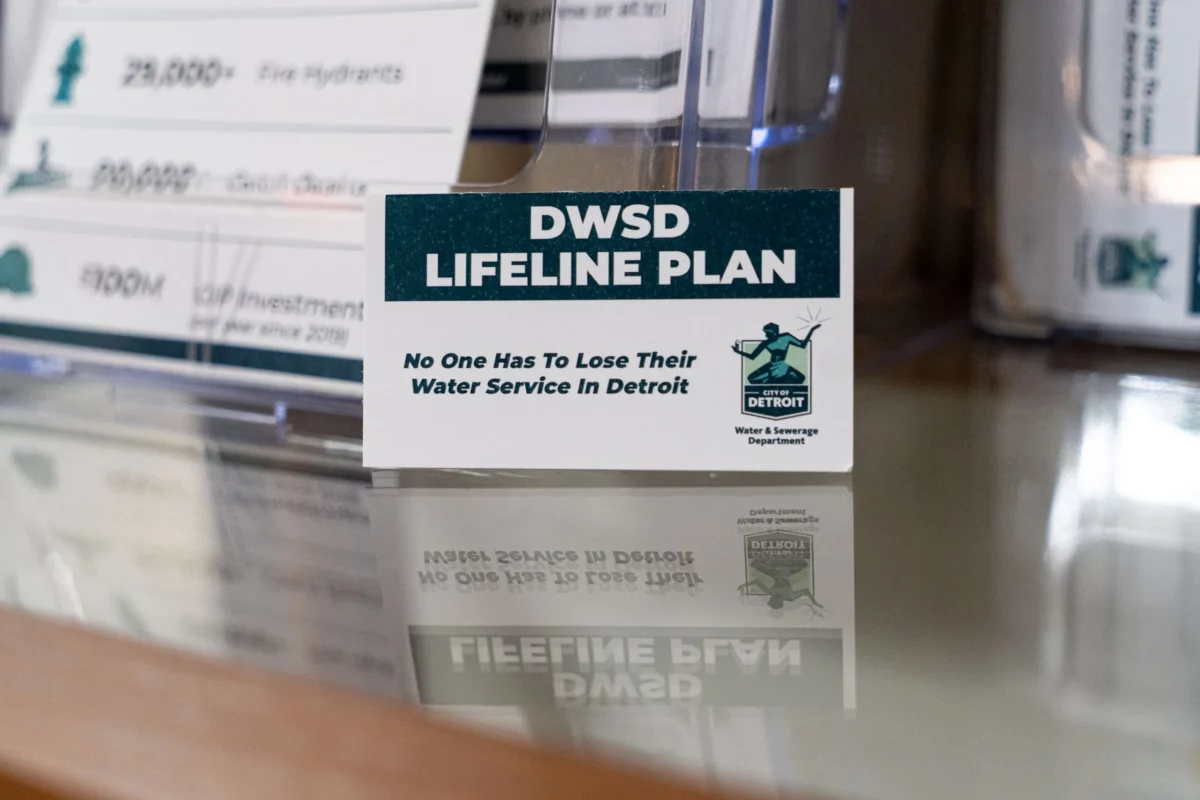
- Just 1,827 households have signed up for the 5,000 available slots in the Detroit Water and Sewerage Department's new Lifeline H2O program.
- One DWSD customer says it took more than a dozen phone calls and emails to enroll.
- Water department officials say they’ve received positive feedback about Lifeline H2O, especially regarding the enrollment acceptance turnaround, which they say is typically less than 24 hours.

by BRIANA RICE, Outlier Media
Jan. 23, 2026
This story was originally published by Outlier Media. Sign up for Outlier’s newsletter.
When the Detroit Water and Sewerage Department announced its smaller, revamped water affordability plan late last year, advocates and officials alike expected the program to fill quickly.
How to apply for Lifeline H2O
Visit detroitlifeline.com or call 313-435-2055 to apply for Lifeline H2O. To be eligible, you must:
- Have a household income at or below 200% of the federal poverty level
- Use the service address as your primary residence
- Have a fully functioning water meter
- Have a registered account in the DWSD Customer Self-Service Portal
- Have no past-due balance
At its height, the original program, called the Lifeline Plan, served 29,000 households in Detroit — with monthly bills as low as $18. But the city failed to secure permanent funding, ending the program that thousands of households relied on.
As of Jan. 21, just 1,827 households had signed up for the 5,000 slots available in the new program, dubbed Lifeline H2O. That’s left many Detroiters with bills they are unable to afford, racking up debt that is locking them out of the very program intended to help them.
One customer, who asked to withhold her name for privacy concerns, said it took more than a dozen phone calls and emails to the third-party company overseeing enrollment before she finally managed to sign up for Lifeline H2O.
“This doesn’t make sense to have to do this this many times, to call this many times, like almost every day for the first week or two. I was trying it, hoping they figured out what the problem was and fix it,” she said.
It took two months to sign up for Lifeline H2O, this Detroiter said. In that time, she racked up $200 in water bills. A past-due balance disqualifies a household from enrolling in Lifeline H2O.
Had she been accepted to Lifeline H2O immediately, her monthly water bill would have been just $34.
“That could have paid the bill for like five or six months.”
More shut-offs in 2026?
Water department officials say they’ve received positive feedback about Lifeline H2O, especially regarding the enrollment acceptance turnaround, which they say is typically less than 24 hours.
“We currently have more than 400 account holders who have been denied due to either not meeting income requirements or providing the wrong document,” the department’s Kierra Smith said by email.
Lifeline H2O and the EasyPay Plan, the department’s program for past-due bills, protect customers from shut-offs as long as they’re up to date on their bill. Last year, it shut off water to 10,539 households.
Water department Director Gary Brown said he does not anticipate an increase in water shut-offs this year.
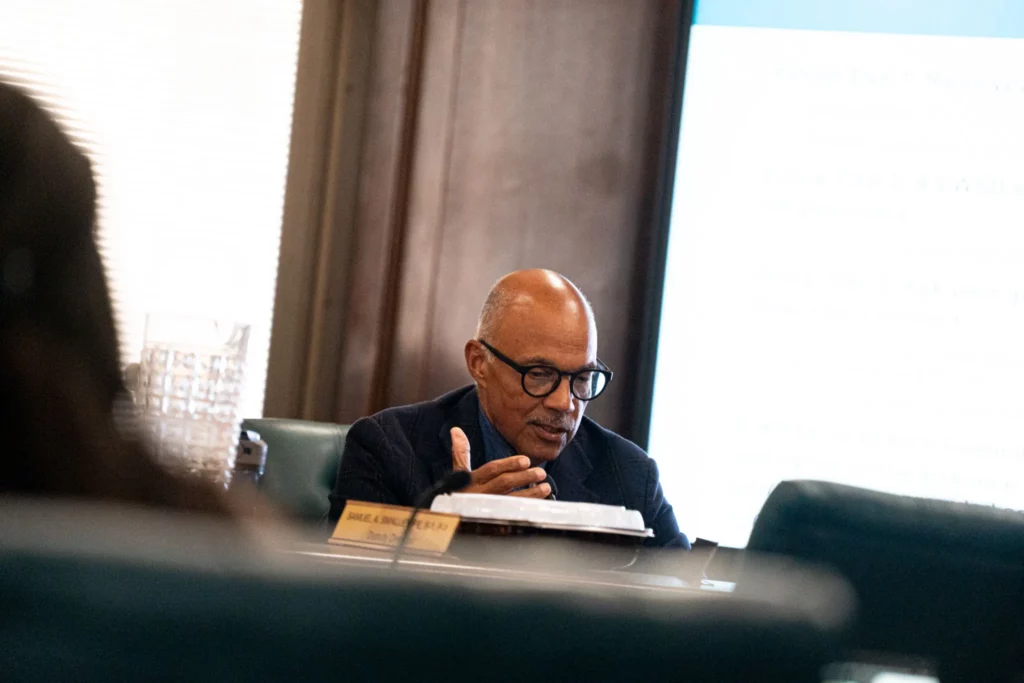
“DWSD’s issue is that the people that can afford to pay without having a consequence don’t pay regularly,” Brown said at a Jan. 21 Board of Water Commissioners meeting. “That’s what the service interruptions are trying to get at: people that can afford the pay, that live in wealthy neighborhoods in the city of Detroit, that aren’t paying.”
Monica Lewis-Patrick of the water justice advocacy group We the People of Detroit takes a different view. She notes that the department shut off approximately 900 households in December, but reinstated about 400 after they either paid off their debt or enrolled in Lifeline H2O or EasyPay.
Lewis-Patrick said those reinstatements demonstrate that people are struggling to pay their bills — not just choosing not to.
“Water is just one of the most significant parts of maintaining your dignity and your humanity,” Lewis-Patrick said. “And of course, it creates a great angst and fear for residents when they can’t keep their water on about the potential of losing their children,” she said, referring to the child welfare system. “These are realities for Detroiters.”
Matthew Phillips, chief of staff and customer service officer for the water department, said the department is considering allowing households with water debt to join Lifeline H2O. But he acknowledged that, for now, it is a barrier.
“Households are responsible for paying all arrears accrued on their accounts,” Phillips said. “DWSD is committed to serving as many residents as possible, maintaining their water service and receiving an affordable monthly water bill.”
‘It’s a setup’
Montoya Tanksley said she tried to sign up for Lifeline H2O as soon as she heard about the program. But in the two months since the original Lifeline ended in September, she’s been unable to keep up with her newly expensive water bill. She said she owes about $300, making her ineligible for Lifeline H2O.
She plans to use a portion of her upcoming tax return to pay off her bills. In the meantime, she’s trying to limit her water use — but it hasn’t made enough of a difference on her bill.
“It costs to flush the toilet. So if anybody in my house uses the bathroom, we don’t flush that toilet if it’s not solid,” Tanksley said. “It costs when water goes down the drain.”
The only other option for Tanksley outside of Lifeline H2O is the water department’s EasyPay program, which would spread her water debt over 36 months to be paid on top of her monthly water bill. But she said it’s not just the water bill that makes living unaffordable.
“You got to worry about your property taxes already, and DTE keeps going up higher and higher and then they want to charge you even more money between the hours that the kids get out of school and go to sleep,” she said. “It’s a setup. Yeah, that’s what I feel like. It’s a setup.”
This article first appeared on Outlier Media and is republished here under a Creative Commons Attribution-NonCommercial-NoDerivatives 4.0 International License.
MORE FROM PLANET DETROIT
What to know about freezing pipes in Metro Detroit
As Metro Detroit faces prolonged cold, plumbers report a rise in frozen and burst pipes, urging homeowners to act. Insulating exposed pipes and letting faucets drip overnight can prevent costly damage.


How to check if your Michigan water system is replacing lead pipes
Michigan’s ambitious plan to replace 580,030 lead and galvanized lines is underway, yet many residents remain in the dark about their water safety. The Michigan Lead Service Line Tracker empowers communities to monitor progress and safeguard against lead exposure.
Detroit water affordability program shrinks as funding dwindles: What you need to know
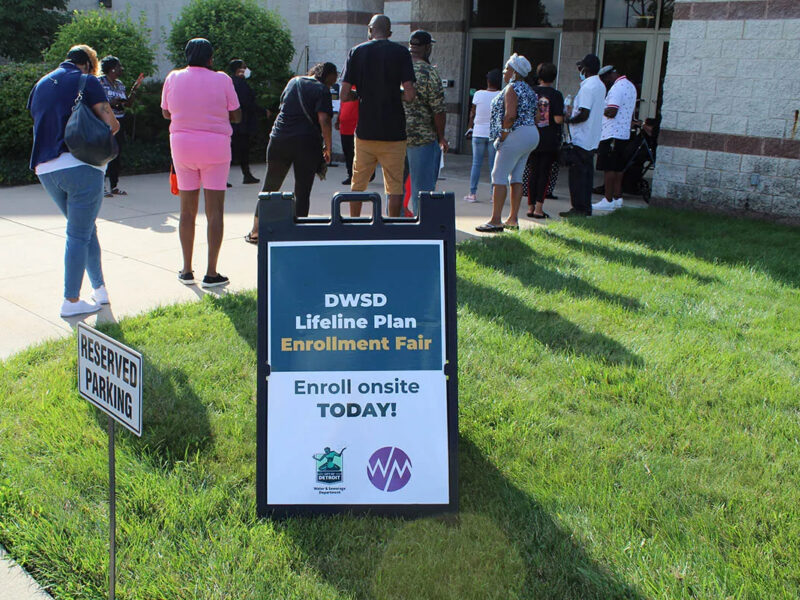
Detroit’s water affordability program, once a lifeline for nearly 30,000 households, faces a funding shortfall, prompting a shift to a costlier plan that will aid fewer residents.
