

Overview:
- Abdul El-Sayed releases "terms of engagement" for data centers as he seeks Democratic nomination in U.S. Senate campaign.
- The targeting of small townships by large tech companies for data centers makes federal legislation necessary, El-Sayed said.
- Read Planet Detroit's tips for civic engagement on the data center issue.

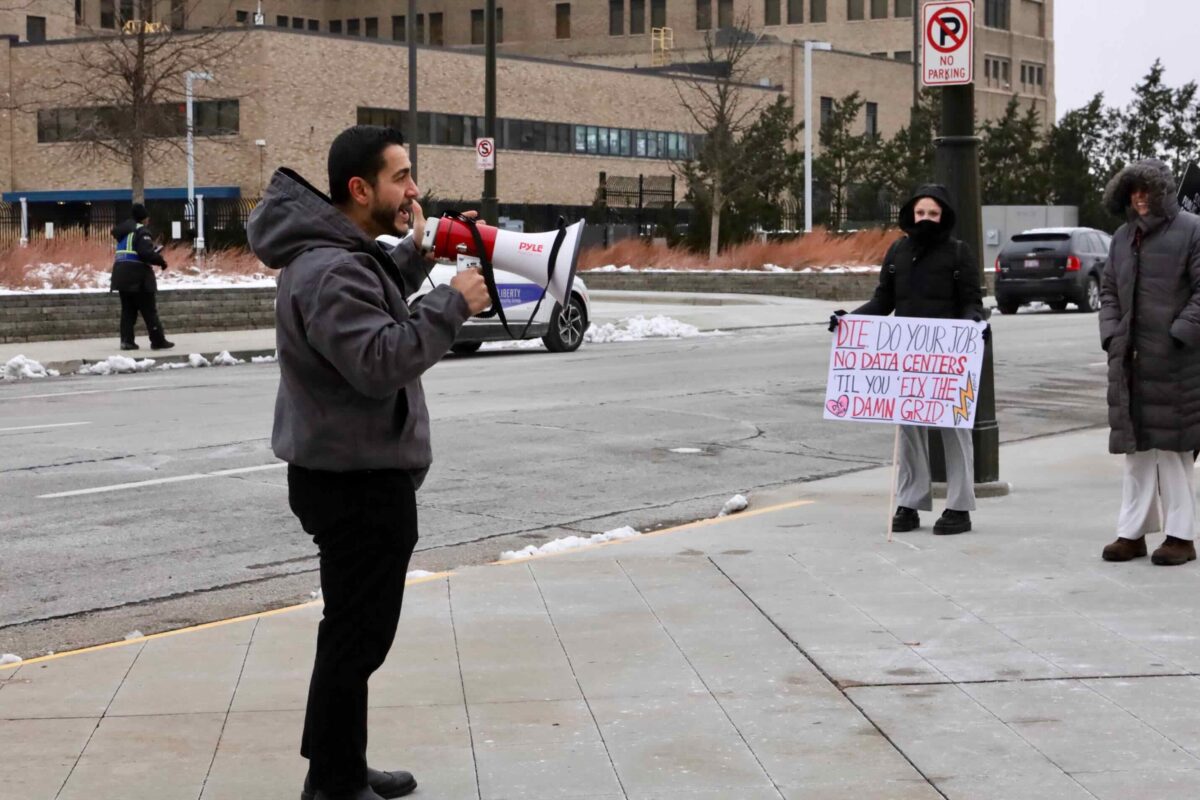
U.S Senate candidate Abdul El-Sayed released a framework Thursday for evaluating data center proposals in Michigan communities that looks to ensure resident input and protections for water, energy reliability and affordability, and clean energy laws.
The candidate, who is running in the 2026 Democratic primary for the Senate seat vacated by retiring Sen. Gary Peters, told Planet Detroit he wants these priorities to serve as a guidepost for local decision-making and federal legislation.
“I think it’s important for forward-thinking, future legislators to be talking about what it looks like to actually stand up for communities and protect them,” El-Sayed said. He previously worked as Wayne County’s health director and as executive director of the Detroit Health Department.
El-Sayed’s “terms of engagement” for data centers outline community protections for ensuring projects don’t result in electric rate hikes, harm energy reliability, pollute local waterways, and undermine clean energy laws. It also calls for assurances around transparency, community benefits, and job creation promises.
Small Michigan communities are weighing over a dozen data center projects this year, according to mapping done by the nonprofit FracTracker Alliance. Developers have said these projects could create hundreds of temporary construction jobs and bring in significant tax revenue.
Many Michigan residents and some lawmakers oppose data center projects in their communities. Data centers’ often massive water and energy demands raise concerns the facilities could harm water resources, pass on costs to other electric ratepayers, and imperil state climate goals.
Data centers’ energy demands risk triggering an “off ramp” provision in the state’s climate law, allowing fossil fuel generation to stay online if there’s a capacity shortage.
U.S. voters support banning data centers near where they live by a margin of 41% to 36%, according to a November Morning Consult poll.
McMorrow: Legislation needed to ensure community safeguards
Environmental and ratepayer protections already exist for data centers receiving state tax breaks, but legislation is needed to codify community safeguards, Sen. Mallory McMorrow (D-Royal Oak) told Planet Detroit in a statement. McMorrow is another candidate for the Democratic nomination in the U.S. Senate race.
Energy experts previously told Planet Detroit that language in the tax break legislation provides insufficient detail to ensure ratepayers are protected from data center costs, and the facilities’ power demands could undermine Michigan’s renewable energy law.
McMorrow said any data center legislation should include ratepayer and environmental protections, and assurances that data centers are built with union labor and “pay their fair share in taxes to fund our schools, roads, and communities.”
“I’m against any data center that hurts Michiganders’ energy bills, our water, or fails to create good jobs and revenue for our communities,” she said, adding the facilities could also bring in “generational investment.”
McMorrow voted to pass tax breaks for large data centers in 2024.
U.S. Rep. Haley Stevens (D-Birmingham); and Republicans Mike Rogers and Bernadette Smith, who have been identified as competitive candidates in the primary field, did not respond to questions about their positions on data centers.
Data centers raise corporate donation questions, El-Sayed says
The targeting of small townships by large tech companies for data centers makes federal legislation necessary, El-Sayed said.
Such communities are often unprepared to move as quickly as well-resourced corporations, and codifying the framework into law could protect communities from being steamrolled, he said.
If elected, El-Sayed said he’s unlikely to be able to get data center legislation passed until President Donald Trump is out of office.
Data centers raise the “foundational question” of the influence large corporations have over U.S. politics, he said.
El-Sayed said has not accepted campaign donations from DTE Energy. DTE is a major contributor to Michigan political campaigns, and its shareholders could benefit significantly from the electric load growth created by data centers.
DTE spokesperson Jill Wilmot said the utility “is committed to being a responsible corporate citizen and complies with all applicable laws regarding corporate donations and political contributions.”
El-Sayed said it’s problematic that Michigan data center tax breaks enjoy bipartisan support.
“One of my biggest frustrations with my own party has been that Democrats are too often bought off by the very same corporations that buy off Republicans.”
🗳️ What’s next? Tips for civic action
Why it matters
⚡ Michigan’s next U.S. Senator could help shape legislation around data centers.
Who’s making civic decisions
🏛️ Data center opponents say the facilities could impact ratepayers’ utility bills, which DTE and Consumers Energy deny. Data center supporters say the projects will create jobs and bring tax dollars to local communities.
Data center power demands could make it more difficult for the state to meet its climate goals, depending on what generation sources are used.
How to take civic action now
- 🗳️ Vote in the Michigan primary election on Aug. 4, 2026 and the general election Nov. 3, 2026.
- 🔎 Find more information on registering to vote, absentee voting, early in-person voting, and polling places on the Michigan Department of State’s voter webpage.
What to watch for next
🗓️ Watch for additional Senate candidates to potentially enter the race ahead of the filing deadline of April 21, 2026.
Civic impact
🌍 Civic impact Voting and continuing to engage with your lawmakers is one way you can influence the impact data centers have in Michigan.
⭐Please let us know what action you took or if you have any additional questions. Please send a quick email to connect@planetdetroit.org.
MORE DATA CENTER NEWS
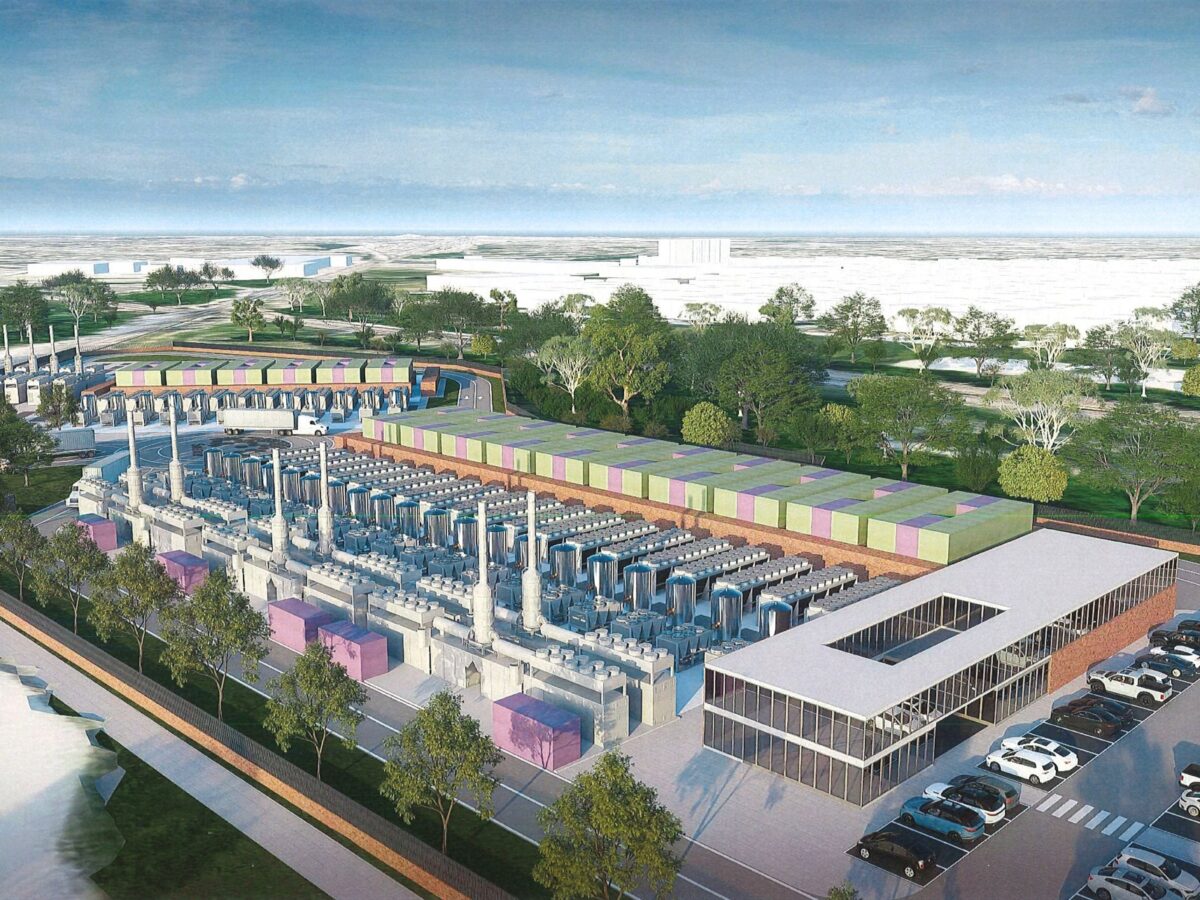
Protesters to rally against Allen Park data center before planning vote
Proposed 26 megawatt data center near I-94 is part of a “cluster” of Metro Detroit facilities planned by Solstice Data.

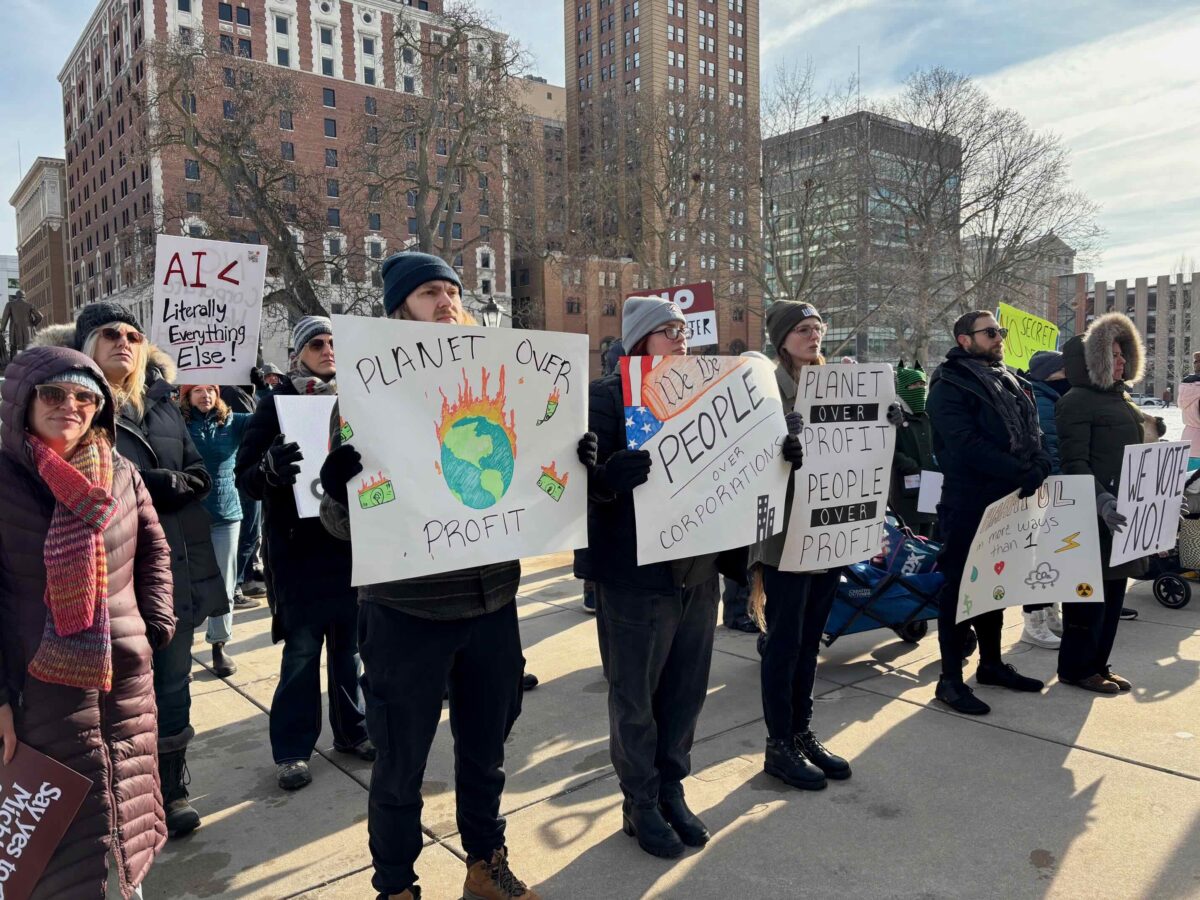
‘Erosion of trust’: Michigan legislators push back on flood of data center proposals
Legislation unlikely to advance without ballot measure to rein in DTE and Consumers’ influence over the political process, environmental advocate says.
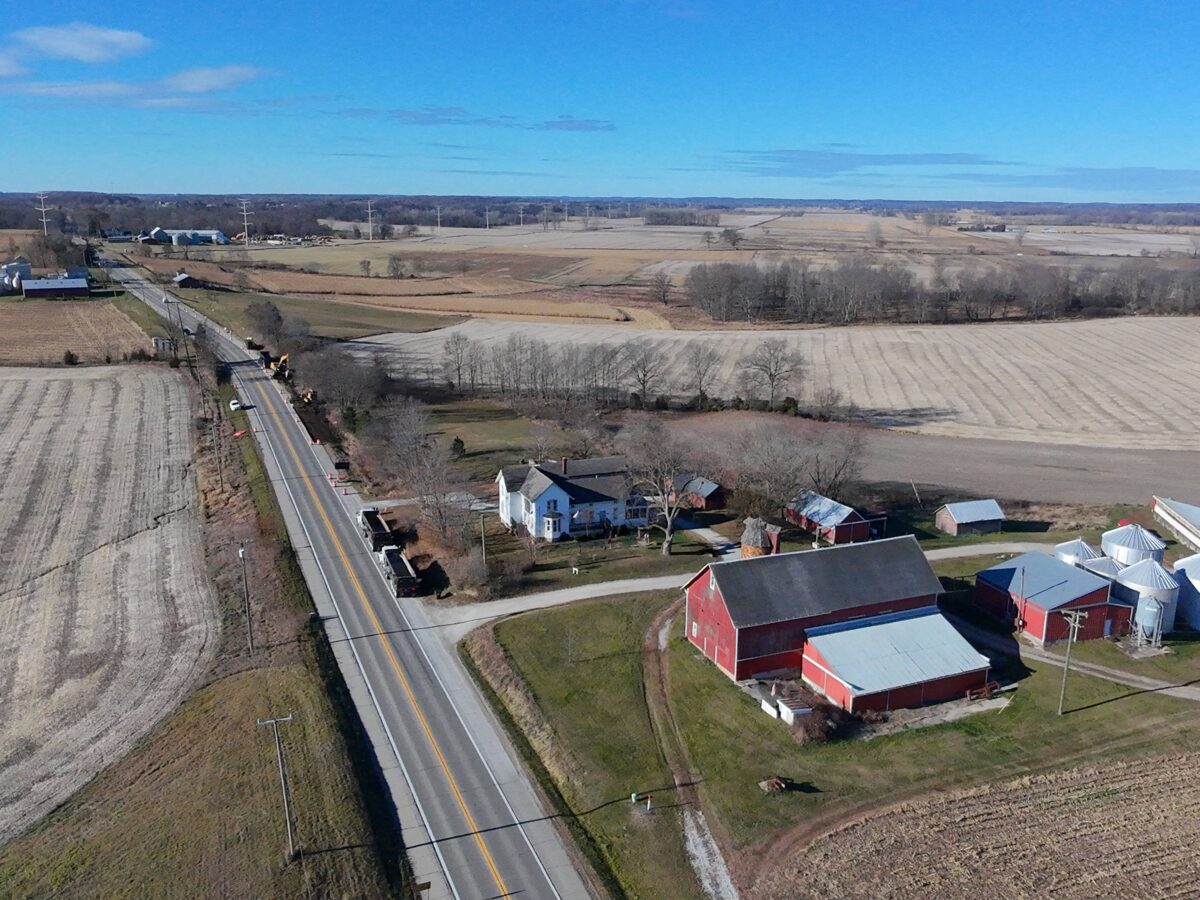
Data center is threat to Saline River, residents say in wetlands hearing
Pollution from closed-loop cooling systems, wetland destruction are among the issues aired at EGLE hearing on Oracle, OpenAI data center’s wetland permit.