

Overview:
- Stagnant conditions, snowmelt, and warmer temperatures drive Detroit air quality into the unhealthy range.
- A frontal boundary Monday afternoon will help filter out particulate matter concentrations, state meterologists say.
- PM 2.5 is 30 times smaller than the width of a human hair and can lodge itself in lung cells and move into the bloodstream.

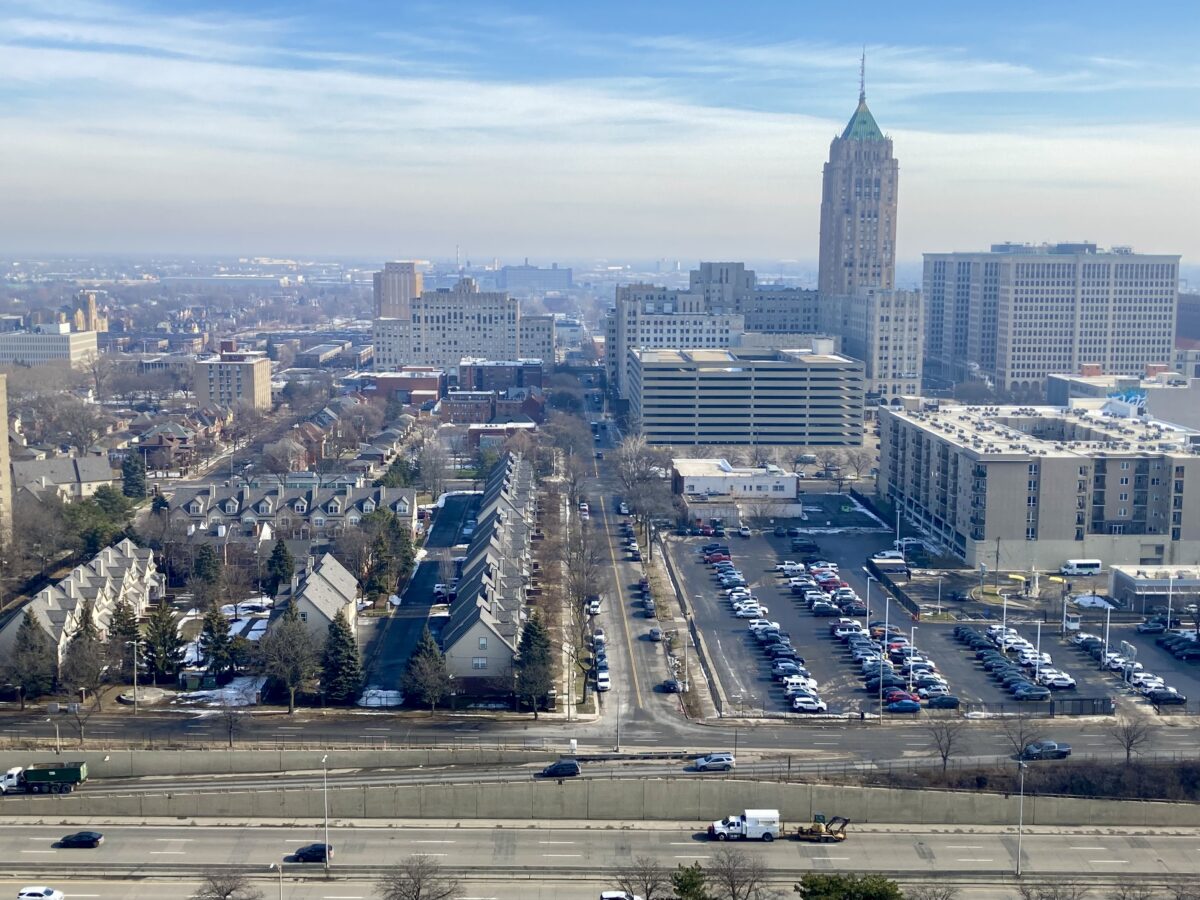
Southeast Michigan is coping with poor air quality as temperatures rise and snow melts.
The air quality index, or AQI, in Detroit Monday afternoon is 153 — unhealthy — according to the Environmental Protection Agency’s AirNow site.
The primary pollutant is fine particulate matter, or PM2.5. The concentrations of the pollutant exceed the Unhealthy for Sensitive Groups range as a result of snowmelt and stagnant conditions, according to the Michigan Department of Environment, Great Lakes, and Energy (EGLE).
The state environmental regulator issued an air quality advisory for the counties of Livingston, Macomb, Monroe, Oakland, St. Clair, Washtenaw, and Wayne that expired at noon Monday.
“This is due to stagnant conditions within the atmosphere hindering the dispersion of particulate matter from snowmelt along with vehicular and industrial exhaust from daily activities,” EGLE meteorologists said in a statement.
PM2.5 concentrations rise with snowmelt and warmer temperatures “rather often” in the winter, according to EGLE.
Yet the conditions Monday had the “necessary ingredients’ for the air quality to reach the state’s advisory threshold: “decent snowpack, above average temperatures, light winds and persistent surface inversions.”
Planet Detroit reported in January on how atmospheric inversions can contribute to poor winter air quality.
A frontal boundary Monday afternoon will help increase wind speeds and change direction, filtering out stagnant PM2.5 concentrations, the statement said.
“Once the Advisory expires, there still may be a few Unhealthy for Sensitive Groups concentrations hanging on, but overall, air quality is expected to improve in the afternoon.”
The air quality is forecast to continue to improve Tuesday, with moderate pollution concentrations that fall below the air quality advisory threshold.
Why the air quality index matters
When the AQI is in the moderate 51 to 100 range — color coded yellow — sensitive individuals should consider limiting prolonged outdoor activity.
When the AQI reaches 101 to 150, it’s unhealthy for sensitive groups, color coded orange. During these periods, children, active adults, and people with respiratory disease such as asthma should limit prolonged outdoor exertion.
PM 2.5 is 30 times smaller than the width of a human hair and can lodge itself in lung cells and move into the bloodstream. It comes from sources like roads, smokestacks, and wildfires and is linked to cardiopulmonary illness, premature mortality, and mental health issues.
Detroit’s air is the 23rd-worst in the world Monday afternoon, according to the website IQAir, which pegs the Motor City’s AQI at 114 and places it between Almaty, Kazakhstan (No. 22) and Wuhan, China (No. 24).
MORE AIR QUALITY NEWS
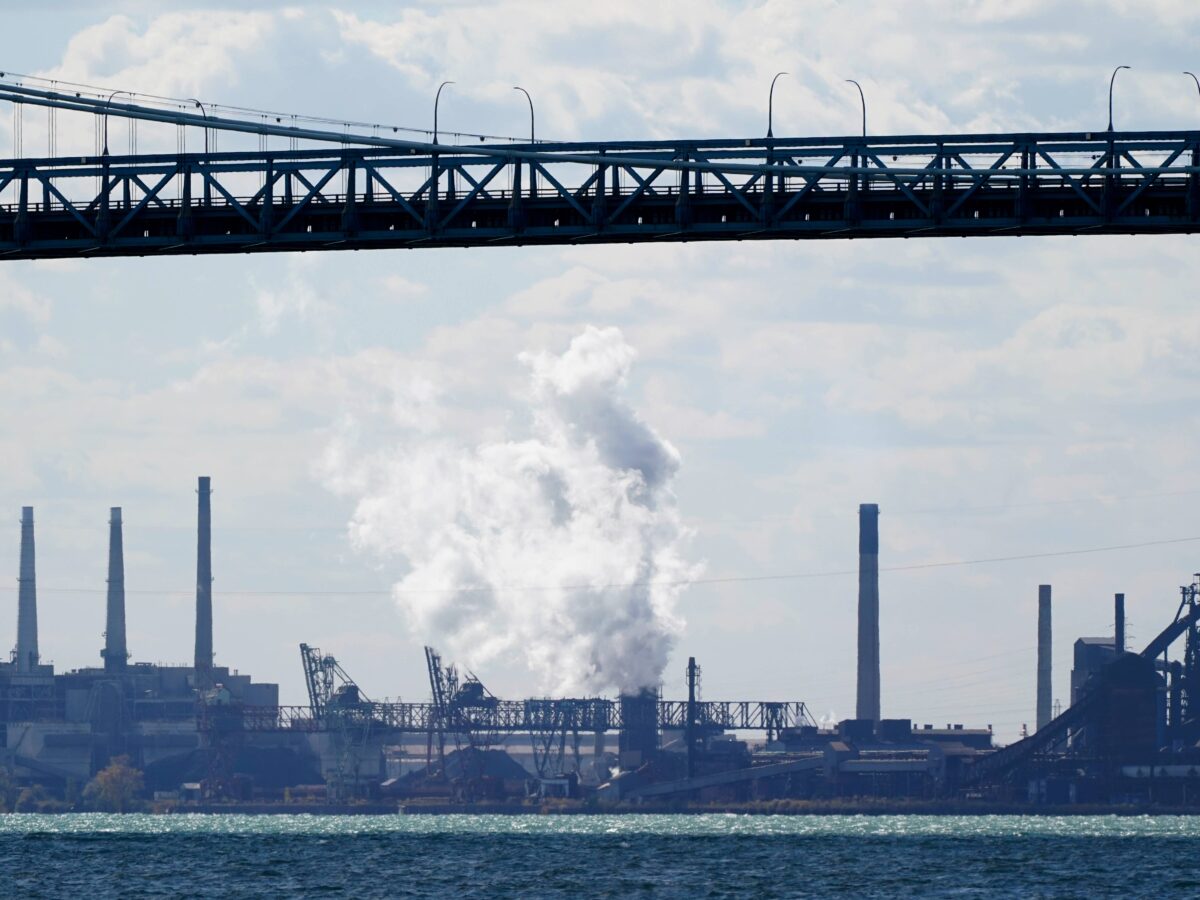
Will Trump’s weaker air standards put your health at risk?
Environmental health advocates and U.S. Rep. Rashida Tlaib warn that the Trump administration’s rollback of PM 2.5 air quality standards could exacerbate health risks in already burdened communities like Detroit.

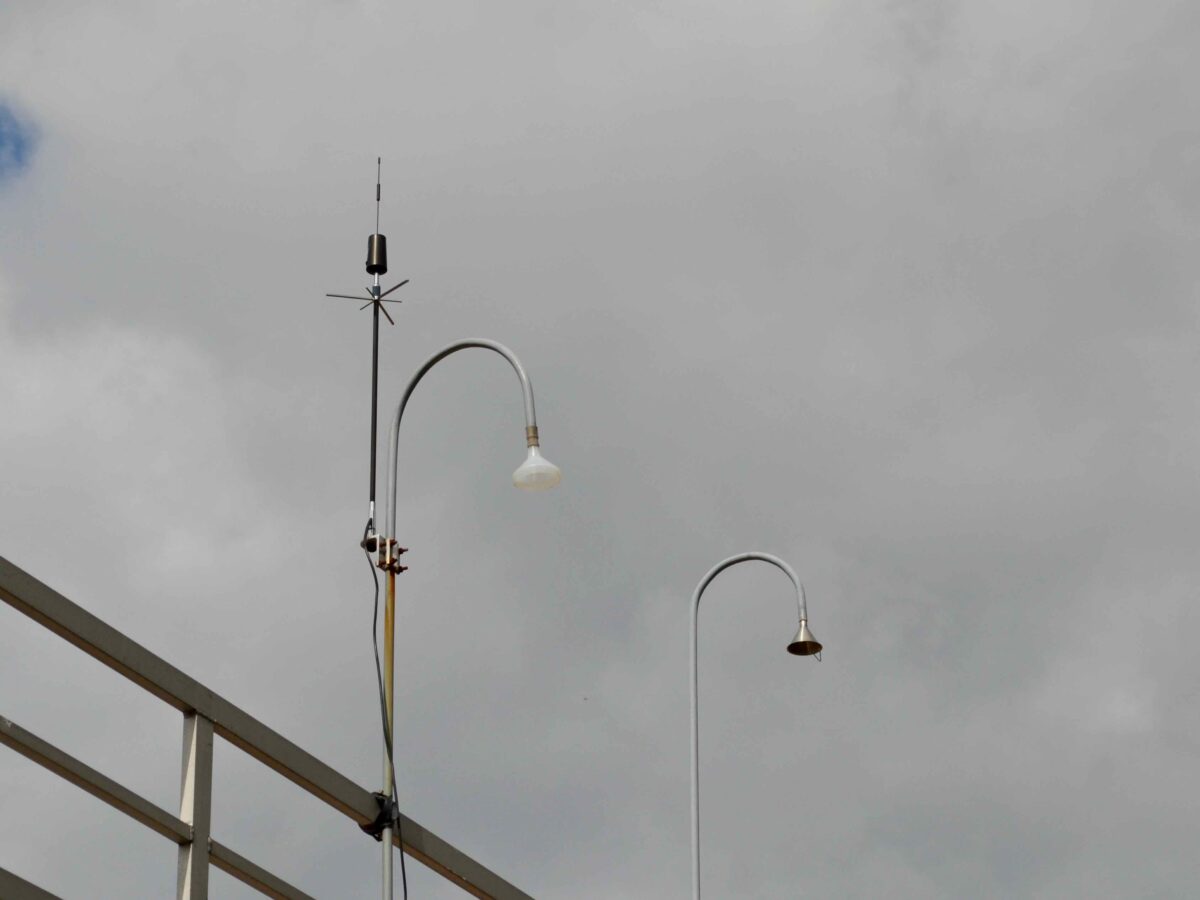
Detroit air quality declines due to winter weather patterns: What the forecast says
Michigan is in a warmer weather pattern that traps pollution at the surface, a meteorologist tells Planet Detroit.

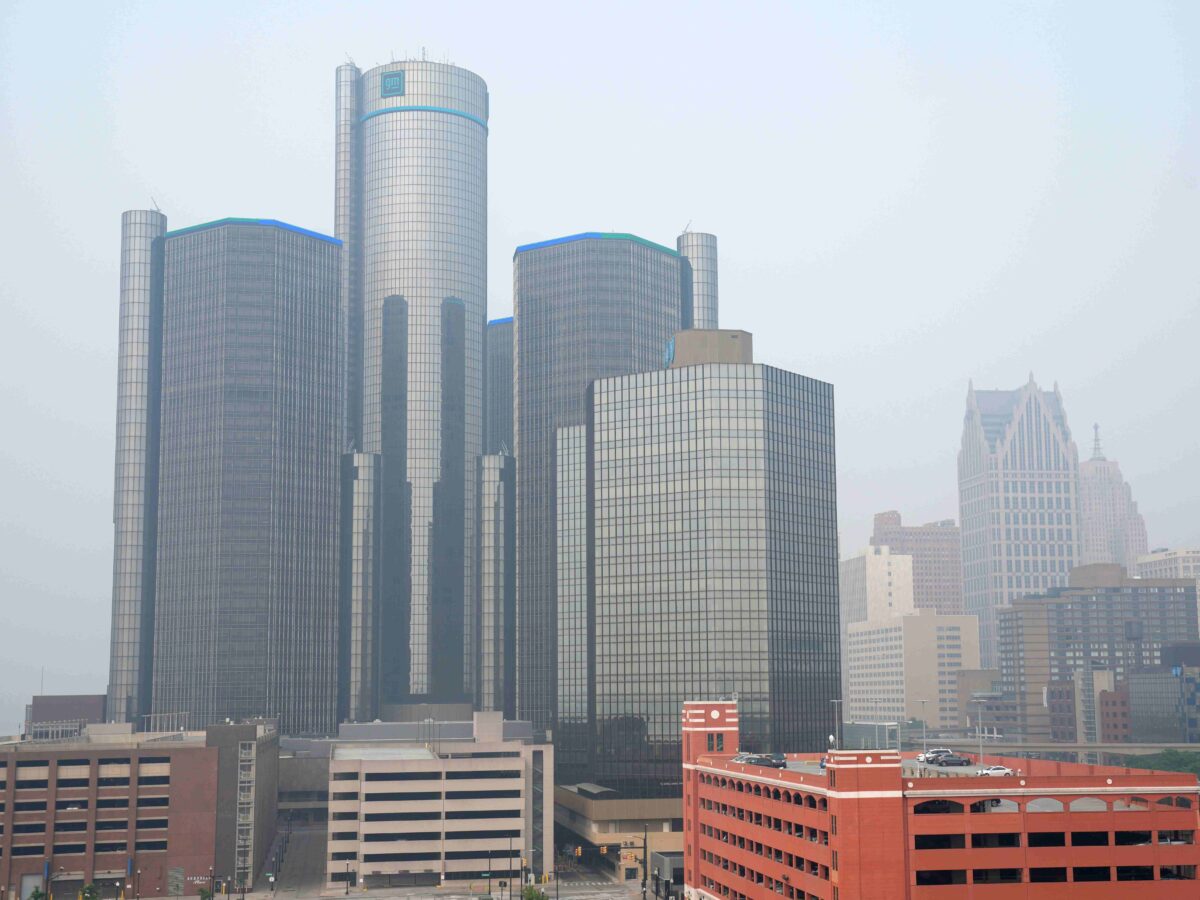
State regulators want EPA to ignore wildfire-smoke ozone spikes in Detroit
In a bid to maintain air quality compliance, Michigan’s environmental agency seeks to exclude four days of ozone data, attributing the spikes to Canadian wildfire smoke rather than local pollution.
