




Royal Oak Restaurant Week returns Sunday, February 22 – Sunday, March 1, 2026, featuring curated, 3-course meals from over 20 downtown Royal Oak restaurants, starting at just $20/person. Learn more at dineroyaloak.org/restaurant-week.

We promote business practices that advance climate leadership, social justice, and the creation of a circular economy
How Restaurant Week, walkable streets, and everyday dining choices add up to a more sustainable food scene in Royal Oak’s downtown core.
Planet Detroit readers care about our environment, and about how everyday choices can contribute to a healthier, cleaner Michigan. Making more sustainable decisions doesn’t have to mean choosing between doing good and dining well.
In downtown Royal Oak, sustainability is less about a single certification and more about how place, community and infrastructure work together to make lower-impact choices easier. Walkable streets, independent restaurants, and flexible menus give visitors the opportunity to design an outing that reflects their priorities and tastes. And Royal Oak Restaurant Week, which runs Feb 22-March 1, 2026, provides the perfect opportunity to try something new. This guide highlights those opportunities — both during Restaurant Week and year-round — and invites readers to consider how small dining decisions can add up.
This sponsored guide was produced by Planet Detroit in partnership with the Royal Oak DDA. It does not certify sustainability practices, but instead highlights ways diners can make more sustainable choices while supporting Royal Oak’s downtown dining scene.
Why Royal Oak is a strong sustainability case study
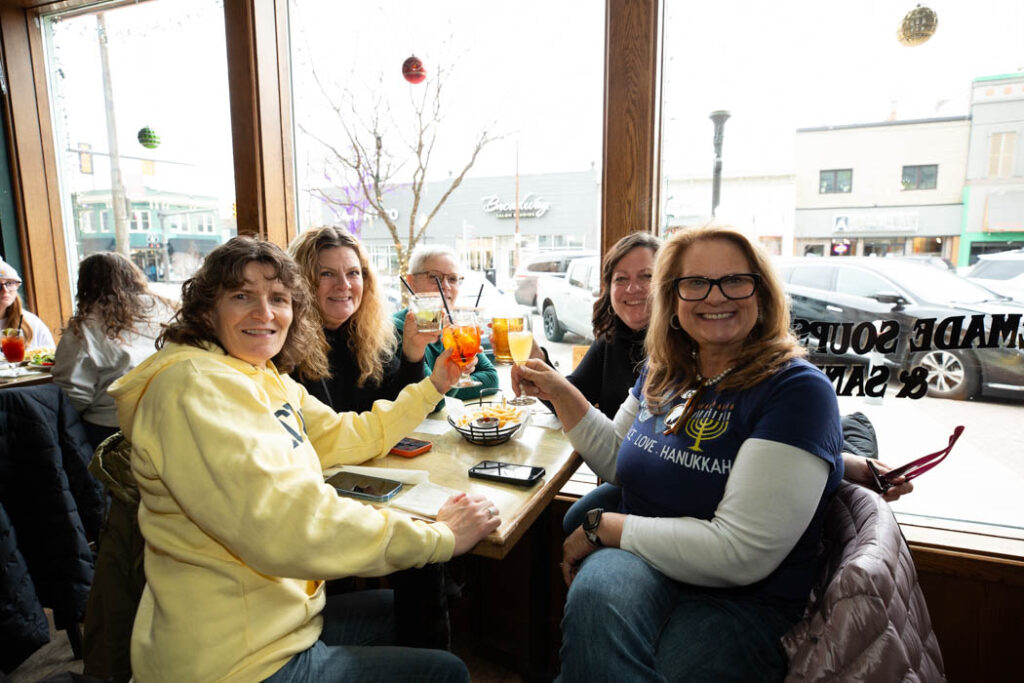
In downtown Royal Oak, sustainability starts before you walk through a restaurant door. The city’s compact, walkable core means you can park once and spend an entire evening on foot, moving between dinner, drinks, and dessert without ever turning your car back on. Restaurants cluster within a few blocks of each other along Main Street and Washington Avenue, creating natural walking routes that make car-free nights out feel effortless rather than restrictive.
“We are continually connecting any work done back to the sustainability and climate action plan of the City,” said Devan Dodge-Frye, who works on sustainability initiatives in Royal Oak. That attention extends behind the scenes: upgrading municipal buildings for energy efficiency, electrifying the city fleet, installing EV charging infrastructure, expanding tree canopy, replacing lead service lines, and promoting recycling and composting programs across the community. These investments in infrastructure and placemaking are helping make lower-impact choices easier for residents and visitors alike.
The infrastructure itself encourages sustainable behavior. Bike-friendly streets make two-wheeled trips practical. EV charging stations support electric vehicle owners. And Royal Oak’s Social District, which allows visitors to carry beverages between participating businesses within designated outdoor areas, turns the space between restaurants into part of the experience, reinforcing the idea that downtown is a destination, not just a collection of isolated stops.
What makes this approach work is proximity. Libraries, parks, shopping, and dining all sit within walking distance of each other, creating a district where it’s genuinely easier to leave the car parked than to drive between stops. During Restaurant Week, that density becomes an asset: you can try multiple restaurants in one evening without the hassle or environmental cost of driving across town.
The Royal Oak DDA has backed that commitment with real investment. Since 2020, the Downtown Dollars program has distributed over $3 million in gift cards to encourage spending at local businesses. And, this Restaurant Week, $50,000 in matching funds is available to help diners do exactly that. Supporting independent restaurants doesn’t just make for a thriving downtown core; it’s written directly into Royal Oak’s Sustainability Climate Action Plan, which calls for policies and programs that support local small business retention and buy-local participation. When you choose a locally-owned restaurant over a fast food chain, or redeem Downtown Dollars at a locally owned spot, you’re not just having dinner. You’re part of what keeps a walkable, sustainable district financially viable.
Royal Oak’s approach to sustainability isn’t about demanding perfection from individual restaurants or diners. It’s about building a place where the easier choice and the more sustainable choice increasingly overlap. Walk instead of drive. Try somewhere new instead of the same chain. Small decisions, supported by thoughtful infrastructure, add up over time.
Inside one Royal Oak restaurant: Small choices, real impact
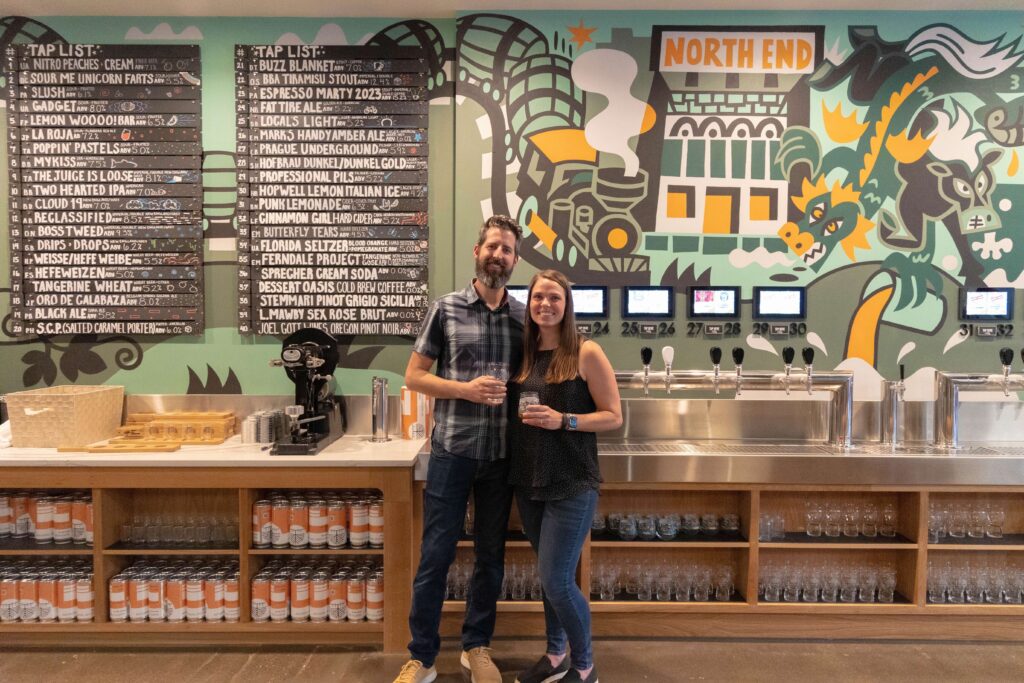
For Katheryn and Jonathon Stoia, the owners of North End Taproom, sustainability shows up as a series of practical decisions about how a neighborhood business tries to do right by the community. When the couple opened the taproom in downtown Royal Oak in 2023, they were inspired by the self-pour spaces they had enjoyed while living in California. “We realized they didn’t exist here because the law wouldn’t allow self-pour,” Katheryn said. Before opening, Jonathon worked with state lawmakers to help legalize self-pour tap systems in Michigan, clearing the way for more concepts like North End Taproom to exist.
That focus on place and access carries through the space itself. The taproom features an inviting mural by a local artist that nods to Royal Oak landmarks, alongside a tap list that goes beyond beer to include wine and cold brew, and even juice boxes for the kiddos.
“We want to welcome everyone into the space,” Katheryn told Planet Detroit, a mindset that shapes everything from the layout of the room to the way the menu is designed.
That approach shows up in tangible ways. North End Taproom features close to 40 beers in the taproom, and Katheryn estimates that “about half” of those beers are brewed right here by local Michigan producers. In the kitchen, the menu includes from-scratch, vegetarian and gluten-free options, with the goal of making dining out accessible to different tastes and dietary needs. As Katheryn put it, the focus is on “trying to make sure that we have something for everyone.”
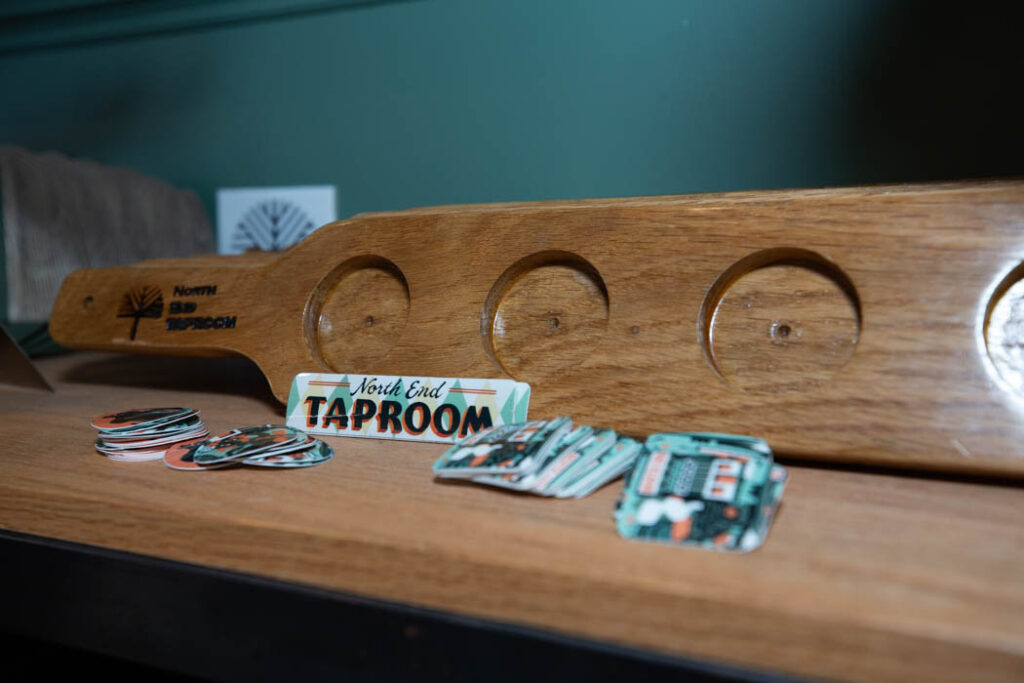
Sustainability also shows up behind the scenes, often in less visible decisions. During the buildout, the Stoias tried to reuse as much material from the existing space as possible. “We were trying to reuse all of the stuff that we could from the old space,” Katheryn said, noting that even the taproom’s flight boards were made from the building’s original wood flooring.
And when it comes to food and events, the owners think pragmatically about waste. Longer-running offerings, Stoia explained, can mean “less food waste,” since single-day events are harder to plan for. Together, those choices reflect a version of sustainability rooted not in perfection, but in day-to-day habits and choices.
How to dine more sustainably in Royal Oak
Restaurant Week doesn’t automatically come with a sustainability badge, but it is a step toward more environmentally-conscious dining.
Smaller, set menus means tighter kitchen planning and less food waste. And with restaurants situated within walking distance, it creates an opportunity to park once — or ditch the car entirely.
Restaurant Week is also a low-stakes opportunity to try local restaurants. There’s less pressure to decide what to order, and you can choose multiple options without a massive price tag.
The long-term impact on sustainability comes down to how diners show up regularly — not just during Restaurant Week.
And that’s where you come in.
Here are a handful of ways to expand your sustainable dining footprint:
Turn off the engine.
Royal Oak’s downtown is built for walking. Park in a garage, then leave the car where it is. Fewer short drives means more time exploring on foot or by bike.
Order with intention.
When it’s an option, plant-based dishes often carry a smaller environmental footprint. Sharing plates with friends and taking leftovers home also helps limit food waste.
Support places that put down roots.
Independent, locally owned restaurants help keep dollars in the community and give dining districts their character. Restaurant Week is a great way to find a new favorite spot, but the real impact comes from coming back later.
Make a night of it.
Grab apps here, dessert there — without driving around town. It’s better for the planet, and more enjoyable. Plus, it’s a low-stakes way to try multiple restaurants and still get a bang for your buck.
Where to find sustainability-friendly dining options during Restaurant Week
How Restaurant Week Works
Royal Oak Restaurant Week runs Feb 22 – March 1, 2026. Participating restaurants offer special prix fixe menus at various price points.
Visit www.dineroyaloak.org/restaurant-week for the complete list of participants, menus, and reservation information.
Plant-forward:
Choosing plant-based dishes when they’re available is one of the most straightforward ways to reduce the environmental footprint of a meal. The restaurants listed here offer vegetarian, vegan, or lighter-impact options that don’t feel like an afterthought. Whether you’re fully plant-based or simply curious about trying something different, these spots make it easy to order with intention during Restaurant Week and beyond.
Ale Mary’s Beer Hall, 316 S. Main: A longtime downtown staple known for boozy milkshakes and crowd-pleasing brunch. In addition to its classic comfort fare, the menu includes a full lineup of vegan dishes, with plant-based options available during Restaurant Week.
Iron Horse, 316 W Fourth: Well known for Mexican-inspired dishes, pizzas, and shareables in a relaxed, social setting — as well as easy proximity to Royal Oak Music Theatre for a pre-show snack. Happy Hour specials are available Tuesday through Saturday, along with Taco Tuesdays and Margarita Wednesdays.
Bigalora Wood Fired Cucina, 711 S. Main: Michigan’s first naturally fermented sourdough pizza, Bigalora makes every crust from scratch using a 72-hour fermentation process—no commercial yeast, no sugar, just a whole lot of patience. The result is light, airy, and easier to digest than your typical pie. The menu features vegetarian and vegan pizza options alongside wood-roasted vegetable plates and from-scratch pastas. They make a mean Aperol spritz, and when the weather warms up, their patio can’t be beat.
Alchemi, 215 S. Main: With a farm-to-table ethos and global influences from Bangkok to Bombay, Alchemi turns thoughtful sourcing into bold, flavorful dishes. The menu features curried black beluga lentils with saffron rice, vegetarian burrata with honeynut squash, and their signature crispy Thai street ribs finished with mint and fried garlic, plus a rich cioppino of fresh seafood simmered in tomato and crab broth.
Fourth Street Brunch and Bistro, 500 E. Fourth: Newly opened in 2025, this family-friendly bistro offers brunch, lunch and dinner. Offering a sophisticated, yet approachable menu, diners can indulge in a variety of salads and handhelds.
Trattoria da Luigi, 415 S. Washington: Led by Luigi Cutraro, a longtime Royal Oak restaurateur, this is a place with real roots and real passion behind it. The food tastes like nonna made it: wood-burning oven pizza, housemade pastas, and a wine list worth lingering over. Happy hour is so good they gave it its own name: Apericena. Sip a famous espresso martini or Aperol spritz on the patio and watch downtown Royal Oak go by. A particularly strong choice for vegetarians.
Mesa Tacos and Tequila also deserves a nod for plant-based diners. See the Live Entertainment section for the full write-up, but their vegan menu is one of the most varied in downtown Royal Oak.
Seafood specialists
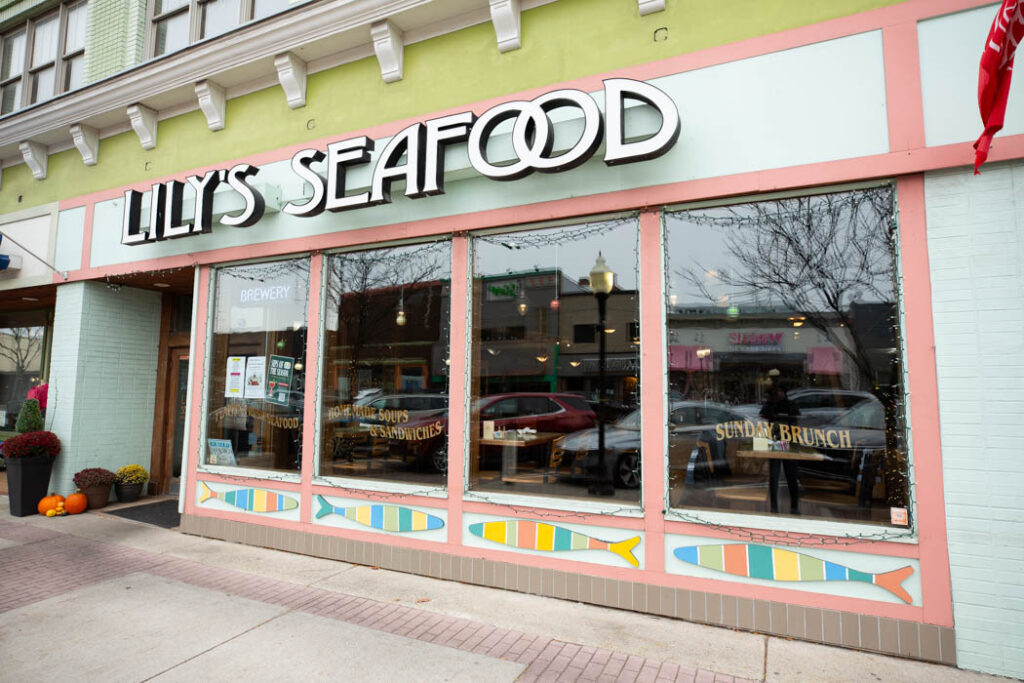
Seafood takes center stage at these two downtown destinations, offering an alternative to land-based proteins for diners looking to diversify their Restaurant Week experience.
Lily’s Seafood Grill & Brewery, 410 S. Washington: A longtime downtown staple, Lily’s pairs house-brewed beers with a seafood-forward menu that ranges from oysters and fresh fish to creative shareables.
Tom’s Oyster Bar, 318 S. Main: Executive Chef Jamal Alashmaly anchors this downtown seafood destination, known for fresh oysters, buttery lobster rolls, and expertly poured cocktails.
Breweries, taprooms & gathering spots
Michigan’s craft beer scene is more than a point of pride: it’s part of our state’s economic and cultural fabric. When you choose a brewery or taproom that features local and regional beers, you’re supporting shorter supply chains and keeping dollars in the community. The spots listed here emphasize Michigan craft beer alongside food that’s designed for sharing, making them natural anchors for a walkable night out.
North End Taproom, 111 S. Main: A neighborhood taproom with a full menu that pairs fresh comfort food with a rotating selection of Michigan and regional craft beer, cider and wine.
HopCat, 215 E. Fourth: A lively downtown favorite, Michigan-based HopCat pairs an extensive craft beer selection with elevated bar fare. With a rotating tap list that often features regional breweries and a menu built for sharing, it’s a natural stop on a walkable night out.
Royal Oak Brewery, 114 S. Troy: Royal Oak Brewery combines house-brewed beer with a broad menu of pizzas, pastas, and pub favorites.
The Great Dane Pub, 112 S. Main: Royal Oak’s newest pub blends British classics with American favorites, featuring 24 taps with rotating Michigan craft beers. The menu includes steak and ale pie, fish and chips, and a creative shepherd’s pie pizza, all in a cozy English pub setting perfect for gathering.

Live music & entertainment
Part of what makes a dining district sustainable is giving people a reason to stay. When restaurants double as entertainment venues, a single trip downtown can stretch into an entire evening — dinner, drinks, and a show, all without moving your car. Live music turns restaurants into gathering places, encouraging the kind of longer, leisurely visits that reduce the need for multiple trips. These spots anchor Royal Oak’s nightlife scene and give diners one more reason to make downtown a regular destination.
D’Amatos Restaurant, 222 S. Sherman:. For nearly three decades, D’Amatos has been known for Italian dishes, craft cocktails, and a warm, celebratory atmosphere. After-hours entertainment is always a hit next door at Goodnite Gracie.
Oak City Grille, 314 S. Main: Oak City Grille serves approachable American fare in the heart of downtown. Seasonal specials, nightly live music and a central location make it an easy addition to a car-free evening.
Blind Owl, 511 S. Main: A spacious, globally-inspired bar and restaurant with a packed entertainment calendar: live band karaoke Mondays, line dancing Tuesdays, and DJs on Friday and Saturday nights Blindowlrestaurant. The eclectic menu ranges from street tacos and shawarma wraps to sushi and Italian, with something for most cravings. Come for the drinks and the game, stay for the dancing. Outdoor seating available in summer.
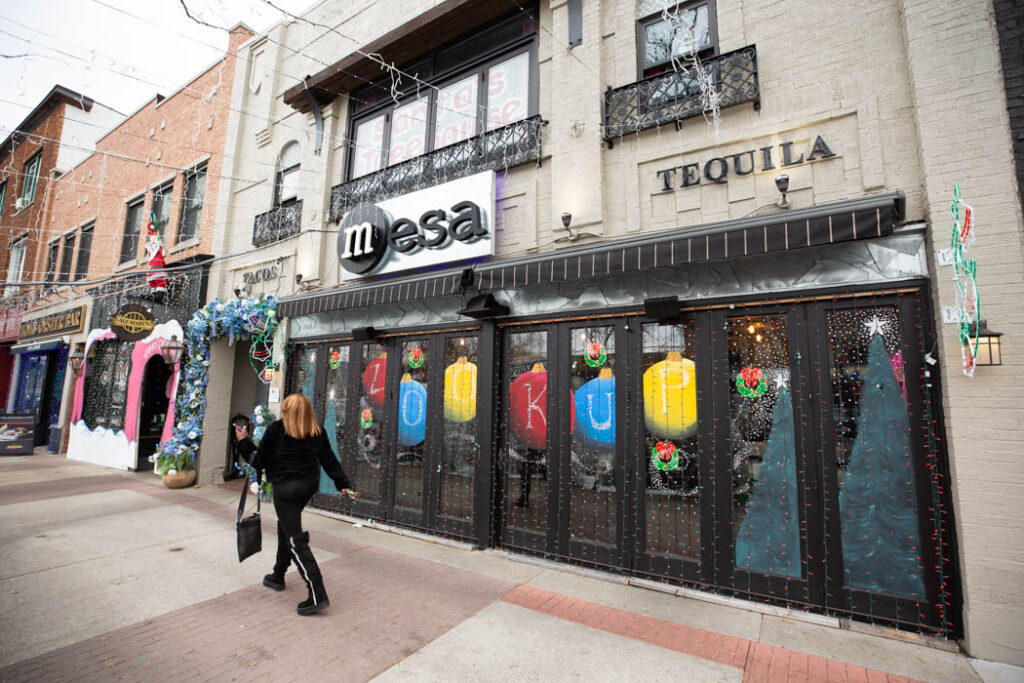
Mesa Tacos and Tequila, 312 S Main: Helmed by an executive chef from Mexico City, the food matches the intensity. Think savory birria tacos, flamin’ hot cheeto elotes, and towering “freak shakes” that have to be seen to be believed. The weekly fire show turns dinner into a full event. Serious bonus for plant-based diners: the vegan menu here is genuinely one of the most varied in downtown Royal Oak.
Casual stops, dessert, and everyday anchors
Some of the best nights out in downtown Royal Oak happen when you follow your appetite without overthinking it. Like: a late-night crepe, a beer and pizza after browsing records, classic dive bar fare that won’t break the bank. These spots make it easy to say yes to walking downtown instead of ordering delivery, or to add an extra stop to your evening without the commitment of a full meal. Restaurant Week is a great time to explore upscale options, but these everyday anchors are what keep people coming back to downtown year-round — and that consistency matters for building a sustainable local dining scene.
Rock on Third, 101 E. Third: Known for creative sandwiches and satisfying plates, Rock on Third offers a quick, casual option within walking distance of Royal Oak’s main dining corridor.
Ye Olde Saloon, 13 S. Fourth: A longtime Royal Oak institution, Ye Olde Saloon is the kind of unpretentious dive bar where good music, cold beer, and familiar faces matter more than the decor. With its old-school Royal Oak energy and a menu of no-frills pub classics, it’s a neighborhood anchor that gives downtown its character and keeps people coming back.
Le Crepe, 317 S Washington Ave.: A family-owned Royal Oak café focused on made-to-order sweet and savory crêpes, including pizza crêpes, fresh salads and egg scrambles that will transport you straight to Paris.
Royal Oak Restaurant Week includes over 20 participating restaurants. The following categories highlight some of the ways sustainability can show up in your dining choices, but they’re not exhaustive.
For a complete list of participants and their special menus, visit www.dineroyaloak.org/restaurant-week.
These groupings are meant to help you think about how different dining choices connect to the broader sustainability themes we’ve explored: walkability, local sourcing, dietary flexibility, and community gathering spots.

Downtown Royal Oak: Build a low-impact night out
Sustainable dining doesn’t stop at the table. One of downtown Royal Oak’s greatest strengths is proximity — restaurants, entertainment, shopping, and civic spaces all clustered within a compact, walkable district.
Start with dinner, then browse Sidetrack Bookshop’s progressive, thoughtfully curated shelves, flip through vinyl at UHF Records, or hunt for vintage finds at Lost & Found. Take a Citizen Yoga class before brunch, or spend an afternoon exploring local shops. After dark, catch live music at the Royal Oak Music Theatre or a set at Mark Ridley’s Comedy Castle, both longtime anchors of the city’s arts scene.
Royal Oak’s Social District adds another layer to the experience, allowing visitors to enjoy beverages outdoors within designated areas as they move between participating businesses. Combined with nearby parks, the public library, and a dense mix of independently owned storefronts, it’s easy to park once — or skip the car entirely — and turn a meal into a full evening.
When restaurants, retail, and entertainment are designed to work together, lower-impact choices feel less like a sacrifice and more like the natural way to enjoy downtown.
Progress over perfection
Downtowns like Royal Oak with investments in walkability, public transit, EV charging, and waste reduction, didn’t get there overnight. They’re the result of sustained commitment from city planners, local businesses, and residents who show up. When you support these kinds of places, you’re not just choosing dinner. You’re reinforcing a tax base that funds bike lanes, tree canopy expansion, and composting programs. You’re proving that dense, walkable districts can thrive, which encourages more investment in the infrastructure that makes sustainable living easier.
The restaurants featured in this guide aren’t perfect. Neither is any city’s sustainability plan. Neither are any of us. But perfection has never been the goal. Progress is.
Restaurant Week is a starting point. Walk instead of drive. Try something new instead of the same chain. Come back in March, and again in June. Let downtown Royal Oak become a place you return to, not just visit. Those habits, multiplied across hundreds of diners, dozens of evenings, month after month, are what build a dining scene and a city that can keep improving.
The work is ongoing. So is the invitation.
Explore the full Restaurant Week guide and make your reservations at www.dineroyaloak.org/restaurant-week.