

Overview:
- GLWA approves a 5.8% water rate increase, down from proposed increase of 6.83%.
- About 70 residents voiced opposition to water authority officials Wednesday.
- Board members say rate increases are needed to address aging infrastructure, including frequent water main breaks.
The Great Lakes Water Authority Board of Directors voted on Wednesday to increase wholesale water rates by 5.8% and sewer rates by 4.26%.
This was a decrease from the 6.83% water hike and 5.98% sewer increase the utility proposed in January for fiscal year 2027, which begins July 1.
Nicolette Bateson, chief financial officer for GLWA, said the smaller increases will save communities using the GLWA system around $13 million versus the proposed amounts.
The goal is to balance affordability concerns with the need to invest in aging infrastructure, Bateson said.
Civic Action Toolbox
🗳️ Civic Action Toolbox
Why it matters
Who's making public decisions
Upcoming Meetings
Organizations to Follow
What to watch for next
Following water affordability and utility ratemaking decisions is one way to stay informed about the impact water rate hikes have in your community.
Did you take action? Let us know.
Civic resources compiled by Planet Detroit
The latest increases follow GLWA’s approval in 2025 of a 5.9% water rate increase and a 4.5% sewer rate hike.
Around 70 people spoke during the public hearing on Wednesday, all of them in opposition to the proposed increases. Many said a rate hike will force residents to choose between paying their water bill or spending money on other essentials like food, rent, and medicine.
“Systems must be maintained, but affordability must be a part of the equation,” said Flint City Council President Candice Mushatt.
A rate structure that ignores economic distress is unsustainable, creates housing insecurity, and impacts sanitation and public health, Mushatt said.
Several commenters remarked on the steep increases they’ve seen over the last several decades.
The inflation adjusted cost of water increased by 188% in Michigan between 1980 and 2018, according to a report from researchers at the University of Michigan, Michigan State University, and consulting firm Safe Water Engineering. Detroit and Flint saw even steeper increases over the same period of 285% and 320%, respectively.
Flint resident Micaiah Owens, who has announced a mayoral campaign, said that a rate hike could exacerbate problems for the utility, as those struggling to pay their water bills have their service shut off and stop paying altogether.
Water advocates, GLWA CFO say affordability legislation needed
GLWA board members emphasized the need to increase rates to deal with aging infrastructure and safeguard the system for the future.
Board Secretary Freman Hendrix said the system has some catching up to do after a 10-year cap, which limited rate increases to 4%, was lifted last year. Increased spending is needed to address problems like frequent water main breaks, he said.
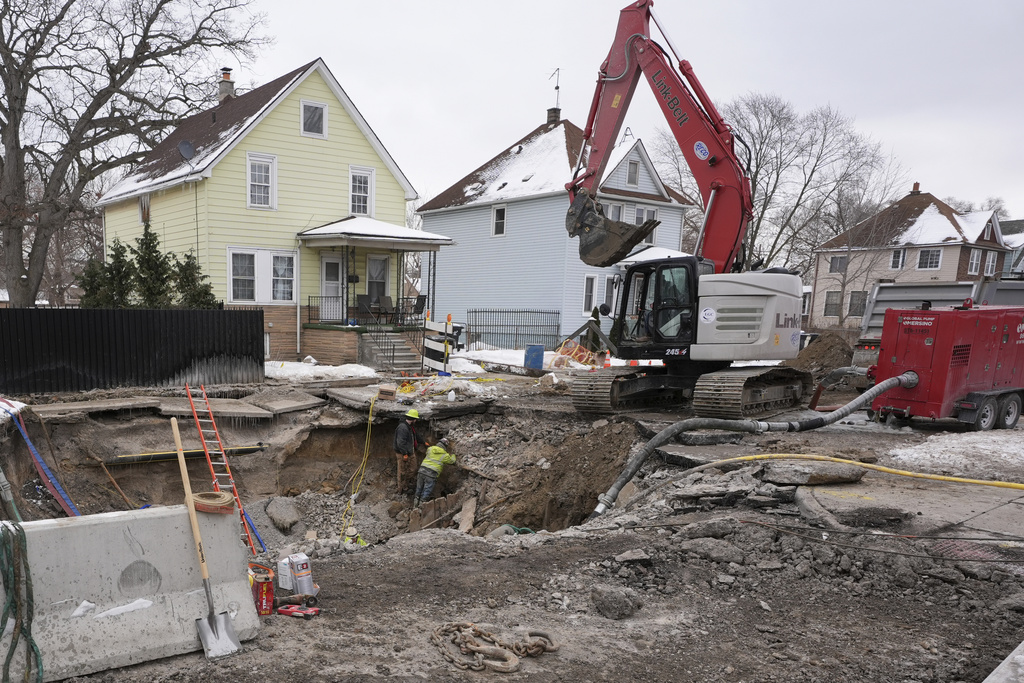
A break in a 54-inch water main managed by GLWA in Southwest Detroit impacted hundreds of houses, displaced families, and caused significant damage in February 2025.
The budget approved Wednesday includes $7.5 million to begin to expand GLWA’s strategic water main replacement program.
Gary Brown, board representative for the city of Detroit, emphasized that Wednesday’s increase affects the average charge for member communities, not the rates they bill to customers.
“In Detroit’s case, and I’ll just speak to Detroit, this charge is only 47% of the rate,” Brown said.
Norel Hemphill, legal and public policy manager for the nonprofit We the People of Detroit, said during the public hearing that a solution is needed for water affordability. Hemphill called on the board to support the Affordable Water Now legislation introduced in the Michigan House in October.
GLWA’s Bateson said the utility is engaged in the conversation around water affordability legislation.
“It is clearly needed,” she said.
Editor’s note: This story has been updated with additional details.
MORE DRINKING WATER COVERAGE
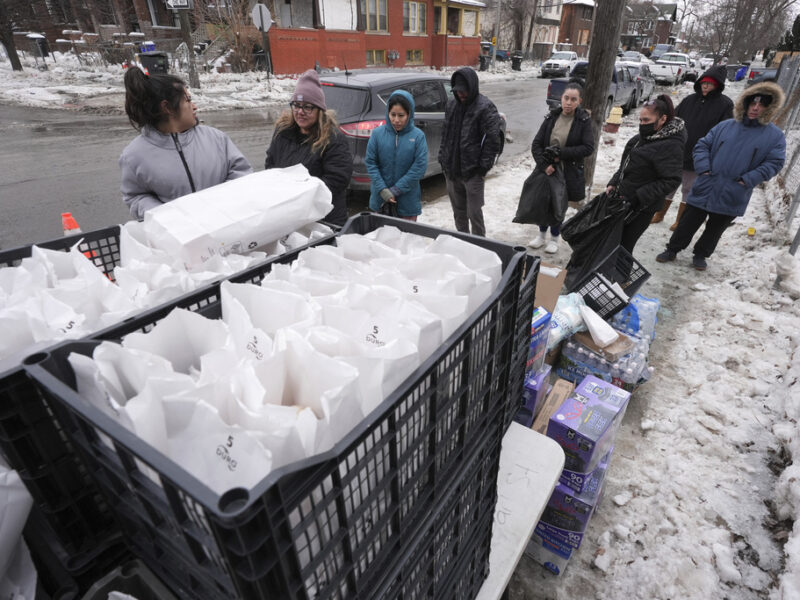
‘We can’t wait for the city to just save us’: Southwest Detroit’s catastrophic water main break 1 year later
In Southwest Detroit, a year after a devastating 54-inch water main break displaced hundreds, residents face ongoing challenges.

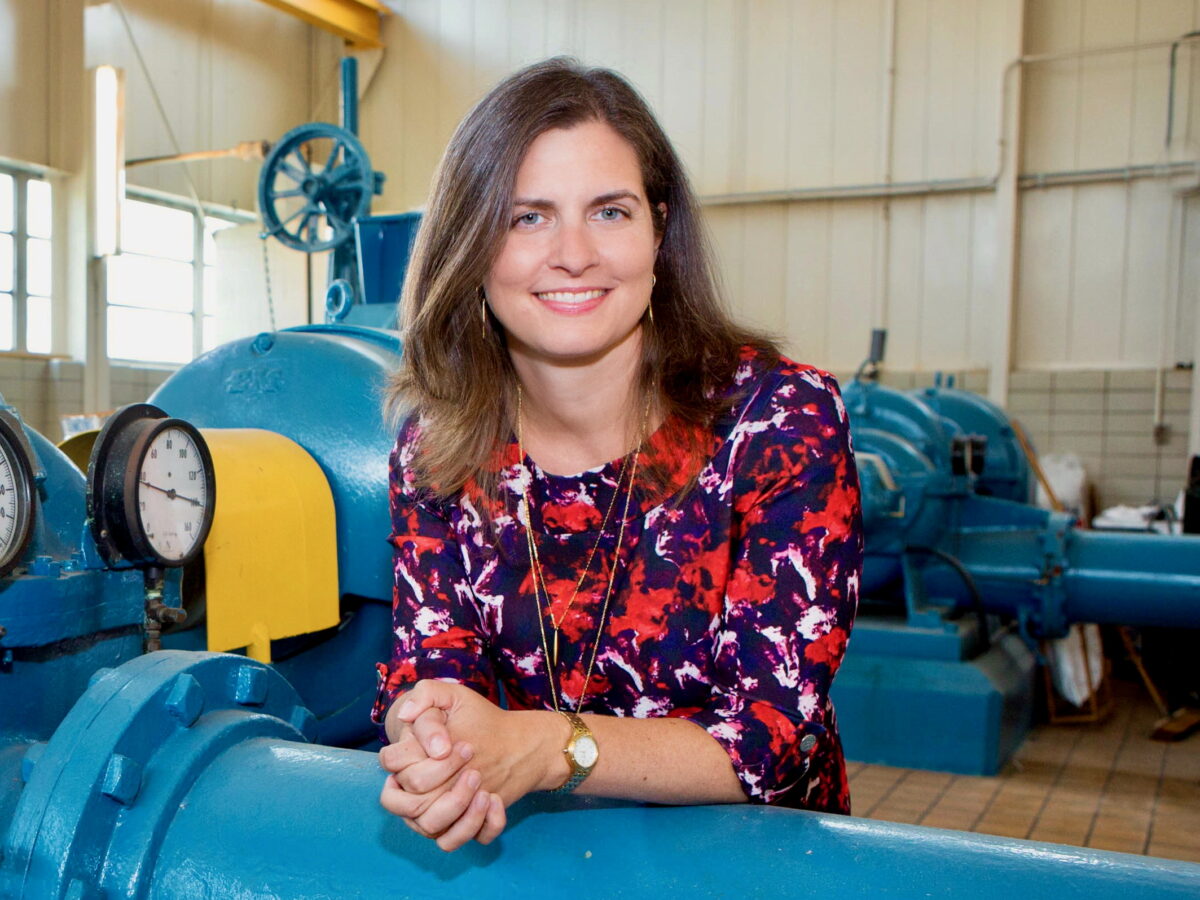
Michigan drinking water expert ousted from EPA council: A warning to whistleblowers?
The dismissal of Elin Betanzo from the National Drinking Water Advisory Council by the EPA has sparked concerns about retaliation against those advocating for science-based policies. Her removal follows a seven-month investigation into her signing of a letter criticizing Trump-era environmental rollbacks, highlighting the challenges faced by experts prioritizing community health and transparency.

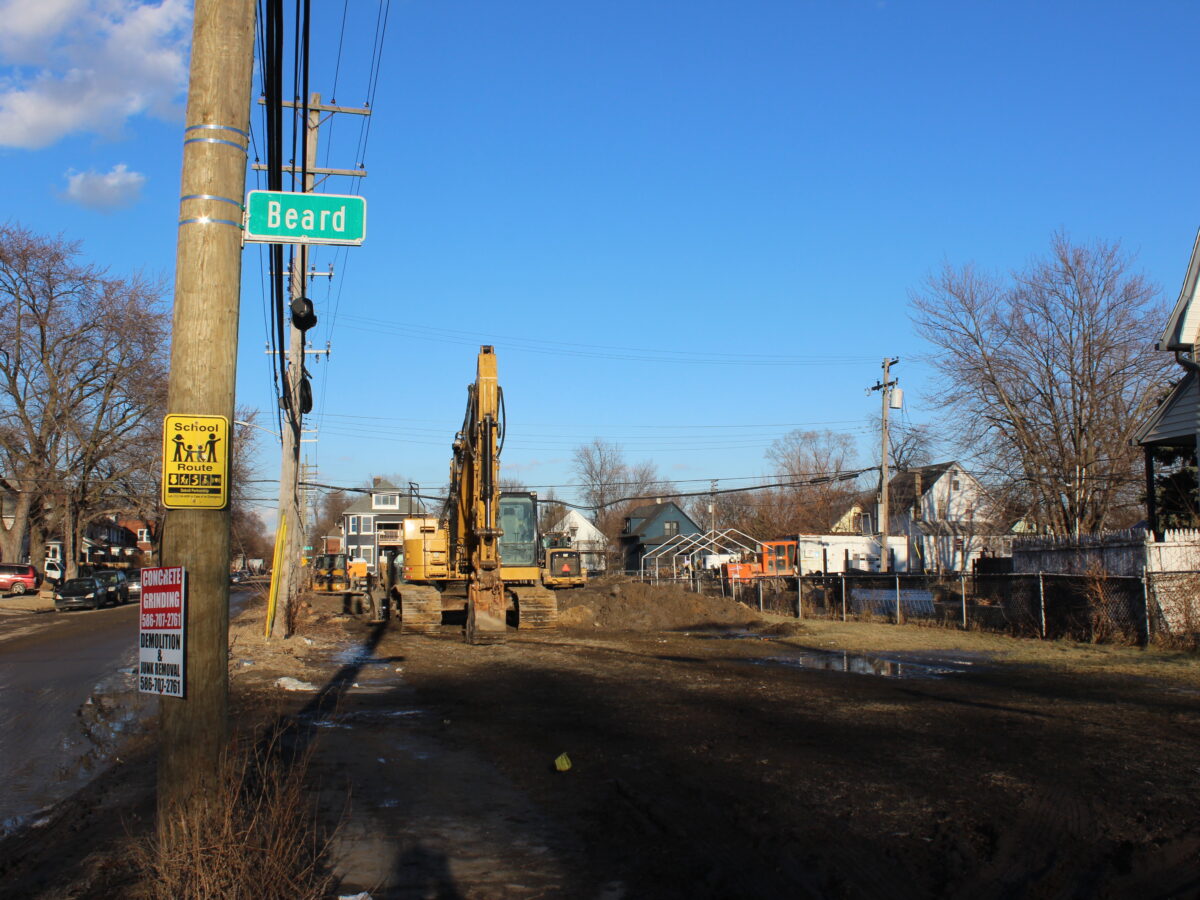
Climate change could trigger more water main breaks like Southwest Detroit disaster
Increasingly volatile winter temperatures and prolonged summer heat may be creating problems for Detroit’s aging water infrastructure.
