

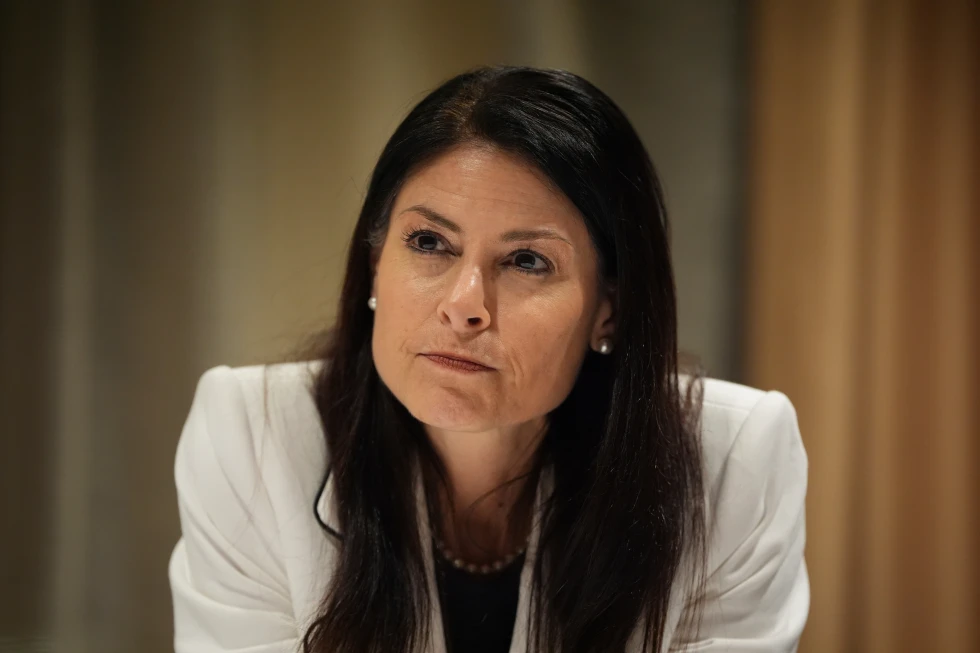

⚖️ DTE contracts challenged Michigan Attorney General Nessel is challenging DTE’s contracts for a Saline Township data center, arguing that DTE didn’t fully agree to conditions protecting customers from subsidizing the center’s costs. Nessel filed a motion to reopen the case, citing DTE’s altered language regarding cost coverage. She also requested a contested case for six battery storage contracts due to lack of cost information. 📍 Michigan Attorney General
🏗️ Data center backlash grows No fewer than 19 Michigan communities have now implemented or proposed moratoriums on data center developments as local resistance stiffens. Residents and some bipartisan lawmakers are raising concerns about significant water use, potential energy rate hikes, and the environmental impact of these hyperscale facilities. 📍 Bridge Michigan
🚰 Infrastructure vs. data boom New reports highlight concerns that Michigan’s aging water and sewer infrastructure may not be equipped to handle the massive cooling demands of the proposed data center expansion. Many of the state’s systems are over 50 years old and already face significant maintenance backlogs before accounting for new industrial loads. 📍 Capital News Service
🧊 Great Lakes icing over As of early February, ice coverage across the Great Lakes has reached just over 50% following a sustained Arctic front. Lake Erie is currently leading the pack in coverage, while researchers are monitoring how these seasonal shifts impact local whitefish populations and long-term climate trends. 📍 Michigan Public
🚢 Muskegon Lake officially delisted Federal officials have formally removed Muskegon Lake from the list of the Great Lakes’ most degraded “Areas of Concern” following decades of restoration work. The multi-year effort involved removing over 300,000 tons of sawmill debris and restoring 134 acres of critical wetland habitat for native fish species. 📍 NOAA Fisheries
🔌 Clean energy targets challenged Michigan continues to push toward a 100% clean energy mandate by 2040, but experts warn that recent federal funding cuts could slow the transition. Despite these headwinds, state regulators report a fundamental shift in the energy mix as more utility-scale renewable projects come online this year. 📍 The Manchester Mirror
⚖️ Nessel sues big oil Michigan Attorney General Dana Nessel has filed a lawsuit alleging that major oil companies engaged in a “cartel-like” plot to suppress clean energy and electric vehicle adoption. The suit claims these companies colluded to keep Americans reliant on fossil fuels, directly impacting Michigan’s environmental health and economic future. 📍 Bridge Michigan
🧪 PFAS pesticide lawsuit launched Environmental groups have sued the EPA over the continued use of a specific pesticide that is contributing to widespread PFAS contamination across Michigan’s agricultural lands. Michigan currently has some of the highest numbers of confirmed PFAS sites in the country, leading to increased scrutiny of federal approval processes. 📍 WHMI
⚡ Transmission line expansion planned Michigan’s largest transmission company is proposing more than 350 miles of new high-voltage power lines to increase grid reliability and support the state’s renewable energy transition. While officials say the lines will lower costs, local residents along the 50-mile Lansing segment are raising concerns about land use and property impacts. 📍 Michigan Environment Watch
🐟 Whitefish declines linked to ice New research indicates that the lack of stable ice cover in recent years is a primary driver behind the decline of Lake Michigan’s whitefish populations. Scientists are using updated satellite data to track how warming winters disrupt the traditional spawning grounds of one of the region’s most iconic commercial fish. 📍 Great Lakes Now