

Overview:
- The ongoing trial over radioactive waste shipments to Wayne County has sparked concerns about public health risks.
- A radiation expert highlighted how the waste could combine with existing sources to endanger residents.
- Plaintiffs argue the shipments pose an unreasonable risk without benefits, while the defense claims the fears are unfounded without concrete evidence of harm.
- The trial continues next week with the defense presenting its witnesses.

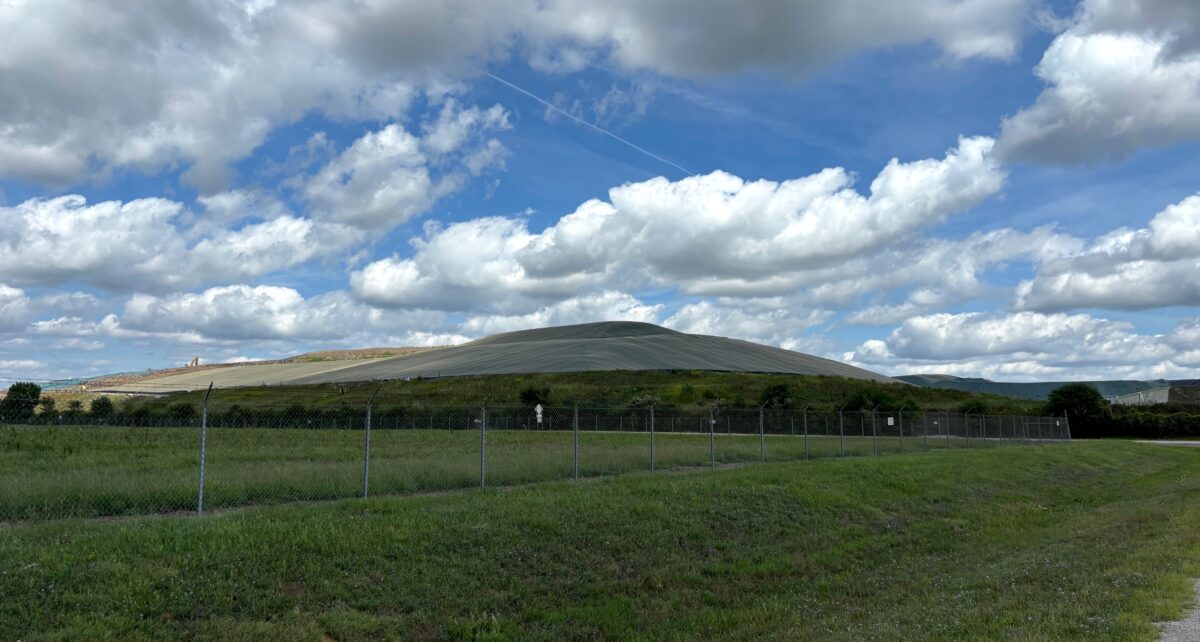
The bench trial over whether shipments of radioactive waste to western Wayne County can resume continued Thursday, with a radiation expert testifying over potential public health impacts from large shipments of Manhattan Project-era waste.
The volume and concentration of radioactive waste coming to the Wayne Disposal Inc. landfill in Van Buren Township could combine with nearby radiation sources to create a public health risk, said Kimberlee Kearfott, a University of Michigan professor and radiation protection expert.
Wayne County Circuit Judge Kevin Cox asked Kearfott whether the radioactive waste already on site has likely had a detrimental effect on the surrounding community.
“There is a probability of that, and that probability will increase as more and more material is placed on the site,” she said.
Brandon Grysko, an attorney representing Wayne County communities in the lawsuit to block the shipments, emphasized during Monday’s opening statements that the waste posed an unreasonable risk to residents and provided no benefits.
Scott Watson, an attorney for Wayne Disposal, said in his opening statement that the plaintiffs’ allegations were based on fear, and they would need to provide concrete evidence of actual harm from radioactive waste shipments.
The legal battle over the shipments began in 2024 after the U.S. Army Corps of Engineers announced plans to transport elevated radiation waste from the Niagara Falls Storage Site in Lewiston, New York, to Wayne Disposal. The hazardous waste facility is owned by Republic Services.
Belleville, Van Buren Township, Canton Township, Romulus, and the Van Buren Township fire chief filed suit in September 2024 to stop the shipments, and Wayne County intervened in the case.
Judge Cox issued an injunction Aug. 6 to suspend shipments of elevated radiation waste from sites managed by the Army Corps to Wayne Disposal.
Radon and landfill expansion add to radiation exposure risk, expert says
Scott Watson, attorney for Wayne Disposal, asked Kearfott on Thursday whether a landfill cap, which he said she had recommended, could effectively shield against radiation exposure.
Kearfott said shielding was one tool for reducing radiation exposure, but that it could never provide 100% protection.
WDI is required to place 10 feet of cover material over any elevated radiation waste, called TENORM, according to EGLE.
Kearfott raised another concern: if the landfill’s height were increased, buildings on its southern perimeter might no longer block radiation as effectively, reducing the shielding they currently provide.
“Shielding is complicated, and it depends on the geometry, it depends on the material, and it also depends upon a really important assumption, which is that things aren’t moving,” she said
Last week, the Michigan Department of Environment, Great Lakes, and Energy (EGLE) approved a 24%, 5.4-million-cubic-yard vertical expansion of the facility, which increases the landfill’s maximum allowable height by 75 feet.
Radon may be the most significant exposure pathway for residents, Kearfott said, adding that it can concentrate in homes.
Theresa Bodwin, attorney for Wayne County, asked if it was possible for radon to leave the landfill.
“Yes … it moves through lots of stuff, and it moves a lot easier than you might even guess,” Kearfott said.
One in four Michigan homes has elevated radon levels, according to EGLE.
Kearfott disputed WDI’s radiation-monitoring results, citing the facility’s failure to properly measure background radiation levels among other issues.
Judge Cox noted that Kearfott, in a sworn statement, had said that there has been an increase in radiation emanating from the site since 2017. He asked Kearfott what the impact of such an increase would be.
“It’s increasing the risk of cancers, life-shortening, and other effects associated with radiation,” Kearfott said.
The trial will resume next week, with the defense calling its first witnesses.
Correction: A previous version of this story misstated that Kearfott has recommended a 10-meter landfill cap. The landfill cap height is measured in feet, not meters.
🗳️ What’s next? Tips for civic action
Why it matters
⚡ Wayne County Circuit Court bench trial could determine whether shipments of Manhattan Project-era radioactive waste to a landfill in western Wayne County can resume. The outcome could affect residents who live near the hazardous waste facility in Wayne County.
Who’s making civic decisions
🏛️ Wayne County Circuit Judge Kevin Cox, who issued a preliminary injunction in the case in August that temporarily halted the shipments.
How to take civic action now
- 📅 Attend the trial online or in person in courtroom 1611 at the Coleman A. Young Municipal Center, 2 Woodward Ave., Detroit MI 48226.
- 🌱 Follow Michigan Against Atomic Waste for resident perspectives on Wayne Disposal.
What to watch for next
🗓️ Judge Kevin Cox will decide the outcome of the bench trial of a lawsuit filed to block radioactive waste shipments to Wayne Disposal.
Civic impact
🌍 Please let us know what action you took or if you have any additional questions. Please send a quick email to connect@planetdetroit.org to let us know what action you took.
MORE REPORTING ON WAYNE DISPOSAL
Wayne Disposal fails to loosen court order blocking Manhattan Project waste shipments
Wayne County judge denies modification to injunction that bars waste shipments with elevated radiation from Army Corps sites to the Wayne Disposal landfill in Van Buren Township.

With Wayne Disposal expansion pending, Michigan Senate passes hazardous waste bills
Michigan Senate approves bills to increase disposal fees and halt new hazardous waste facilities, with aim to reduce state’s role as a dumping ground for out-of-state waste. The legislation faces a challenging path in the GOP-controlled house.
