

Overview:
- Great Lakes water levels were below long-term averages this winter, reversing record highs from 2019-2020.
- Lake Michigan and Lake Huron levels are forecast to be 11-12 inches below average through August, while Lake St. Clair is projected to be 5-7 inches below normal.
- Dry fall seasons and hot summers with high evaporation rates contributed to the recent decline in water levels.
Water levels on the Great Lakes and Lake St. Clair continued to decline below long-term averages over the winter, just a few years after lakes hit record highs in 2019 and 2020.
Lake levels are expected to begin their seasonal rise and stay close to long-term averages, according to the U.S. Army Corps of Engineers’ six-month forecast issued March 4.
The recent decline in Great Lakes water levels hasn’t been especially steep, but the overall trajectory of lake levels is one of increasing variability, according to Yi Hong, a research scientist at the Cooperative Institute for Great Lakes Research.
Lake Michigan and Lake Huron, which are technically two lobes of a single lake, saw record highs in 2020 less than a decade after being hit by record lows in 2012 and 2013, Corps records show.
Climate change-driven extreme storms and heatwaves are influencing lake level variability, but there isn’t enough data to show if levels will trend lower or higher over the long-term, Hong said.
Over the next six months, the Corps predicts water levels will stay below long-term averages on all the lakes, except possibly Lake Ontario.
Civic Action Toolbox
🗳️ Civic Action Toolbox
Why it matters
Climate change-driven extreme storms and heatwaves are influencing lake level variability, but there isn’t enough data to show if levels will trend lower or higher over the long-term, a research scientist tells Planet Detroit.
Who's making public decisions
Civic Actions: What You Can Do
Organizations to Follow
What to watch for next
Monitor how the National Weather Service’s forecast of above-normal precipitation over the next three months will affect Great Lakes water levels.
Did you take action? Let us know.
Civic resources compiled by Planet Detroit
Lake Michigan and Lake Huron will be the farthest below average. From March to August, levels will be 4 to 7 inches below last year’s levels and 11 to 12 inches below the long-term average. Closer to Detroit, Lake St. Clair will see water levels 6 to 10 inches below last year and 5 to 7 inches below the long-term average.
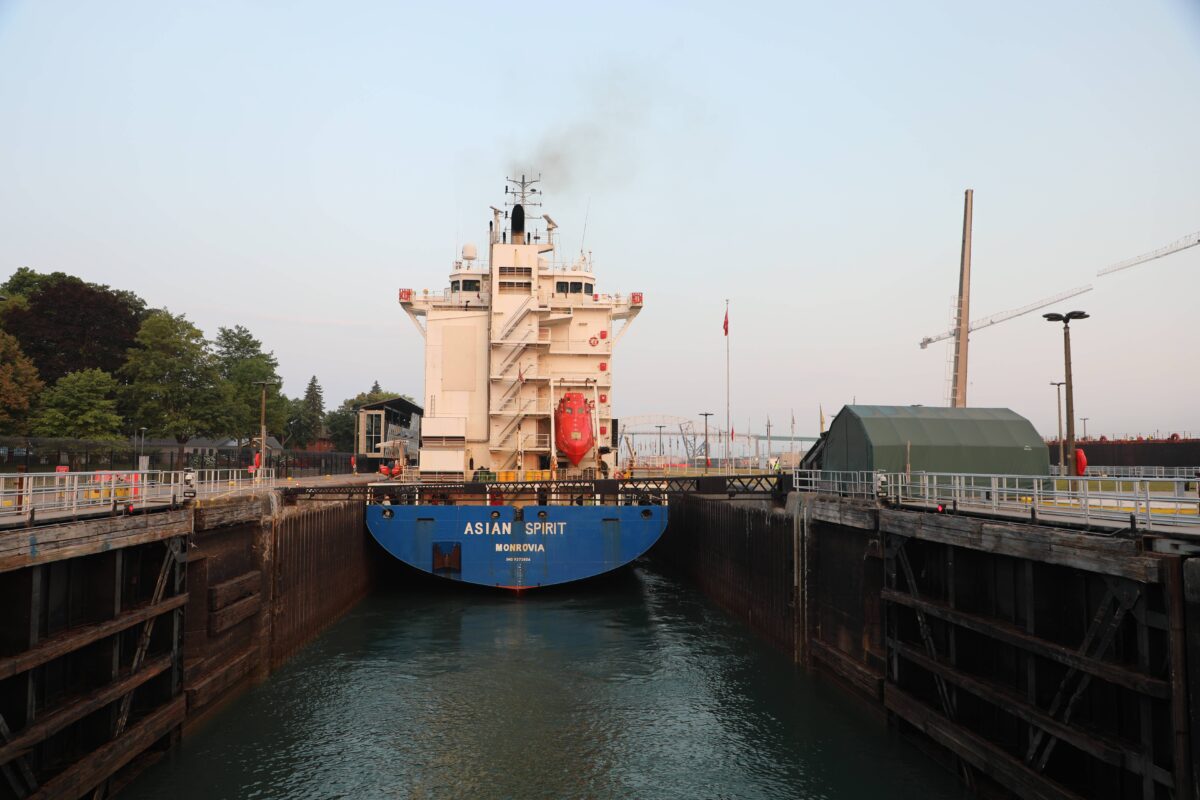
Megan Royal, a Corps hydraulic engineer, said the agency doesn’t anticipate any water level issues in the shipping channels and harbors used by Great Lakes freighters. Sediment can occasionally move into navigation channels and harbors, requiring emergency dredging, she said.
In an interview with Maritime Reporter TV, Eric Peace, vice president of the Lake Carriers Association, said Great Lakes shipping is negatively impacted by several factors, including severe weather over the fall and early ice cover. Dredging will continue to be a challenge for the industry, he said.
Dry falls, hot summers contribute to lake level declines
A pattern of dry fall seasons from 2023-2025 contributed to the Great Lakes’ falling water levels, Royal told Planet Detroit.
Last summer’s heat also led to near record-high lake temperatures, producing significant evaporation when the winter’s extremely cold air passed over relatively warm water, she said.
“Evaporation is very difficult to measure because of just how large the lakes are,” Royal said, adding that modeling showed evaporation from all the lakes except Lake Erie was above average from October to January.
The rate of decline in lake levels is beginning to stabilize as a drought eases in parts of the Great Lakes Basin and snowmelt drives runoff into the lakes, she said.
The National Weather Service’s Climate Prediction Center forecasts above normal precipitation across nearly all the U.S. portion of the Great Lakes Basin over the next three months. Temperatures in these areas mostly have equal chances of being above or below normal over the same time period.
GREAT LAKES NEWS
VOICES: Time for Congress to step up for the Great Lakes
In Washington, D.C., Great Lakes Day unites Congressional leaders in bipartisan support for the Great Lakes, yet expert Mike Shriberg warns the Great Lakes Restoration Initiative alone cannot safeguard water quality.

VOICES: Does Great Lakes chaos offer opportunity for a reset in 2026?
In a destructive time for the Great Lakes, advocates can prepare for a reinvention by following at least three core principles, writes Mike Shriberg, a Great Lakes policy expert and director of the University of Michigan Water Center.
Lake Erie defies the trend as Great Lakes water levels take a dive
Great Lakes water levels fall below last year’s figures, with Lake Erie remaining near historical norms. This change follows a dry fall and increased winter evaporation.
