


Overview:
- Bipartisan House legislation would halt all data center approval in Michigan until April 1, 2027.
- The legislation aims to address concerns about massive energy and water demands, impacts on ratepayers, and threats to climate goals.
- Several southeast Michigan communities have already enacted local data center moratoria, including Howell Township, Sterling Heights, and Pontiac.

A bipartisan group of Michigan lawmakers introduced legislation last week to place a one-year moratorium on data centers in the state.
Three state House bills would prevent the Michigan Department of Environment, Great Lakes, and Energy and local governments from issuing permits or other needed approvals for data centers until April 1, 2027.
The legislative package would bar the Michigan Public Service Commission (MPSC), which regulates utilities, from approving agreements with data centers over the same period.
A pause on data centers is needed to determine the best locations for the facilities and how the state will meet their massive power demands, State Rep. Jennifer Wortz (R-Quincy), who led efforts on the moratorium legislation, told Planet Detroit.
Civic Action Toolbox
🗳️ Civic Action Toolbox
Why it matters
A group of Michigan lawmakers says a one-year pause on data center developments is needed to create protections for workers, ratepayers, and the environment. Michigan Gov. Gretchen Whitmer’s office has said it will oppose any legislation it sees as opposing economic development and job creation.
Who's making public decisions
Michigan legislators could decide on bipartisan legislation to enact a one-year data center moratorium if House Speaker Matt Hall allows it to come up for a vote.
Upcoming Meetings
Contact Your Representatives
Civic Actions: What You Can Do
Organizations to Follow
What to watch for next
A vote on legislation to create a statewide data center moratorium.
Did you take action? Let us know.
Civic resources compiled by Planet Detroit
A statewide moratorium would give lawmakers time to add protections that ensure data centers pay the cost of connecting the facilities to electric and water infrastructure, she said.
“I’m not opposed to them,” Wortz said, adding that she’s concerned about data centers taking up farmland or requiring the buildout of more wind, solar, and battery storage in rural areas.
State Rep. Dylan Wegela (D-Garden City), who sponsored one of the bills, said that in addition to environmental and ratepayer protections, a moratorium is needed to protect workers from data center-powered artificial intelligence, which he said could lead to job losses or worker surveillance.
Wegela acknowledged the moratorium legislation is unlikely to succeed under the leadership of Michigan House Speaker Matt Hall (R-Richland Township) and Gov. Gretchen Whitmer, a Democrat.
Neither Hall nor Whitmer replied to requests for comment on House Bills 5594, 5595, and 5596.
Whitmer has opposed previous efforts to rein in data center developments. Whitmer spokesperson Stacey LaRouche told Michigan Advance in February: “Any legislation that prevents us from growing the economy and creating jobs is an automatic non-starter and would be vetoed.”
Statewide data center legislation follows local opposition
Data center developers and lawmakers have said the projects could create thousands of temporary construction jobs and bring in millions in local tax benefits.
Yet the projects have encountered fierce opposition in many Michigan communities, with residents expressing concern that data centers’ often massive water and energy demands could pass on costs to other ratepayers and jeopardize state climate goals.
Data centers could trigger an “off ramp” provision in Michigan’s climate law, allowing fossil fuel generation to stay online if there’s a capacity shortage.
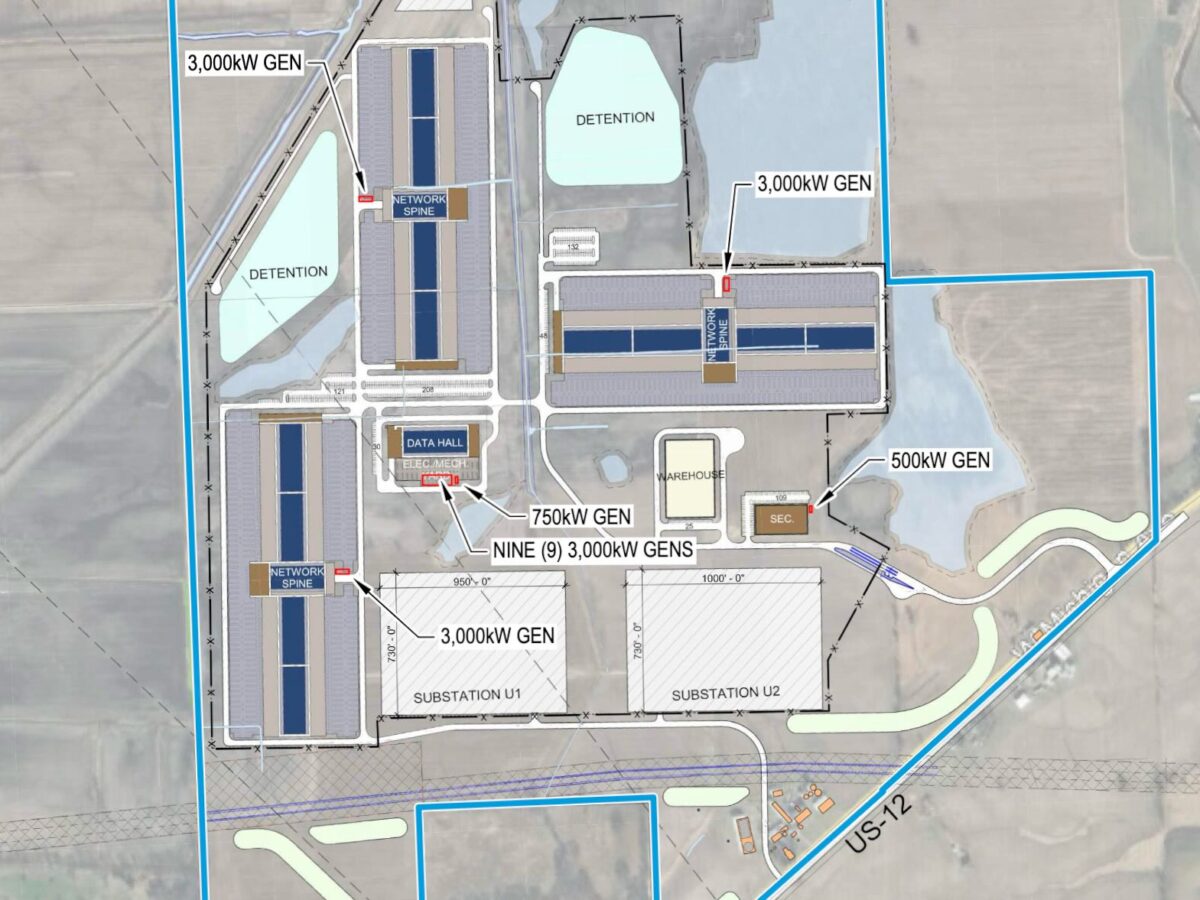
Oracle and OpenAI’s $7-billion Saline Township data center is one project that’s generated statewide pushback. The MPSC fast-tracked DTE Energy contracts for the facility in December.
Michigan Attorney General Dana Nessel opposed the MPSC’s decision and requested the commission reopen the case as a contested proceeding, which would allow ratepayer advocacy groups and other groups to submit testimony.
The Saline Township board voted to deny the rezoning of 575 acres needed for the project in September.
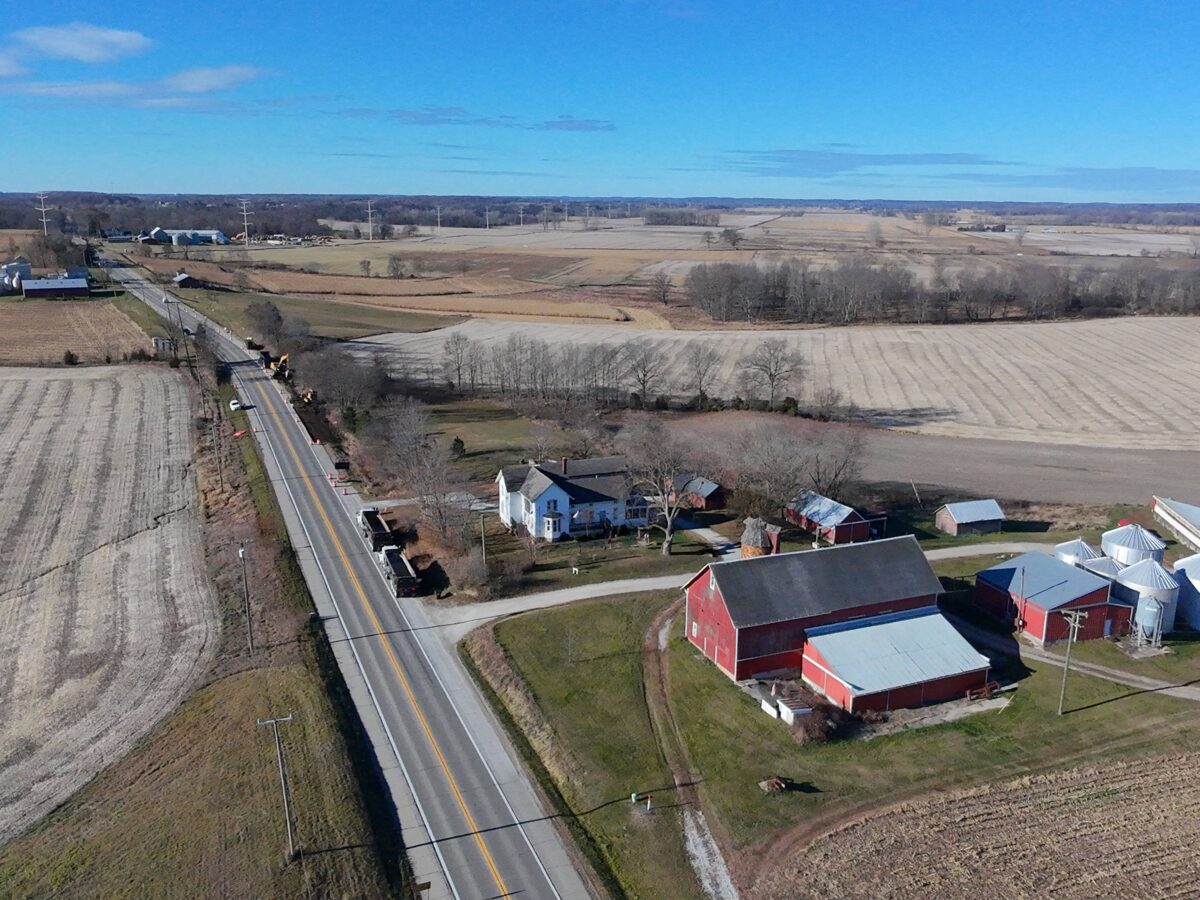
Landowners and project developer Related Digital sued the township days later, alleging the township’s refusal constituted exclusionary zoning barred by the Michigan Constitution. This occurs when “a community unreasonably excludes a legitimate land use,” the lawsuit said.
The township and Related Digital reached a settlement agreement, allowing the data center project to move forward. Planet Detroit reported last week that EGLE granted a waiver for construction to begin at the site three months before a final air quality permit was issued; Related Digital said the waiver was ultimately unneeded.
Several southeast Michigan communities have enacted data center moratoria in order to develop rules for the development of the facilities, including Howell Township, Sterling Heights, and Pontiac.
In Howell Township, developers of a proposed $1-billion data center withdrew their application in response to resident outcry after a moratorium was passed.
In December, State Sens. Rosemary Bayer (D-West Bloomfield Township), Sue Shink (D-Northfield Township) and Erika Geiss (D-Taylor) introduced Senate Bills 761, 762, and 763 to bar data centers from withdrawing more than 2 million gallons of water a day for consumptive use that isn’t returned to water systems, and to create transparency standards for the facilities’ water and energy use. None of the bills have passed out of committee.
Also in December, Rep. Reggie Miller (D-Van Buren Township) introduced HB 5399, which would bar public officials from signing nondisclosure agreements when discussing data centers.
Wegela introduced HB 5396 in December to repeal Michigan’s tax breaks for large data centers. Neither Miller nor Wegela’s legislation has passed out of committee.
Data center moratorium may not make up for municipal shortfalls, attorney says
Communities without data center zoning regulations are being caught flat-footed when confronted with proposals, according to Brian Connolly, an attorney and assistant professor at the University of Michigan Ross School of Business.
Even without new statewide data center rules, a one-year moratorium could give townships time to develop data center ordinances, Connolly said, although he added that communities already have the power to enact moratoriums.
“Particularly for rural townships, there’s a significant resource constraint,” Connolly said.
Small townships often lack the capacity to hire a planning consultant and do the outreach needed to develop an effective ordinance, he said.
Communities that want data centers could also lose out on the often fast-moving projects if development is paused for a year, Connolly said.
Legislation reflects public sentiment on data centers: State representative
Gwen Klenke, Midwest program coordinator for the environmental nonprofit FracTracker Alliance, said she would like to see a longer statewide moratorium of 15 to 18 months to give policymakers time to gather more information on data center water and energy use.
“We’re getting all of this information for every single data center from their given developers,” Klenke said. An independent review of project impacts is needed that includes evaluating what kinds of projects are likely to come to the state and their combined impact on energy and water resources, she said.
The House legislation’s blanket moratorium on all data centers regardless of size is extra-cautious, Klenke said, adding that hyperscale facilities are what she is most concerned about.
Hyperscale data centers use between 100 and 1,000 megawatts of electricity — power demands that are equivalent to mid-scale or large cities.
Rep. Wortz said lawmakers considered exempting smaller data centers from the legislation, but said it could be difficult to differentiate between facilities.
The moratorium would allow lawmakers to evaluate the impacts of different kinds of data centers and develop specific rules based on scale, she said.
Rep. Wegela said politicians may balk at pushing back on data centers because important donors like big tech, utilities, and building trades unions often support the projects.
The moratorium legislation reflects exactly the sentiment of Michigan residents, as the packed public meetings in areas where data centers are proposed are a measure of public opinion, he said.
“It’s something (where) people have made the conscious decision to leave their house and go exercise their voice.”
MORE DATA CENTER NEWS
State allowed Saline data center construction before final air quality permit approval
The waiver wasn’t ultimately needed, says data center developer Related Digital.

Judge denies Saline Township resident’s move to intervene in data center settlement
Washtenaw County judge finds resident Kathryn Haushalter’s motion to intervene in settlement came too late and would only apply to an open case.

Van Buren Township advances 1 GW ‘Project Cannoli’ data center: ‘It’s a big decision’
Lawyer for data center developer says planning commission is legally obligated to approve project.