

Overview:
- EPA removes Detroit River area from sulfur dioxide nonattainment list after 13 years, citing 57% pollution reduction.
- Coal plant closures by DTE Energy and stricter industrial controls contributed to improved air quality.
- Environmental advocates say the lengthy timeline shows need for faster action to protect residents from health impacts.

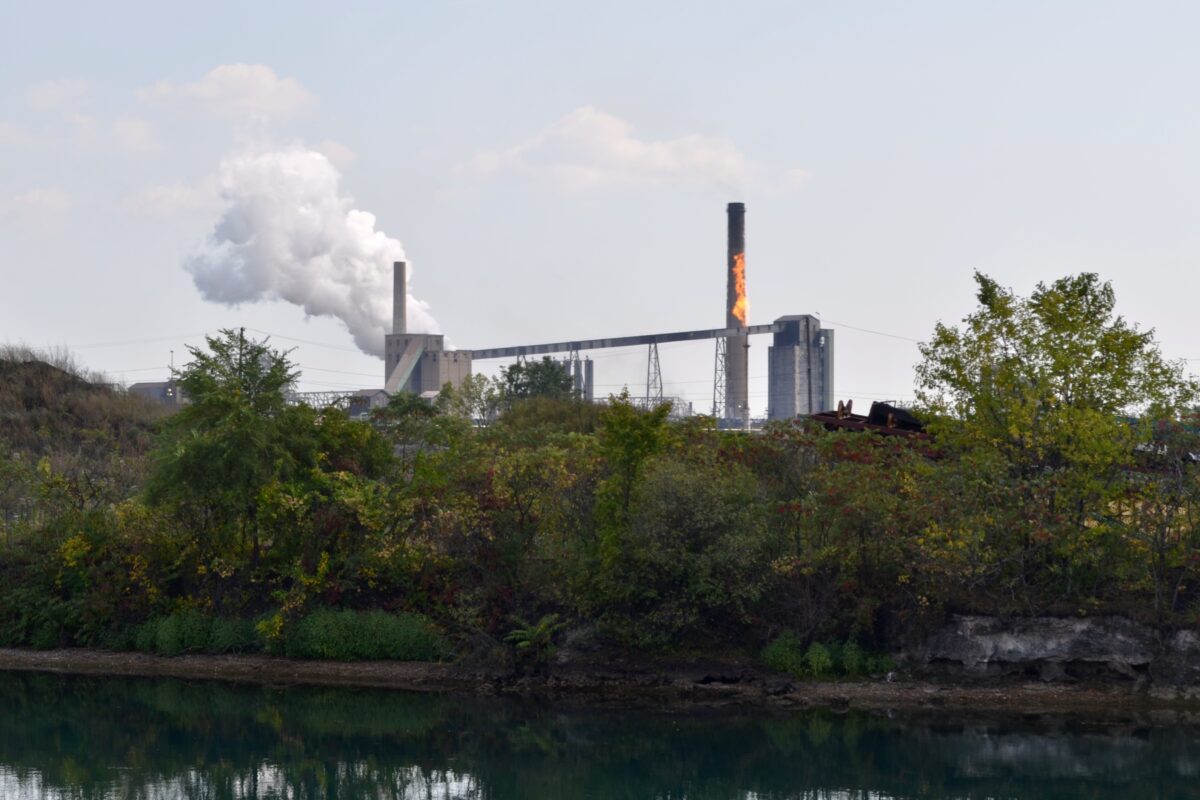
Parts of the Detroit area now meet sulfur dioxide pollution standards, and levels of the pollutant dropped by 57% over the last 13 years, federal regulators announced last week.
The Environmental Protection Agency designated an area along the Detroit River from downtown Detroit to Lake Erie as being in “nonattainment” for sulfur dioxide (SO2) under the Clean Air Act from 2013 until last week. Sulfur dioxide is one of six criteria pollutants the act regulates.
Some polluters in the area faced stricter regulatory oversight for sulfur dioxide emissions due to the EPA designation.
Civic Action Toolbox
🗳️ Civic Action Toolbox
Why it matters
Sulfur dioxide pollution can trigger asthma attacks and respiratory problems, and delays in meeting air quality standards mean more Detroit area residents experience breathing difficulties, miss work and school, and face increased risk of premature death.
Who's making public decisions
The Environmental Protection Agency makes federal air quality designations, while the Michigan Department of Environment, Great Lakes, and Energy issues pollution permits and enforces state air quality rules.
Open Comment Periods
Civic Actions: What You Can Do
Organizations to Follow
What to watch for next
DTE is appealing a federal court’s $100-million judgment against EES Coke Battery for excess sulfur dioxide emissions and has asked the judge to pause pollution control requirements that were ordered for the facility.
Are you taking action? Let us know.
Civic resources compiled by Planet Detroit
The pollutant can trigger asthma after short-term exposure and cause other respiratory problems. Sulfur dioxide can react with other compounds to form fine particulate matter or PM2.5, which is linked to cardiopulmonary problems and premature mortality.
It took too long for regulators to bring the area into attainment, said Nick Leonard, executive director of the Great Lakes Environmental Law Center. Delays in meeting air quality standards have real impacts on people’s lives, he said.
“What that means for residents is more people with asthma, more people with Alzheimer’s, more people missing school and work because they’re having trouble breathing, and even, in some cases, more premature deaths,” Leonard said.
Michigan regulators need to do more to address air pollution in an area where residents are highly vulnerable, he said.
DTE received Zug Island permit despite Detroit’s sulfur dioxide nonattainment
The area’s attainment designation follows the closure of DTE Energy’s River Rouge and Trenton Channel coal power plants and state and federal efforts to reduce sulfur dioxide pollution from other sources in an area with significant industrial emissions.
The closure of the power plants played a significant role in reducing sulfur dioxide in the area, Michigan Department of Environment, Great Lakes, and Energy spokesperson Josef Stephens told Planet Detroit.
U.S. Steel was able to delay action on sulfur dioxide with a successful lawsuit alleging an EGLE rule targeting its Ecorse facility was “discriminatory, arbitrary, unreasonable and prejudicial,” MLive reported.
As a result of the lawsuit, EGLE had to work with companies to develop alternate pollution controls and ensure they had federally enforceable restrictions in their air permits, Stephens previously told Planet Detroit.
The sources of sulfur dioxide pollution included in the EPA’s 2022 air quality modeling for the area are U.S. Steel facilities in Ecorse and on Zug Island; EES Coke Battery on Zug Island; Carmeuse Lime in River Rouge; DTE Energy’s Monroe Power Plant; Cleveland-Cliffs Steel Corp. in Dearborn; the Dearborn Industrial Generation power plant in Dearborn; and the Marathon Petroleum Corp. refinery in Detroit.
Environmental lawyer Leonard, who represented the Sierra Club when it intervened in an EPA lawsuit filed against EES Coke Battery over sulfur dioxide emissions, said EGLE’s decision to issue a permit for the facility in 2014 was among the factors that made it difficult to bring the area into sulfur dioxide attainment.
The permit removed the limit on how much coke oven gas the Zug Island facility could use, leading to a spike in sulfur dioxide emissions while the area was in federal nonattainment for the pollutant, Leonard said.
Stephens said air monitoring data doesn’t show a significant increase in sulfur dioxide in the area. A graph shared with Planet Detroit shows sulfur dioxide levels at area monitors falling below federal standards between 2012 and 2025.
Leonard told Planet Detroit that air monitors often don’t capture sulfur dioxide emissions, which can be highly localized, and said the pollutant is better gauged with modeling based on known pollution sources.
U.S. District Judge Gershwin Drain ruled last August in the EPA’s lawsuit against EES Coke Battery that the facility violated the Clean Air Act by making a major modification to its operations, instead of a minor modification as its 2014 permit allowed.
In February, Drain hit the company with a $100-million judgment following a bench trial in the case.
In addition to the nine-figure fine, Drain ordered DTE and EES Coke Battery to come into compliance with the Clean Air Act by applying for and obtaining needed New Source Review permits, and to form a community action quality committee and fund it with $20 million for community air quality improvement projects.
DTE is appealing the decision.
An EPA environmental engineer testified during the bench trial that EES Coke emitted 14,180 tons of excess sulfur dioxide from 2019 to 2023, and will continue to emit about 3,000 tons annually until desulfurization technology is installed.
A DTE spokesperson told Planet Detroit that EES Coke is committed to compliance with all state and federal regulations that protect public health.
“Our operations have systems in place to enable this compliance, while we serve a critical function producing coke to fuel the steel industry and supporting more than 170 jobs in the community,” the spokesperson said.
A 2024 report found EES Coke was the fifth-highest emitter of sulfur dioxide in the state and the fourth-highest emitter of PM2.5. The report found the facility is responsible for 29-57 premature deaths annually and 15,387 cases of asthma symptoms.
Leonard said the time it took to bring the area into attainment for sulfur dioxide shows more work is needed to prevent nonattainment issues and address pollution while plans are being developed to meet air quality standards.
“The important question is: What should we be doing to protect residents while those complex plans are being developed and implemented, which can oftentimes … take a decade or longer?”
Southeast Michigan’s ozone, PM2.5 compliance
Wayne County is expected to be in nonattainment for PM2.5 pollution until at least 2032, according to the EPA.
Southeast Michigan was found to be in nonattainment for ozone by the EPA in 2018, with the agency placing the area back in attainment in 2023.
The U.S. Court of Appeals for the Sixth Circuit ruled in December that the EPA violated the Clean Air Act when it placed the area in ozone attainment, a decision that requires additional pollution controls.
In March, Michigan’s Department of Environment, Great Lakes, and Energy (EGLE) asked the EPA to place the area back in compliance for ozone, as it seeks to exclude air monitoring data from days it says were influenced by wildfire smoke.
AIR QUALITY NEWS
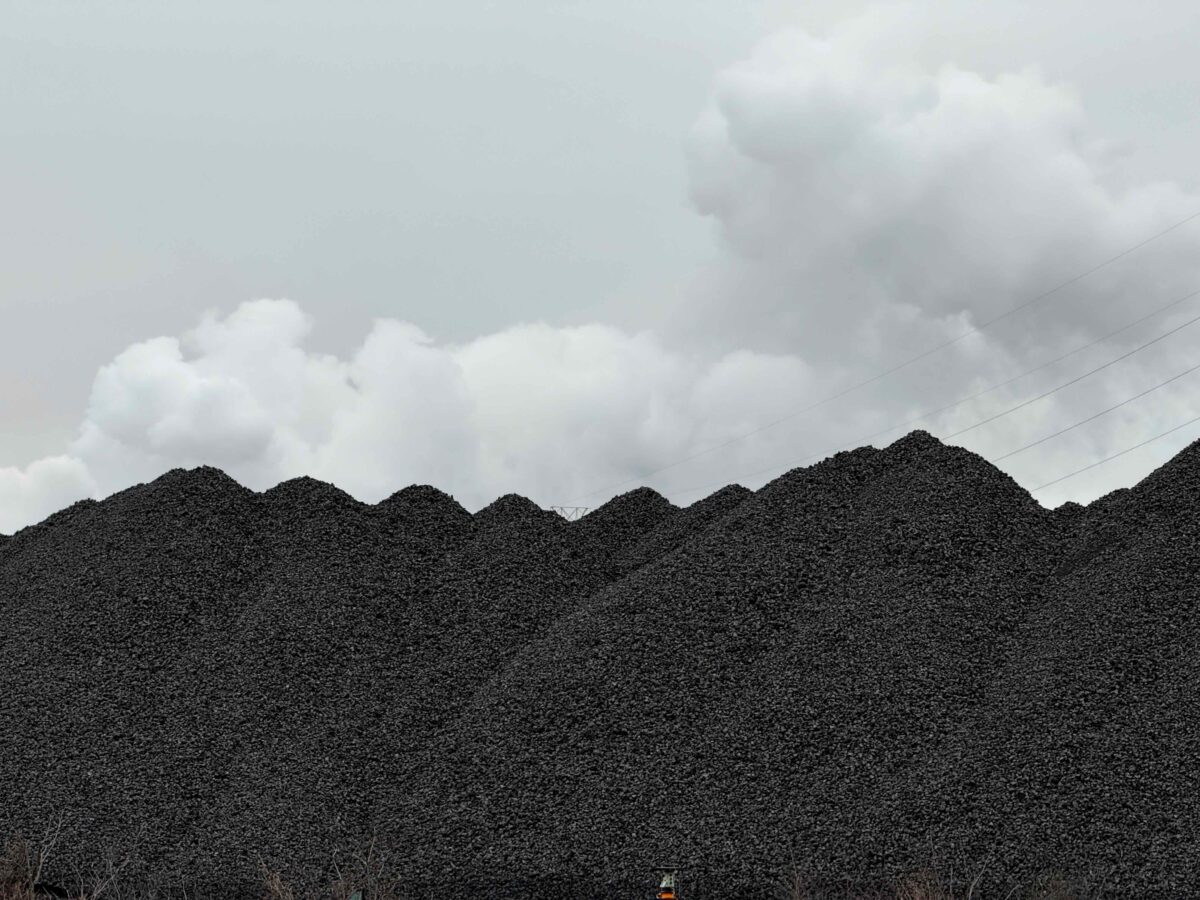
Is your air safe? A guide to cumulative pollution impact in Southwest Detroit
Bills introduced the Michigan Legislature would require the state’s environmental regulator to conduct cumulative impact assessments. What does this mean for environmentally burdened Southwest Detroit?

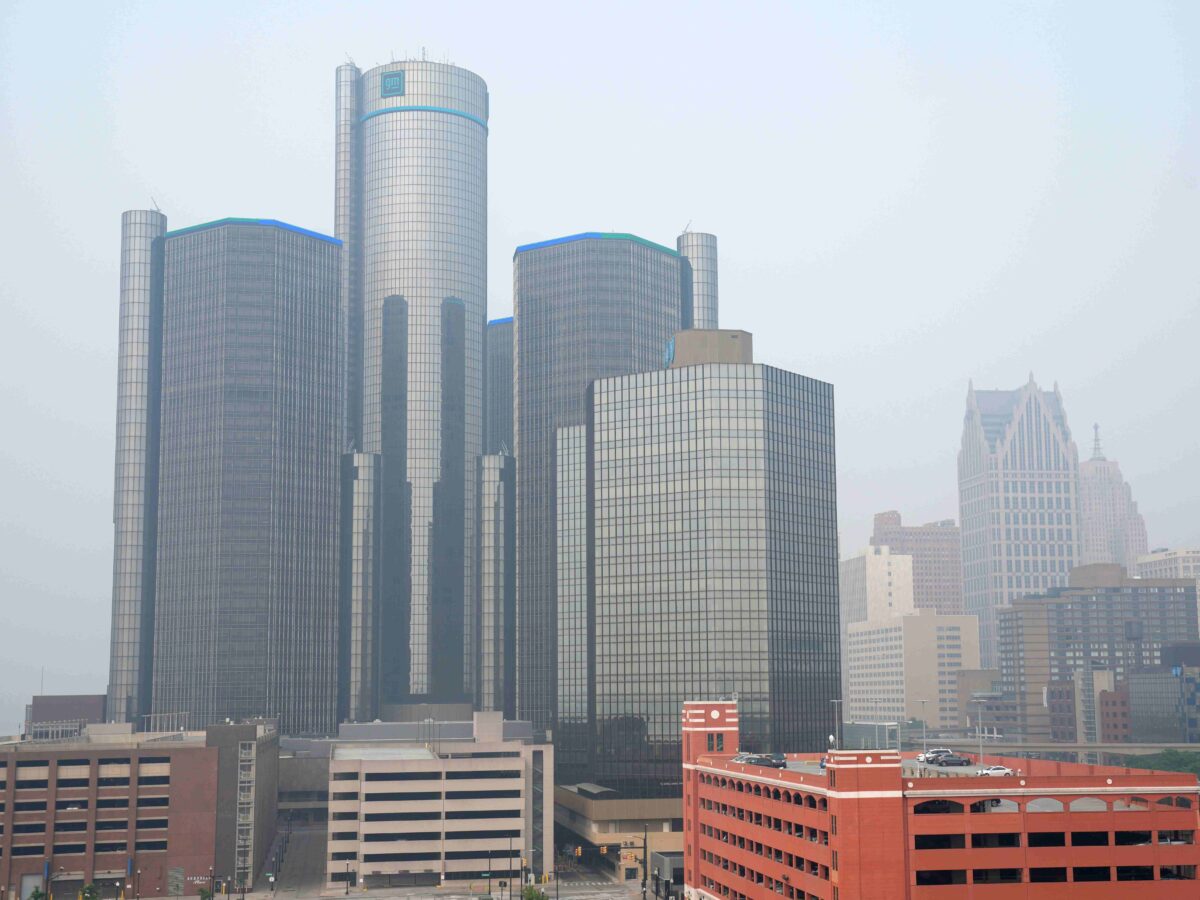
Michigan again seeks wildfire smoke exemption from EPA for ozone compliance
The move follows a December appeals court ruling that says the EPA wrongly determined Southeast Michigan is in compliance with ozone rules.


DTE appeals $100 million federal judgment over Zug Island air pollution
DTE Energy is challenging a federal court’s $100-million judgment over sulfur dioxide pollution from its Zug Island coke facility. The utility must also fund $20 million in community air quality programs.