

Overview:
- Michigan Public Service Commission increases monthly electric bill surcharge to $1.50, raising energy assistance funding to $90 million annually.
- Trump administration's budget proposes eliminating LIHEAP, a federal program that helps 400,000 Michigan residents pay energy bills.
- One in three U.S. households experienced energy insecurity in 2024, with nearly 25% reporting they reduced food or medicine to pay energy bills.
The Michigan Public Service Commission approved an increase to the state’s ratepayer-funded energy assistance program Friday, a move that will provide an additional $15 million in help in the next fiscal year.
🗳️ Civic Action Toolbox
Why it matters
Who's making public decisions
Upcoming Meetings
Civic Actions: What You Can Do
Organizations to Follow
What to watch for next
Watch for Congressional action on the Trump administration’s proposal to eliminate the $4-billion LIHEAP program in the fiscal year 2027 budget, which would cut federal energy assistance to over 400,000 Michigan households.
Are you taking action? Let us know.
Civic resources compiled by Planet Detroit
The move comes as the White House proposes eliminating the Low Income Home Energy Assistance Program (LIHEAP) in its fiscal year 2027 budget proposal. The budget requests $1.5 trillion in funding for the U.S. Department of Defense — an increase of about 40%, according to The New York Times.
LIHEAP helps over 400,000 Michigan residents pay their energy bills by contributing to multiple energy assistance programs.
At Friday’s commission meeting, the MPSC voted to increase the funding factor for the Michigan Energy Assistance Program, or MEAP, to a $1.50 surcharge on electric bills.
This program provides eligible low-income households with help paying bills for gas, electricity, and other fuel sources, as well as providing other services.
Legislation passed in 2024 approved raising the program’s monthly per-meter charge to $2 over time, and lifted the annual cap on how much funding the charges can raise.
MPSC Chair Dan Scripps said the $15-million increase in MEAP funding is badly needed.
The program will generate around $90 million in the next fiscal year beginning September 2026, an 80% increase over the $50-million cap that existed before 2024.
Scripps said the U.S. Energy Information Administration’s 2024 Residential Energy Consumption Survey paints an “alarming picture” of the challenges people face paying for energy.
Thirty-three percent of U.S. households experienced energy insecurity in 2024, up from 27% in 2020, according to the survey. Nearly one in four households reported reducing or going without food or medicine to pay their energy bills, the report said.
“There is more to do, and we will continue to work on efforts to simplify and improve programs designed to help struggling Michiganders,” Scripps said.
White House says LIHEAP ‘unnecessary’
The Trump administration’s proposed $4-billion cut to LIHEAP would eliminate a program that advocates say already struggles to meet the national need for energy assistance.
“We run out of money before we run out of need,” Katrina Metzler, executive director of the nonprofit National Energy & Utility Affordability Coalition, told Planet Detroit in October.
About one in five families needing utility assistance can obtain it from LIHEAP, which receives a set amount of funding from Congress, she said.
In Michigan, LIHEAP helps fund the State Emergency Relief program, which assists households struggling with utility bills and helps with weatherization services.
The White House Office of Management and Budget and U.S. Department of Health and Human Services, which administers LIHEAP, did not immediately respond to requests for comment.
The administration said in its budget proposal that it will lower energy costs by “unleashing energy production,” arguing that LIHEAP is “unnecessary because states have policies preventing utility disconnection for low-income households.”
U.S. utilities disconnected electricity to households 13.4 million times and shut off gas service 1.7 million times in 2024, according to an EIA report.
MORE ENERGY COVERAGE

Ypsilanti water system to consider 12-month moratorium on supplying data centers
Ypsilanti Township calls for 12-month pause on water service to data centers, citing capacity concerns.

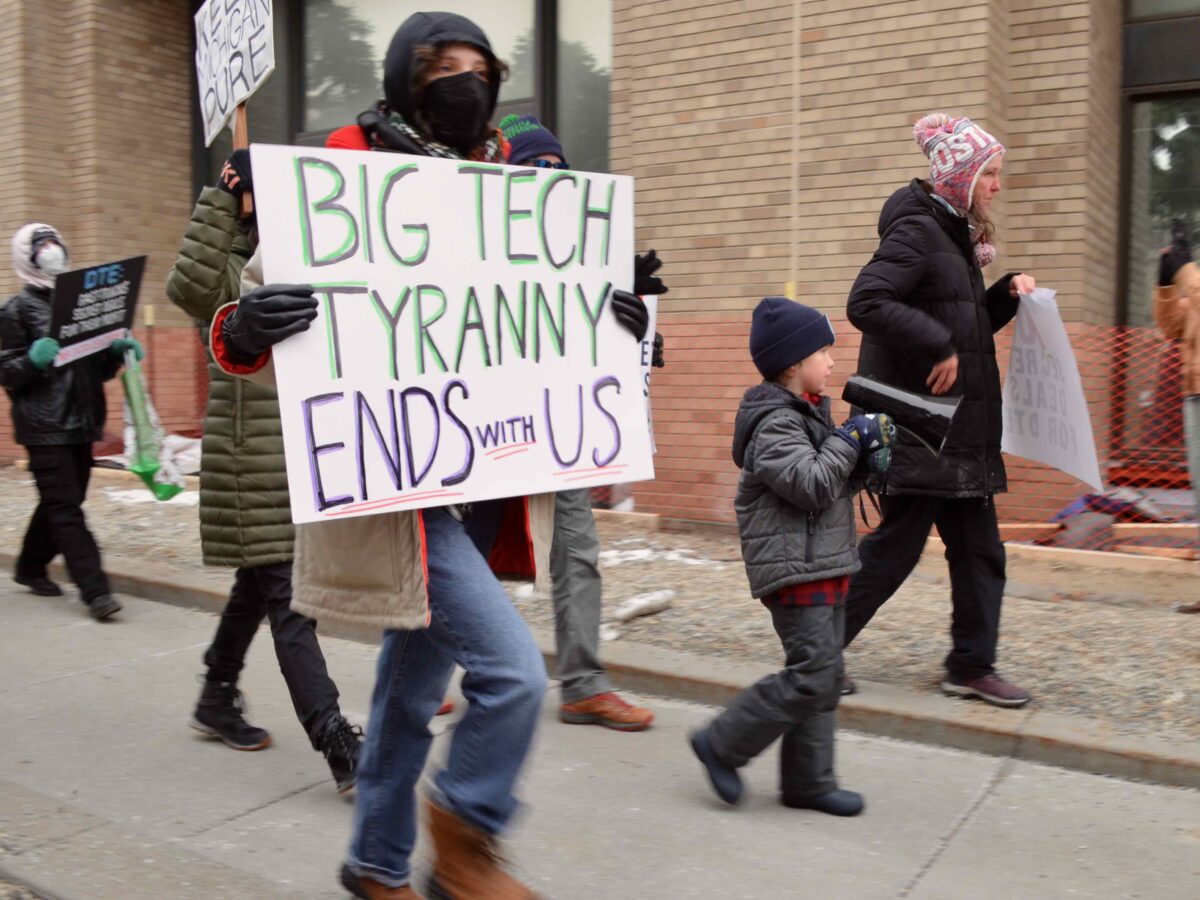
Anti-data center rallies planned in Detroit, Ann Arbor Saturday: ‘People don’t want these at all’
Residents in Detroit, Ann Arbor and four other Michigan cities will rally this weekend against data center projects, connect their opposition to a ballot initiative that would ban utility political donations.

DTE appeals $100 million federal judgment over Zug Island air pollution
DTE Energy is challenging a federal court’s $100-million judgment over sulfur dioxide pollution from its Zug Island coke facility. The utility must also fund $20 million in community air quality programs.