

Overview:
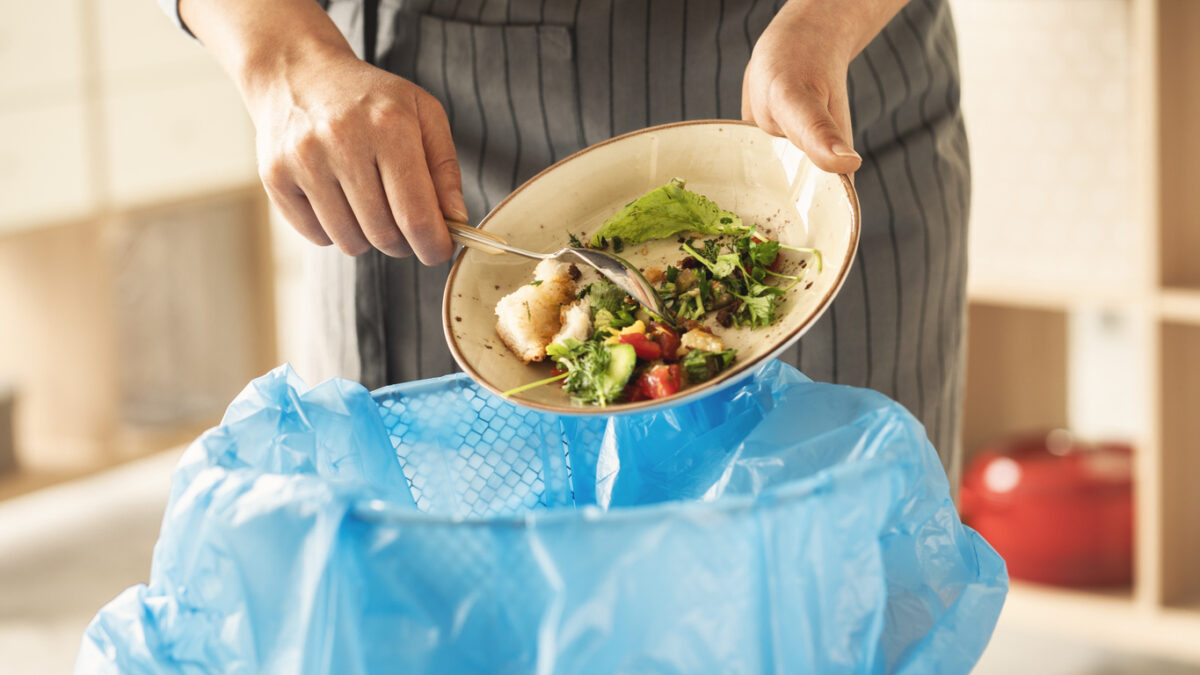
- Michigan schools threw away over 16,000 tons of prepared food in 2023, with 92% ending up in landfills, where it produces methane pollution.
- Student-led programs like Hayes Elementary's Green Team successfully reduce cafeteria waste through share tables and waste audits.
- State lawmakers could help Michigan meet its 2030 food waste reduction goal by funding school-based composting and food recovery programs.
Every day at lunch, I watched unopened milk cartons, fresh fruit, and full meals slide straight into the trash. Before long, my students began asking the questions no adult in the room could easily answer: Why are we throwing away food that someone else could use?
I’m an elementary school art teacher with nearly three decades in the classroom, not a food policy expert. But when students notice a problem clearly — and care about it this deeply — it’s our responsibility to listen. What my students uncovered at Hayes Elementary reflects a much larger issue facing schools across Michigan, and a powerful opportunity we’re missing.
Across Michigan, schools throw away tens of thousands of tons of food every year. In 2023 alone, more than 16,000 tons of prepared school food went uneaten in our state, and roughly 92% of that food was sent to landfills instead of being shared or composted.
Nationally, food is the single largest component of landfill waste. When food breaks down in landfills without oxygen, it produces methane, a powerful climate pollutant. Food waste accounts for about 58% of methane emissions from U.S. landfills.
For my students, those statistics became real in our own cafeteria. Our Green Team began as a small group of students who simply wanted to reduce waste in our school.
One of our first major projects was conducting a cafeteria waste audit to understand exactly what was being thrown away. Gloves on and clipboards in hand, they sorted and measured what classmates left behind. The results were eye-opening: large amounts of perfectly edible food were being discarded every single day.
Rather than shrug and move on, students decided to act. They launched “Waste-Free Wednesdays” to encourage more thoughtful lunch packing. They also helped establish a supervised Share Table where students can place unopened or uneaten food for classmates who may still be hungry.
These initiatives are student-led. They’ve transformed our cafeteria into a hands-on learning lab where children practice leadership, collaboration, and problem-solving.
Our work helped Hayes earn national recognition as a U.S. Department of Education Green Ribbon School. But the most meaningful outcome hasn’t been the award — it’s watching students realize they have the power to improve their community.
Programs like ours show that schools are uniquely positioned to reduce food waste. As major food purchasers and trusted community hubs, schools have the ability to influence food habits and long-term attitudes about consumption and conservation.
When students participate in waste audits, composting programs, or food recovery efforts, they’re not just reducing trash. They’re building environmental literacy and workforce skills in science, sustainability, and public service.
Hayes isn’t alone. Schools in Ann Arbor and Grand Rapids have successfully enacted composting and food recovery programs that dramatically reduce cafeteria waste while providing hands-on learning opportunities.
If similar programs were expanded across Michigan’s more than 4,000 schools, the impact would extend far beyond individual cafeterias.
The state has the opportunity to significantly curb landfill methane pollution in the decades ahead by increasing the state’s recycling rate to 45% by 2050 and strengthening standards that limit methane emissions from landfills. Together, these efforts could cut landfill methane pollution by roughly 64% by the end of the century.
Michigan has committed to cutting food waste in half by 2030 as part of its Healthy Climate Plan, but schools cannot meet that goal without state support. Right now, many Michigan schools want to launch food recovery and composting programs but lack the resources to do so.
That’s why lawmakers should prioritize funding for school-based composting and food waste reduction programs in the state budget, bringing programs like ours within reach for schools across the state. By making a relatively modest investment, our representatives in Lansing have an opportunity to help Michigan students make a tangible difference for their local environment and economy.
My students started with a simple question: Why are we throwing this away? The better question now is this: If our children are ready to lead on food waste, why aren’t we giving every school the chance to follow their example?
Planet Detroit’s Voices column includes opinion pieces from our community of partners and readers. These pieces express the voices of the authors and not necessarily those of the publication.
MORE ON FOOD WASTE

Guide: 6 ways to fight food waste in Michigan
Michigan residents are taking action against food waste, leveraging tech tools like Flashfood and Too Good To Go to save surplus food from landfills. Composting initiatives, both at home and through local services, are gaining traction. Community efforts to donate excess food to nonprofits are empowering neighbors, while smart shopping and meal planning are reducing…

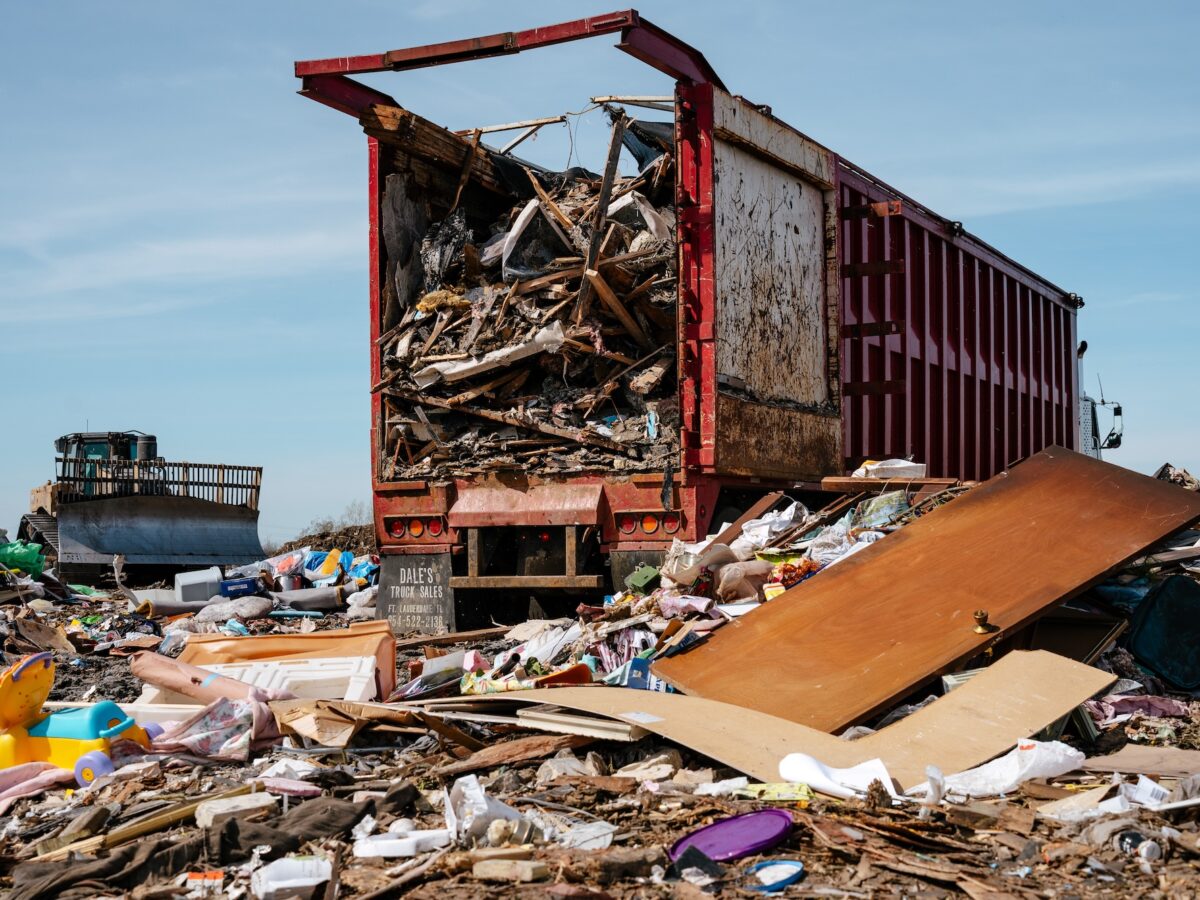
New landfill rules were supposed to cut methane. Michigan’s still falling short.
At Michigan Central’s Newlab, EcoSphere Organics is pioneering biodegradable materials from food waste, while apps like Flashfood and Food Rescue US are tackling food surplus by connecting it to those in need.
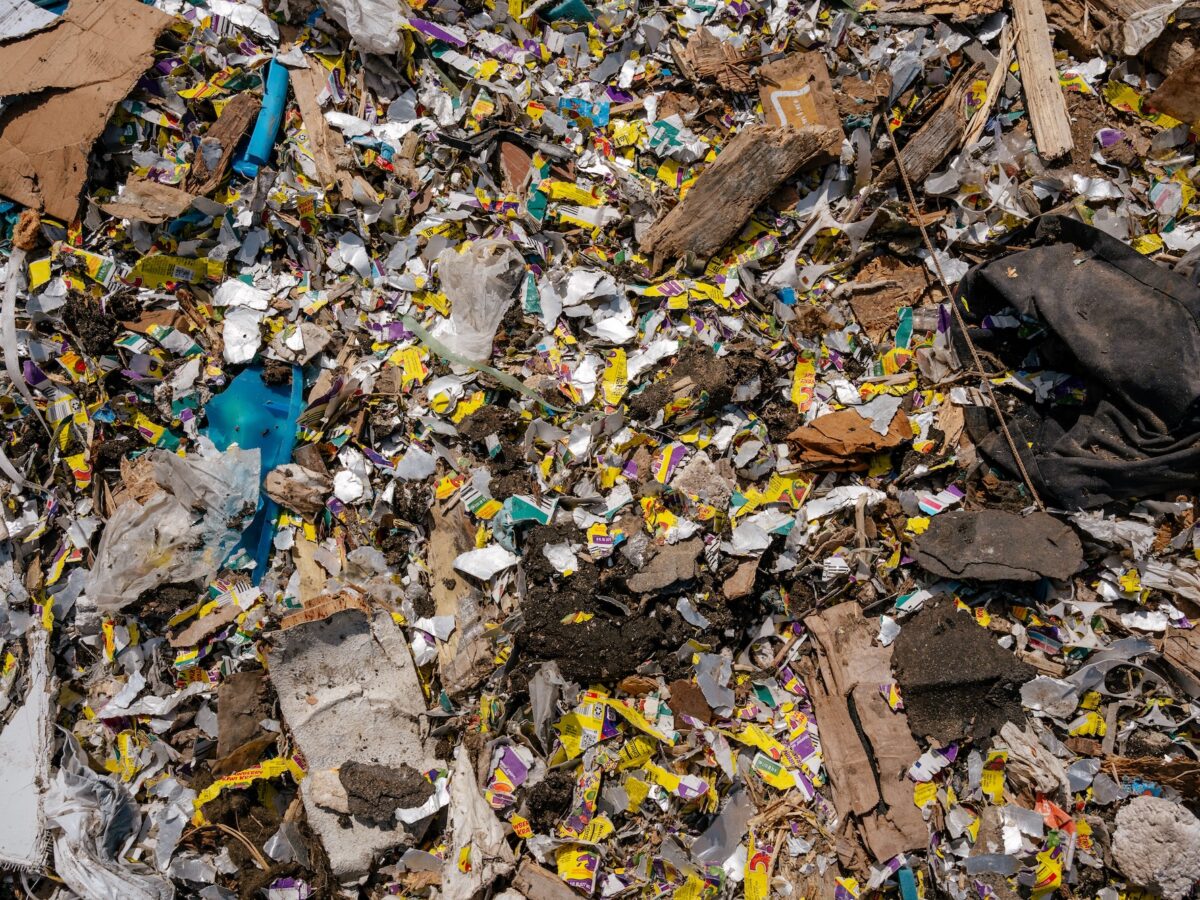
Rotting food, rising heat: How Michigan’s landfills help drive methane pollution
Michigan ranks 8th in the nation for landfilled food waste, contributing to climate-warming methane emissions. A 2023 law now requires counties to develop organic material recovery plans, aiming to curb this environmental impact.