

Overview:
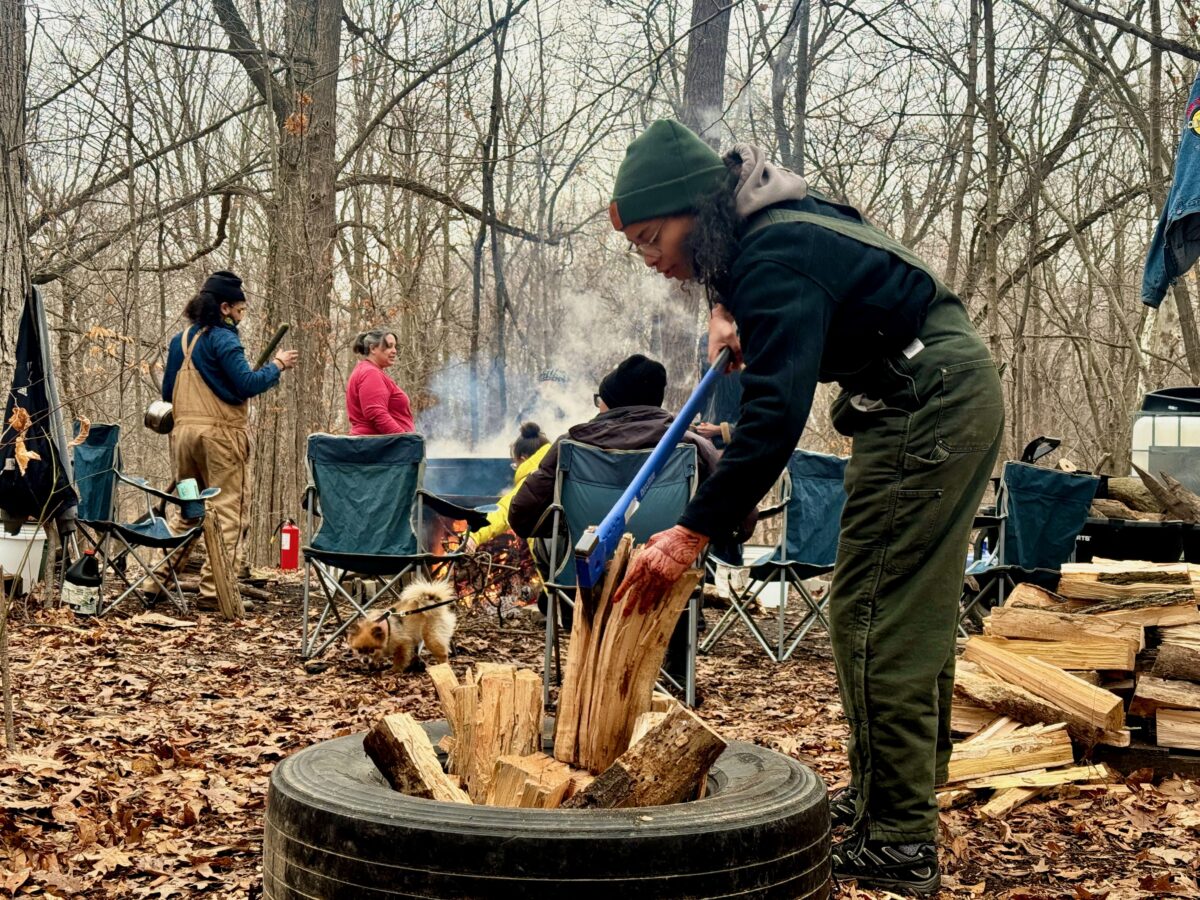
- The Indigenous tradition of maple sugaring has been practiced in Rouge Park's Sugarbush for six years, tapping sugar maples near Outer Drive and Tireman Avenue.
- The program connects Black and Indigenous communities through shared land stewardship, building on historical solidarity between tribal communities and abolitionists.
- “I’ve been anticipating it since last spring," says Natalie Perkins, a Black land steward in training at Rouge Park.
Mild spring weather brings Rouge Park’s Stone Bridge Trail area to a traditional boiling point.
2026 marks six years of sugaring in Rouge Park’s “Sugarbush,” Detroit’s largest patch of sugar maples near Outer Drive and Tireman Avenue.
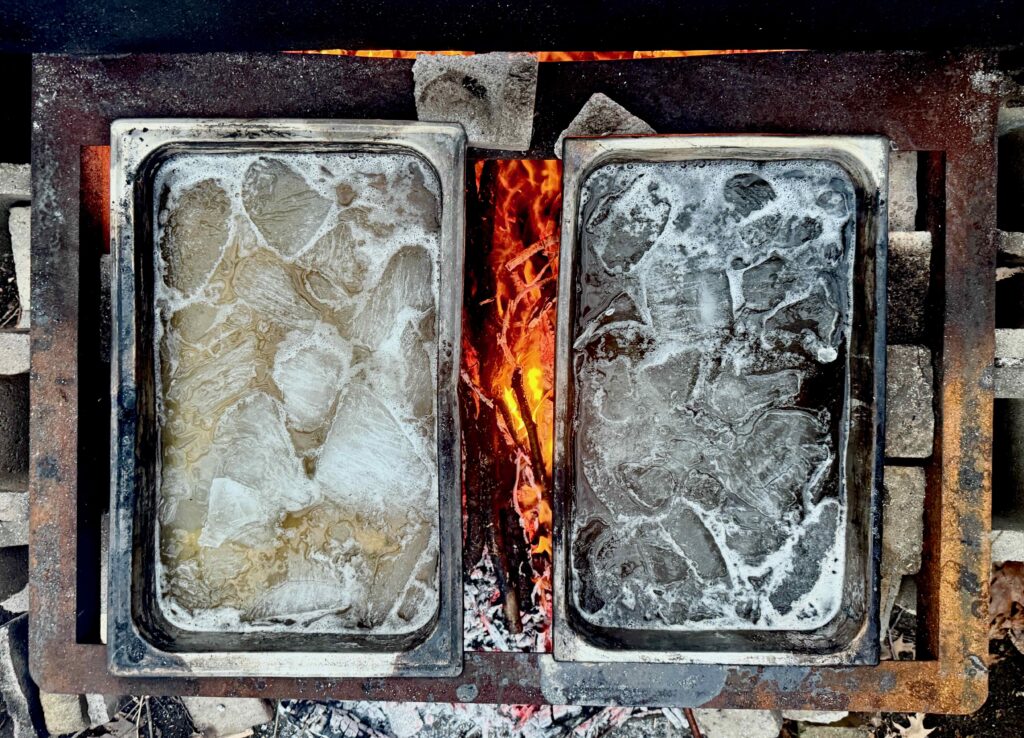
“Sugaring” is the Anishinaabeg tradition of tapping sugar maple trees in the late winter and early spring to collect sap that’s boiled down to produce sugar and syrups.
Today, syrup production has expanded far beyond its original practice, but on Detroit’s west side, the traditions are being kept alive to connect communities through storytelling and community stewardship.
‘It’s an Indigenous tradition’
Antonio Cosme first explored urban guerilla sugaring in 2019, tapping a few trees in Detroit with permission from local elders.
🗳️ Civic Action Toolbox
Why it matters
The sugaring tradition provides Metro Detroit residents with access to cultural education and community connection in the city’s largest green space.
Who's making public decisions
The Friends of Rouge Park’s stewardship manager has grown the practice into a staple late-winter experience at Rouge Park with the help of a memorandum of understanding between the Black to the Land Coalition and the city.
Organizations to Follow
What to watch for next
Watch for the annual sugarbush season in late winter 2027 at Rouge Park’s Sugarbush near Outer Drive and Tireman Avenue.
Are you taking action? Let us know.
Civic resources compiled by Planet Detroit
As Friends of Rouge Park’s stewardship manager, he’s grown the practice into a staple late-winter experience at Rouge Park with the help of a memorandum of understanding between the Black to the Land Coalition and the city.
“It’s an Indigenous tradition,” Cosme says. “Detroit is the Blackest major city in the country, and it’s been central to me that these communities connect and have more opportunities for overlap and engagement.”
While not everyone in the city has shown understanding of the Indigenous tradition, sugaring in Rouge Park has become something Detroiters look forward to.
“I’ve been anticipating it since last spring,“ says Natalie Perkins, a Black land steward in training at Rouge Park.
“Hanging out and being in the forest in the middle of the city is such a special experience. It’s really special to be 7 minutes from my house and feel immersed in this wild environment.”
Andrea Mellon, a member of the Sault Ste. Marie tribe of Chippewa Indians, was was first introduced to sugaring by tribal members on a Zoom call in 2020.
“It was really cool to learn about it through elders sharing their experience and giving tips about it if you wanted to try it.” Mellon says the conversation inspired her to give sugaring a try “guerilla style.”
“I had never done it before,” says Mellon, “but then a group of friends in Southwest Detroit decided to tap a few trees.”
Mellon says she looks forward to Rouge’s organized sugarbush season for the community it creates: “We appreciate that we can trust each other to let our kids run around in the woods together.”
Finding common ground
Cosme, of Rouge Park and Black To The Land Coalition, says sugar has long been a vehicle for community connections, citing stories shared by elders who helped kick off Rouge’s Sugarbush in the early days.
An elder “came with stories of his tribe selling thousands of pounds of sugar to abolitionists who were trying to circumvent the slavery economy of sugarcane,” Cosme says. As the grandson of a Puerto Rican sugarcane sharecropper, learning this history encouraged him to commit to Rouge’s sugarbush.
“That history of solidarity between tribal communities and abolitionists is the juice of our narrative.”
Perkins says the continuance of cultural connections is natural.
“I think the Indigenous community is really welcoming to Black Detroiters,” she says. “I love that we can find this common ground of just loving the city and loving the land that has been both of our homes.”
MORE PARKS NEWS
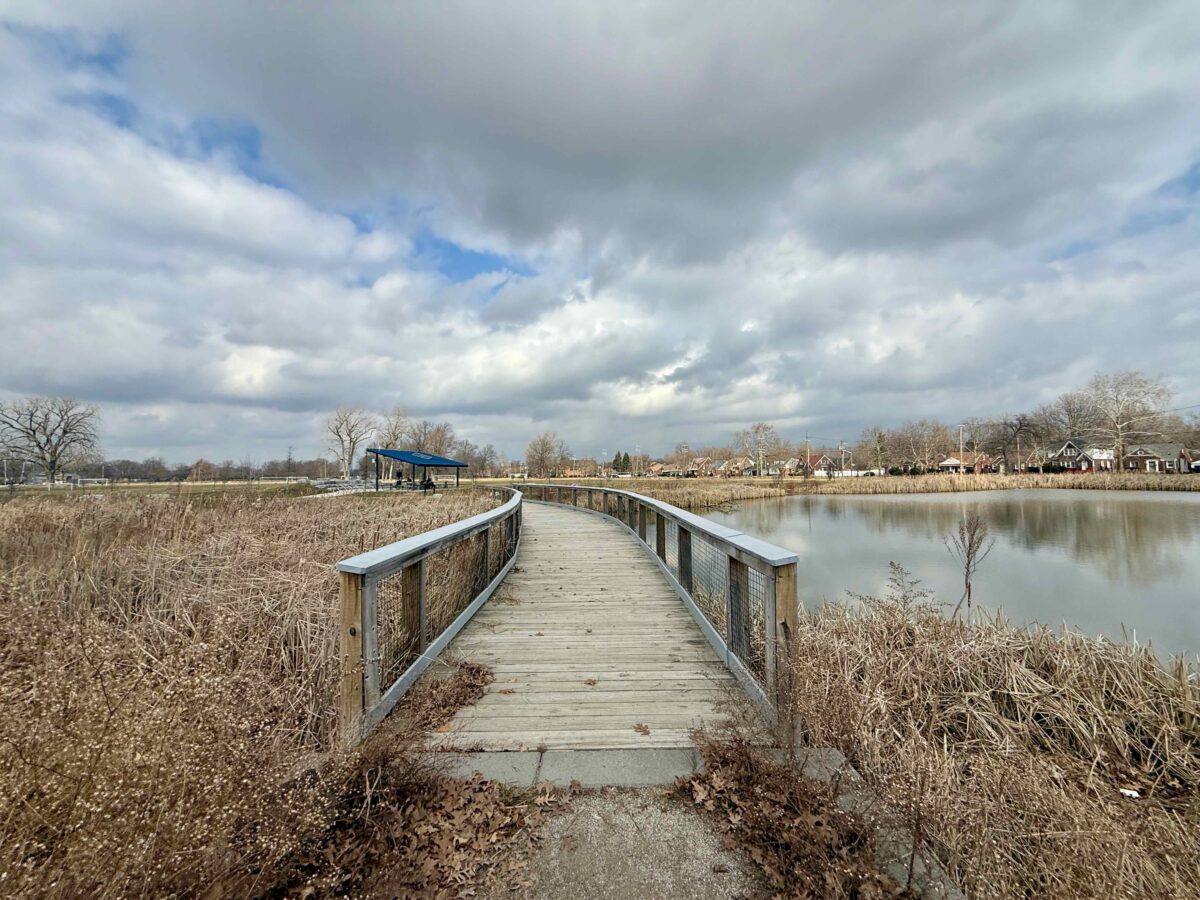
Green stormwater infrastructure in Detroit parks offers examples of flooding solutions
The Chandler Park Marshland “serves as an example of how we can do stormwater in the community,” says Alex Allen, president of the park conservancy.

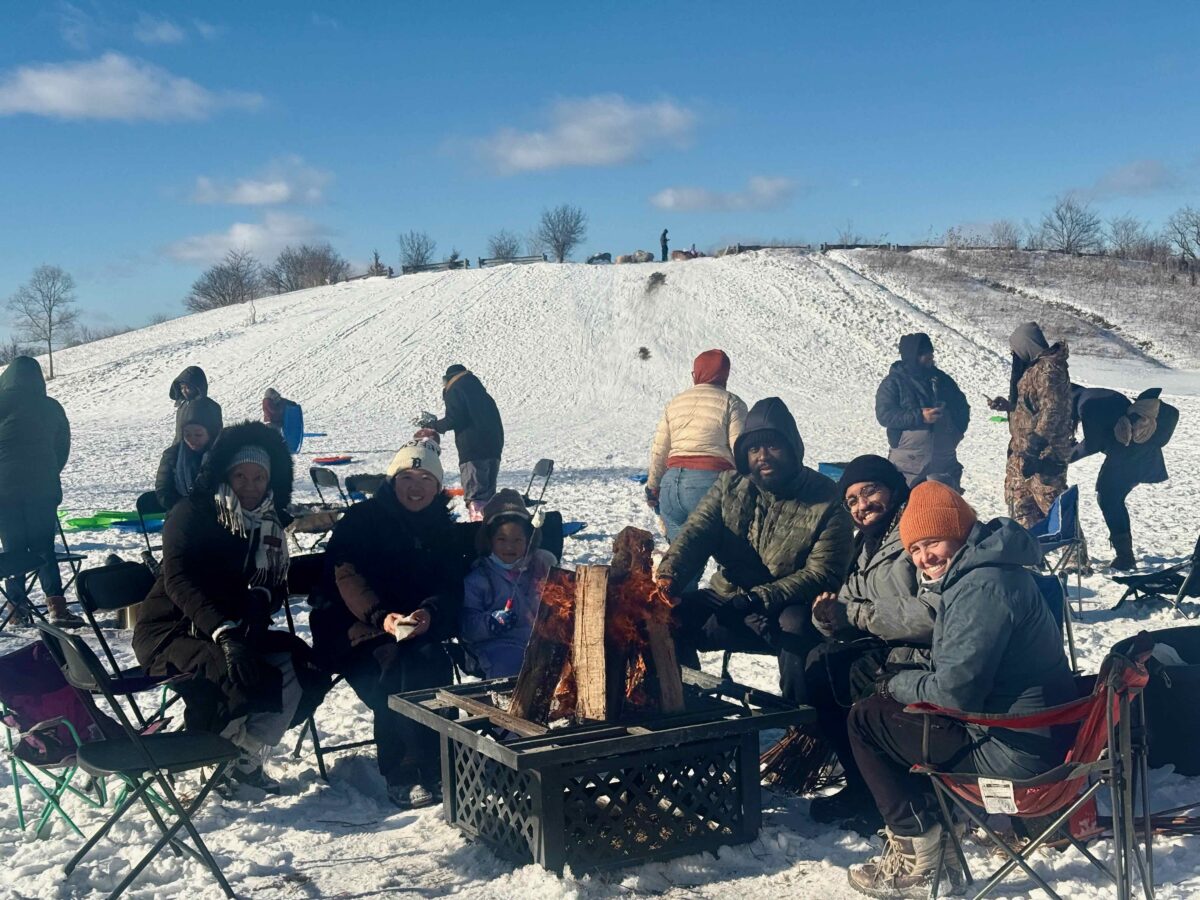
Winter blues got you down? The solution might just be at your local Detroit park.
Detroit’s harsh winters bring more than just cold; they cast a shadow over residents’ mental health. With up to 40% of Michiganders experiencing Seasonal Affective Disorder, local groups like the Detroit Riverfront Conservancy and Friends of Rouge Park are stepping up.

Community embraces Ralph Wilson Park, Detroit riverfront’s $80 million addition: ‘Come on down’
As the sun set on the Detroit River Friday, Rex Powell enjoyed it from a bench at the Ralph C. Wilson Jr. Centennial Park. It’s his third time visiting since the 22-acre park opened Oct. 25. Powell, who lives in Lincoln Park and is retired, said he’d make the 12-mile journey to the park on…