

Overview:
- Rooftop solar panels could meet 45.9% of Michigan's total energy demand, according to a 2016 study, not including additional solar installations over parking lots or farmland.
- Utilities earn 9.7% return on large capital projects like gas plants but don't profit from electricity sales, incentivizing expensive infrastructure over cheaper alternatives.
- Michigan utilities ranked least reliable nationwide for power interruptions in 2023, costing customers an average of $1,272 yearly in losses from outages between 2013-2022.
Across the country, Americans are feeling the pressure of rising utility bills in an unpredictable economic time. Since 2021, electric prices have risen nationally around 40%, with many Michiganders seeing a roughly 6.1% increase in 2026 alone.
Despite all the noise about energy sovereignty, energy dominance, and energy independence, most seem to ignore one critical realization: we are on the verge of a 21st-century age of cheap and abundant energy.
Real challenges must be addressed to power the 21st century. Yet the drive to build natural gas plants addresses this challenge by maximizing utility profits. How? Utilities make an average of 9.7% return on equity on large capital projects, and do not profit from electricity sales or the operation and maintenance of existing equipment.
This means that if a utility could build a $1.2-billion project vs. a $200-million dollar one to achieve the same goal, they will always choose the more expensive one.
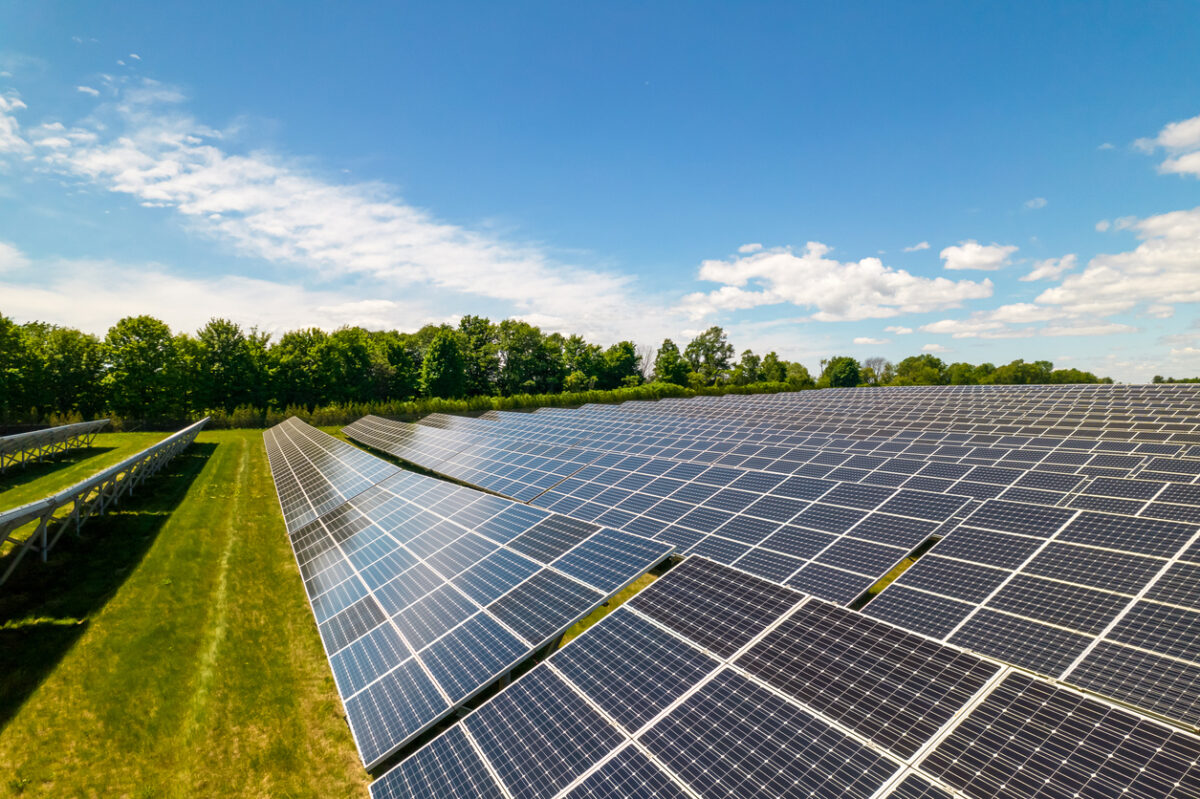
To be clear, I am not arguing to remove the existing grid. Our existing system can, over time, play a different role. Large power lines can become supplemental to our own local, homegrown energy production. In Michigan, nearly half — 45.9% — of our state’s total energy demand could be met by installing solar panels on existing rooftops, according to a 2016 study.
This study did not include energy production or additional benefits from installing solar panels over parking lots to limit heat islands; over canals and reservoirs to reduce evaporation of precious water resources; or over agriculture to increase crop production that thrive in partially shaded environments.
We in Michigan have a variety of needs, and we should expect our utilities to serve us by investing in a flexible and resilient energy system that allows us to affordably meet our local needs using local solutions and meet the challenges of the 21st century together.
This is not a political issue nor one of sustainability. This is a challenge of affordability, reliability, and resilience.
Michigan utilities were ranked the least reliable across the nation by the Citizens Utility Board last year with regards to power interruptions and the highest prices for electricity in the Midwest.
From 2013-2022, these power interruptions cost each customer roughly $1,272 every year in lost groceries, medicine, and other costs associated with power outages.
Utility advocates voice a need for “firm” and “dispatchable” capacity in the form of building new gas plants because it secures their profits for decades, not because it will make our system more resilient or keep your lights on after a storm.
In a recent article from the Institute for Energy Research, a fossil fuel advocacy group founded by Charles Koch, the authors argue that policy barriers are preventing the United States from deploying gas plants required to meet rising demand.
To me, by ignoring cheap, resilient, and available homegrown energy, it seems the Institute for Energy Research sees only where we have been, not where we are going.
Rather than focus on the 20th-century resources that force our daily dependency on foreign fuel supplies, let us mandate our utilities to persistently deliver affordable, reliable, and resilient homegrown electricity.
The cost of sunlight has no price volatility. No wars impact how the sun shines on your home, and no trade embargoes will impact your home’s energy production.
Planet Detroit’s Voices column includes opinion pieces from our community of partners and readers. These pieces express the voices of the authors and not necessarily those of the publication.
MORE UTILITIES COVERAGE

Substation for 1 GW Google data center clears planning commission despite overflow crowd’s objections
Van Buren Township planning commission grants preliminary approval for a substation serving Google’s planned 1-gigawatt data center Wednesday, despite concerns from overflow crowds about noise, property values, and infrastructure strain.

‘Weekend at Bernie’s’ coal plant costs ratepayers $180 million: Michigan AG
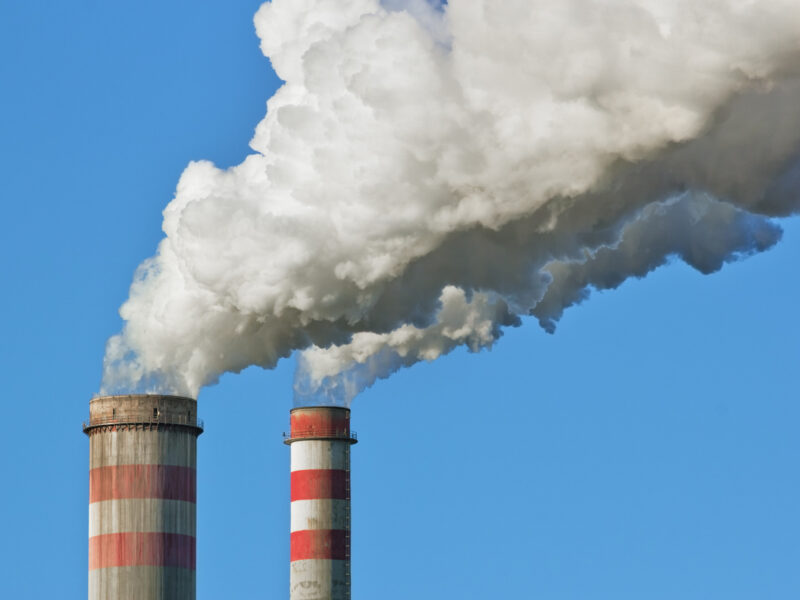
Michigan Attorney General Dana Nessel says Trump administration orders keeping the J.H. Campbell coal plant open have cost ratepayers $180 million, far more than the aging facility would recoup in profit.
DTE offers 2-year rate hike freeze if Saline data center opens on time: Nessel calls it ‘ransom note’
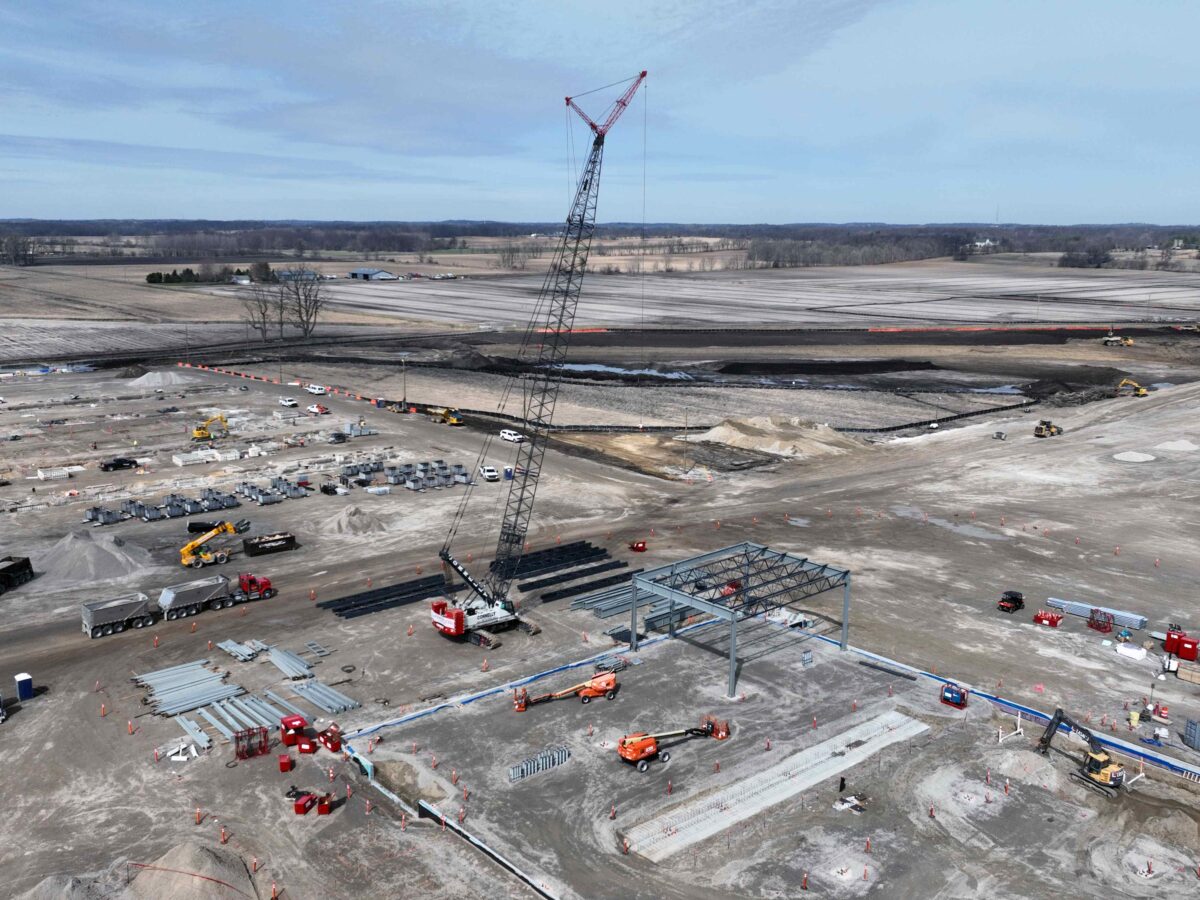
DTE Energy files for a $474-million rate hike, offers to pause increases for two years if rate case has “constructive’ outcome and Saline data center opens by target date.