
Overview:
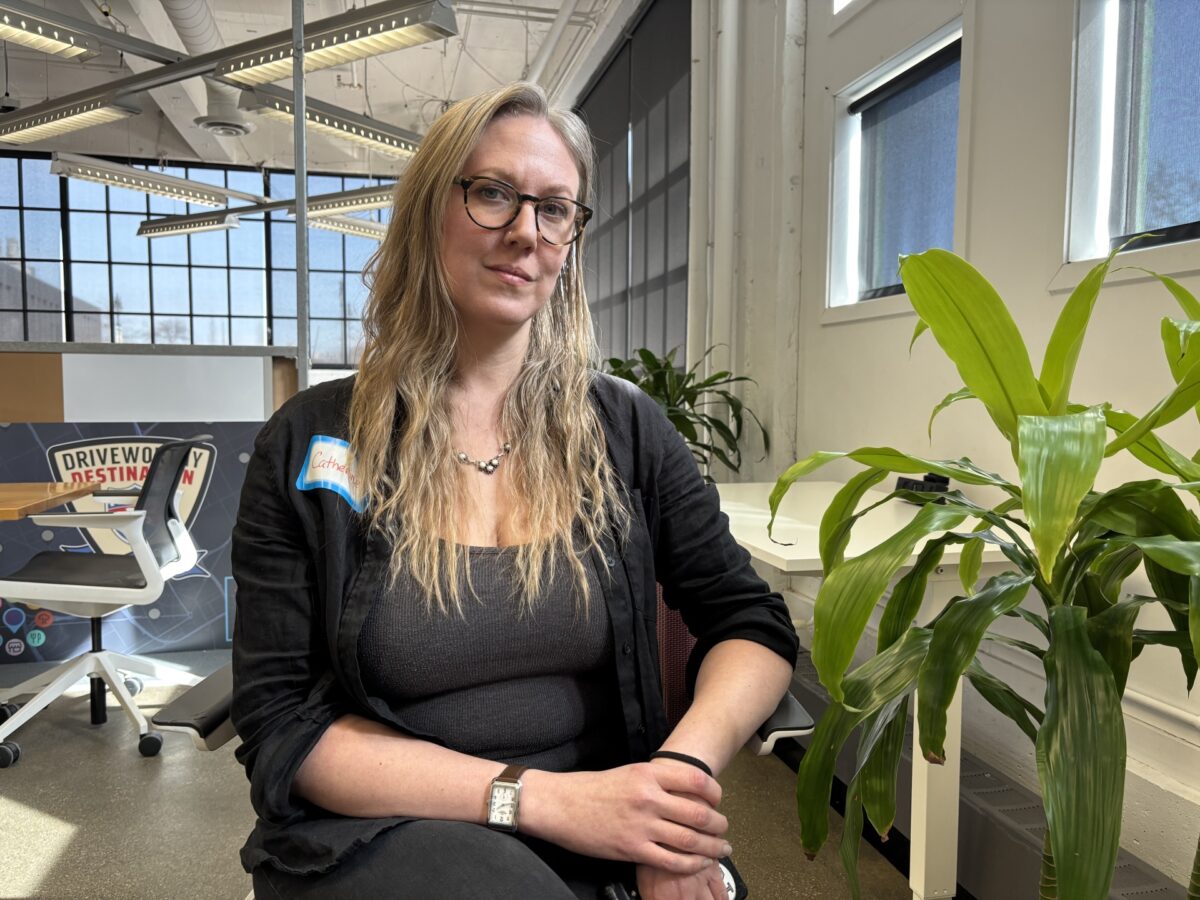
- Catherine Kurth spent 20 years as a bartender and event manager in Detroit before shifting to writing.
- She joined Planet Detroit's third annual Neighborhood Reporting Lab, a six-week program training community members in journalism fundamentals.
- The pandemic lockdown and a knee injury prompted her shift toward more meaningful work serving her community.
Planet Detroit’s neighborhood reporters are local residents who cover health, environment and climate issues in their neighborhoods. The Lab is made possible with the generous support of the Kresge Foundation.
With 25 years of experience in hospitality, mostly in Detroit, Catherine Kurth is focused on food sovereignty, understanding urban farms, and how they function in her community.
Kurth, a Dearborn native, came to Detroit at 19 to attend Wayne State University. She has lived in many parts of Detroit, and she’s now in the North End neighborhood.
She hopes to highlight unheard voices within her community in order to enact change. Kurth is a participant in Planet Detroit’s third annual Neighborhood Reporting Lab.
Below is a conversation about getting to know Kurth, her intentions, and hopes. It has been edited for clarity.
Do you have any particular connection to North End? Is there a reason you chose to live there?
I’ve lived in a few different neighborhoods in the city. I lived in Midtown when I was at Wayne State. I lived in Indian Village, West Village, and downtown. I lived in a loft in Milwaukee Junction, so I’ve seen a lot of the variety the city has to offer in the core.
The reason I chose North End is its location. My block is pretty pastoral, if I’m being honest. It’s close to so many things. The community has a lot of history. It’s strong, and it just felt like home.
What are the issues in your community to which you pay the most attention?
Access to resources has been something that I have been paying attention to. There are many urban farms in my neighborhood, and food sovereignty has been important to me for many years.
I have a lot of exposure to the urban farming developing in Detroit, through the work that I did in restaurants. Now, seeing a different side of it, actually living where those farms are, I’m still seeing the disconnect between so many people in my neighborhood who aren’t even aware that they exist, or that they have access.
The disconnection in neighborhoods and communities is a huge bummer, and I want to do something to change it.
Do you have a story to share about a person or a particular group making a difference in the community?
Eight years ago, there was some buzz around urban farms. There’s one in particular that’s in the North End: how they’re structured, how they’re engaging with the community, and who’s behind them. There was a bit of suspicion going on, a nice little flurry of coverage about that particular issue and that farm at the time, and a real effort to follow the money behind who is investing in these programs.
I think that was a really good moment in the neighborhood’s history, where people were actually stepping up to become more engaged with paying attention to whose money is funding what.
The food these urban farms are growing is destined for a CSA, a block club, or a restaurant. The kind of news coverage for that, as far as I’m aware, kind of fell off. And I think that it fell off because of COVID, and I think we should change that.
Have you noticed how the community has been affected by these issues living in the North End? Or even in other neighborhoods that you’ve lived in where you’ve noticed these issues as well?
People seem to be aware that urban farms are there, but do not really feel like they’re for them. That kind of manifests as people not knowing that they can take up this space, to be empowered, to engage with these things that are happening in their neighborhood.
There are people who have lived in the North End their entire lives, are urban farmers, and are part of community-supported agriculture (CSAs), but their neighbors three blocks away don’t know the first thing about it. But maybe the person who lives next door to that neighbor three blocks away does.
The bridge between those people and these activities is something that I have definitely seen the most in the North End.
If there was a change, or multiple changes, you could make in your community, what would you want that change to be?
When I first moved in, there was some talk, some engagement from a block club, but I obviously was not in a position to take up and champion anything. I was new to that neighborhood. Living here (Detroit) for, at the time, 15 years, doesn’t give me any position to lead something into a new place. That being said, I think that we do need more visible leadership in the neighborhood.
There’s this app called Nextdoor, but it doesn’t have much structure, and I wish it did a little more so it could be a bit more cohesive among folks.
What do you think the North End, right now, is doing well? Are there any other improvements that can be made to the community?
So, I recently got a survey sent out to my email, ‘cause there is a North End business development group and they have been doing really good when it comes to surveying or sending out surveys to residents; asking what they want to see happen in the neighborhood.
There’s a planned business development on Oakland Ave, and there has been a lot of really good community engagement with it, at least from my vantage point. I hope that same thing can be said by my neighbors as well. I’m not positive if they’re reaching out to people in ways other than email, but I have seen flyers.
I think the community engagements, for the way that the neighborhood is developing, have been pretty great.

MORE FROM THE NEIGHBORHOOD REPORTING LAB
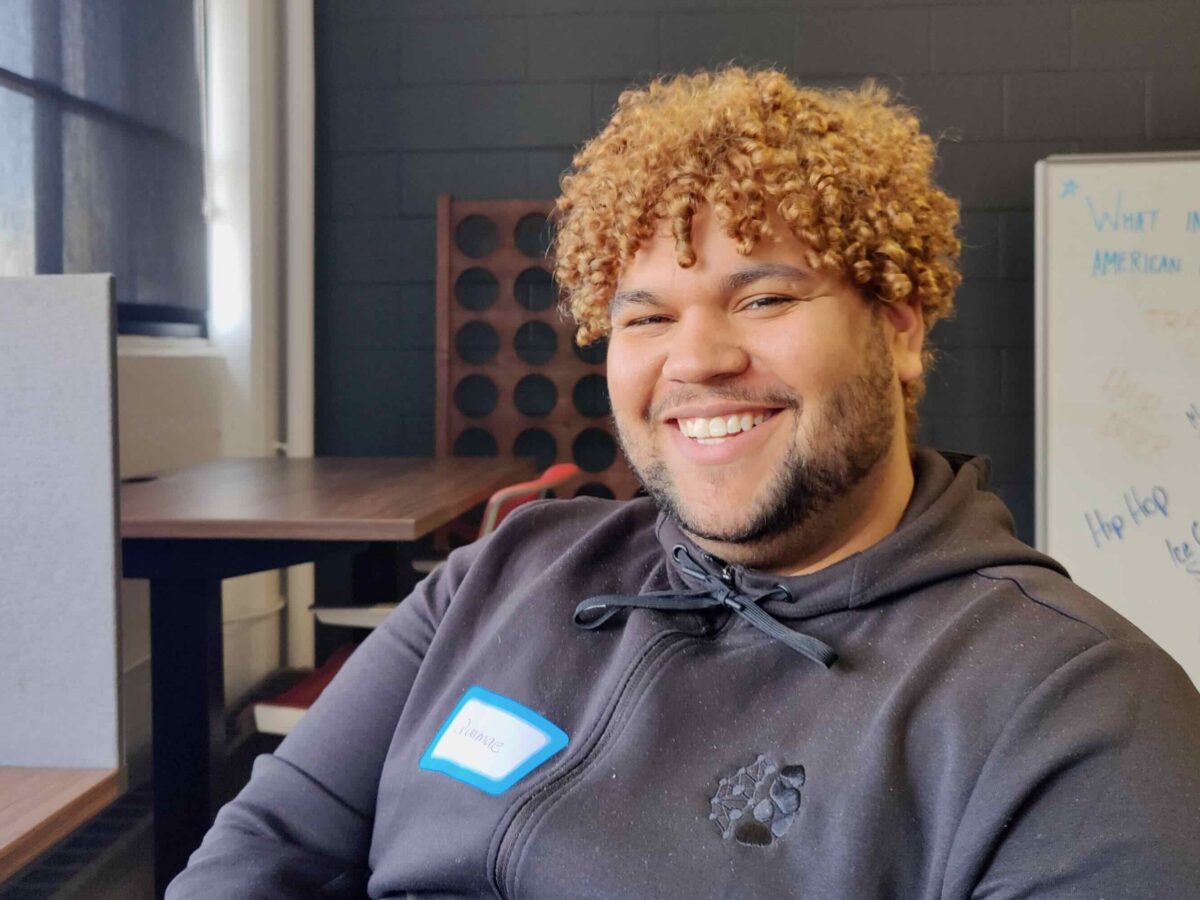
Shaquille Quamae Hall’s vision for Detroit youth: ‘Many hands make light work’
Detroit photographer and Planet Detroit Neighborhood Reporting Lab participant Shaquille Quamae Hall details his journey from mentee to mentor.

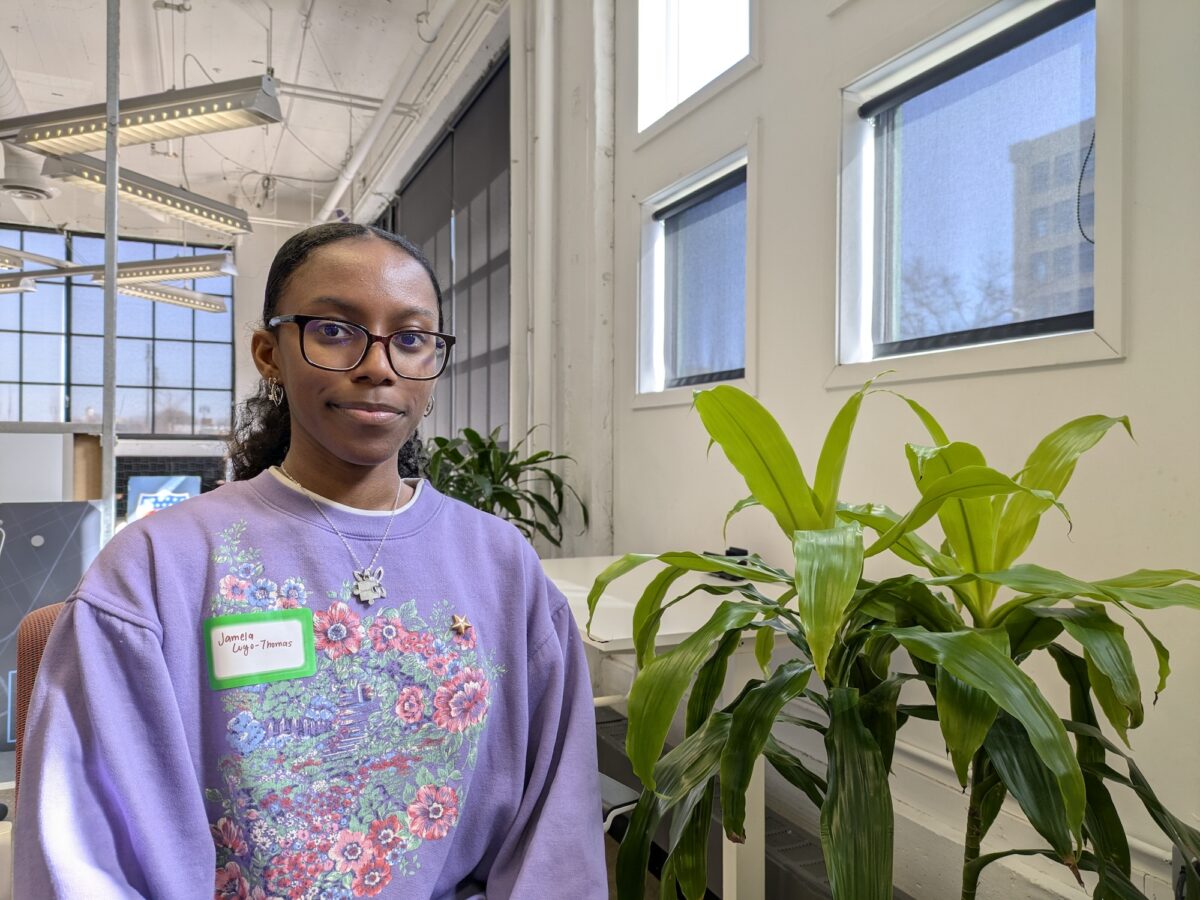
Highland Park resident and filmmaker Jamela Lugo-Thomas inspired by city’s water crisis
The College of Creative Studies grad combines lived experience with film to shine a light on issues of clean water access as part of Planet Detroit’s Neighborhood Reporting Lab.

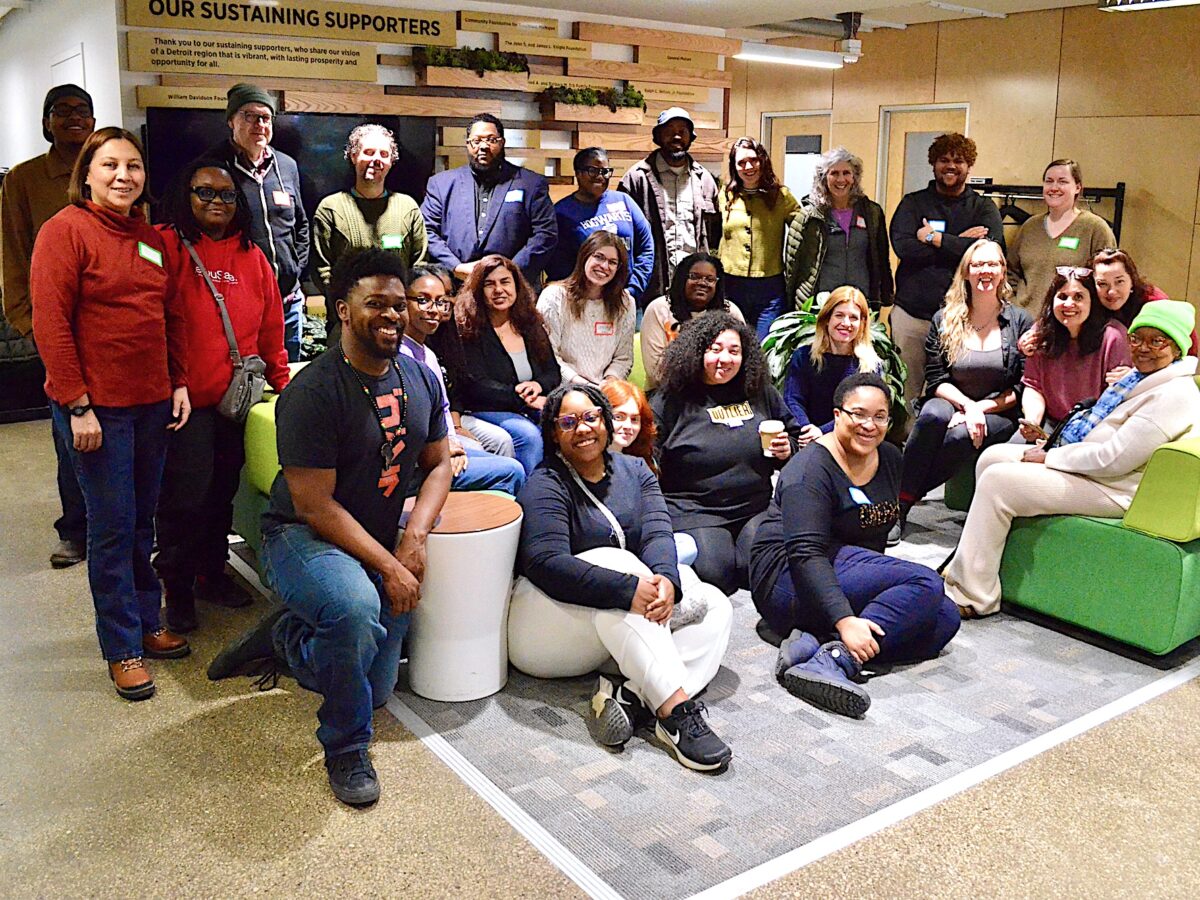
Detroit residents become reporters in Planet Detroit’s 2026 journalism program
Nineteen Detroit-area residents kicked off Planet Detroit’s third annual Neighborhood Reporting Lab, a six-week program that trains community members to tell environmental stories about their neighborhoods.