

Overview:
- Michigan lacks authority to consider cumulative impacts from multiple pollution sources when reviewing permits, unlike eight other states.
- In Southwest Detroit, 45 air pollution sources exist within 3 miles of Kemeny Recreation Center, and four facilities have high priority violations.
- Cumulative impact bills introduced by Detroit-area legislators in 2025 would require state regulators to analyze combined pollution effects before approving permits.
This story is part of a series by Planet Detroit on the environmental and health issues at stake in the 2026 midterm election.
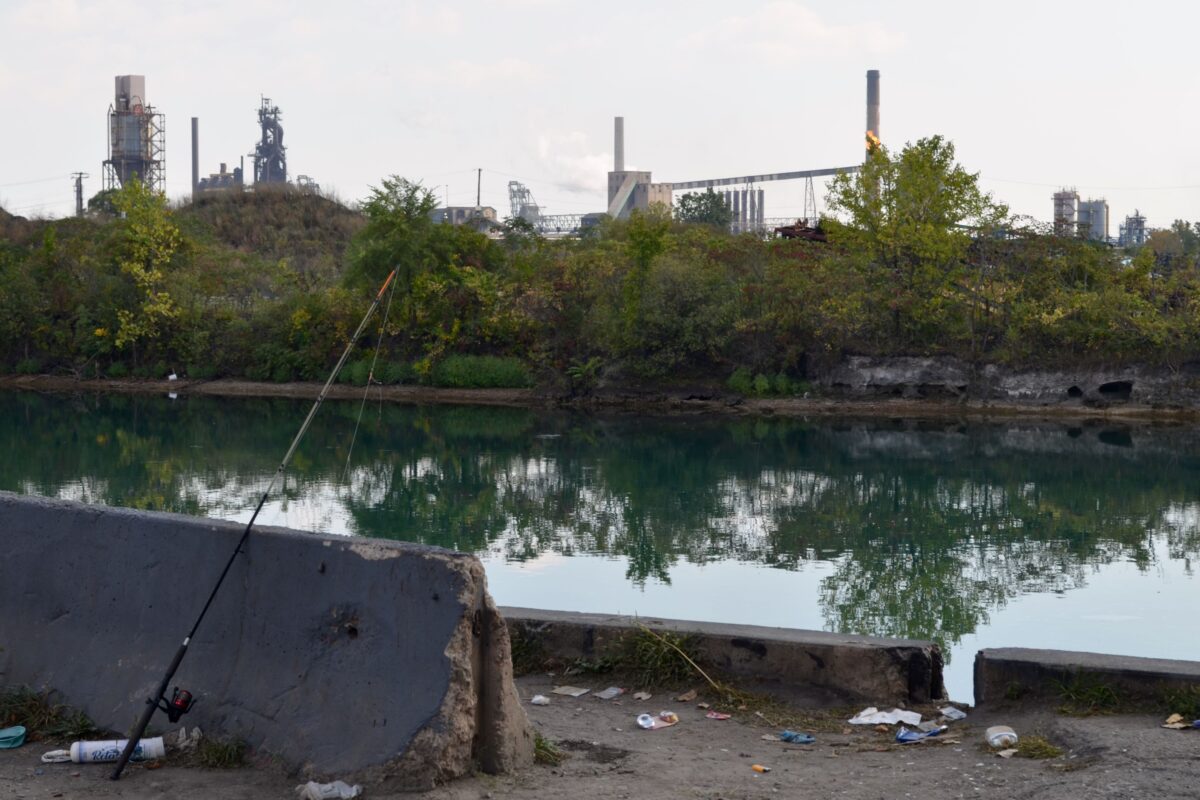
Michigan environmental advocates have pushed for years for legislation to address the problem of cumulative impacts in overburdened communities like Southwest Detroit that are affected by pollution from multiple major polluters as well as smaller operations and mobile emissions sources.
🗳️ Civic Action Toolbox
Why it matters
Michiganders experience experience pollution from multiple sources, but state regulators are limited in their ability to consider cumulative impacts when issuing permits.
Who's making public decisions
Upcoming Meetings
Civic Actions: What You Can Do
Organizations to Follow
What to watch for next
Are you taking action? Let us know.
Civic resources compiled by Planet Detroit
The Environmental Protection Agency defines cumulative impacts as “the totality of exposures to combinations of chemical and nonchemical stressors and their effects on health, well-being, and quality of life outcomes.”
For example, in the area around the Kemeny Recreation Center in Southwest Detroit, 45 air pollution sources exist within 3 miles, according to Planet Detroit’s air quality tracker.
Four facilities have high priority air quality violations in this area, two have recent violations, and 39 facilities are in compliance, according to the EPA database tracking enforcement and compliance actions for facilities regulated under the Clean Air Act.
Detroit has received an F for air quality in the American Lung Association’s annual State of the Air report for several years.
Air pollution sources like Marathon Petroleum continue to apply for permits in Southwest Detroit.
State Rep. Donavan McKinney (D-Detroit) said at a 2025 press conference that state regulators look at pollution sources in isolation when granting air quality permits.
“But that’s not how it works in the real world,” he said. “As we all know, we do not breathe one source of pollution at a time, and we experience the health harms of all the combined pollution we breathe.”
Michigan Department of Environment, Great Lakes, and Energy (EGLE) spokesperson Josef Stephens previously told Planet Detroit the agency doesn’t have the statutory authority to to consider a cumulative impact analysis that would look at “all the ways a person may be exposed to pollutants.”
To obtain a state pollution permit, a facility must model toxic air emissions and show these meet the National Ambient Air Quality Standards, a process that allows the agency to look at the aggregate impact of certain pollutants, Stephens said.
Cumulative impact legislation remains out of reach in Michigan
Former state Rep. Abraham Aiyash (D-Hamtramck) introduced the Protecting Overburdened Communities Act (HB 5901) in 2024 to prevent companies from obtaining new permits or facility expansions in environmentally overburdened communities. This bill did not pass out of committee.
State Rep. Donavan McKinney (D-Detroit) and state Sen. Stephanie Chang (D-Detroit) reintroduced versions of this legislation (SB 479 and HB 4742) in 2025. The bills would require EGLE to consider cumulative impacts from multiple pollution sources, including industrial facilities and truck traffic, when reviewing permit applications. Neither bill has had a hearing.
At the federal level, U.S. Rep. Rashida Tlaib (D-Detroit) reintroduced cumulative impact legislation in 2023 that would require the EPA to analyze cumulative impact in permitting under the Clean Air and Clean Water Act.
Under the law, the agency would be required to deny permits unless the applicant could demonstrate a reasonable certainty of no harm to the community or vulnerable populations. This legislation did not pass out of committee.
Eight states have cumulative impact legislation in place — California, Connecticut, Georgia, Maryland, Minnesota, New Jersey, New York, and North Carolina — according to the Environmental Defense Fund.
Michiganders should support cumulative impact legislation, even if they feel relatively safe, because laws like New Jersey’s provide transparency and cumulative impact assessments that shed light on pollution risks, Nick Schroeck, dean at the University of Detroit Mercy School of Law, previously told Planet Detroit.
“I don’t think any of us are really safe,” Schroeck said. “To the extent that we can provide more data and more transparency, I think that will help the public at large to understand the benefits and also the costs of the way that we have been doing business.”
MORE MIDTERMS 2026 NEWS

Why data centers are key issue in Michigan’s Democratic Senate primary
Candidates in the closely watched Senate race need to offer specific plans for addressing data centers, environmental advocates say.

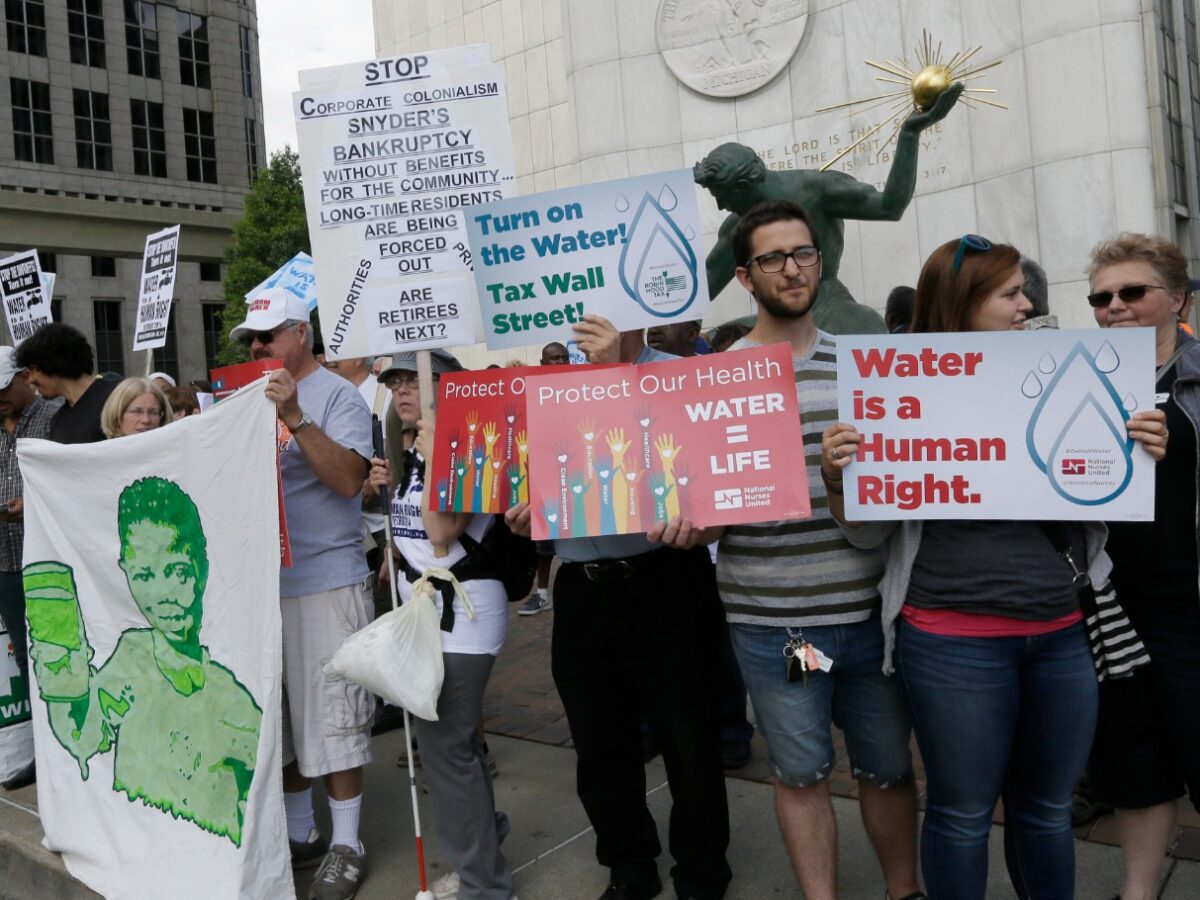
Guide: Michigan’s water affordability issue by the numbers
Between 6.59% and 10.75% of Michigan households are water-burdened, spending more than 5% of their income on water service, according to a University of Michigan study.
Guide: Why taxpayers foot the bill for Michigan’s contaminated sites
Michigan is home to 18,812 contaminated sites, with most nowhere near cleanup. The state relies on taxpayers instead of polluting companies to fund remediation after repealing polluter pay laws in 1995.