

Overview:
- Three proposed caps over I-75 between Third Avenue and Brush Street would create public spaces reconnecting downtown with Brush Park and Lower Cass.
- The $300-million project aims to repair damage from urban freeway construction that displaced Paradise Valley, a historic Black business and cultural center.
- A federally funded feasibility study is underway, with a final in-person community input meeting scheduled for July 30 at MSU Detroit Center.
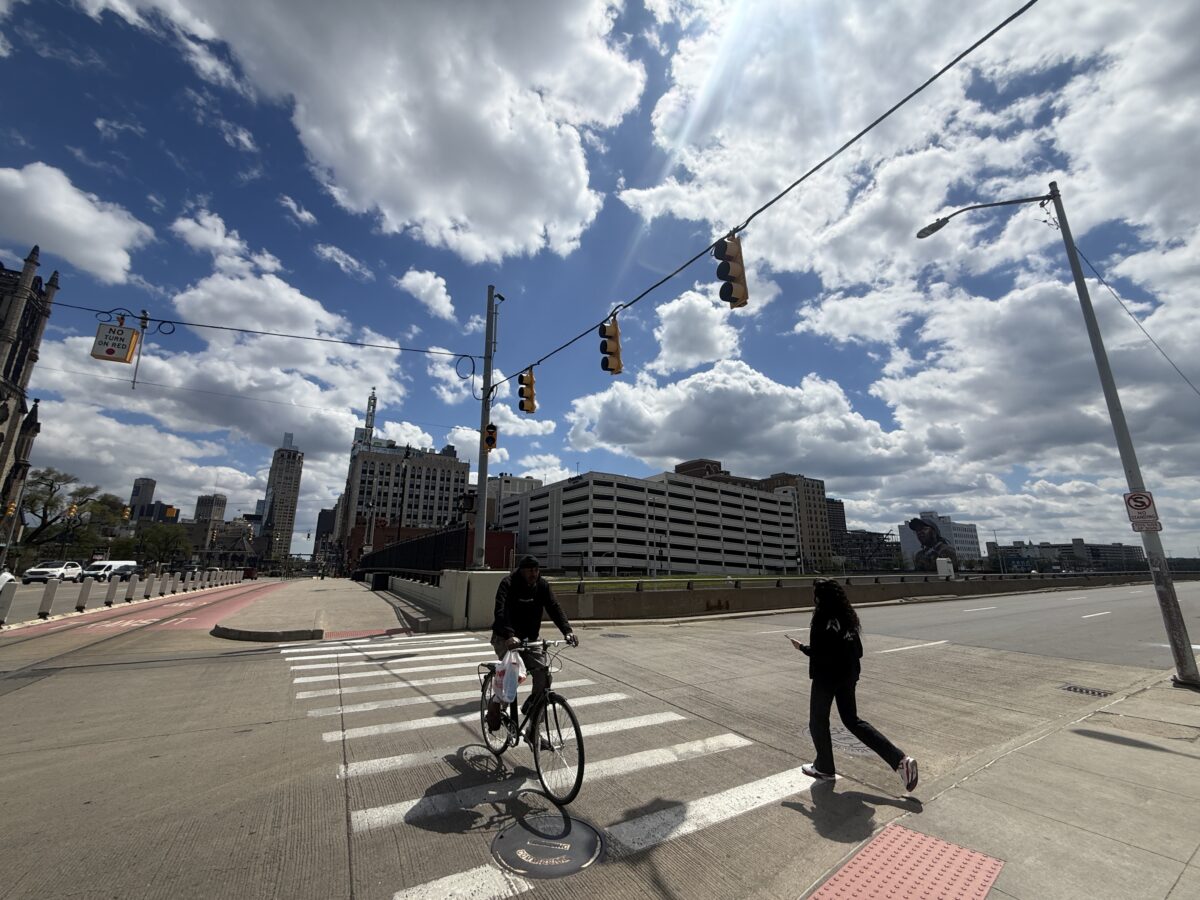
Crossing I-75 downtown means navigating noise, traffic, and concrete. The Downtown Detroit Partnership aims to change an unpleasant experience into a destination, with a series of freeway park caps designed to reconnect the neighborhoods severed by I-75.
🗳️ Civic Action Toolbox
Why it matters
The freeway caps envisioned by the Downtown Detroit Partnership would reduce traffic noise and air pollution exposure for residents living near I-75, while creating new public spaces in neighborhoods that were divided when the highway was built through the historic Black business district of Paradise Valley.
Who's making public decisions
Upcoming Meetings
Civic Actions: What You Can Do
Organizations to Follow
What to watch for next
The feasibility study is expected to conclude this summer, with a final in-person community meeting scheduled for 6-7:30 p.m. July 30 at the MSU Detroit Center.
Residents can also send comments or questions to roadahead@downtowndetroit.org, an email address that project staff say is monitored daily.
Are you taking action? Let us know.
Civic resources compiled by Planet Detroit
DDP is exploring three caps over I-75 between Third Avenue and Brush Street, creating public spaces to connect downtown with Brush Park and Lower Cass.
The idea has circulated for years, but momentum for the project is building as Detroit continues to rethink its car infrastructure with ongoing projects like I-375 removal or the Monroe Streetscape Project.
“The larger goal is to connect the communities that have been separated by our downtown freeway system,” said James Fidler, an urban evolution strategist with the Downtown Detroit Partnership and founder of the design firm City Form Detroit.
Each cap would serve a different purpose. The eastern cap would focus on neighborhood services and connections to Brush Park. The central cap is envisioned as a gathering and entertainment space and the western cap would cater more to students and young adults, including those connected to Cass Technical High School and the future University of Michigan Innovation Center.
The vision comes with a substantial price tag that is not fully covered. Preliminary estimates place the project cost at roughly $300 million, or about $100 million for each cap.
A feasibility study, expected to conclude this summer, is supported by a $2-million U.S. Department of Transportation Neighborhood Access and Equity grant.
Cities seek to repair damage from urban freeways
Across the United States, highway infrastructure meant to connect faraway places has disconnected urban localities. Frequently routed through Black neighborhoods, the construction of highways displaced residents and businesses while creating lasting barriers between communities.
For I-75 in Detroit, that history includes Paradise Valley, once a thriving center of Black business, culture, and entertainment.
Portions of the proposed caps are located where Paradise Valley once stood, and planners are looking for ways to incorporate that history into the new public spaces.
The project is in line with broader national movements to repair damage caused by urban freeway construction, Fidler said.
It’s no coincidence that many of the communities divided by highways are communities of color, he said.
“What are the things that we can do to be able to bring that history to life within these public spaces?”
The Downtown Detroit Partnership has collected stories from longtime Detroit residents as part of the planning process. Those stories, coming from former Paradise Valley residents and Cass Tech alum, among others, could help shape public art, historical interpretation, and cultural programming on the caps, Fidler said.
“That’s the stuff that really gets me most excited about this project,” he said. “It’s an incredible opportunity to bring that history to life.”
The caps would also address some of the environmental impacts of living near a major freeway. Residents along I-75 deal with constant traffic noise and air pollution, leading some community members to advocate for the removal of the I-75 downtown section altogether.
Though Fidler acknowledged that no single project can solve every concern, he hopes the proposed project can serve as a point of balance.
“It’s incredibly challenging for the residents that live around it having to live with all that sound and air pollution,” he said. “Not everyone is going to get everything they want out of this project, but being able to at least talk about it more broadly — preserving the transportation network while also mitigating and recognizing all of the harms that this is doing within the community.”
Opportunities for input on Detroit highway caps
Another $5 million in state, local, and private funding has been committed for engineering and planning work on the I-75 caps.
Whether the caps ultimately come to fruition depends on securing additional funding from a mix of federal, state, local, and private sources. If funding is secured, the project has set a five-year completion timeline. Planners do not anticipate a complete closure of I-75 being required for the construction.
For now, Fidler emphasizes the importance of community input before the feasibility study is finalized.
“If we can come out of this with a community centered vision for it, then that only improves our chances of being able to complete the project.”
Detroiters can learn more and share feedback at the final in-person feasibility study community meeting 6-7:30 p.m. Thursday, July 30 at the MSU Detroit Center, 3408 Woodward Ave.
Residents can also send comments or questions to roadahead@downtowndetroit.org, an email address that project staff say is monitored daily.
Editor’s note: This story has been updated to correct the spelling of James Fidler’s name. Fidler is an urban evolution strategist with the Downtown Detroit Partnership and founder of the design firm City Form Detroit.
MORE OUTDOORS COVERAGE
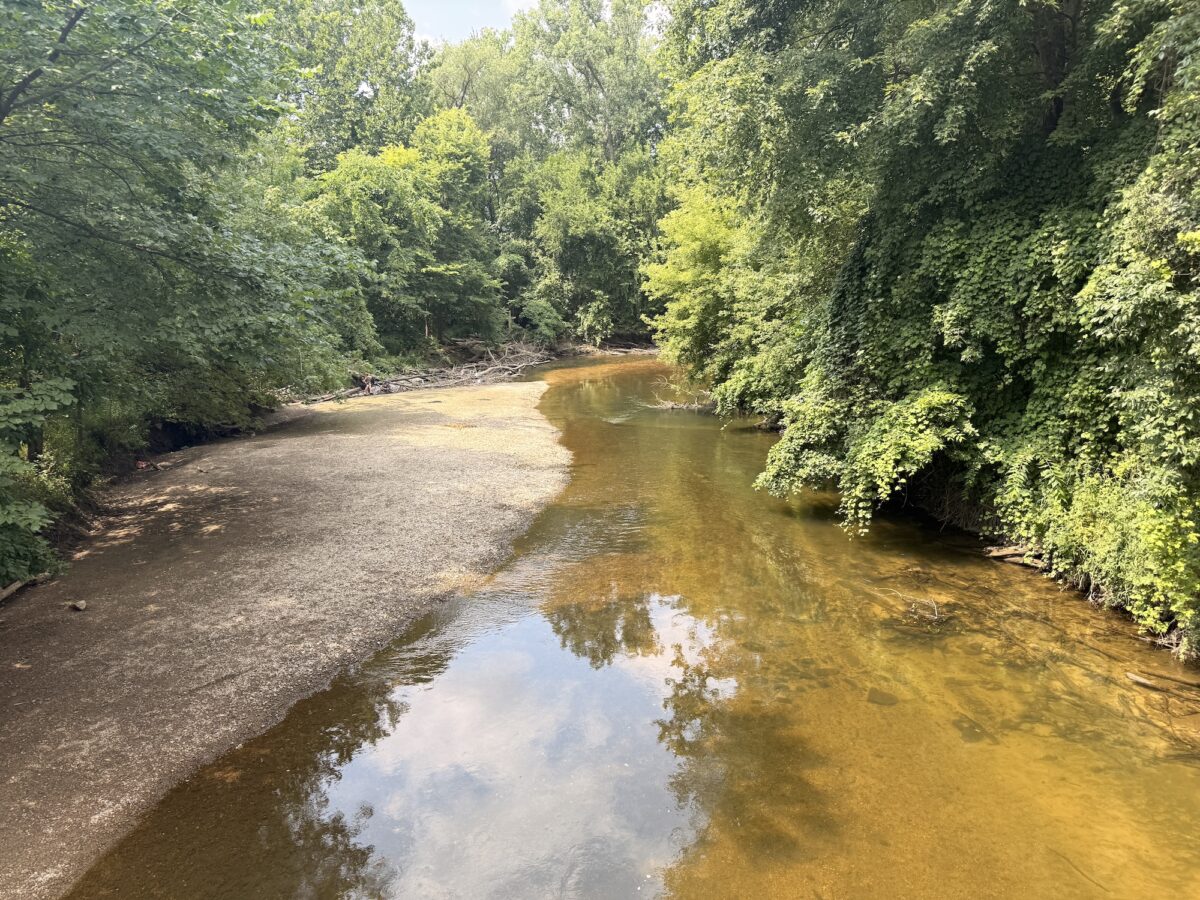
The Clinton River is a state-designated water trail. Here’s what you need to know.
The Clinton River Water Trail stretches 72 paddleable miles from Waterford to Lake St. Clair with 23 public access points. A new plan brings kayak racks, accessible launches, and interactive maps to Michigan’s most populated watershed.

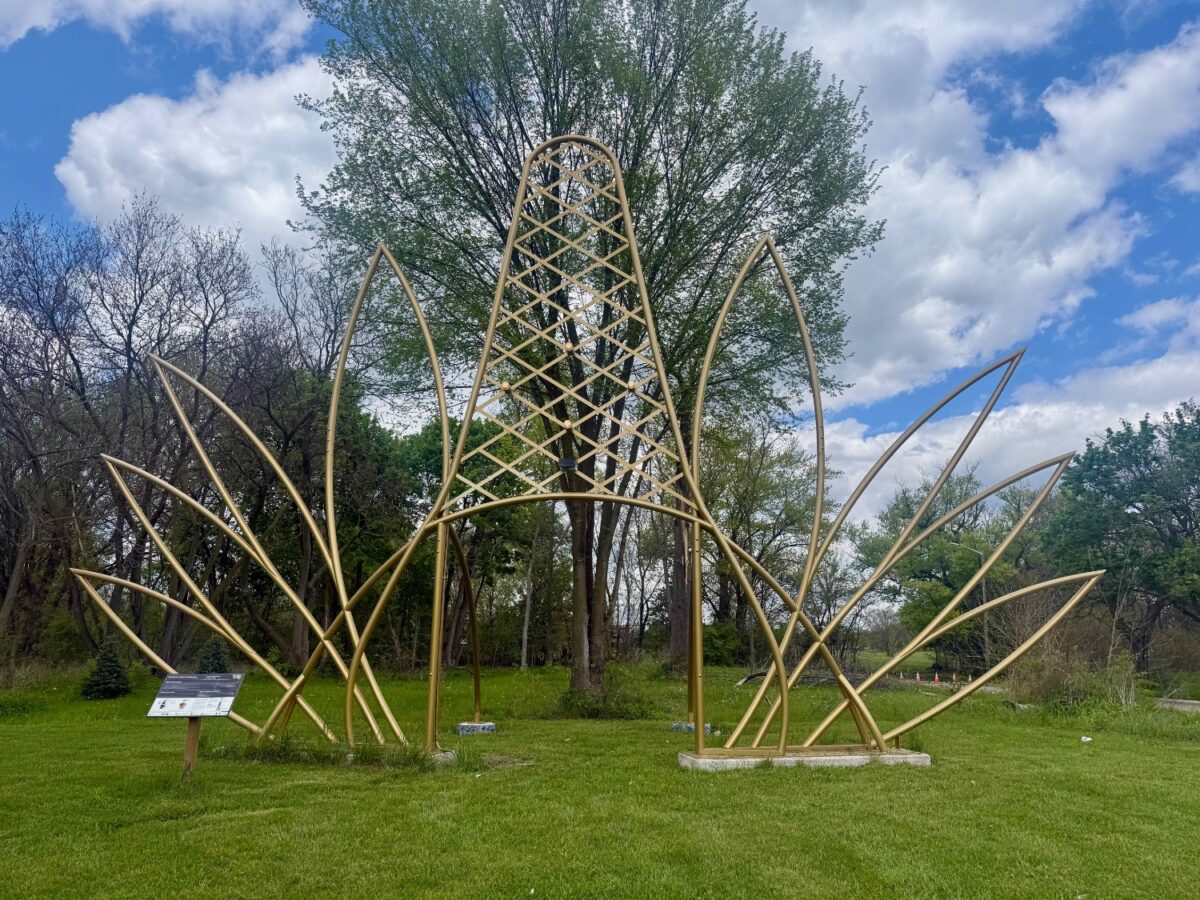
How Detroit’s East Canfield Art Park merges public art, health data
Sculpture at East Canfield Art Park on Detroit’s east side embeds air quality monitors in public art, providing real-time environmental data for a community living near industrial facilities.

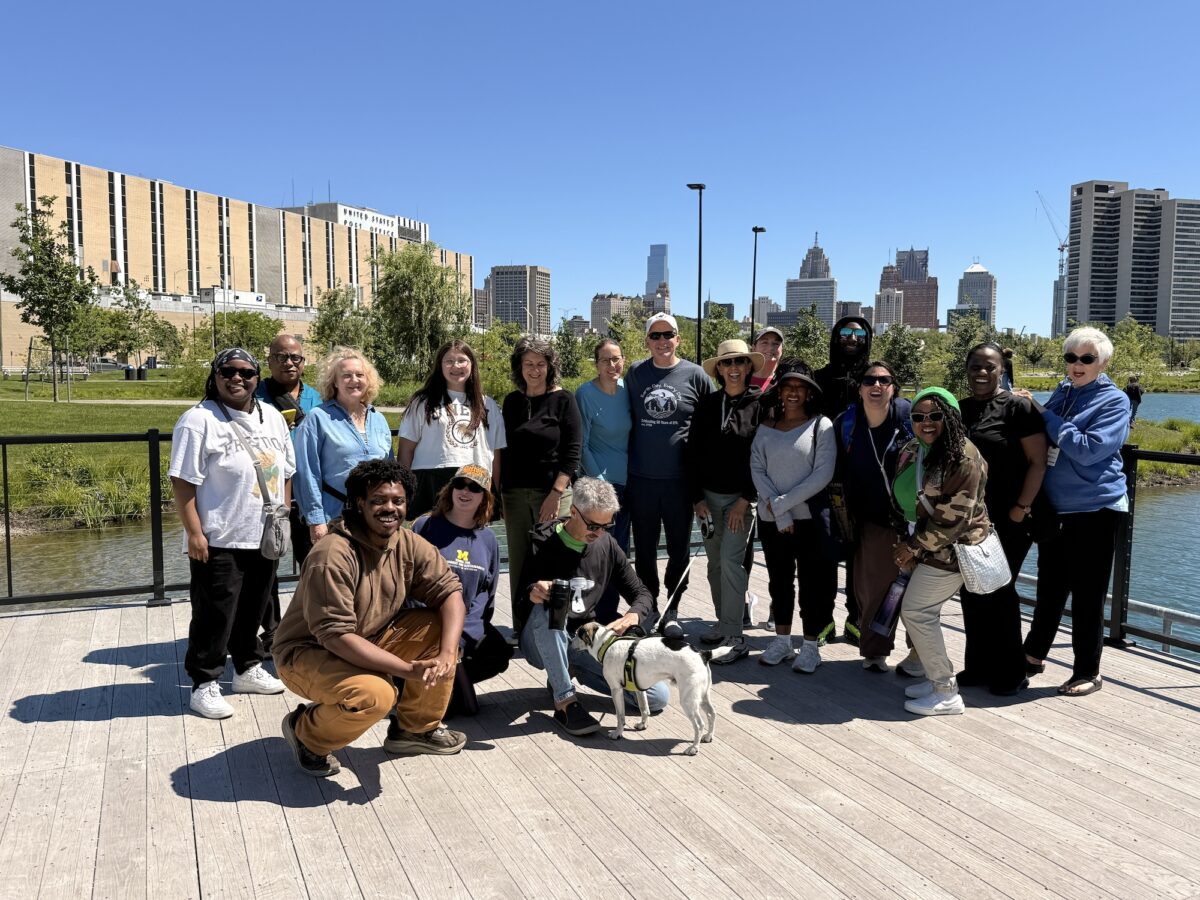
5 takeaways from Planet Detroit’s community walk at Ralph C. Wilson Park
Planet Detroit walked Ralph C. Wilson Park with the Detroit Riverfront Conservancy. Here’s what we learned about its design, ecological restoration, and role in Detroit’s public space landscape.