

Overview:
-As Detroit's air is impacted by wildfire smoke more often, Planet Detroit breaks down guidance on how to cope.
-Wildfire smoke poses a significant health risk to vulnerable populations.
-One tip from the CDC: choose a room you can close off from outside air.
Wildfire smoke poses a health risk to everyone, but certain individuals are more susceptible to illness.
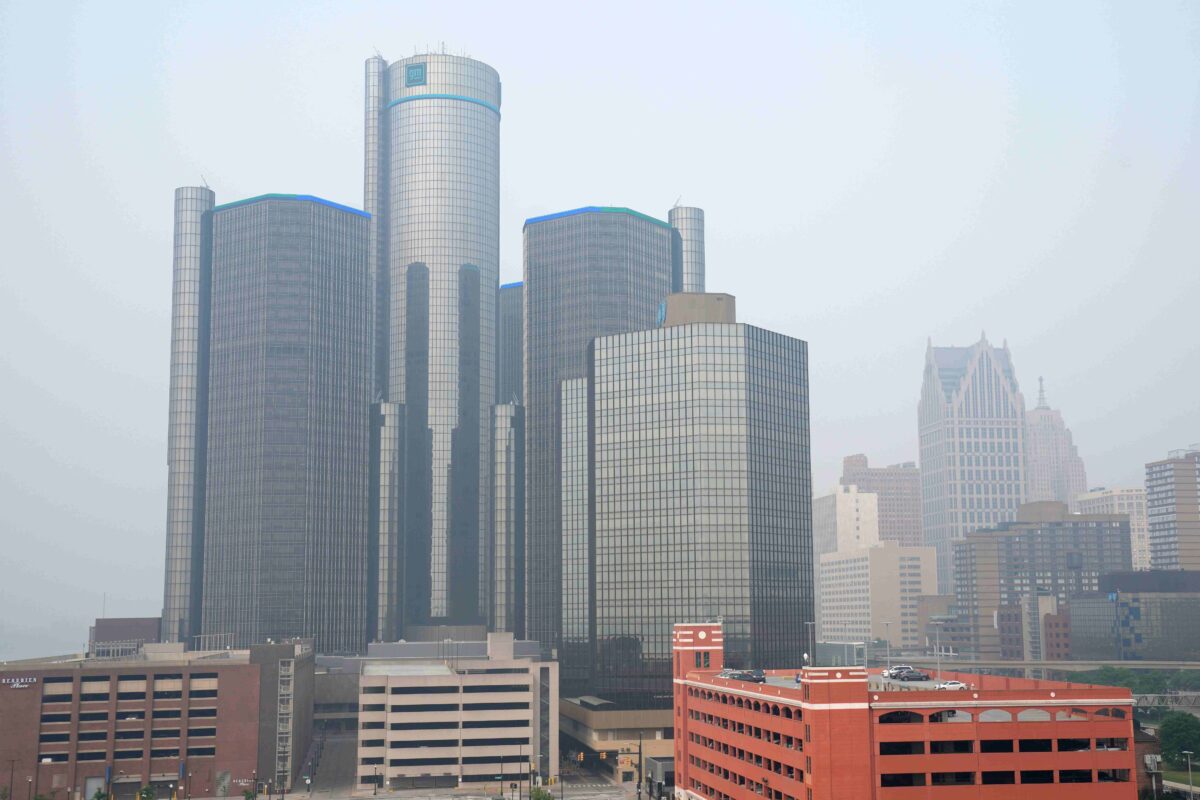
Detroit is experiencing the highest air quality index values in its recorded history in July 2026 due to smoke from wildfires in Canada and Minnesota. That’s according to the Michigan Department of Environment, Great Lakes, and Energy, and Environmental Protection Agency data.
Wildfires in Canada caused severe air quality issues in Detroit in 2023, impacting residents with preexisting health conditions and vulnerable populations – and may have killed more than 100 people in Michigan alone.
Who’s most affected by wildfire smoke?
- People with chronic conditions like asthma, chronic obstructive pulmonary disease (COPD), diabetes, chronic kidney disease, or heart disease, according to the Centers for Disease Control and Prevention.
- Those who are pregnant.
- Children.
- Wildfire first responders.
Wildfire smoke health impacts
- Coughing, trouble breathing, wheezing.
- Asthma attacks.
- Stinging eyes, scratchy throat, runny nose.
- Headaches.
- Tiredness.
- Chest pain, fast heartbeat.
What to do when the air is smoky
- Choose a room you can close off from outside air, according to guidance from the CDC.
- Set up a portable air cleaner or a filter to keep the air in this room cleaner, even when it’s smoky outdoors or elsewhere in your home.
- You can make an affordable air filter using a furnace filter, a box fan, and a duct table. See more here.
- Avoid burning anything indoors, including candles, gas, propane, incense, wood, or cigarettes.
- If you have a central air conditioning system, use high-efficiency filters (MERV 13 or higher if your system can use it) to help clean the air. If your system has a fresh air intake, set the system to recirculate mode or close the outdoor intake damper.
- If you have to go outside, wear a respirator. Reduce your exposure to smoke by wearing a NIOSH-approved respirator. A respirator is a face covering that fits tightly to your face to filter out smoke before you breathe it in.
- Keep track of fires near you. Listen to the Emergency Alert System and National Oceanic and Atmospheric Administration Weather Radio for emergency alerts.
- Monitor fires in your area using mapping tools, like AirNow’s Fire and Smoke Map and NOAA’s fire weather outlook.
MORE AIR QUALITY COVERAGE
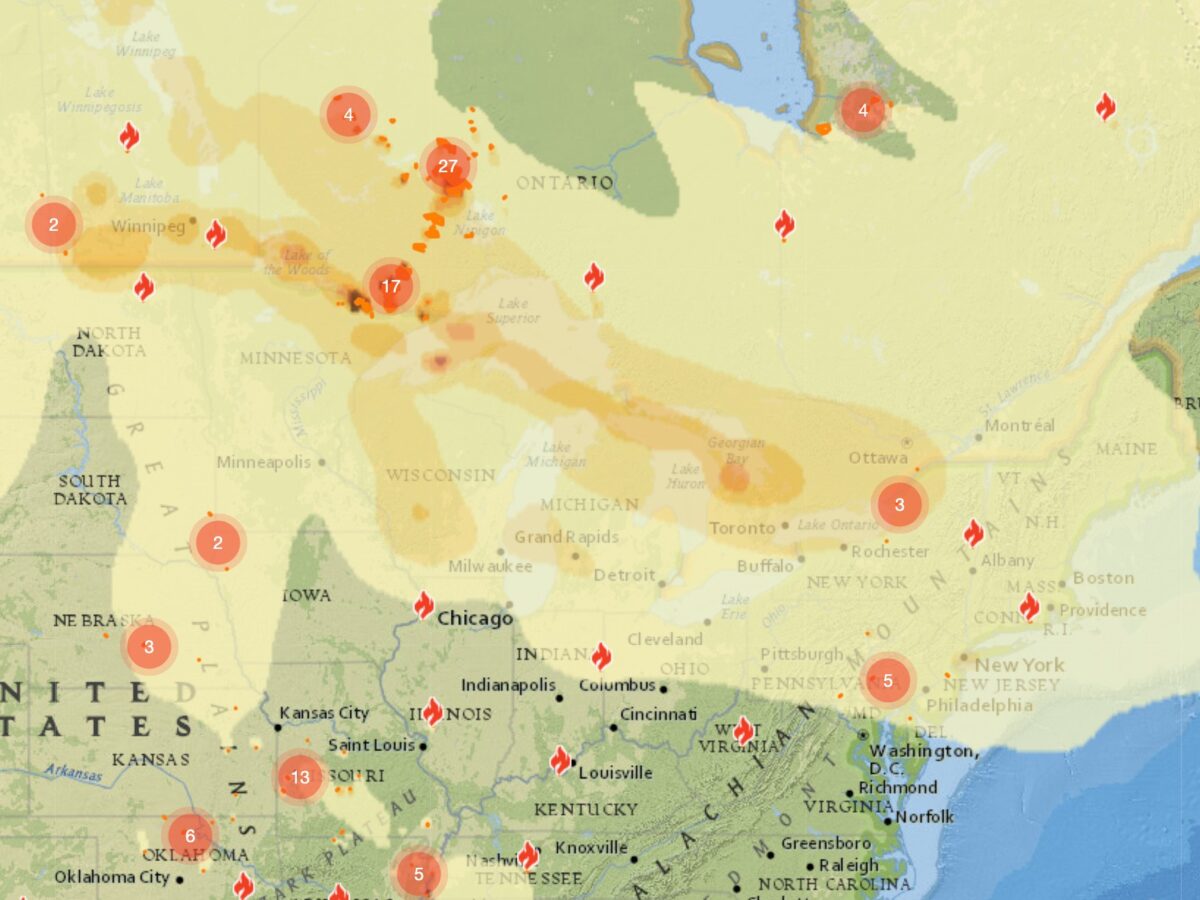
Detroit faces toxic smoke from Ontario wildfires on top of heat
Canadian wildfire smoke is likely to reach Metro Detroit late Wednesday, compounding health risks for vulnerable residents.

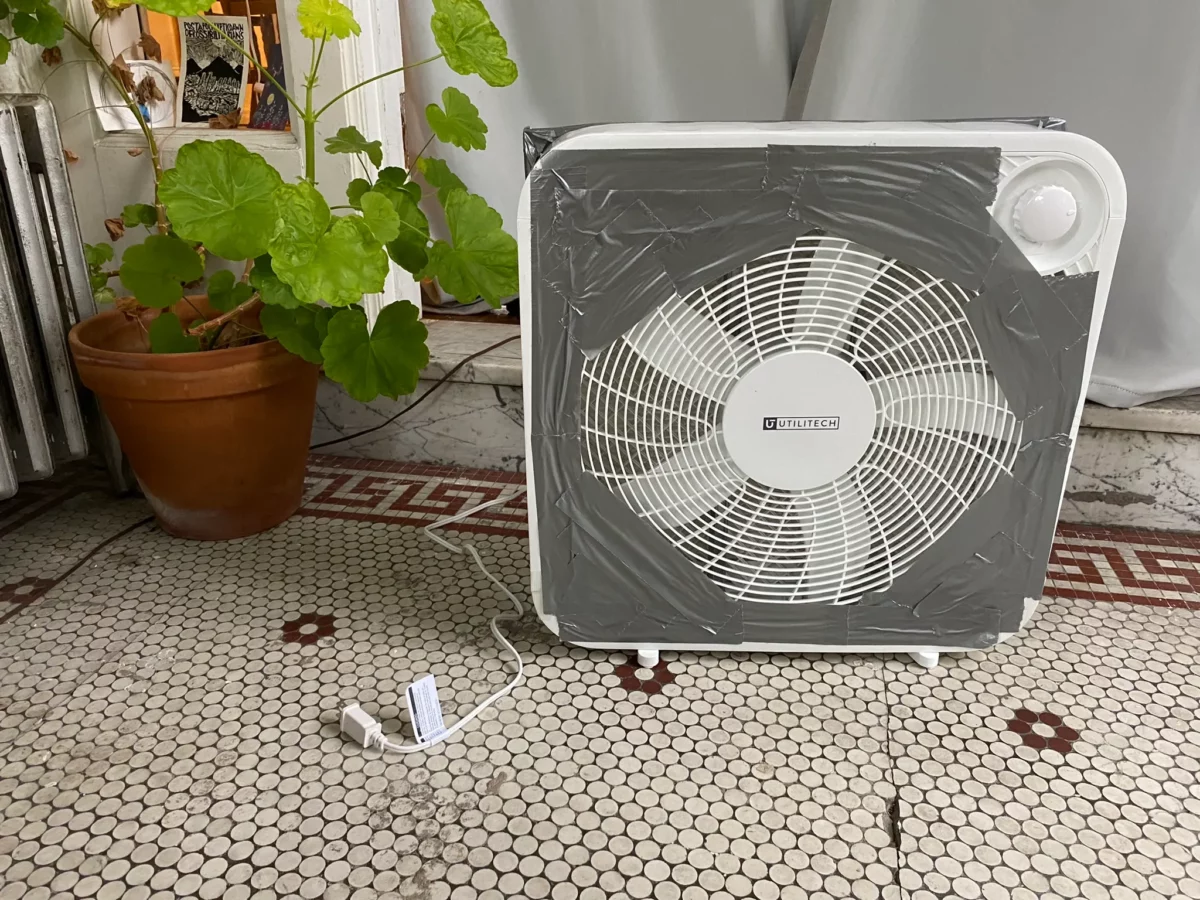
Wildfire smoke is back in Detroit. A cheap, DIY air purifier can help
As Canadian wildfire smoke returns to Detroit, a simple $40 DIY air purifier made from a box fan and furnace filter can help protect your lungs. Here’s how to build one.