


Overview:
- Twin sisters Alexka and Angely Jerez-Medina, 18-year-old asylum seekers from Venezuela, were detained by ICE in June while traveling to a warehouse cleaning job in Buffalo.
- Western International High School teacher says immigration enforcement creates fear and stress among students.
- "It doesn't matter that you're 17 or haven't graduated high school," says teacher Kristen Schoettle said. "Driving down the street or going to a job puts you at risk."
by Valery Ortiz Sanchez
On June 24, twin sisters and rising seniors at Western International High School, Alexka and Angely Jerez-Medina, were detained by U.S. Immigration and Customs Enforcement, or ICE, in Buffalo, New York, while traveling to a summer job, separating them from their family and community.
The twins are asylum seekers from Venezuela. After spending more than a month in ICE detention, including being separated in different states, the 18-year-old sisters returned home to Detroit, according to Kristen Schoettle, a teacher at the sisters’ high school.
The sisters traveled to New York as contractors cleaning an Amazon warehouse in or around Buffalo, according to documents their attorney filed in federal court in New York’s Western District and reported by the Detroit Free Press.
They were detained along with five other Michigan teens working the same job, some of them classmates. All five of the others were 17. Four have been released. One remained in the custody of the Office of Refugee Resettlement in New York, with attorneys working to return her to her family.
Amazon works with third-party contracting companies for janitorial services and said it had no information about the arrests, a company spokesperson told the Detroit Free Press.
The federal petition filed on the twins’ behalf states they have never been arrested or convicted of any crime, and attended all of their immigration court appearances and appointments.
It also states they were previously in removal proceedings that an immigration judge dismissed, and no removal proceedings were pending against them at the time of their detention.
The sisters’ attorney dismissed the petition without prejudice July 27.
ICE did not respond to an emailed request for comment on the case.
ICE enforcement impacts Detroit students
The sisters’ detention is another immigration case that’s shaken Southwest Detroit, where many immigrant families face uncertainty despite contributing to the city’s workforce, schools, and neighborhoods.
Community members say the case reflects a growing pattern of immigration enforcement that is affecting students, families, and educators in the city.
The predominantly Hispanic community has long been shaped by immigrant families who own small businesses, work in manufacturing, construction, restaurants, and health care, and help define the neighborhood’s culture. Yet many families also live with the constant fear that a routine drive to work or school could end with a loved one being detained.
For many residents of Southwest Detroit, immigration is not simply a political issue; it is a daily reality.
Last year, Western International High School student Maykol Bogoya-Duarte was detained by ICE and deported to Colombia before he could graduate. His deportation sparked protests and renewed concerns that immigrant students are losing educational opportunities because of immigration enforcement.
The cases of Bogoya-Duarte and the twins illustrate how enforcement actions are disrupting the lives of young people who had been planning for college, careers, and their futures.
Schoettle, a Western International High School English as a Second Language teacher, described the sisters as “hardworking” students who quietly led by example in the classroom.
“They’re excellent students,” Schoettle said. “They’re motivated to participate, ask questions when they need help, and they’re really good examples for other students.”
Outside of class, the twins were actively involved in school life.
“One participated in Junior Reserve Officers’ Training Corps and hoped to join the Marines after graduation, while the other planned to study environmental science in college,” Schoettle said. Their goals reflect the aspirations shared by many students growing up in Southwest Detroit.
The emotional impact of immigration policies extends far beyond the two sisters, Schoettle said.
The teacher counts 12 Western students who have been detained, she said.
“For my students, it’s another one of their classmates,” she said. They’re scared, wondering, “Who’s next? I’m next,’” she added.
Many students already know someone who has been detained, whether a parent, grandparent, sibling, or neighbor, Schoettle said. As a result, each new detention reinforces fear throughout the school community.
“It doesn’t matter that you’re 17 or haven’t graduated high school,” Schoettle said. “Driving down the street or going to a job puts you at risk.”
‘Their parents didn’t know where they were’
Community organizers argue these fears affect far more than individual families.
Lindsey Matson, an organizer with 482Forward and MIStudentsDream, said immigration justice and education justice cannot be separated.
“We can’t have education justice without immigration justice,” Matson said. “If we claim to care about schools, equitable access and quality education, then we have to care about whether immigrant students and families are able to receive those services.”
One of the greatest challenges has been simply determining where detained students are located after they enter ICE custody, Matson said.
“They were moved from New York to Texas to Louisiana and back again,” she said of the twins. “Their parents didn’t know where they were. Their lawyers didn’t know where they were.”
The uncertainty and unknown locations have made it more difficult for families to communicate with loved ones and for attorneys to build legal cases.
The impact reaches students’ mental health. Immigration enforcement and family separation can contribute to chronic stress, anxiety, depression, and difficulties concentrating among children and youth, according to the American Psychological Association.
Students who fear losing a parent or being detained themselves often struggle to focus on academics while living with constant uncertainty.
Schoettle said she believes schools must respond more directly to those challenges.
“If a student’s scared all the time, if they think their parents aren’t going to be home when they get back from school, if they’re not going to be OK, schools need more legal services and more access to resources,” she said.
Matson agreed, adding that schools should create clear response plans if ICE appears on campus and provide families with food assistance, legal clinics and Know Your Rights training.
The effects of immigration enforcement also extend beyond immigrant households. Southwest Detroit’s businesses depend heavily on immigrant workers and customers. When families avoid going to work, shopping, or attending community events because of fear, the neighborhood’s economy is affected.
Community organizations have increasingly stepped in to distribute groceries, connect families with legal assistance, and organize support networks.
Although immigrants from many backgrounds are detained, Hispanic and Latino immigrants represent a significant share of people affected by U.S. immigration enforcement because they are among the largest immigrant populations in the country.
Research also shows they are disproportionately targeted through worksite enforcement and traffic stops. Community advocates argue this makes Hispanic neighborhoods like Southwest Detroit especially vulnerable.
Despite the challenges, residents continue organizing.
Demonstrations supporting detained immigrants have taken place outside ICE facilities in Buffalo, New York, while Detroit groups have organized rallies, legal clinics, and educational workshops. Volunteers continue raising money, providing groceries and connecting families with attorneys as cases move through the immigration system.
The twins’ story is a reminder that every detention represents a family whose future has been interrupted, Matson said.
“We’re getting desensitized,” she said. “Every one of the people who are detained and deported is the world to someone else.”
For students at Western International High School, the detention of the twins is not simply another headline. It is a reminder that classmates, friends, and neighbors continue to face uncertainty long after the school day ends.
As community members push for legal support, policy changes, and greater public awareness, many hope the stories of the twins, Bogoya-Duarte, and other Detroit students will encourage more people to recognize that immigration enforcement affects not only immigrant families but the strength, safety, and future of Southwest Detroit itself.

This piece is part of the Detroit Journalism Summer Camp, run by The Detroit Writing Room in partnership with Planet Detroit.

Valery Ortiz Sanchez is a rising senior at Cass Technical High School in Detroit who is passionate about leadership, community service, and advocacy. She is actively involved in several student organizations and aspires to become an immigration attorney dedicated to supporting immigrant communities and creating positive change through public service.
MORE FROM PLANET DETROIT
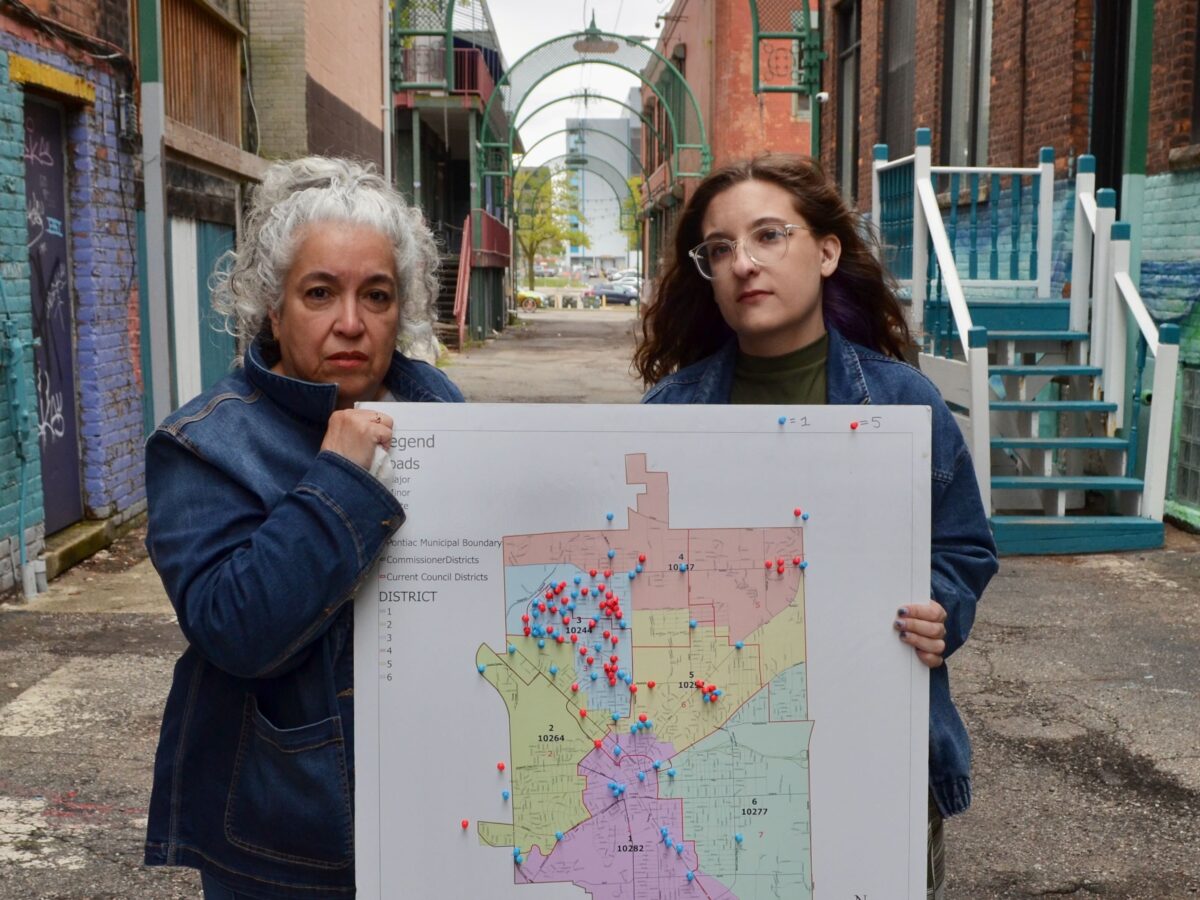
Pontiac’s Latino community grapples with surge in immigration arrests: ‘I don’t know how people can turn their backs’
More than 400 Pontiac residents have been arrested by immigration agents since 2025, according to local advocacy group CAFE. The arrests are affecting school attendance, church participation, and daily life in the city’s neighborhoods.

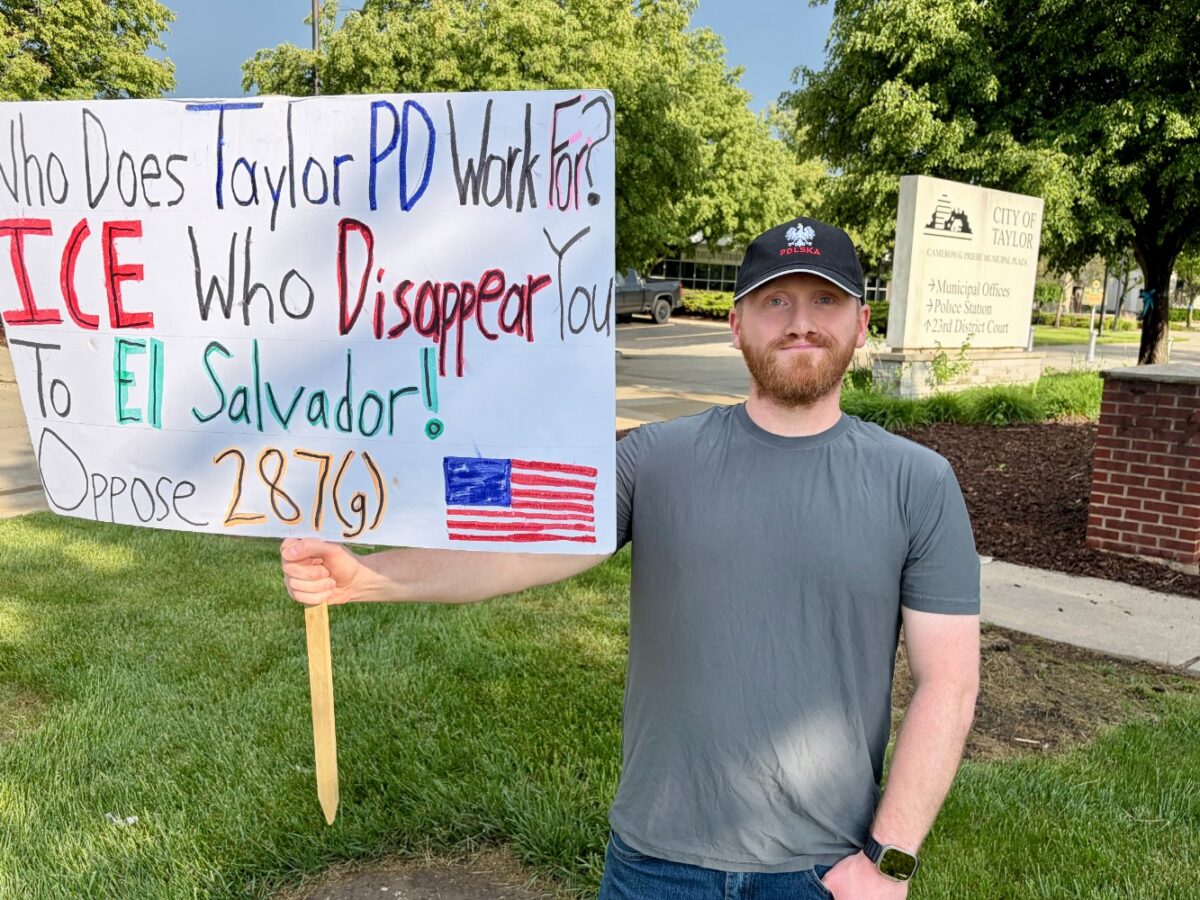
Taylor’s cooperation agreement with ICE: ‘Shameful’ or ‘nothing at all’?
Taylor is the only Metro Detroit community with an ICE cooperation agreement. Advocates say it threatens immigrants, while the police chief says critics have blown the partnership out of proportion.

Afghan asylum seeker detained 68 days in Michigan, released after legal fight
Immigration lawyers fight detentions through habeas corpus petitions as arrests more than quadruple in 2025.