


by Colin Jackson, Micah Walker, and Dustin Blitchok
In Michigan, the 2026 midterm election is about more than the races at the top of the ballot. From Detroit’s school board to utility bills and environmental protections, local and state races could shape everyday life across Michigan.
Colin Jackson of the Michigan Public Radio Network joins Micah Walker of BridgeDetroit and Dustin Blitchok of Planet Detroit for a roundtable on issues at the top of voters’ minds ahead of the Nov. 3 election.
You can watch the video below (or tap here).
Topics include:
- Detroit’s school board race, school closures, literacy funding, and chronic absenteeism
- Data center development and its connection to utility costs
- Water affordability, air pollution, and environmental regulation
- Utility campaign contributions and ballot proposals
- How state leadership could affect schools, public health, and local communities
Find reporting and voter resources:
MORE MIDTERMS COVERAGE
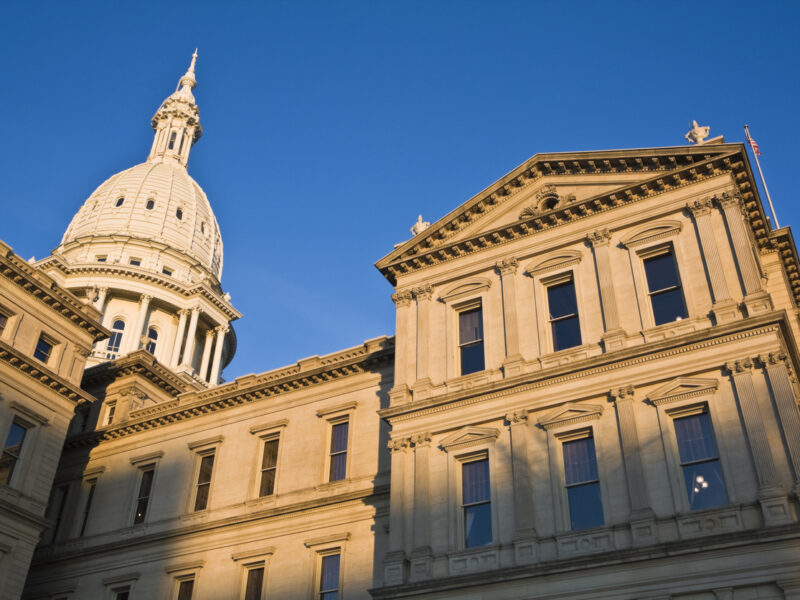
DTE, Consumers Energy sue to block voter-approved Proposal 2 before it takes effect
Two federal lawsuits argue Proposal 2, the voter-approved ban on utility campaign spending, violates the First Amendment. The measure is set to take effect Dec. 3 unless a court blocks it.

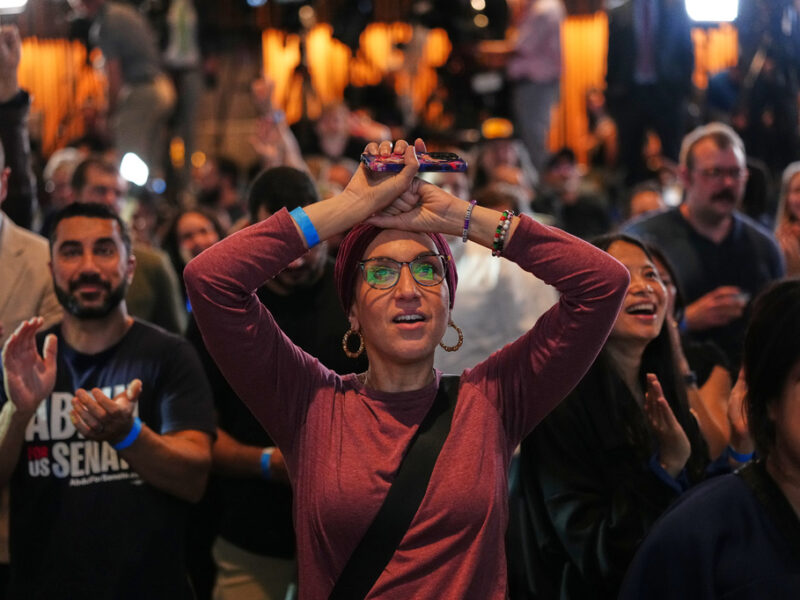
What Michigan election results mean for data centers, DTE, clean energy
Democrats won control of the governor’s office and both chambers of the Michigan Legislature, and voters passed a ban on political spending by utilities. Environmental advocates say the results could protect the state’s clean energy law and increase pressure on utilities and data centers.

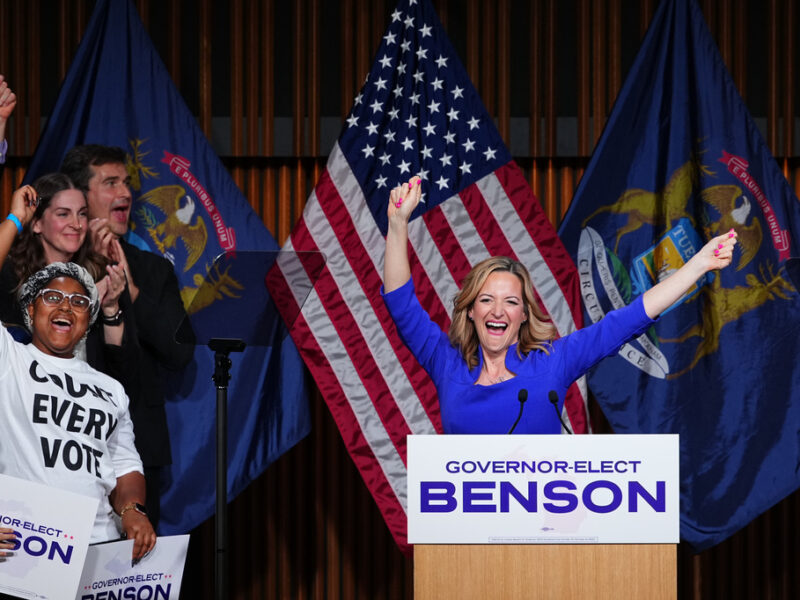
Jocelyn Benson wins Michigan governor’s race, defeating John James
Jocelyn Benson will become Michigan’s 50th governor after defeating Republican John James, with Democrats also poised to hold majorities in the Legislature. She takes office in January facing struggling schools, slow population growth and an economy that trails neighboring states.
