

Overview:
- In Detroit, low-income residents grapple with the high costs of car ownership and repairs, compounded by the nation's steepest auto insurance rates and a patchy public transit system.
- These barriers can impede access to healthcare and essential services, affecting their well-being and opportunities.
- The city's transit infrastructure, once robust, now struggles with service gaps, leaving many destinations out of reach. For those like Symone Wilkes, a single mother, the financial burden of private medical transport adds to the challenge, as affordability remains a critical concern for fixed-income households.
This story was produced as a project for the USC Annenberg Center for Health Journalism’s National Fellowship, with support from the National Fellowship Fund and the Dennis A. Hunt Fund for Health Journalism.
Symone Wilkes, a 34-year-old mother from Detroit’s west side, drove to therapy in her 2001 Pontiac Grand Prix, which had a broken steering pump.
The car would abruptly stop running, too. Wilkes tried using a $700 grant, which she earned after completing a financial literacy program, to pay for her car’s repairs.
Most mechanics, Wilkes said, refused to accept her grant as a form of payment because of paperwork requirements. Except one, but the terms were impractical.
“He wanted me to leave my car there for 45 days. And I said, ‘Oh, no,’” recalled Wilkes, who ultimately rejected the proposition.
Vulnerable Detroiters like Wilkes navigate a challenging transportation landscape—the high costs of car ownership and repairs, Detroit’s auto insurance rates, and inconvenient public transit, paired with expensive medical rides. More than one-third of Detroiters are transportation-insecure, which can hinder residents’ ability to reach care, stay healthy, and thrive.
The mechanics’ denials frustrate Wilkes.
“It has caused me so much hardship,” she said. “I got the money there, and I can’t do nothing with it.”
The high cost of driving in Detroit
Wilkes needs her car on a daily basis, for herself and her children. The mother drives her three-year-old and eight-year-old sons to get immunizations, primary care and the dentist. One of her sons also goes to therapy.
Transportation is one problem among many. Wilkes is facing housing and food benefits issues. She won’t ride the bus either because she can’t tolerate potentially long wait times.
She has tried hard not to let car troubles rattle her. She prayed for her car to last.
The financial strains of car ownership and maintenance can especially burden people with low incomes.
“Most of our cities are built around moving cars,” said Raveena John, a senior program associate at Smart Growth America, a national nonprofit focused on transportation, housing, climate and governance solutions. “Folks are often priced out of this mode of travel that we’ve really forced everyone to be a part of.”
This year, Detroit was named the most expensive city in the U.S. for auto insurance, with residents paying $5,300 annually. In New York, the second priciest city, residents pay $4,700.
About 21% of Detroit households go without access to a vehicle, compared to 7% of Michigan households and 8% nationally, per census estimates. Transportation expenses in the Detroit area also account for roughly 19% of yearly household budgets, placing second only to housing. The national average is about 17%.
And across the country, auto repair costs have already outpaced the average price of a new car. More Americans are falling behind on their car payments, and many people prefer to fix their cars rather than buying a new one.

Wilkes’s dysfunctional car forced her to miss a recent mental health appointment. She has attended therapy to manage her anxiety and obsessive-compulsive disorder.
Her car is the only lifeline to reach care and essential services, and without it, life will “go down from here,” she said, starting with her family’s mental health.
“I don’t have a village. I don’t have somebody I could just call, like, ‘Hey, I need to go here,’ without having to pay them an arm, a leg and a torso” Wilkes said.
She never found a mechanic willing to take her grant, and this month, her car finally failed for good. Snow had fallen when Wilkes’s car broke down on a busy stretch of Michigan Ave. The mother waited for almost an hour in the cold until a tow truck showed up.
“That’s like the worst experience ever,” Wilkes said. “To know that you’re in a community where people see you in distress and just ride past you. My [three-year-old] was in the car.”
The mother is staying at a friend’s house, hoping to save money to buy a new car by February or March. She’s trying hard not to unravel.
“I’m just going through a lot right now,” Wilkes said.
Gaps in the public transportation system
Without a car, residents must rely on transportation alternatives, most notably public transit, but “our transit networks are incomplete, or our bike networks are incomplete. There is serious underfunding of transit, especially in mid-sized cities in the U.S,” John said.
Detroit’s public transit infrastructure has a troubled history, worse today than it was 100 years ago. Before World War II, Detroit had a network of electric streetcars that took customers well beyond the city limits. Nationally, transportation investments began to support automobile travel in the 1950s at the expense of public transit.
Over the next several decades, decisions by officials and voters collapsed plans to strengthen public transit locally.
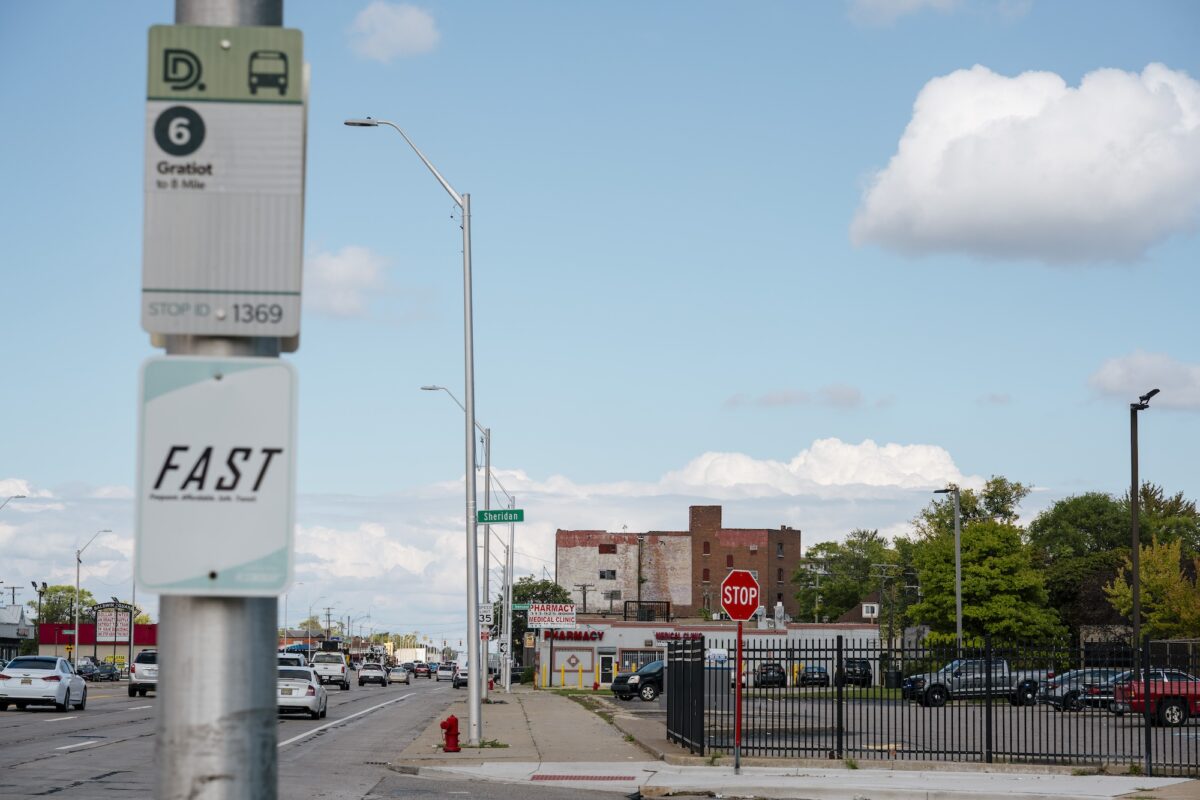
Now, a patchwork of independent transit operators serves the region, and some critical destinations aren’t easily accessible by bus.

“Detroit has a lot of challenges because of the geography and the way that clusters of housing and food and health care and employment are disaggregated and distributed,” said Valerie Lefler, the executive director of Feonix Mobility Rising, which aims to help communities throughout the U.S. address mobility challenges. Lefler noted that other large cities face similar issues.
Two transit providers, the Detroit Department of Transportation and the Suburban Mobility Authority for Regional Transportation, serve Detroit and some of its surrounding communities.
Some city bus riders in Detroit have complained about long wait times for DDOT buses and infrequent bus service, shortcomings partly driven by vehicles in disrepair. Riders and advocates have reported service improvement in recent years, especially with paratransit.
Recent headlines show some positive developments: DDOT drivers got a $6 hourly wage boost, the system is expanding its fleet with new buses and the revamped Coolidge Terminal is almost complete.
The Q-Line and the Detroit People Mover serve the city’s business districts, but their services don’t reach neighborhoods farthest from the downtown core.

“There are ways for people to get around, but it’s not easy, it’s not convenient, and it just takes up a lot of people’s time,” said Megan Owens, the executive director of Transportation Riders United, a transit advocacy group.
Patients’ transportation struggles often stem from service gaps.
“You can’t get to places in Livonia, Plymouth, Canton or Northville because they are not part of the regional transit system,” Owens said.
“If your doctor recommends that you go to a specialist in one of those areas, you may well not be able to get there at all. There may just be no service. In other parts of the suburban system, it might take you two or three transfers.”
Yet public transit isn’t a viable alternative for all patients, including some military veterans with post-traumatic stress disorder.
“Little things can be triggering,” Lefler said. “Depending on your trauma, the sound of the ramp or the hydraulic lift clanging as it goes over the potholes or streets sounds alarmingly similar to the inside of a tank.”
Affordability hurdles
At MyRide2, specialists receive between 40 and 50 requests each day, usually for trips to medical appointments. The free management service, available in the counties of Wayne, where Detroit is located, Oakland, Macomb and Washtenaw, connects seniors and disabled adults with rides based on their personal needs and preferences.
“Ultimately, our goal will always be to find the most affordable option,” said LaVonna Howard, the mobility project manager at MyRide2, which was developed by AgeWays Nonprofit Senior Services.
Typically, at least half of the daily requests come from Detroit, but finding rides for the city’s residents can be tricky.
“It’s a lot of public transit, but being seniors, oftentimes they can’t necessarily get out and go to the bus stop,” Howard said. “Detroit doesn’t have a lot of community services, so they’re limited to paratransit.”
Specialists at MyRide2 refer seniors and disabled adults to services provided by local transit systems, senior centers, rideshare companies and private transportation for medical trips. MyRide2 also locates rides for errands and social activities.
For those on fixed incomes, “cost is always a major factor,” Howard said. “It’s not the fact that there are no options available. It’s the fact of ‘Who’s going to pay for them? ’”
City buses are typically $2 per ride, and discounted fares are available to those who qualify. Those trips “are going to be a little bit more limited as to where they will travel,” Howard said.
Patients who require multiple trips to the doctor’s office can pose a greater challenge for the service.
Dialysis and physical therapy patients often commute to care two to three times a week, Howard said. But if a patient needs to go on a Saturday, a community service is likely unavailable since most operate Monday through Friday.
Specialists may also recommend private medical transport.
Those costs vary based on time, distance and the level of assistance needed. Some folks who can use transportation benefits through Medicaid—the government health program that provides insurance for low-income and disabled people—became concerned about the availability and number of rides offered in their plans, Howard noted.
Otherwise, private transport can be expensive.
The pay is “anywhere from $20 to $35 just for the pickup, not including mileage, which is in addition to $3 to $3.50 a mile for that,” Howard said. “It can be really costly if they’re using that type of service, as opposed to a community option, if that’s available.”
Private medical rides can cost between $150 and $200. “Sometimes that’s only one way,” Howard said. “I don’t know too many people that are wealthy enough to be able to do that on a consistent basis.”
More in our ‘Stuck and sick in the Motor City’ series
GUIDE: Resources to help Detroit residents travel to medical care
In Detroit, lack of transportation leaves patients vulnerable, but new initiatives aim to bridge the gap. St. Patrick Senior Center, Rides to Care, and DDOT Now offer crucial rides to medical appointments, while MyRide2, The Senior Alliance, and United Way’s Ride United provide essential support for the elderly and disabled.

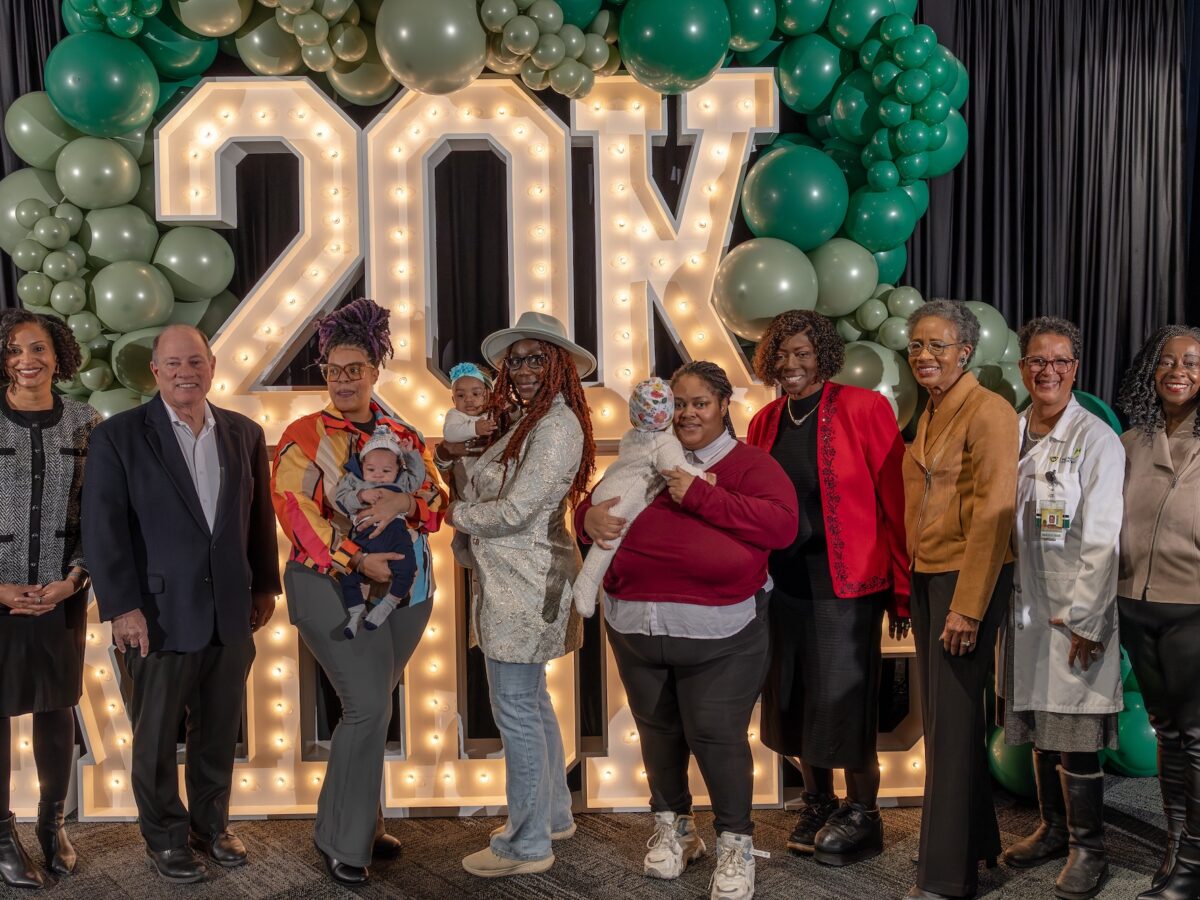
In a city with a high rate of preterm births, a Detroit program gives moms and caregivers free rides to vital care
Without access to a car, transportation alternatives can be unaffordable or inconvenient.
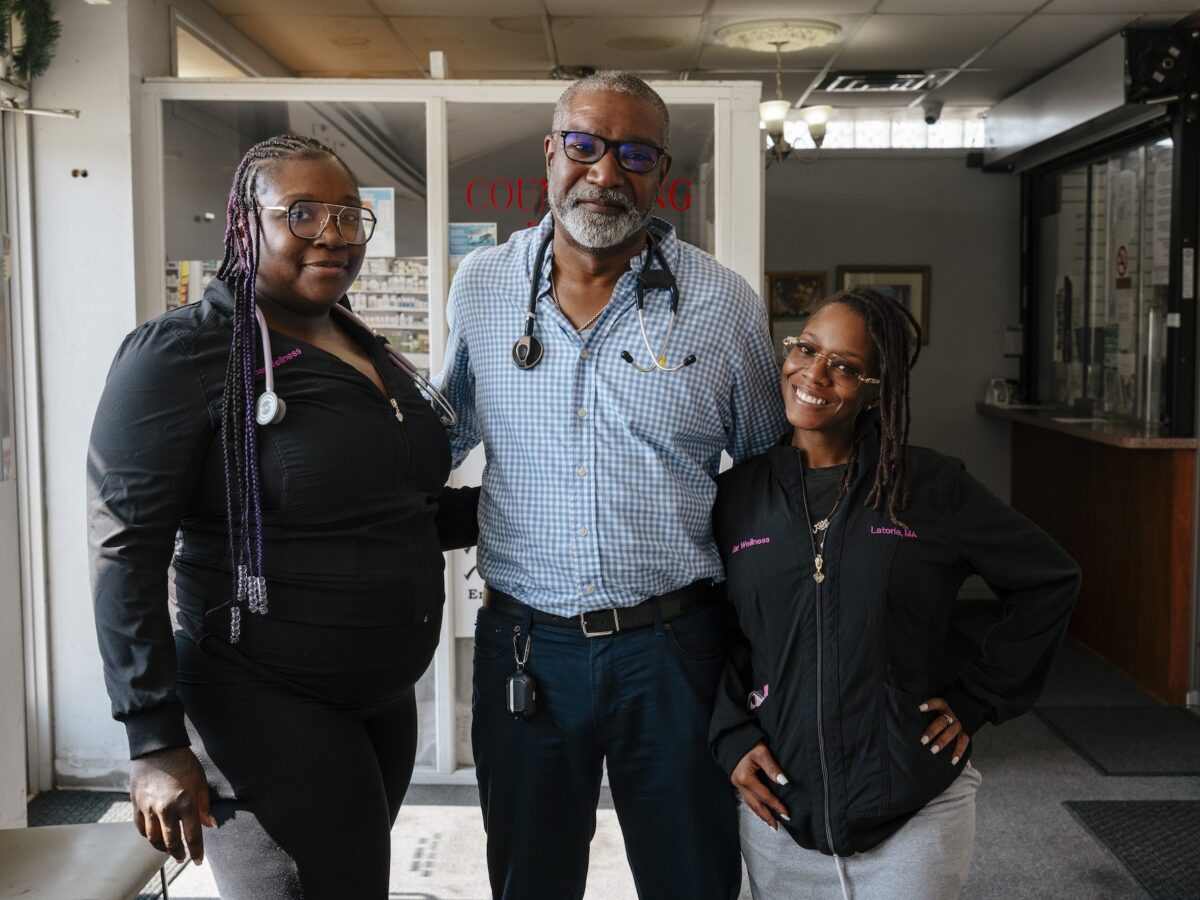
‘We see a lot of helplessness’: At a Detroit clinic, transportation barriers put chronic disease, injured patients at risk
Transportation barriers prevent many Detroiters from accessing vital care at John Mailey’s clinic, where weight and blood pressure management are offered. This issue contributes to higher hospitalization rates and a $150 billion annual cost to the U.S. healthcare system.
