


Overview:
- Michiganders are questioning the democratic process as the Michigan Public Service Commission approved a DTE Energy contract for a data center near Saline Township, ignoring community concerns about water use, energy demand, and pollution.
-Residents feel sidelined, as the decision seemed predetermined, raising doubts about the value of public input.
- Michigan boasts stronger data center regulations than other states, yet the fundamental democratic issue of local decision-making remains unresolved.
- Without genuine engagement with local voices, trust in government and democratic institutions risks further erosion.
Michiganders are being told that data centers are coming whether we like it or not.
We are told they are necessary for the modern economy, that the state has strong rules in place, and that concerns about water use, energy demand, and pollution are already handled. When communities push back, the response is often that people just do not understand the benefits.
What happened this week in Saline Township shows that is not true.
People there were paying attention. They showed up. They asked questions. They looked at the tradeoffs. And many of them decided the risks to their water, land, and community were not worth the promised economic benefits.
The problem is not that residents are uninformed. The problem is that their opposition did not matter.
The Michigan Public Service Commission approved a DTE Energy contract tied to a large data center project near Saline Township through an ex parte (i.e., uncontested) process that left many residents feeling shut out. Community members raised concerns about how much energy the facility would consume, where the water would come from, and what this kind of development would mean for their area in the long term. Despite that, the project moved forward as if the outcome was already decided.
That is not just a policy failure. It is a democracy failure.
People were left with a simple and troubling message: this decision was not really up for debate.
That should concern all of us.
Democracy is not just about voting every few years. It is also about whether people have a real voice in decisions that shape their communities. The Public Service Commission is not powerless. It regularly makes judgment calls and balances different interests. When state officials say they had no real choice here, it raises an obvious question. If public input cannot change the outcome, then what is the point of asking for it in the first place?
Supporters of Michigan’s approach point to laws passed in 2024 that are supposed to make data centers cleaner and more responsible. Compared to other states that allowed these facilities to grow with little oversight, Michigan’s rules are stronger. They include cleaner energy requirements, wage standards, and promises of good jobs.
Those steps matter. But they do not answer the core democratic question people in Saline Township and other communities are asking.
Who gets to decide when a project is not right for a particular place?
The benefits of data centers are often discussed at the statewide level. Jobs. Investment. Growth. But the downsides show up locally. Increased strain on water supplies. Large energy demands. Changes to land use that cannot easily be undone. These impacts fall on the people who live nearby, not on the broader public, who are being asked to trust the process.
When those residents speak up and are ignored, trust in government and democratic institutions breaks down – because where there is no transparency and inclusion, there can be no trust.
This is not just about one township. Over the next year, Michigan will likely see more data center proposals as demand for artificial intelligence and cloud computing grows. If state agencies continue to move forward without truly listening to local concerns, pushback will only increase. And so will public cynicism about whether democracy is actually working for regular people.
People do not oppose these projects because they hate technology. They oppose them because they want a say in what happens to their communities.
Michigan still has time to do this differently.
That means slowing down when people raise real concerns. Being honest about the choices regulators have. And making sure public participation is meaningful, not symbolic.
If Michigan wants to lead, it should show that progress does not require shutting people out. It should show that democracy does not stop at the ballot box, and that when residents say no, their voices count.
Until that happens, fights like the one in Saline Township will keep happening—and trust in democratic institutions will continue to erode. Not because people are unreasonable, but because they have learned their participation is only symbolic. When residents discover their voices do not matter, they stop showing up. They stop trusting. And we all lose something essential.
MORE DATA CENTER COVERAGE
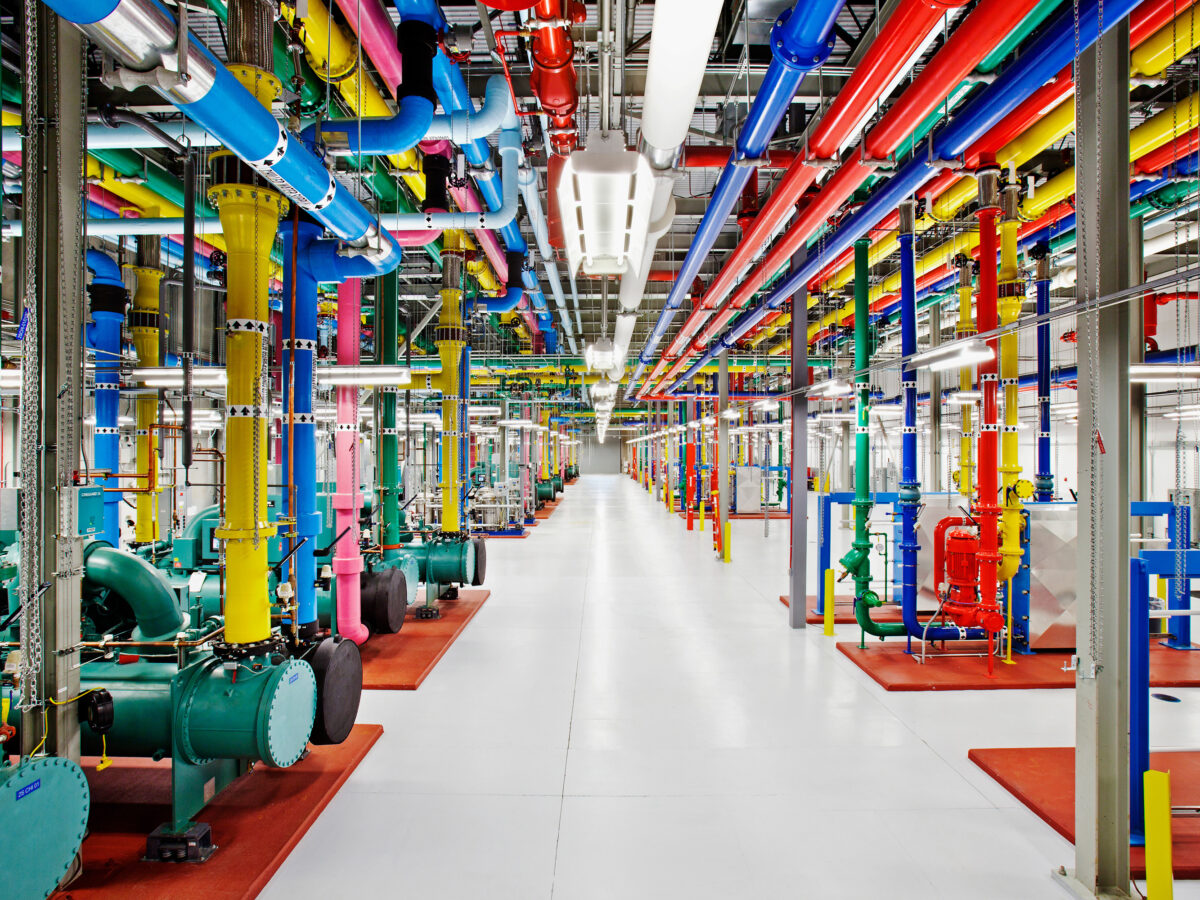
Google data center wins final approval in Wayne County: What residents need to know
How Google’s Van Buren Township data center could impact water resources, air quality, utility bills, neighborhood noise levels, and more.

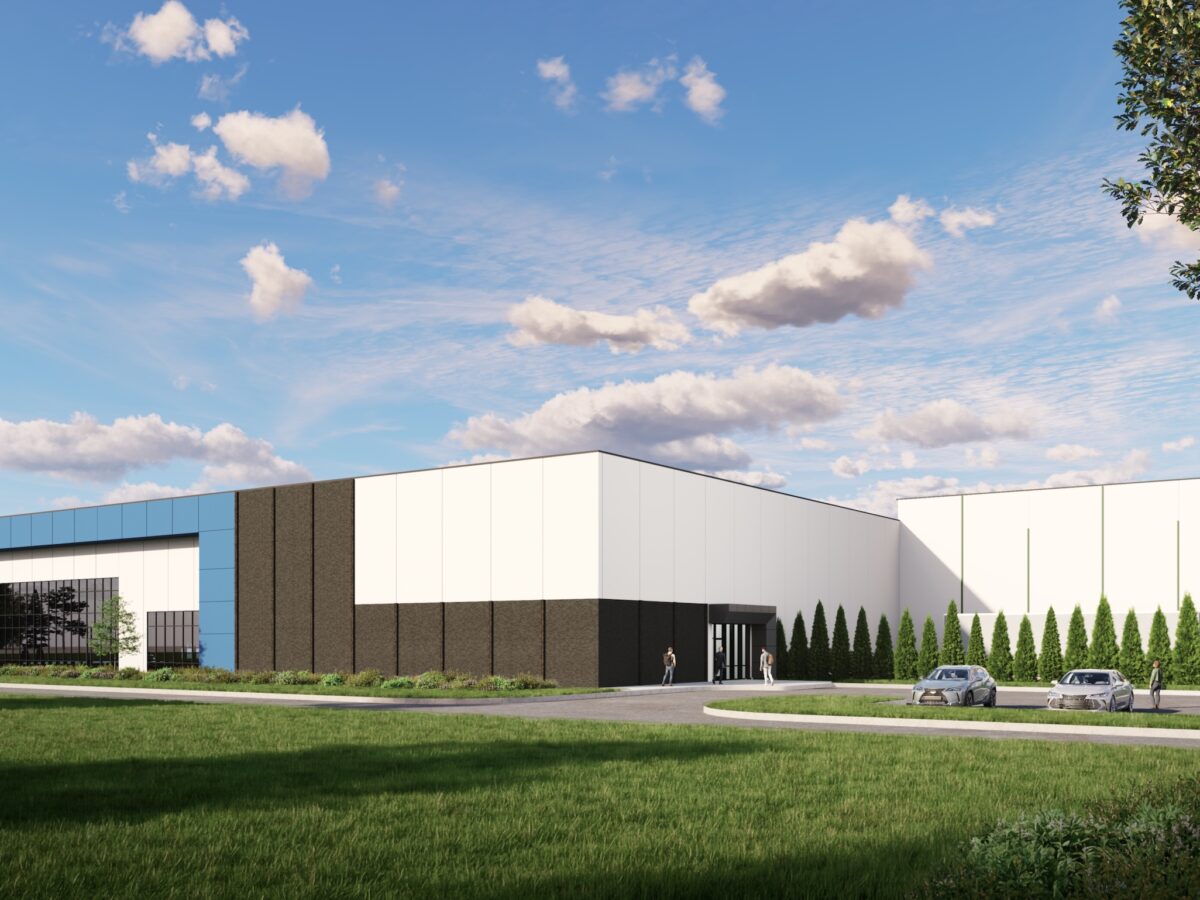
Google data center secures Van Buren Township approval, with startup expected in late 2027
Van Buren Township’s planning commission approved Google’s data center site plan in a 5-1 vote Wednesday, despite concerns from nearby residents about construction noise, dust, and health impacts. The facility is expected to begin operations in late 2027.

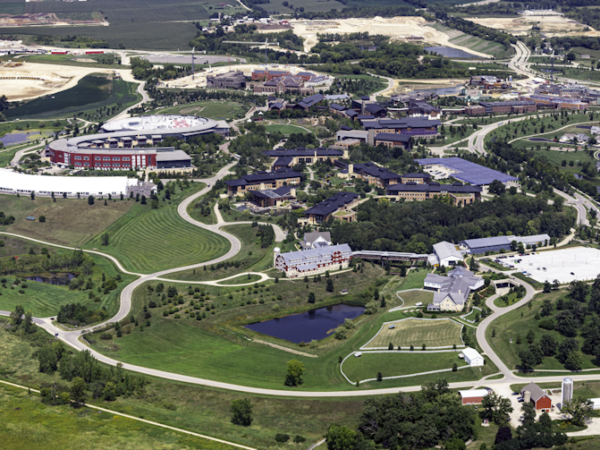
How heat from a Wisconsin data center is being stored for the winter
Servers produce heat every hour of the year, and a Wisconsin campus shows how drilled wells can bank summer warmth in rock for winter use.

