

Overview:
- Washington Township planning commissioners vote to continue work on rules governing data centers.
- Residents express concerns about unknown long-term environmental and health effects of the facilities.
- "When you get into something this large, you have to pull back and say, ‘well, there is a limit,'" township engineer Mike Kozak says of water usage.
By SOPHIA LADA
Macomb Daily
April 10, 2026
Washington Township officials continue to work on rules governing the establishment of data centers after one was proposed locally last year.
At the April 9 planning commission meeting, officials took the next step toward developing an ordinance amendment related to data centers.
At the end of the nearly three-hour session, commissioners voted to authorize the township planner and attorney to continue working with their engineer, a noise consultant and any other necessary consultants to assist with developing the proposed ordinance amendment.
The process includes receiving amendment requests, researching the issue, holding a public hearing, and presenting findings to the board of trustees, which could then vote on the proposal.
‘There is a limit to everything’
The planning commission discussed concerns about the noise that would come from a data center.
Darren Brown, a noise expert who said he works with municipalities to strengthen ordinances or review applications through noise studies, addressed the board.
He said low frequency noise is something everyone experiences, but there are thresholds where noise does become an issue.
“We have to be diligent about protecting the people around us, the residents of the communities that we serve and we also have to work with knowledge we have. So it’s a fine line to balance, and I don’t want people to get overly stressed out about low frequency,” he said.
Brown recommended penalties for tonal noise or impulsive noise. He also suggested a thorough sound study to accompany the application.
“If somebody’s going to, you know, invest billions of dollars into a data center, you know, they can complete a $50,000 noise study,” he said.
Kayla Mauldin with Spalding DeDecker said Washington Township already has robust lighting ordinances that restricts the colors and view of lights from adjacent properties.
She is also working on developing a battery energy storage ordinance.
Township engineer Mike Kozak said that these types of uses would likely not be allowed to connect to a well system, and the township would prohibit uses such as these from constructing a private wastewater treatment facility as much as possible.
When it comes to the amount of water that can be used, though, the issue can be complicated. Usually, the township would assign a water capacity based on the amount of square feet. With a development as large as a proposed data center, though, he said there would need to be a higher limit.
“Generally speaking, we don’t limit the amount. If they want to pay for water, they can pay for the water. When you get into something this large, you have to pull back and say, ‘well, there is a limit,’” he said.
“While your system is robust and it can provide a lot of water, there is a limit to everything. There’s a limit, not just on what we can supply through the water system, but what we can take out into the sewers and that’s our more stringent limit, typically.”
Currently, Kozak said there are no industrial wastewater customers in Washington Township. He said that even when wastewater is used for light manufacturing processes, it’s still considered a residential use.
Long-term effects of data centers are unknown, resident says
Toward the end of the commission’s meeting, several people addressed the commission.
Corrine Graper, a Washington Township resident, said a multibillion-dollar company will not take an ordinance seriously unless there’s a large enough fine and penalty for not following through.
“We need to make sure the fines are large and the town has a plan to monitor them and to report on them,” she said.
Izzy Greco, a Washington Township resident and a Romeo High School student, said she’s concerned about the local ecosystem and sound, light, and water pollution, adding that the unknown long-term effects of data centers are problematic.
“These data centers and this technology is a very new thing and we don’t know the long-term effects of any of it really. We don’t know, 10, 20 years … down the line, how this could have negative effects in our community. I think it’s something that we should research into a little bit further,” she said.
The background
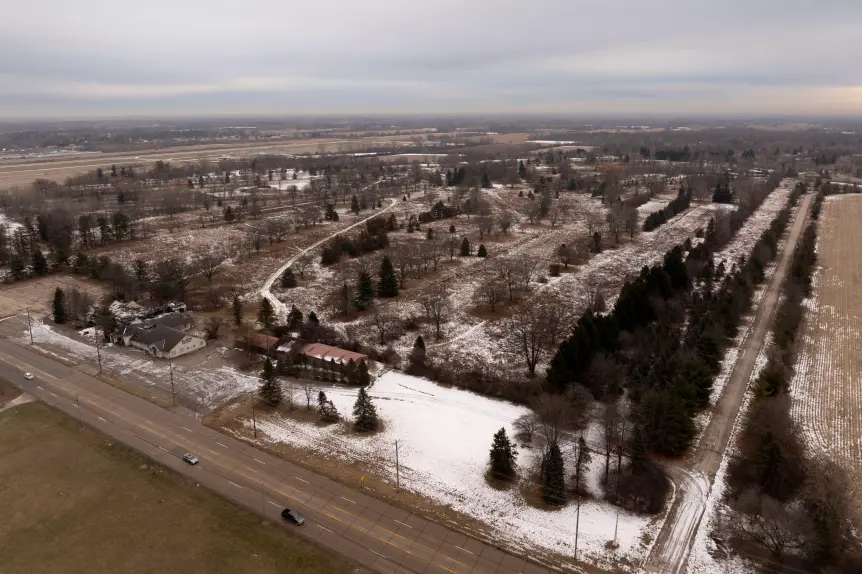
All of this comes as Prologis, the potential data center site developer, submitted a conditional rezoning application for the development of a technical campus and data center on over 312 acres of land in November 2025. The land, which includes four parcels, is on the south side of 32 Mile Road, between M-53 and Powell Road.
Prologis is now asking for a straight rezoning of the property ― making it an Industrial – Research – Technology zoning district that allows for industrial and research facilities.
Mark Hosfeld, a representative of Prologis, said at a Dec. 11 township planning commission meeting that after the rezoning is approved, the company would have to ask for a “special land use” if it wants to build a data center.
A data center is defined by officials as a building or group of buildings that house essential infrastructure including servers that process and store data. These types of facilities are used for e-commerce, health care, national security systems and a range of other industries, according to operators.
The proposal also includes a reversion clause, which means if the development is not completed within five years of the site plan approval, the property would revert back to its original industrial and agricultural residential zoning.
The proposed 32 Mile Road Technical Campus in Washington Township would be situated on 312 acres of land. A project that recently reached a settlement in Saline Township in Washtenaw County is a 575-acre site, with 325 acres being reserved for open space. A proposed data center campus in Howell called for a 950-acre site.
The site is surrounded by existing and former industrial uses like the Romeo State Airport and the former Romeo Ford plant.
The property provides green space between the site of the data center buildings and adjacent uses, like residential developments, on Powell and 31 Mile roads.
Information in a previous planning commission packet said the project is not expected to raise water or sewer rates. In fact, adding additional users to split the costs of existing water and sewer services helps to manage the rates for current service recipients, the petitioners said.
DATA CENTER NEWS
Detroit forms data center working group after council backs moratorium
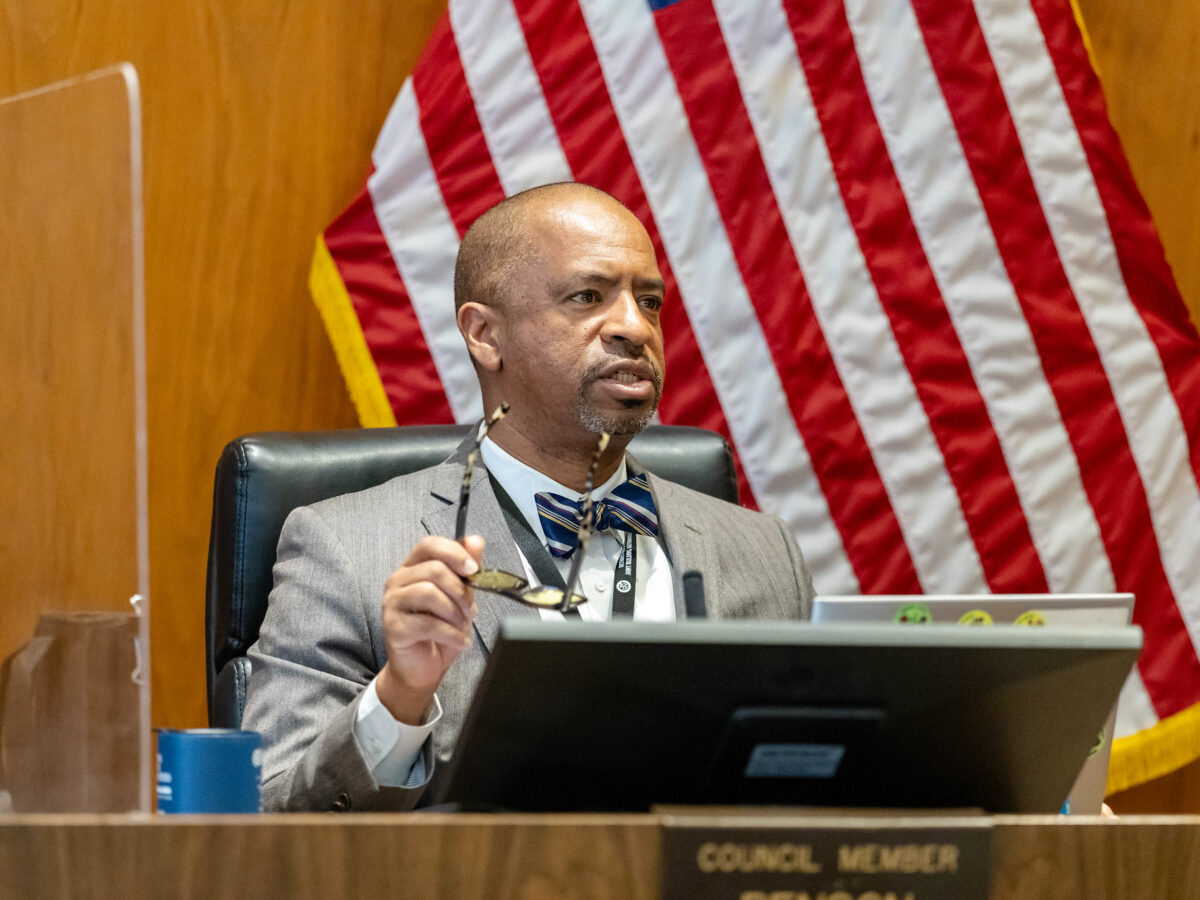
Detroit City Councilman Scott Benson convened a stakeholder working group to develop zoning policies for data centers, following the council’s March resolution urging a two-year development moratorium.

Anti-data center rallies planned in Detroit, Ann Arbor Saturday: ‘People don’t want these at all’
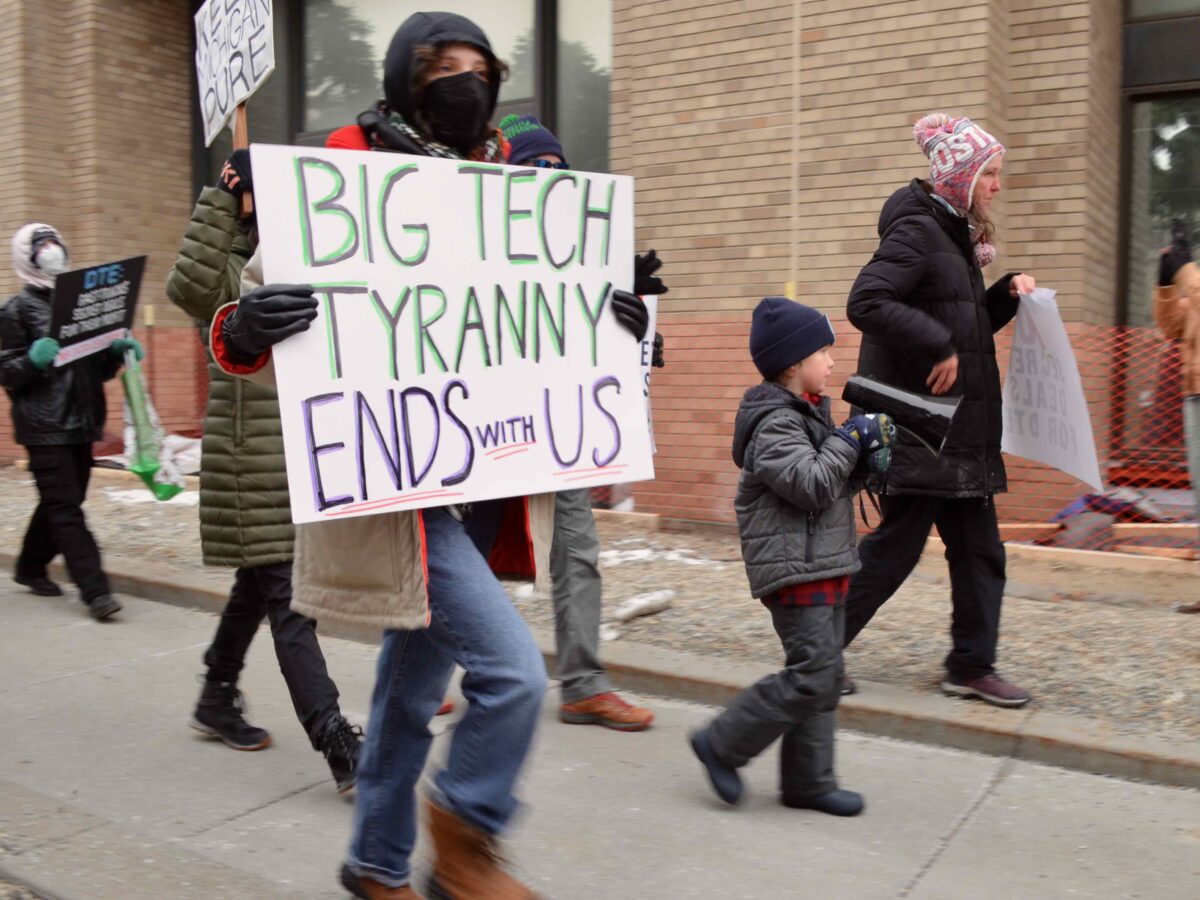
Residents in Detroit, Ann Arbor and four other Michigan cities will rally this weekend against data center projects, connect their opposition to a ballot initiative that would ban utility political donations.

Wixom weighs data center ordinance: ‘We aren’t necessarily prepared’
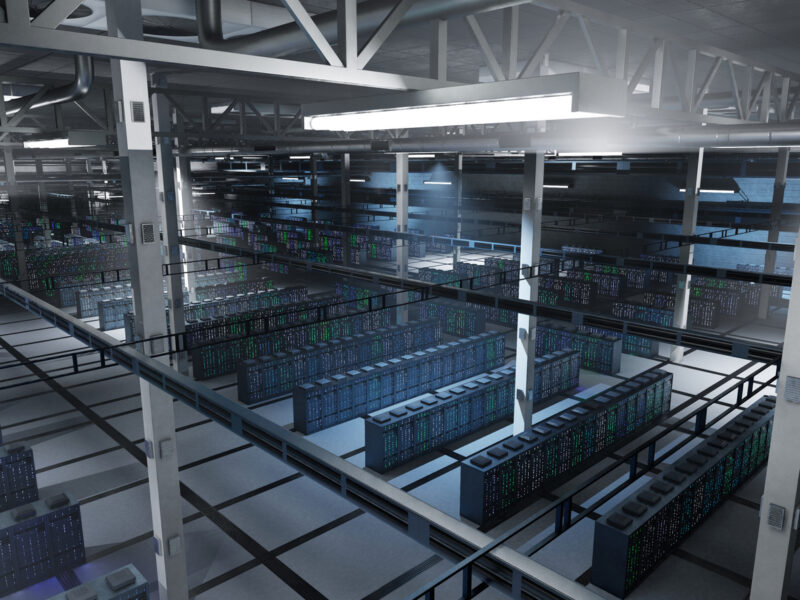
Wixom’s draft data center ordinance creates a buffer between the facilities and residential areas.