

Overview:
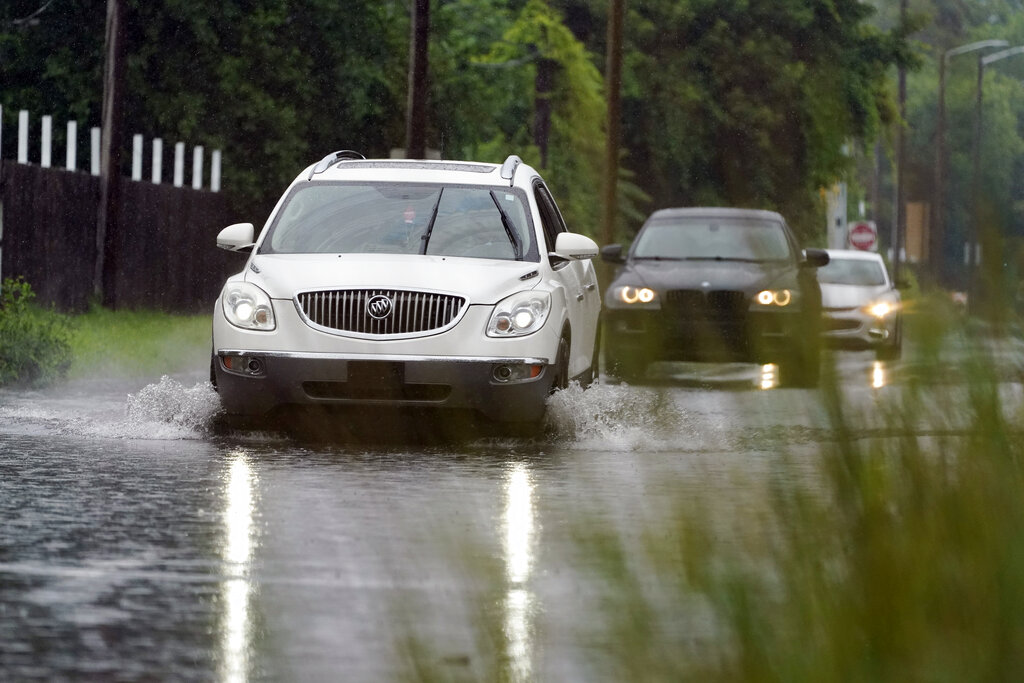
- Detroit expects 1 to 1.5 inches of rain between Tuesday night and Thursday night, with isolated flooding possible.
- Residents should avoid using dishwashers and washing machines during the rainfall to reduce strain on sewer system, the city says.
- Metro Detroit is under a flood watch through Thursday night and tornado watch until Wednesday morning.
As an already saturated Detroit faces heavy rainfall this week, the city is urging residents to reduce water usage to increase sewer system capacity.
The city could see isolated flooding, the Detroit Water and Sewerage Department (DWSD) said in a Tuesday statement. Detroit is expected to receive 1 to 1.5 inches of rain between Tuesday night and Thursday night, according to the water department.
Customers can limit their water usage by avoiding the use of a dishwasher or laundry washer during the rain event, DWSD said.
DWSD encourages residents to clean debris around street catch basins; avoid driving or walking into standing water; avoid flooded streets and downed power lines; and move valuables off basement floors, especially in low-lying areas.
If a basement floods, do not enter if the water is above electrical outlets and/or the fuse box. If a backwater valve is installed, occupants should avoid using toilets, drains, dishwashers, laundry washers, baths, and showers during rain in order for the valve to work properly, according to DWSD.
Residents can report flooded streets and basement backups using the Improve Detroit app or call 313-267-8000.
The local and regional sewer systems are functioning as designed, and DWSD crews are prepared to respond to flooding, the statement said, adding that more than 600 miles of public sewer and more than 8,000 catch basins were cleaned last year.
Navid Mehram, the Great Lakes Water Authority’ (GLWA)’s chief operating officer for wastewater operating services, said the rainfall forecast is within the design capacity of the regional system.
“In anticipation of the approaching large storm event, GLWA is closely monitoring conditions, and the wastewater conveyance system has been fully reviewed to ensure operational readiness,” Mehram said in a statement.
Severe weather possible
Most of Southeast Michigan received 1.5 to 4.5 inches of rainfall in the last 10 days, saturating the ground before the spring green up, according to the National Weather Service’s Detroit/Pontiac office.
The area could receive 1 to 2 inches more rainfall through Thursday, with 3 to 4 inches possible in some areas depending on thunderstorm coverage and tracks, the weather service said.
Metro Detroit counties are under a flood watch through late Thursday night and a tornado watch until 4 a.m. Wednesday.
A line of thunderstorms will track through Southeast Michigan between 11 p.m. Tuesday and 4 a.m. Wednesday, with a slight risk of 60 mph-plus damaging winds, hail an inch in diameter or greater, and possible tornadoes and flash flooding.
“There is still low confidence in whether these storms will maintain intensity or weaken. If they hold together, all modes of severe weather are possible including tornadoes,” the forecast said.
Severe weather will again be possible from Wednesday afternoon into Wednesday night.
FLOODING COVERAGE
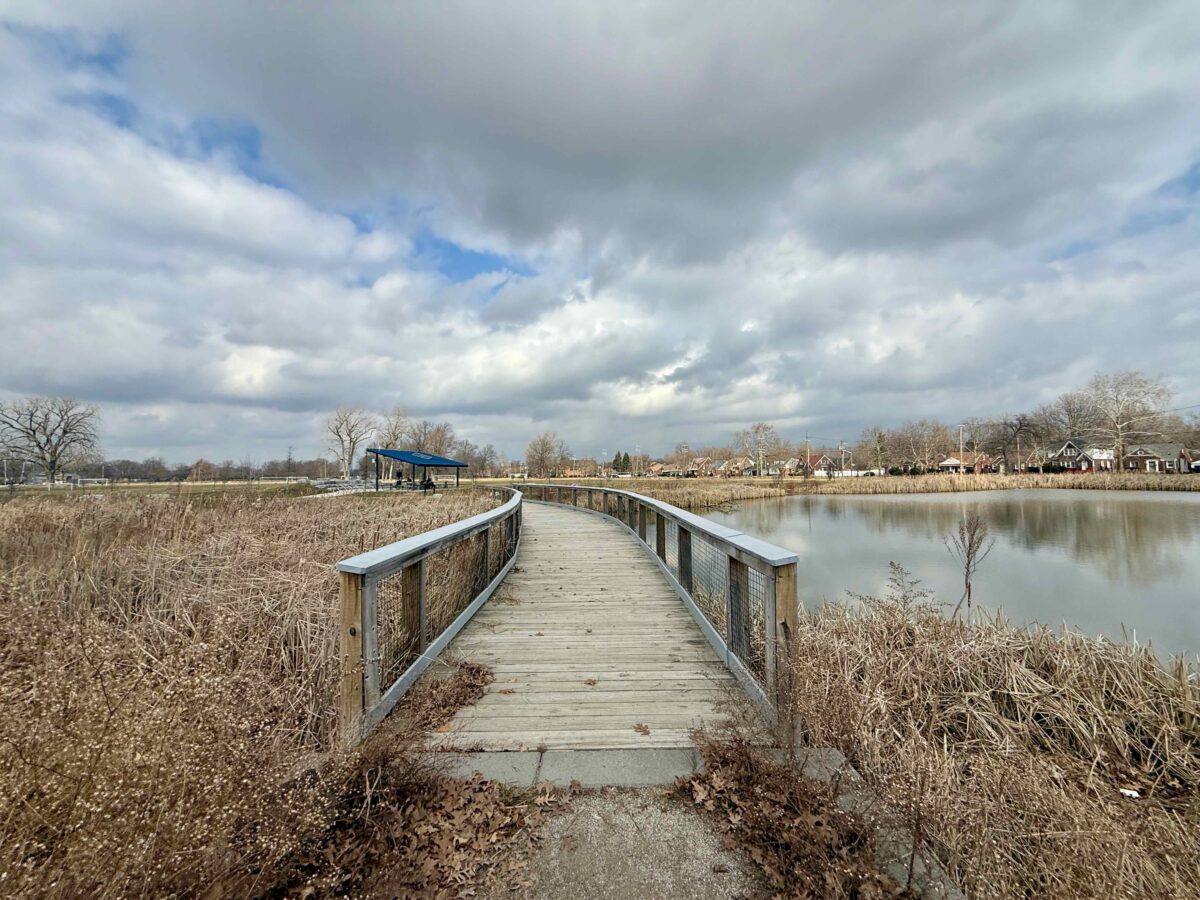
Green stormwater infrastructure in Detroit parks offers examples of flooding solutions
The Chandler Park Marshland “serves as an example of how we can do stormwater in the community,” says Alex Allen, president of the park conservancy.

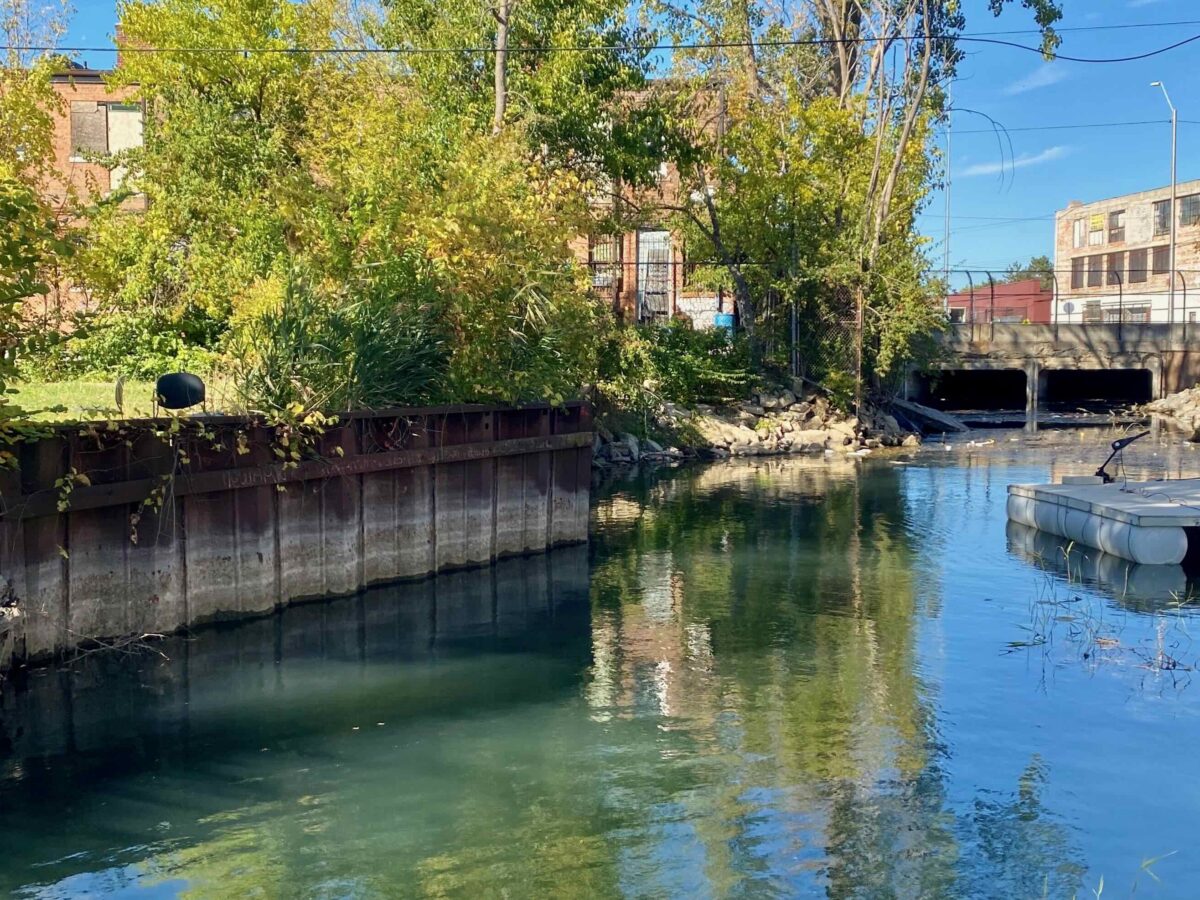
Detroit launches $1 million sea wall repair program for flood-weary Jefferson Chalmers
City Councilmember Latisha Johnson advocated for the $1-million state grant to target sea wall repairs as a step toward moving the neighborhood out of the Federal Emergency Management Agency’s flood hazard designation.


House bill would expand FEMA coverage for flooded, moldy Michigan basements: ‘There needs to be some equity’
“It is so bizarre as a member of Congress, finding out that FEMA will come and cover getting a new furnace or water heater, but won’t actually cover the actual mitigation and cleaning up of the sewage and the water in people’s basements,” says U.S. Rep. Rashida Tlaib.
