

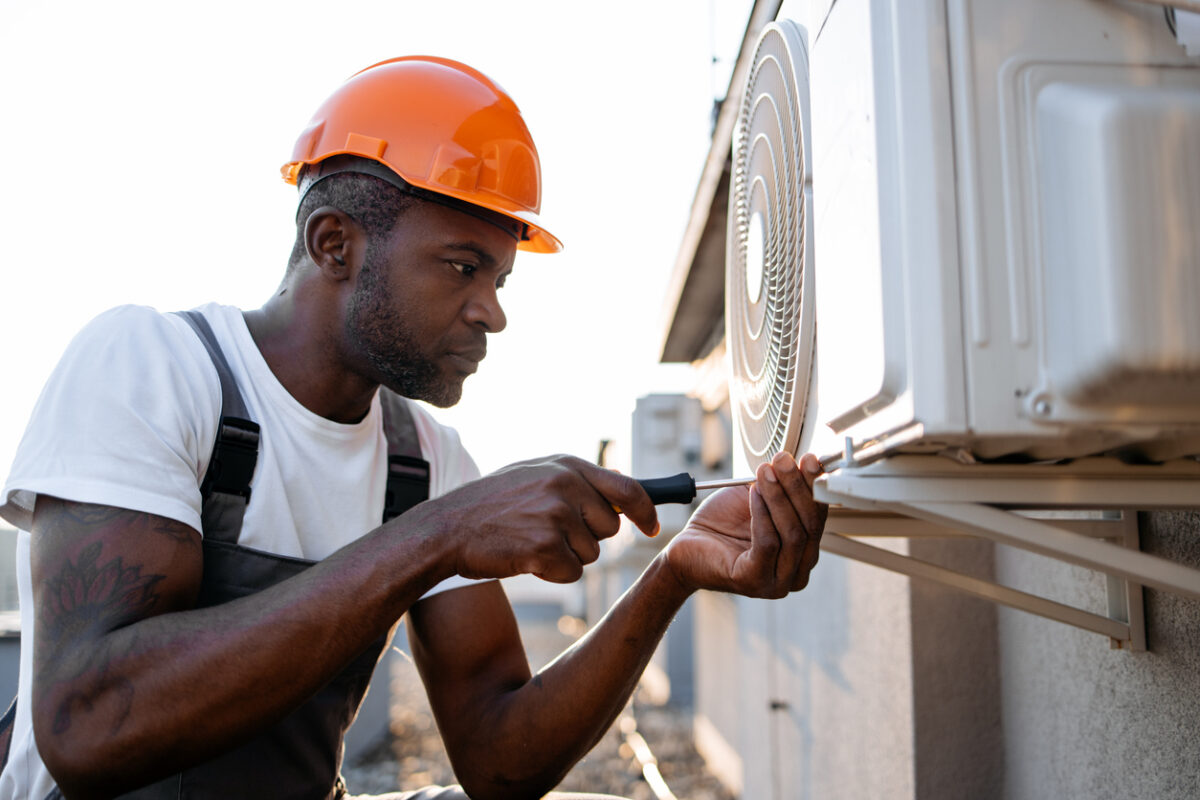
Most Michigan families who switch to more energy-efficient appliances, like heat pumps, will use less energy but pay more each month — unless utilities change how electric rates are structured. That’s one conclusion of a new roadmap released last month by the Michigan Energy Innovation Business Council and EGLE, which lays out how the state can cut energy burdens, prevent thousands of asthma attacks, and add 160,000 jobs over the coming years.
Energy costs are on the minds of every Michigander. With long stretches of frigid temperatures and heavier-than-normal snowfall this past winter, we’ve all had to pay higher monthly bills.
🗳️ Civic Action Toolbox
Why it matters
Who's making public decisions
The Michigan Public Service Commission, the governor, and legislators have a role to play in determining how electricity rates are designed, which has a strong bearing on making energy more affordable.
Upcoming Meetings
Contact Your Representatives
Civic Actions: What You Can Do
Organizations to Follow
What to watch for next
Are you taking action? Let us know.
Civic resources compiled by Planet Detroit
According to the Citizens Utility Board of Michigan and other experts, energy is considered “affordable” when it accounts for no more than 6% of a household’s income. A 2025 study found that Michiganders at various income levels have an energy burden higher than the average American, with the poorest among us spending, on average, 18% of their income on energy.
When it’s that expensive to heat or cool a home, comfort can be sacrificed in favor of rent and food, putting people’s health at risk. When cooking, space heating, and water heating involve burning fossil fuels in our homes, those fumes can increase the risk of respiratory diseases like asthma, especially in kids.
Making efficiency upgrades and electrifying homes can have a profoundly positive impact on health and safety while also reducing household energy costs. Switching out furnaces for heat pumps and gas stoves for induction cooktops, for example, improves indoor air quality and reduces the risk of carbon monoxide poisoning and gas leaks.
One study found that children growing up in homes with gas cooking appliances were 32% more likely to develop asthma. The cost of electricity is also more stable than the frequent ups and downs of gas prices, reducing financial stress on households.
The roadmap projects that efficiency and electrification upgrades will prevent 39,000 asthma attacks and 2,800 premature deaths in Michigan. The benefits extend to emergencies, too: a weatherized home can keep occupants safe during a winter power outage for up to 42 hours instead of two, and during a summer heatwave for 37 hours instead of 12.
The roadmap’s policies will also bring jobs to the state. More than half of Michigan’s nearly 128,000 clean energy jobs are already in energy efficiency, with workers installing insulation and heat pumps, manufacturing ENERGY STAR appliances, and conducting audits. Implementing the roadmap will create 160,000 additional direct and indirect jobs, provided the state invests in workforce training to meet demand.
Michigan will need to make major investments in new and existing programs to ensure widespread adoption of the roadmap’s goals. Rebates, tax credits, and grants bring the upfront costs of efficiency upgrades and electric appliances within reach, especially for low-income families, who are most likely to live in older, leakier buildings. Programs like the Weatherization Assistance Program already save participating households an average of $372 a year; directing more of Michigan’s federal weatherization dollars toward the households that need them most would lock in those savings permanently.
But subsidies alone won’t close the gap; we need a whole-of-government approach. A heat pump is one of the most impactful upgrades a household can make to lower costs, and one of the clearest examples of why fair rate design matters. While rebates can make installing a heat pump cheaper, unless utilities and regulators redesign electricity rates to reflect how much more efficiently utilities can serve heat-pump households, most Michiganders who make the switch will forfeit bill savings. The Michigan Public Service Commission, which regulates utilities, recently took a step forward by ordering Consumers Energy to propose an electric heating rate in its next rate case.
What will it take to decarbonize Michigan homes? It will take a large, coordinated effort among the governor, legislature, and regulators. But the outcome of cheaper power, more quality jobs, and healthier families is worth it.