

Overview:
- Detroit averages 26 days of extreme weather annually, making emergency preparedness essential for residents in flood-prone areas.
- Residents must file basement backup damage claims within 45 days and call Detroit Water and Sewage Department at 313-267-8000 for a service request number.
- Simple steps like cleaning catch basins, avoiding water use during storms, and creating emergency kits can help protect homes and families.
Ethan Bakuli reported this story while participating in USC Annenberg’s Center for Climate Journalism and Communication and Center for Health Journalism 2025 Health and Climate Change Reporting Fellowship as well as a Solutions Journalism Network accelerator program for coverage of the health impacts of seasonal climate issues in Metro Detroit.
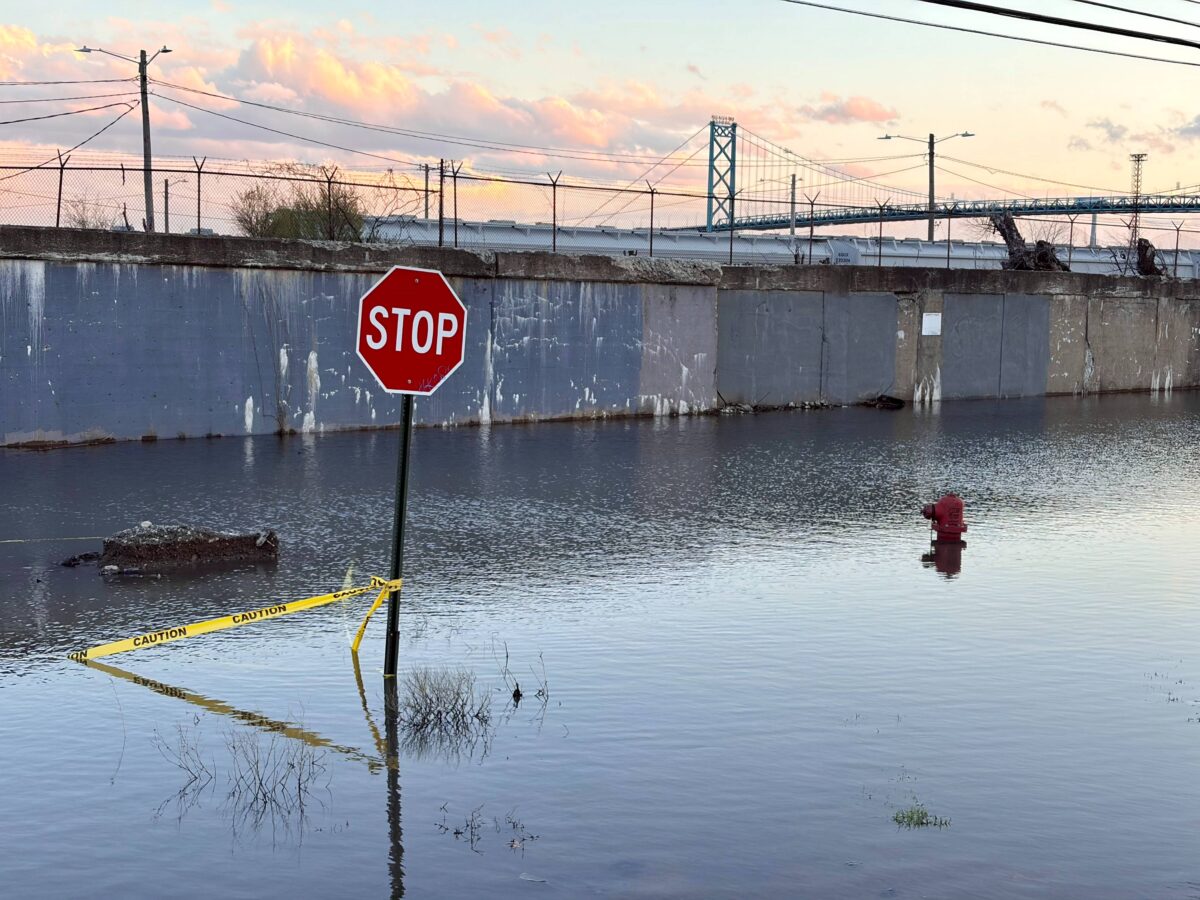
As spring arrives in Michigan, so do concerns about heavy rainfall and flooding.
Even when storms are less devastating than the ones in June 2021 or August 2023, there are reasons to be cautious when seeing as much as 1 inch of rain in the span of a few hours.
For residents living in low-lying areas or who have previously experienced flooding or sewage backups in their houses and apartments, emergency preparedness should be a top priority to protect yourself, your family, and your home during rain events.
As Planet Detroit’s reporting shows, Metro Detroiters face physical, mental, and financial burdens that come with flooding — from the anxiety and stress of navigating a disaster and replacing lost valuables, to respiratory issues due to mold and sewage waste exposure.
Planet Detroit has put together tips and resources that can help homeowners and renters as they navigate spring flooding, water main breaks, and other stormwater emergencies.
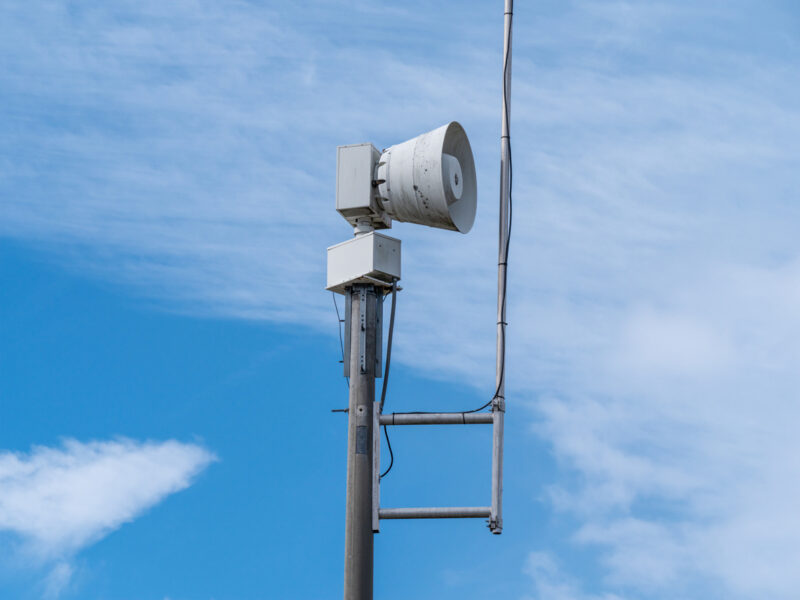
Sign up, turn the dial for community warning systems
Local and national agencies provide emergency alerts that will let you know when to expect torrential rain events via texts, phone calls, or emails.
For Detroit residents, the city’s free notification system is Detroit Alerts 365, which sends Detroit-specific emergency notifications through the CodeRED emergency notification system.
The Macomb County Public Works Office offers an interactive map of rainfall throughout the region, as tracked by 26 rain gauges operated by the county department.
The Federal Emergency Management Agency, the Red Cross, the Emergency Alert System, and National Oceanic and Atmospheric Administration Weather Radio also provide emergency alerts.
The Great Lakes Water Authority issues severe weather alerts when the National Weather Service predicts heavy rainfall in the region.
The National Weather Service issues a flood watch for any case of potential flooding, while flood or flash flood warnings occur in cases where 6 inches or more of rain are flowing over roadways.
Lastly, visit or call Michigan 2-1-1 or call your local health department to find out more about emergency planning in your area.
In the city, find out the flood risk for your property by contacting Detroit’s Division of Environmental Affairs at 313-224-4357.
Create an emergency plan
On average, Detroit sees 26 days of extreme weather annually, according to city documents.
Given that the region is no stranger to flooding, winter storms, heat waves, tornadoes, and now wildfire smoke, having an emergency plan should be something you discuss and make with the people closest to you.
Create a list of emergency contacts. People without strong social networks or who live alone are often most at risk during a flood, according to the Michigan Department of Health and Human Services (MDHHS). Find a spot to park your car on higher ground in the event that heavy rainfall might flood your street.
Pack an emergency kit with basic necessities you’ll need for however long the storm persists, streets are flooded, or power is down, according to Ready.Gov:
- Water (1 gallon per person per day for several days, for drinking and sanitation)
- Food (at least several days’ supply of non-perishable food)
- First aid kit
- Flashlight
- Battery-powered or hank crank radio
- Extra batteries
- Medications
- Local maps
- Cell phone with chargers and a backup battery
Coordinate with your household, neighbors, or close circle on ways you can stay safe in the event of a climate disaster.
The Eastside Community Network’s Stoudamire Wellness Hub and the Georgia Street Community Collective are examples on Detroit’s east side of resilience hubs, or spaces meant to shelter residents in the event of heat waves, rainstorms, or other weather emergencies,.
At these sites, you should be able to access electricity to charge your electronics; heating and cooling; as well as store medications and other life-saving medical supplies.
The resilience hubs are locations where city, state and federal officials can coordinate emergency responses and basic good distribution to impacted communities.
Notify your city, county about basement backups, flooding
The city of Detroit recommends residents and businesses report emergency water and sewer issues, like street flooding, gushing water, and sewer backups by calling the Detroit Water and Sewage Department (DWSD) customer service line at 313-267-8000, or using the “Improve Detroit/SeeClickFix mobile app.
Under Michigan law, residents can file claims for physical injuries or damages to their property caused by municipal or county-owned stormwater and sewage systems. Claimants must provide their name, address, the date when the damages were discovered, and a brief description of what happened and what’s been damaged.
Any claim for basement backup damages must be filed within 45 days of discovering the issue.
For Detroit residents, you must call the DWSD service line for a Service Request number before filing a claim with the city.
Oakland County residents can call 248-624-6366 to reach the county’s 24-hour water and sewer emergency hotline. Homeowners can file claims for basement backups that occur from sewer systems operated by the Oakland County Water Resources Commissioner.
To reach Macomb County’s 24-hour flood and water pollution hotline, residents can call 877-679-4337. For basement backup claims, they can mail or deliver their issue to Macomb County Public Works Commissioner Candice S. Miller, 21777 Dunham Road, Clinton Township, MI 48036.
Learn about your eligibility for recent city programs for basement backups and damaged sewer lines such as the Basement Backup Protection Program and Private Sewer Repair Program, two efforts to repair and upgrade Detroit homes most affected by the June 2021 flooding disaster.
Protect loved ones, valuables from floodwaters
Residents of southeastern Oakland County can sign up for the RainSmart Rebates program, which offers homeowners as much as $2,000 for installing rain barrels, planting trees, or creating a rain garden.
The program is designed to help residents in the county’s southeast region become “good environmental stewards” and assist them in diverting stormwater runoff in and around their home, says Oakland County spokesperson Trisha Bruzek.
Human and animal waste, trash, hazardous materials, and downed power lines are among the hidden dangers and debris that can sit in floodwaters after a storm, posing a threat to people’s immediate health and safety while driving or walking.
For that reason, it’s important to consider how you will navigate your basement or the streets surrounding your home, according to the National Weather Service. Wear sturdy shoes and clothing that provides some protection, such as long pants and boots.
Unplug electrical equipment like radios and televisions. Leave freezers and refrigerators plugged in unless there is a risk of flooding, according to the Centers for Disease Control and Prevention. If there is damage to your home and you are instructed to do so, shut off water, gas, and electricity before leaving.
Figure out what you’ll need to prepare or pack for children, people living with chronic conditions and/or disabilities, and pets staying in your house or apartment.
For most Michiganders, our basements are places where we rest and recreate, not just where our washer and dryer stay, or where we store extra items. So remember to keep important documents and photo books in a waterproof container. Create digital copies. Move valuables off basement floors.
Read through the city of Detroit’s online handbook on protecting your home from basement flooding.
The city recommends a few extra tips for homeowners:
- Clean debris like leaves, fallen branches, and trash from catch basins near your home to ensure stormwater can flow uninterrupted.
- If you have a backwater valve: avoid all drains, toilets, and appliances while it’s raining.
- Skip the dishwasher and laundry during the storm — reducing water use helps free up capacity in the combined sewer system.
Be careful how you clean up after a storm
After the rain ends or the waters recede, there’s always the potential for mold to spread in water-damaged spaces, such as basements, attics, bathrooms, along windowsills, and under sinks.
“Mold can make some people sick,” according to MDHHS.
“For some people, exposure to mold can lead to irritation and other health symptoms in the throat, nose and lungs. For people with health conditions, such as asthma and other breathing problems, mold can make preexisting symptoms worse.”
Find a mold removal or remediation expert to assist you. Purchase a dehumidifier to reduce the likelihood of mold spreading. If you’re looking to clean and sanitize mold in your home, be sure to wear a mask, gloves, eye protection, and long clothing.
MDHHS advises people to “use regular, unscented bleach, soap and clean water.”
FLOODING NEWS
Storm, flooding risk to ease: Details emerge on Ann Arbor, Lincoln Park tornadoes
Heavy rains should taper off this evening and give Metro Detroiters a break from the localized flooding impacting the area this week. Kyle Klein, a meteorologist with the National Weather Service (NWS), told Planet Detroit another quarter-inch to 1 inch of rain will fall in Metro Detroit Thursday evening. The area received between 1 and…

Green stormwater infrastructure in Detroit parks offers examples of flooding solutions
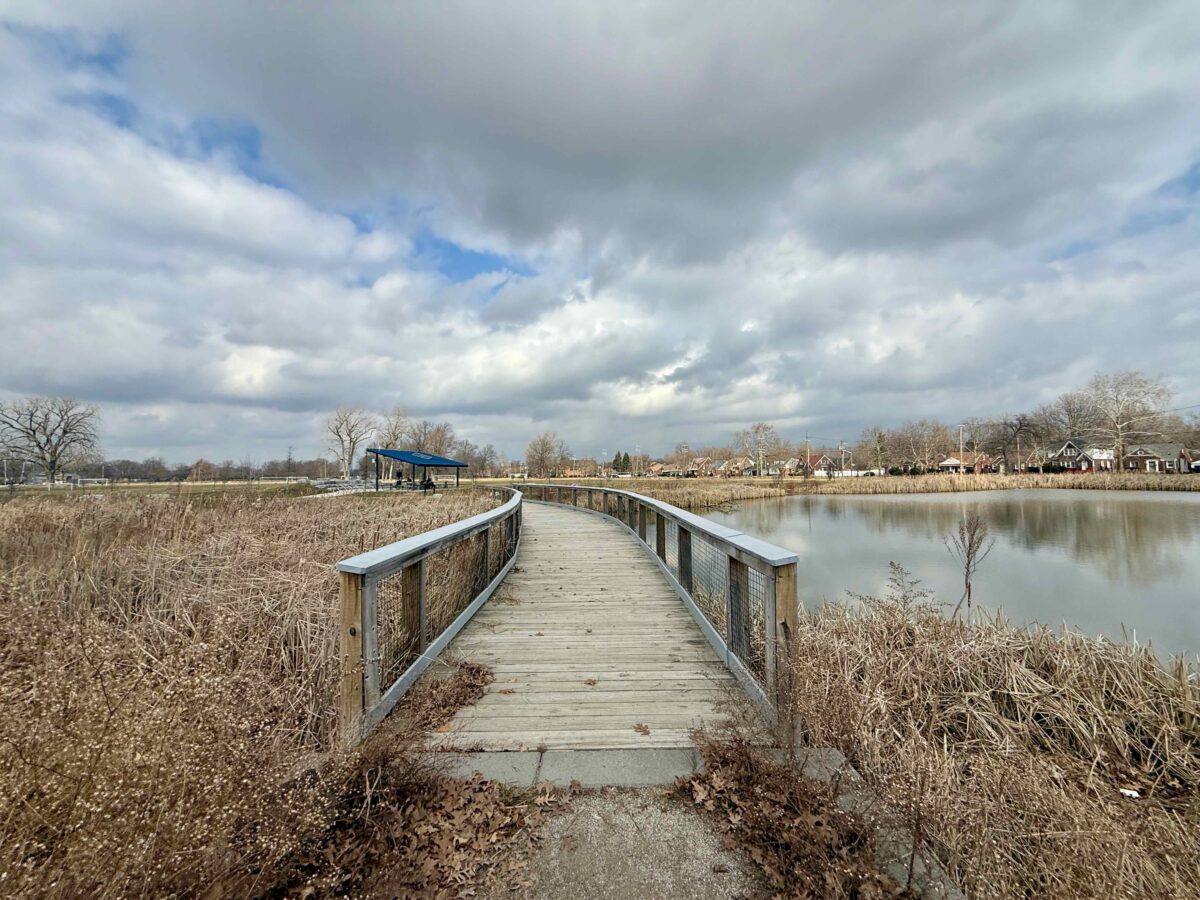
The Chandler Park Marshland “serves as an example of how we can do stormwater in the community,” says Alex Allen, president of the park conservancy.

Detroit launches $1 million sea wall repair program for flood-weary Jefferson Chalmers
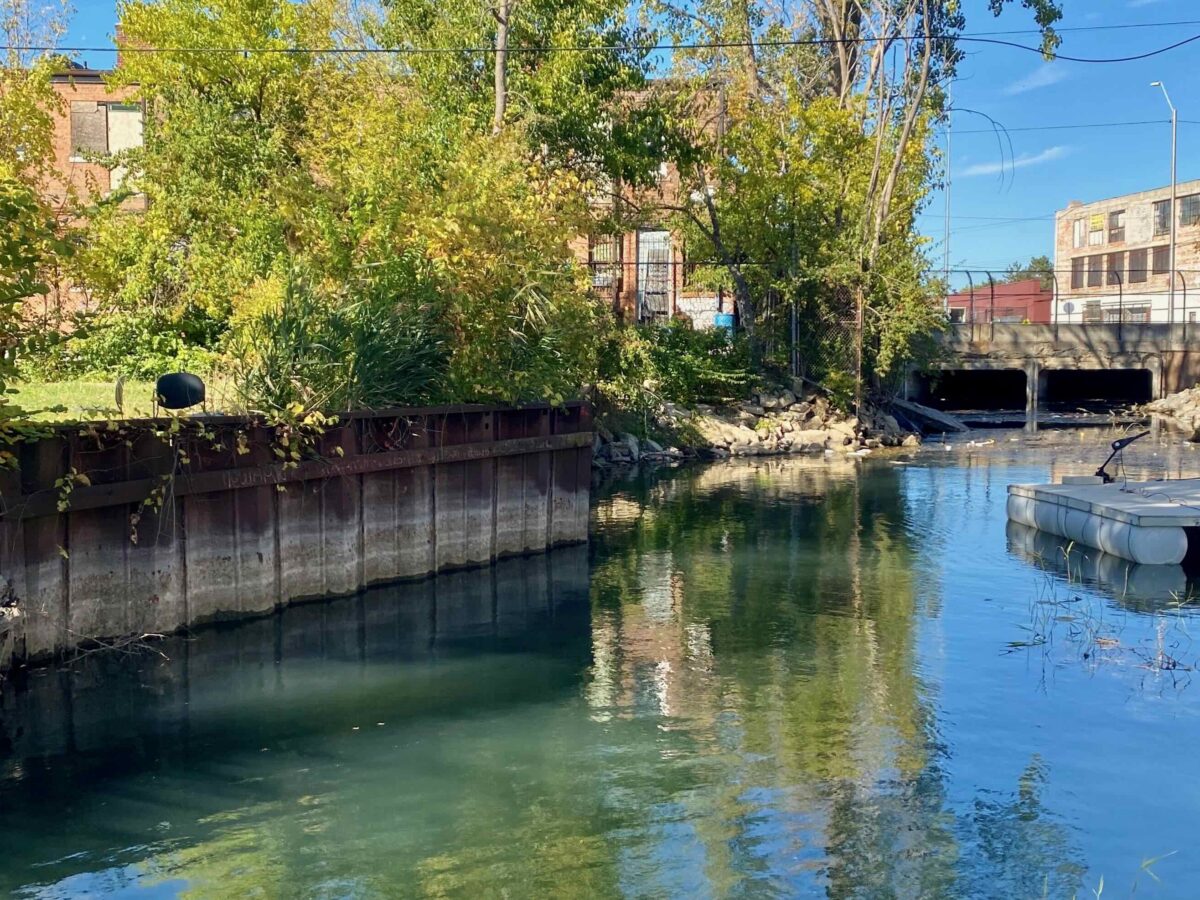
City Councilmember Latisha Johnson advocated for the $1-million state grant to target sea wall repairs as a step toward moving the neighborhood out of the Federal Emergency Management Agency’s flood hazard designation.

