

Overview:
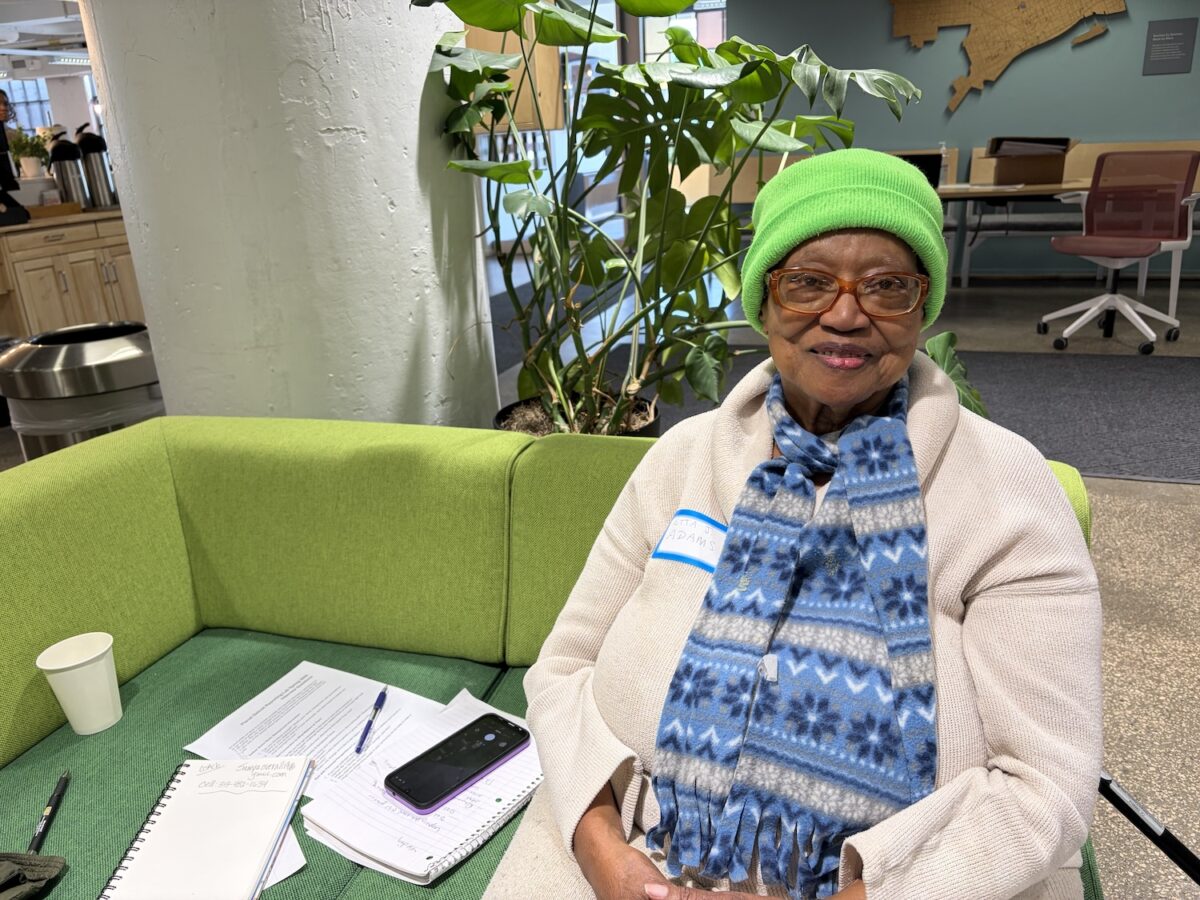
- Etta Adams was forced to leave Detroit's Black Bottom neighborhood as a young child during I-375 construction, shaping her commitment to community building
- As an AmeriCorps member at the Charles H. Wright Museum, Adams focuses on how pollution and environmental hazards disproportionately affect communities of color
- Adams plans to create 'The Mother's Peace Garden' as part of Planet Detroit's Neighborhood Reporting Lab to bring residents together and address violence and environmental disconnect
Planet Detroit’s neighborhood reporters are local residents who cover health, environment and climate issues in their neighborhoods. The Lab is made possible with the generous support of the Kresge Foundation.
Etta Adams is passionate about building community.
She’s had to be. She was a very young child living in Detroit’s Black Bottom neighborhood when her family was forced to move during the construction of the I-375 freeway.
Her family ended up buying a home in a semi-rural area of Inkster, on a dirt road with a cluster of other residents. She learned a lot about gardening, canning, and being industrious from her new neighbors.
That led Adams to where she is now: actively engaged with the Charles H. Wright Museum of African American History as an AmeriCorps member, working in sustainability. Because of her upbringing, she is most interested in helping people deepen their connection with Mother Earth.
Adams spoke about how people of color are especially affected by pollution and environmental change, which she hopes to focus on during her time at Planet Detroit’s Neighborhood Reporting Lab.
This interview has been edited for brevity and clarity.
You shared some of your background about growing up in Inkster and memories from your neighborhood. Please tell me more.
My upbringing in Inkster cultivated a sense of community that I brought back to Detroit. Years ago, I started a community garden, and although I tried to get the mothers involved, it ended up being the young boys in the neighborhood who helped in the garden. I grew lots of tomatoes, and when I went to deliver them, one of the residents said,
“I don’t need no tomatoes, but I do want you to know what this garden has done for the community! This garden has given these children a sense of purpose and a sense of belonging.” That garden gave everyone new energy.
You are currently involved with sustainability efforts at the Wright Museum. Why is this work important to the museum, both culturally and economically?
Dr. Wright founded that museum so our people could learn about our past. The work I am involved in in the area of sustainability at the museum highlights not only the economic benefits but also the cultural significance of pollution and the environment.
People of color are much more likely to live in areas with higher levels of air pollution, fewer trees, increased flooding, and other environmental hazards. This creates health disparities in our community.
How does this relate to your goals for your Neighborhood Reporting project with Planet Detroit? What do you want to leave people with?
I am interested in building a community space called “The Mother’s Peace Garden.” Bringing people together is critical. Building community includes problem-solving, and bringing women together to plant and pray, both alone and collectively, can have an impact.
The collective support and effort will help “weed” out violence, apathy, and ignorance. I am committed to building understanding, respect, and reaffirming our connection to Mother Earth.
MORE FROM THE NEIGHBORHOOD REPORTING LAB
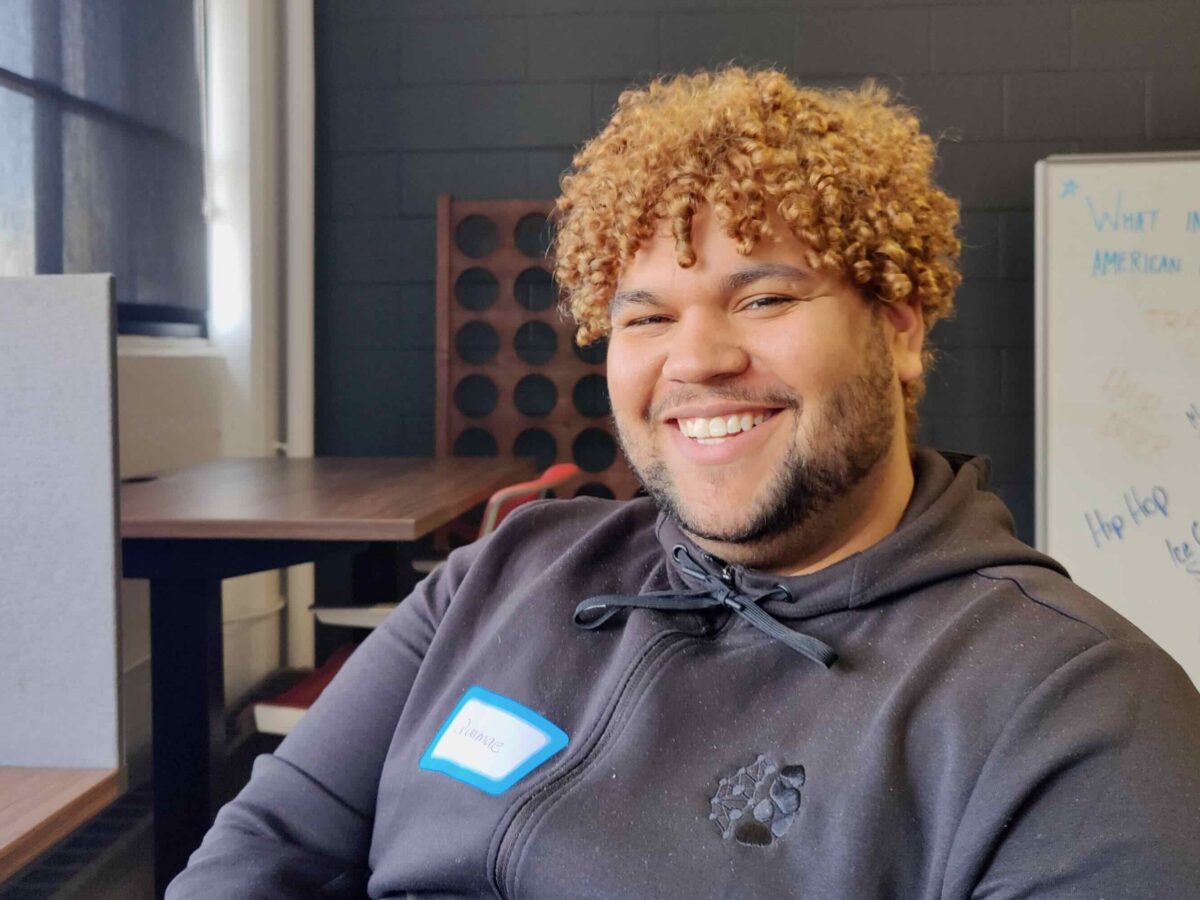
Shaquille Quamae Hall’s vision for Detroit youth: ‘Many hands make light work’
Detroit photographer and Planet Detroit Neighborhood Reporting Lab participant Shaquille Quamae Hall details his journey from mentee to mentor.

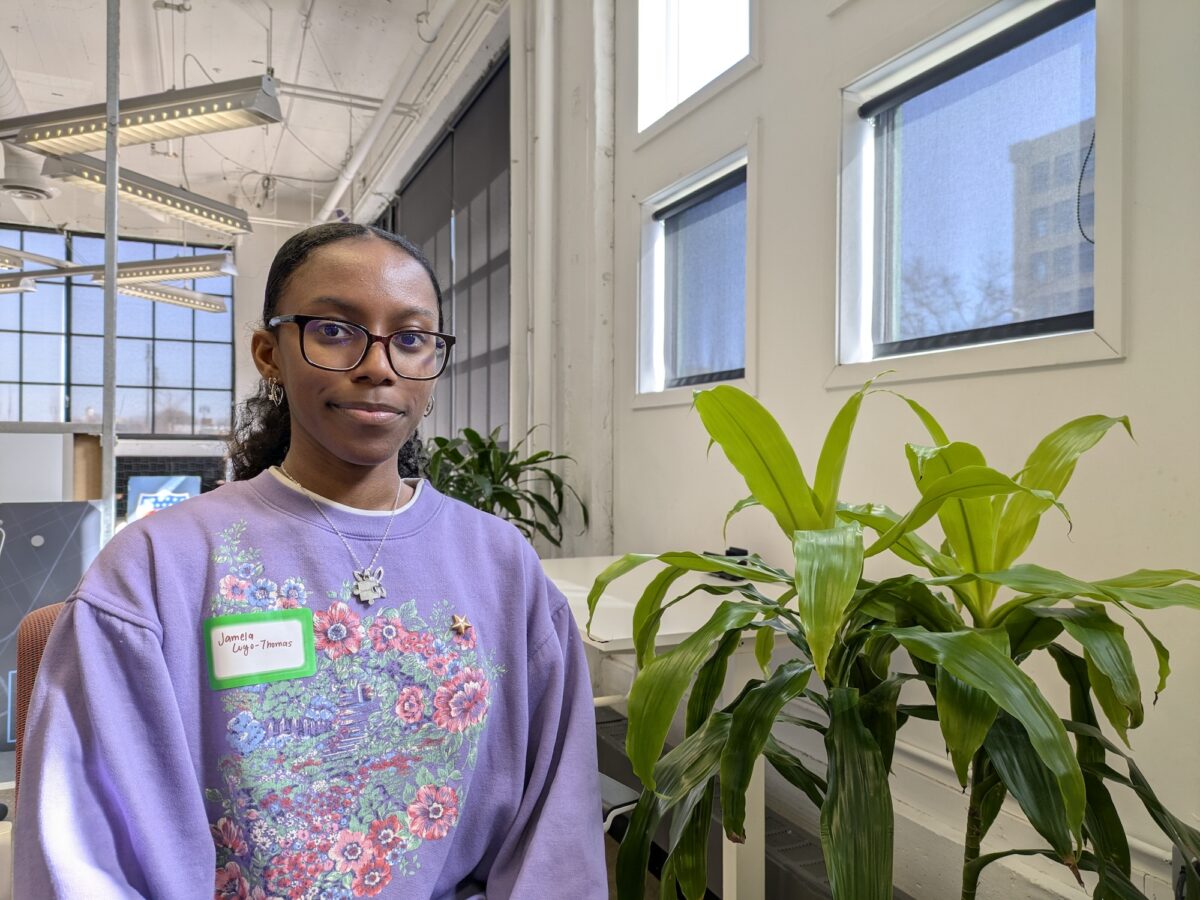
Highland Park resident and filmmaker Jamela Lugo-Thomas inspired by city’s water crisis
The College of Creative Studies grad combines lived experience with film to shine a light on issues of clean water access as part of Planet Detroit’s Neighborhood Reporting Lab.

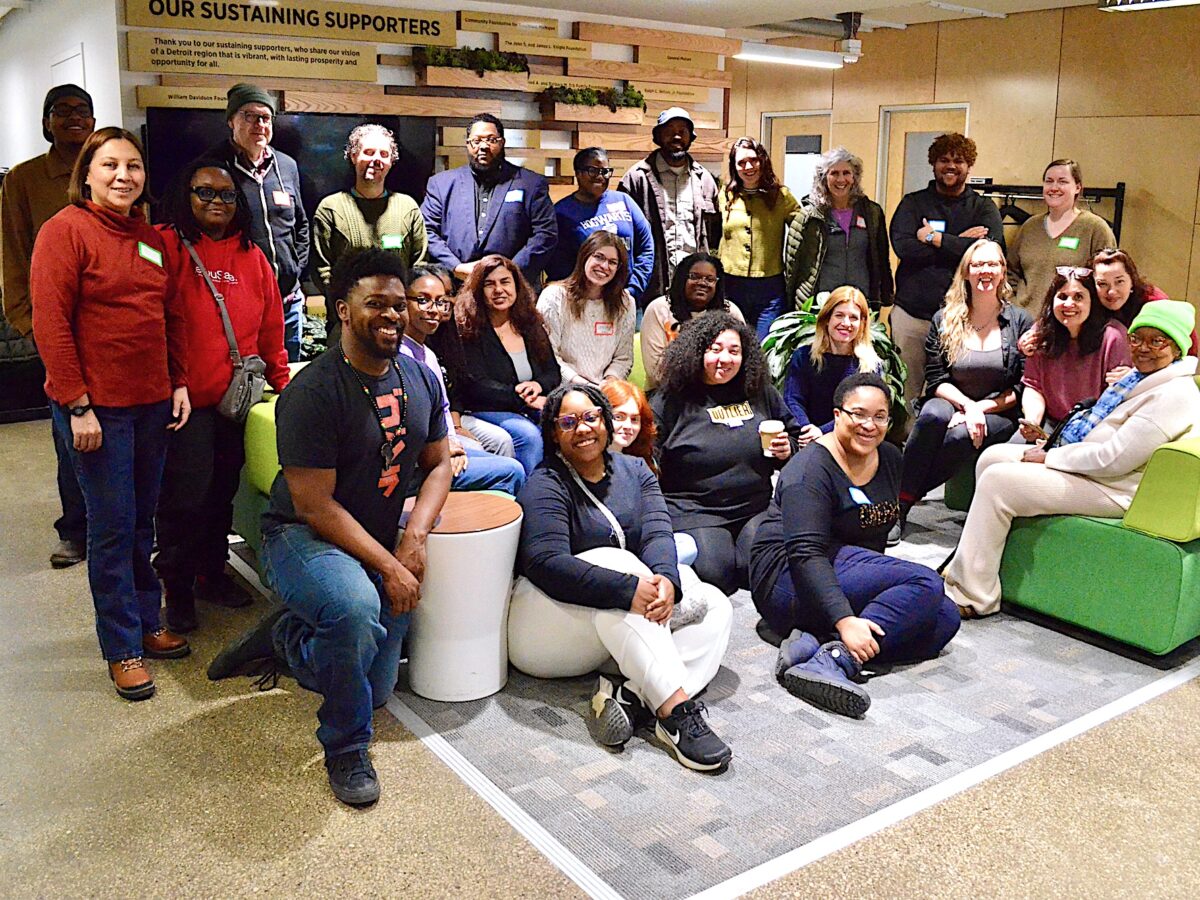
Detroit residents become reporters in Planet Detroit’s 2026 journalism program
Nineteen Detroit-area residents kicked off Planet Detroit’s third annual Neighborhood Reporting Lab, a six-week program that trains community members to tell environmental stories about their neighborhoods.